Debt Management in India: Every Option Open to Borrowers
Debt management in India, for a borrower, means handling personal loans, cards, and other borrowing so repayments stay affordable, using options from yourself, your bank, a new lender, a debt resolution company, or official complaint routes. This is about your own loans, not the government’s public debt.
Mohit Juneja
Reviewed by FREED India, Debt Resolution Specialists
 4.7/5
 ₹3,200Cr+
 20,000+
 20,00,000+4.7/5₹3,200Cr+20,000+20,00,000+
Key Summary

Debt management in India gives borrowers options through their bank, new lenders, and official complaint routes.
Banks set their own settlement policies under RBI’s 2023 framework, so options vary by lender.
A wrong credit report entry must be fixed within 30 days of your complaint, or you’re owed ₹100 a day.
No reply from a digital lender within 30 days? You can escalate to the RBI Ombudsman.
If EMIs take more than 50% of take-home pay, act before a payment slips.

Know Where You Stand Before Choosing an Option
Your EMI Score reads your income, savings, and current loans.
Check My EMI ScoreWhat Does Debt Management in India Mean for Borrowers?
Search for debt management in India, and you’ll mostly find pages about government borrowing: how RBI manages the country’s public debt, bond auctions, exam notes. That’s a real topic, but it isn’t this one. This guide is about your debt: the personal loans, credit cards, BNPL plans and app loans in your own name.
For a borrower, debt management means keeping those repayments affordable. Sometimes that’s a better budget. Sometimes it’s a call to your bank, a new loan that replaces several old ones, or a formal complaint when something’s gone wrong. The point is knowing which door to knock on, and when.
This guide groups every option by who you approach:
Yourself. Budgeting, repayment order, and checking your own credit report.
Your bank or NBFC (non-banking financial company). Restructuring, EMI conversion, balance transfers and, as a last resort, settlement.
A new lender. A single loan that pays off several costlier ones.
A debt resolution company. Someone who handles consolidation or settlement on your behalf.
Outside help and complaint routes. Counselling, the RBI Ombudsman, credit bureau disputes, and more.
FREED covers two of those doors: consolidation for people still paying, and settlement for people who genuinely can’t. Both are explained later, after the options you can use on your own.
Start with what you can do yourself.
Which Debt Management Options Can You Handle on Your Own?
The first layer of debt management in India costs nothing and needs no one’s permission. Three options sit here:
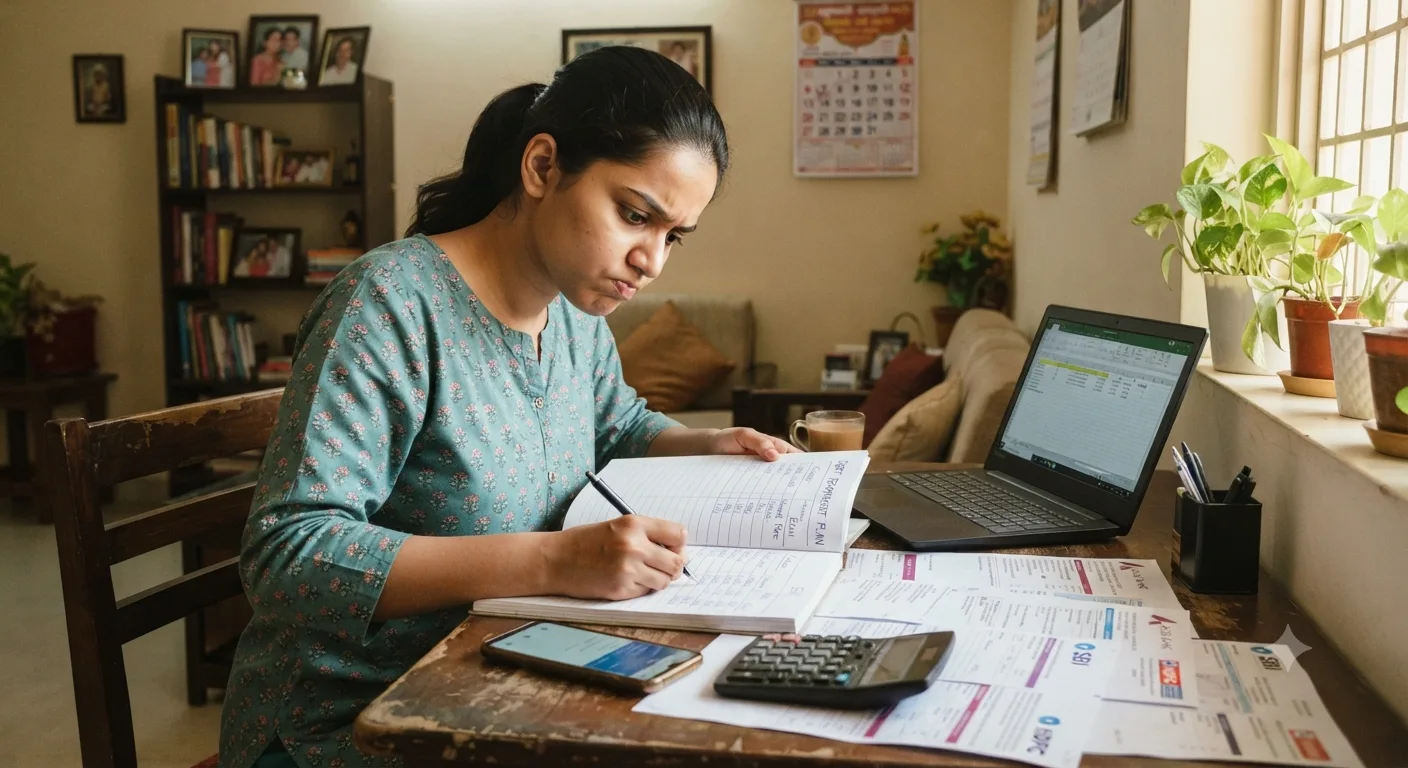
A budget that puts EMIs and essentials first. Rent, food, school fees and EMIs come off the top, and spending fits around them. The 50-30-20 budget rule is an easy place to start.
A repayment order. Extra money goes to the highest-rate debt first (avalanche), or the smallest balance first (snowball). Here’s how the snowball and avalanche methods compare.
Checking your credit report. Errors and forgotten loans show up here, like a closed loan still marked active. Every bureau gives you a free annual credit report.
These work well while your EMIs are comfortable. But there’s a simple test for when they stop being enough. Add up all your EMIs and card payments, and divide by your take-home pay. If that’s more than 50%, managing on your own usually isn’t enough, however careful you are. There’s too little left over for a surprise bill, and one surprise bill is how most missed payments start.
FREED’s EMI Score does that maths for you. It reads your income, savings, and current loans, and shows where you stand on a free 0 to 100 scale.
If you’re past the 50% line, the next doors are worth knowing.
Is Your EMI Load Already Past Half Your Salary?
EMI Score shows how stretched your income really is.
Check My EMI ScoreWhat Debt Management Options Can Your Bank or NBFC Offer?
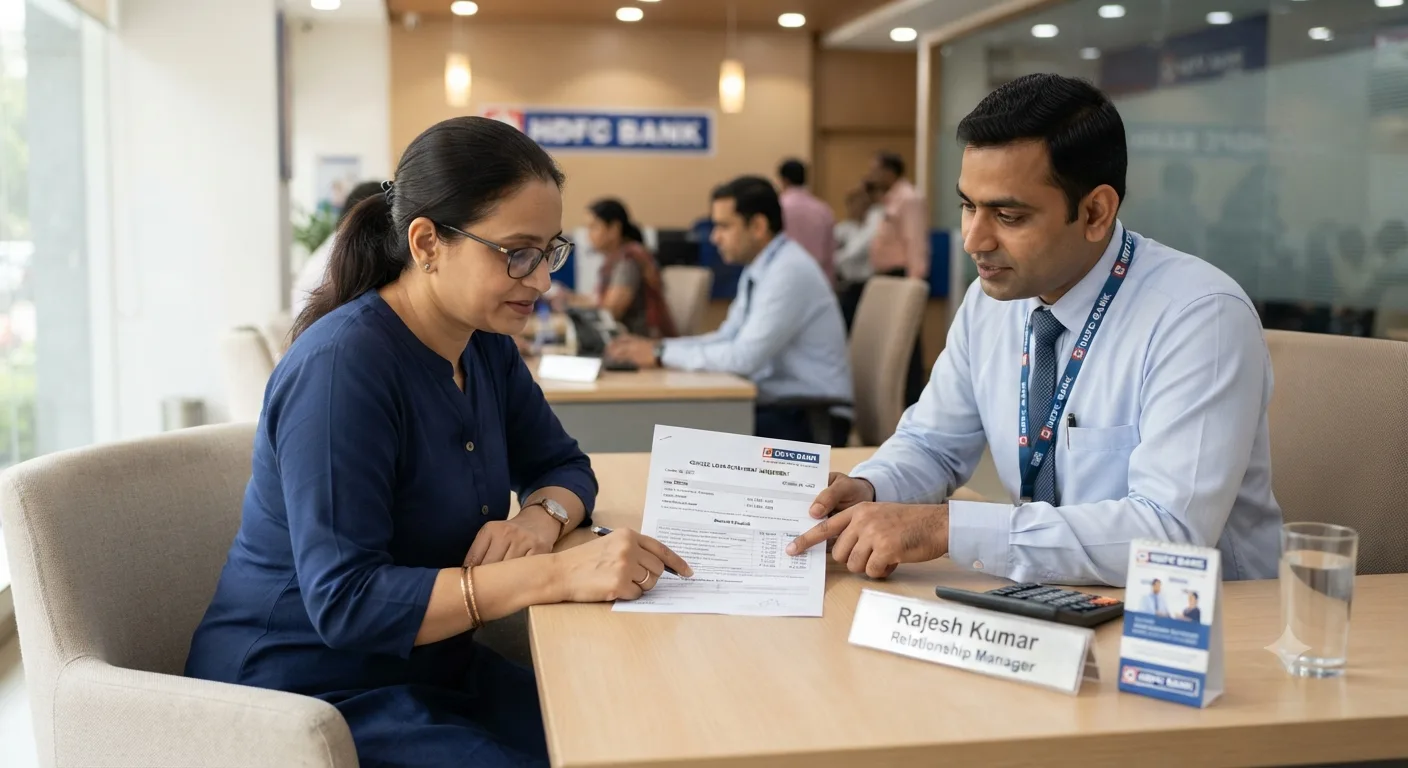
Your own bank is often the first outside door for debt management in India. Here are 4 options it may offer, in order:
Restructuring (changing the loan plan). The bank stretches your repayment time or adjusts your EMI. It suits people still paying but stretched, and it works best before an EMI slips. Here’s how loan restructuring works.
EMI conversion of a card balance. Your card balance turns into fixed monthly EMIs, usually at a lower rate than card interest. Here’s how credit card EMI conversion works.
Card balance transfer. You move a card’s dues to another card at a lower promotional rate. Here’s more on balance transfer credit cards.
Settlement or one-time settlement (OTS). Settlement is not something a borrower chooses out of preference. Banks consider it only when full repayment has become genuinely impossible, and the account then shows “Settled” on your credit report. Here’s how one-time settlement works.
Why might your bank offer something a friend’s bank didn’t? Under RBI’s 2023 framework, each bank and NBFC decides settlements under its own board-approved policy. Other relief options vary by lender too. So what one bank agrees to, another may not, and neither is breaking the rules.
That makes how you ask important. Put every request in writing, by email or letter, and keep a copy. If the bank doesn’t respond, its grievance officer is your next step, covered in the escalation section below.
If your bank says no to restructuring and you’re still paying several loans, consolidation through a new lender is the next door.

What the Law Says
Under RBI’s 2023 framework, every bank and NBFC decides settlements under its own board-approved policy.
Settle My LoansWhen Does Taking a New Loan Help With Debt Management?
A new loan is a strange idea when debt is the problem. And most of the time, it is a bad one. But in debt management in India, there’s one case where it helps: when the new loan replaces several costlier ones, and you stop adding new debt.
Two options fit that case:
Consolidation. One new loan pays off several unsecured loans and card dues at once, leaving you with one EMI on one date. Your score doesn’t drop because of it. It tends to improve as you pay the new loan on time and your card balances fall. Here’s what loan consolidation is.
Personal loan balance transfer. You move one existing loan to another lender at a lower rate. It’s useful when one loan carries a much higher rate than you could get now. Here’s how a personal loan balance transfer works.
Now the warning. Borrowing from an app to pay another EMI almost always makes things worse. It buys a month, then adds a second EMI on top of the first, usually at a higher rate. That’s how a stretched budget turns into a trap. Here’s how to escape the debt trap.
FREED’s Loan Consolidation Plan matches you with a lending partner and handles the process from start to finish. It covers unsecured loans like personal loans, cards, and app loans.
Where Can You Get Guided Help With Debt in India?
Sometimes you need someone to look at the whole picture with you. For debt management in India, guided help comes from three places:
Your bank’s Financial Literacy and Credit Counselling Centres. RBI asked banks to set these up in 2011. Its 2016 guidelines asked banks to strengthen them and run regular literacy camps. Services vary by bank, so ask at your branch what they offer. Here’s a guide to financial literacy and credit counselling centres.
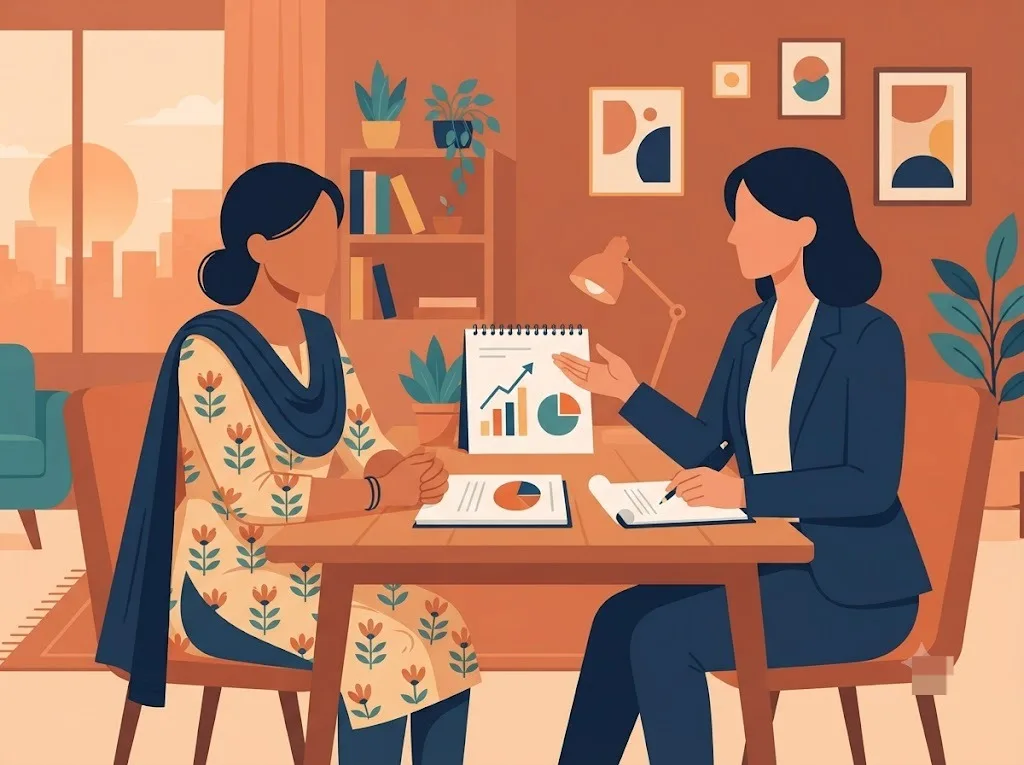
Credit counselling. A counsellor reviews your loans, income, and spending, then suggests a plan that fits. Here’s what credit counseling is, and when it helps most.
A debt resolution company. It handles consolidation or settlement for you, from paperwork to follow-up. Before you sign up anywhere, check how it charges and where your money is held.
That last check matters, because fake “debt help” is out there. Watch for these red flags:
Big upfront fees before any work is done
Promises of a fixed “% off” before anyone has seen your loans
Requests to pay into an agent’s personal account
Here’s how to tell if debt relief is a scam.
FREED is one of these companies. With its Loan Settlement Plan, your savings sit in an account in your own name, held by an independent trustee, and the fee is success-based.
If something has already gone wrong with a lender, the next section shows where to complain.
Want Someone to Look at the Whole Picture?
Start with your credit report, so you know every loan a counsellor will see.
Check My Credit InsightsHow Do You Escalate a Complaint About a Loan or Your Credit Report?
Part of debt management in India is knowing where to go when a lender gets it wrong. Here’s the escalation ladder, step by step:
Write to your lender’s grievance team. Describe the problem clearly, attach any proof, and keep the complaint number. Every bank and NBFC must have a grievance officer.
Escalate to the RBI Ombudsman if needed. For loans taken through apps or digital lenders, you can go to the RBI Ombudsman through RBI’s complaint portal if there’s no reply within 30 days, or if your complaint is rejected. The Ombudsman route generally exists for other bank and NBFC loans too.
Dispute credit report errors with the bureau. Raise the dispute with the bureau showing the wrong entry, and write to the lender too. The fix must happen within 30 days of your complaint, or you’re owed ₹100 for every day of delay. Here’s how to dispute and fix wrong entries.
Report harassment by recovery agents. RBI’s rules bar agents from intimidation, threats, and calls before 8 am or after 7 pm. Here’s the RBI complaint process for recovery agent harassment.
Use Lok Adalat for a dispute you want settled by agreement. A Lok Adalat is a people’s court where both sides can reach a settlement without a long case. Here’s how Lok Adalat loan settlement works.
Report fake loan apps or fraud. Use the national cybercrime portal (cybercrime.gov.in) or call the 1930 helpline. Here’s how to file a complaint against a fake loan app.
Put everything in writing at each step, and keep copies. A clear paper trail is what makes the next step on the ladder work.
The decision table in the next section puts all of these options in one place.
What the Law Says
RBI rules bar recovery agents from intimidation and from calling before 8 am or after 7 pm.
Get FREED Shield SupportWhich Debt Management Option Fits Your Situation?
Here’s every option for debt management in India, matched to the situation it suits:
Your situation | Best first option | Who to approach | Credit score effect |
|---|---|---|---|
EMIs under 50% of salary, no missed payments | Budget and repayment order | Yourself | Stable or improving |
Still paying, one loan getting tight | Restructuring | Your bank | Usually limited; ask your bank |
Still paying several loans, EMIs over 50% | Consolidation | A new lender (e.g. FREED’s Loan Consolidation Plan) | Doesn’t drop; tends to improve |
EMIs missed, genuinely unable to repay | Settlement | Your bank, or a debt resolution company (e.g. FREED’s Loan Settlement Plan) | “Settled” for up to 7 years |
Recovery calls turning abusive | Know your rights and report | Lender grievance team; FREED Shield | None |
Wrong entry on your credit report | Dispute | The credit bureau and the lender | Improves once corrected |
Unsure what to do | Bank counselling centre, or a counsellor | None |
Here’s how to use it. Find the row that sounds most like you right now, and start there. If two rows fit, start with the one higher up the table. The options near the top keep more doors open and do less to your credit score. Settlement sits lower down for a reason: it’s the option for when the ones above it are no longer possible.
Not sure which row you’re in? FREED’s EMI Score gives you a quick read on your EMI share. It shows whether you sit in the first row or further down.
How FREED Helps With Debt Management in India
Most borrowers don’t know which door to knock on. FREED covers two of them. FREED is India’s trusted loan management platform, and over 20 lakh people trust it. Its founding team brings 50+ years of debt-resolution experience from the US.
Loan Consolidation Plan (If You Can Still Repay)
If most of your salary goes towards paying multiple EMIs, FREED’s Loan Consolidation Plan helps you combine multiple loans into a single monthly EMI. This can reduce your monthly EMI burden by up to 50%.*
FREED assesses your profile and matches you to a lending partner from its network. One new loan pays off your unsecured loans and card dues at once, leaving one EMI on one date. Loan consolidation may initially cause a temporary dip in your credit score due to a new credit enquiry and loan account. However, consistent on-time repayments and reduced credit utilisation may help improve your score over time. The fee is success-based, charged only when the consolidation is done. FREED has helped consolidate over ₹320 crore in loans so far.
Not sure if you qualify? Talk to FREED’s team. They’ll assess your situation and let you know if you’re eligible.
Loan Settlement Plan (If You Genuinely Can’t Repay)
If you genuinely cannot repay your loans, FREED negotiates with your lenders to settle them for less than 50%* of your outstanding dues.
Your monthly savings go into a Special Purpose Account (SPA) in your own name, held by an independent trustee, not by FREED. You authorise each settlement before any bank is paid, and each account ends with a settlement letter from the bank. The first settlement typically happens within about 4 months of enrolling. FREED has settled 33,000+ accounts so far.
The fee is success-based, charged only when a settlement is done, and the evaluation fee is non-refundable.
And if recovery calls turn abusive or threatening, FREED Shield is available to everyone. FREED helps you understand your legal rights as a borrower, report inappropriate recovery practices, and raise complaints with your lender.
FREED handles unsecured loans only, like personal loans, credit cards, BNPL and app loans.
*Rates and ranges shown are indicative. Final terms decided by the bank. FREED is not a Loan Provider. No outcome is guaranteed. Please verify directly with your bank.
See Which Option Your Numbers Point To
Get a free score from 0 to 100 based on your income, savings and current loans. No effect on your credit score.
Check My EMI ScoreWhat Helps You Use These Debt Management Options Well?
Knowing the options for debt management in India is half the work. Using them well is the other half. These 5 habits help:
Act while you’re still paying. Restructuring, consolidation and balance transfers are all open while your record is clean. Once EMIs are missed, the list gets shorter.
Put every request and complaint in writing. Emails and letters can be quoted back later. Phone calls can’t.
Pay only into lender accounts. A real bank or NBFC names its own account or official payment channel. Never pay cash or into a personal account.
Check your credit report after any change. After a restructure, a consolidation or a settlement, confirm the report shows what actually happened.
Don’t stack a new loan on top while an option is under way. It undoes the work and adds a second problem.
If you use FREED’s Credit Insights, its monthly refresh lets you confirm each change reaches your report.
Find your row in the table, knock on that door first, and get the answer in writing. One option at a time is how debt gets smaller.

FREED Expert Tip
Before approaching any lender or company, pull your credit report. It shows every loan they’ll see, including small app loans you may have forgotten.
Check My Credit Insights
Mohit Juneja
Mohit Juneja is FREED’s Content & Communication Lead with 12+ years of experience across content, media, advertising and digital communications. He holds a postgraduate diploma in Communications from Xavier Institute of Communications, Mumbai, and has worked with organisations including NDTV, The Indian Express, McCann Worldgroup and NABARD.
At FREED, he leads content and communication across loan management, debt resolution, debt consolidation and financial well-being. His work combines research, storytelling and consumer-focused communication to make complex financial topics easier to understand and act on. He has also scripted and produced 11 documentaries on rural development and agriculture for NABARD, with film's selected for the Mumbai International Film Festival.
mohit.juneja@freed.care

FREED is India's trusted loan management platform. Founded in 2020 and headquartered in Gurugram, FREED has counselled 20 lakh+ people on personal loans, credit cards, and app loans. FREED charges fees only on successful settlement, not upfront. FREED does not handle secured loans (home loans, car loans, gold loans).
Media Mentions