Fake Loan App Harassment: Where to File a Complaint
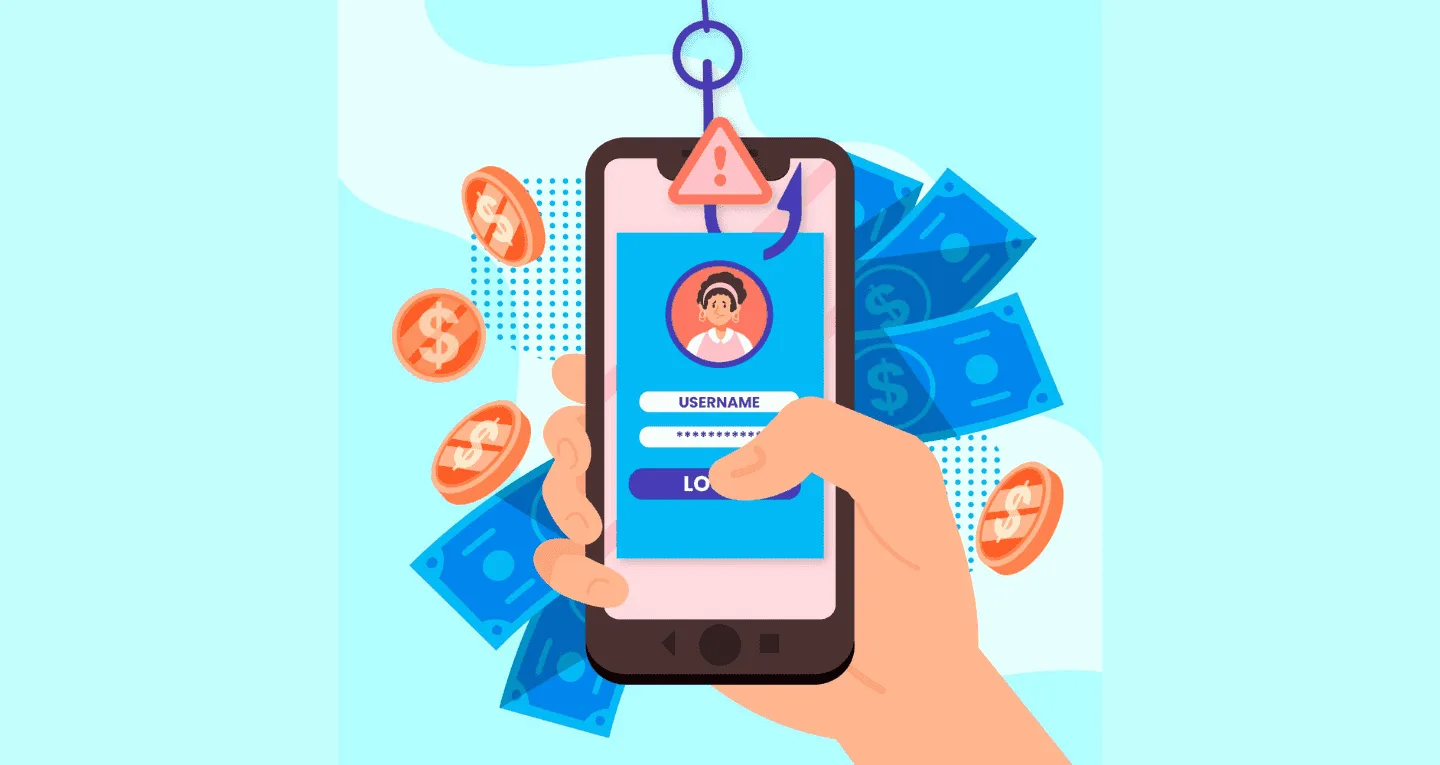
Fake loan app harassment doesn't go through the usual banking complaint channel, since an unregistered app falls outside the RBI Ombudsman's jurisdiction entirely. The right channel is RBI's Sachet portal, built specifically for unlicensed lending entities, alongside the National Cyber Crime Portal for the harassment itself.

Mohit Juneja
Reviewed by FREED India, Debt Resolution Specialists
 4.7/5
4.7/5 ₹3,200Cr+
 20,000+
 20,00,000+4.7/5₹3,200Cr+20,000+20,00,000+
Key Summary

Fake loan app harassment complaints go through RBI's Sachet portal, not the regular RBI Ombudsman channel.
The RBI Ombudsman generally does not cover complaints against unregistered apps, since its jurisdiction is limited to regulated entities
The Cyber Crime Portal (cybercrime.gov.in) or Helpline 1930 covers the harassment itself, calls, messages, and data misuse
Filing across multiple channels, Sachet, Cyber Crime, and local police for direct threats, works better than just one.
If harassment is causing serious distress, free confidential support is available through iCall and Vandrevala Foundation, alongside your legal options.
What Is Fake Loan App Harassment?
Fake loan app harassment comes from a lending app that isn't RBI-registered and isn't backed by a licensed bank or NBFC (Non-Banking Financial Company), with no disclosed regulated partner anywhere in its terms. It's often paired with aggressive recovery tactics, access to your phone contact list, and outright threats, well beyond what a legitimate lender is permitted to do under RBI's rules.
This piece assumes you already know or suspect the app you're dealing with fits that description. FREED's existing guide on illegal app loans in India, what they are, how the trap actually works, and the warning signs to watch for before borrowing, covers that identification question in full. If you're still trying to work out whether a specific app is legitimate in the first place, that's worth reading first, this article picks up from there, focused entirely on the practical question of where to actually file a complaint once harassment is already happening.
One thing worth stating plainly before anything else: Borrowing from a fake or unregistered app does not by itself make you the offender. The illegal conduct may lie with the operators if they are running an unlicensed lending operation, harassing borrowers, or misusing personal data. If the pattern of pressure you're facing sounds closer to a registered lender's recovery agent overstepping, rather than a fake app entirely, FREED's guide on how to handle bank recovery agents and know your rights covers that related but distinct situation.

Why Fake Loan App Complaints Need a Different Channel Than a Bank Complaint
This is the key insight this whole piece is built around, worth understanding clearly before filing anything anywhere.
A complaint against a bank or a registered digital lender goes to the RBI Ombudsman, filed through cms.rbi.org.in. But the RBI Ombudsman's jurisdiction covers regulated entities only: banks, NBFCs, and registered payment and credit information companies. A complaint against an unregistered app may be rejected on jurisdictional grounds, not because the harassment described isn't real or serious, but because the entity itself simply falls outside what that particular system was built to handle.
RBI's Sachet portal (sachet.rbi.org.in) exists specifically to close this exact gap. Launched in 2016 and run under the State Level Coordination Committee mechanism, it's built for complaints against unauthorised, unlicensed lending and deposit-taking entities, precisely the category a fake loan app falls into. This is a genuinely different problem from a dispute with a registered lender over loan terms or recovery conduct, the kind covered in FREED's guide on recovery agent harassment and the RBI complaint process, where the entity itself isn't in question, only its conduct is.
Here's why this distinction matters practically, and it's worth being direct about it: filing in the wrong place wastes time you genuinely don't have while harassment is ongoing. If there's any real doubt about whether an app is registered or not, filing with the Ombudsman first can still help clarify jurisdiction one way or the other. But knowing upfront that Sachet is very likely the correct venue for a fake app saves that detour entirely.

What the Law Says
RBI's Sachet portal exists specifically because the Ombudsman system only has jurisdiction over regulated entities, an unregistered lending app falls entirely outside it.
Talk to a FREED CounsellorWhat Can RBI Actually Do About Fake Loan App Harassment, and What Can't It Do?
It's worth splitting this cleanly, since RBI's actual role here is genuinely bounded, and understanding where that boundary sits keeps expectations realistic rather than leading to frustration later.
What RBI does: RBI maintains the Sachet portal specifically to receive and track complaints against unauthorised lending entities. Serious cases get routed to State Level Coordination Committees (SLCCs), bodies that bring together state police, state government departments, and RBI's regional offices specifically to act on illegal financial operators within that state. RBI also coordinates with the Ministry of Electronics and IT (MeitY) to get illegal apps blocked or removed from app stores, using takedown provisions under the IT Act. And RBI publishes and maintains lists of registered banks, NBFCs, and their disclosed digital lending partners, so an app's claimed backing can actually be checked against the real record.
What RBI can't do: RBI is a financial sector regulator, not a police force. RBI does not itself exercise police powers such as arrest or criminal investigation. For a genuinely unregistered entity, this limitation is even more direct: RBI never issued that entity a licence in the first place, so there's no licence to suspend and no ongoing regulatory relationship to enforce the way there is with an actual bank. If an account tied to a legitimate lender has instead gone past 90 days overdue and moved into recovery, that's a different track entirely, covered in FREED's explainer on NPA classification and the SMA recovery stages.
This is precisely why RBI's role narrows to flagging and coordinating once an entity is confirmed unregistered, rather than handling the matter entirely on its own. The actual criminal accountability, threats, extortion, and misuse of personal data run through the police and the Cyber Crime Portal, not through the RBI directly. This isn't RBI falling short at anything; it's simply the honest shape of what a financial regulator has legal authority to do. It's exactly why the multi-channel approach covered next isn't excessive caution; it's a genuine practical necessity given where RBI's authority actually stops.
Where Can You File a Complaint?
Channel | What It's For | How to File |
RBI Sachet Portal | The unregistered lending entity itself | |
National Cyber Crime Portal / Helpline 1930 | Harassment conduct, calls, messages, data misuse | |
Local Police / FIR (First Information Report) | Direct threats, morphed images, extortion, impersonation | Nearest police station |
National Consumer Helpline | Financial disputes, excess charges | 1915 |
Google Play Store Report | Flagging the app itself for review or removal | Report option on the app's store listing |
Using more than one of these together is genuinely more effective than relying on just one, since each channel is built to address a different piece of the situation. Sachet flags the illegal entity itself to the regulator. Cyber Crime addresses the harassment conduct specifically. Police involvement matters once things cross into direct threats or extortion. None of them alone covers the full picture, but filed together, they do. If your credit report has already picked up a mark from one of these apps and you're not sure what that entry actually means for your score, FREED's guides on what happens with a zero CIBIL score or a low CIBIL score against a loan app cover that side of the picture.

FREED Expert Tip
File on more than one channel the same day, Sachet for the app, Cyber Crime for the harassment. Each system tracks a different part of the problem.
Talk to FREED About Recovery HarassmentWhat Evidence Should You Gather Before Filing?
Organised evidence can make a complaint easier for the authorities to review than a verbal account alone, and everything worth gathering here is already sitting on your own phone and in your own bank records, nothing requires re-engaging with the app or its agents directly.
Screenshots of the app's listing, loan terms, and any sanction or disbursal screen. This documents what was actually offered and agreed to at the time of borrowing, which matters if the terms later shift or get disputed.
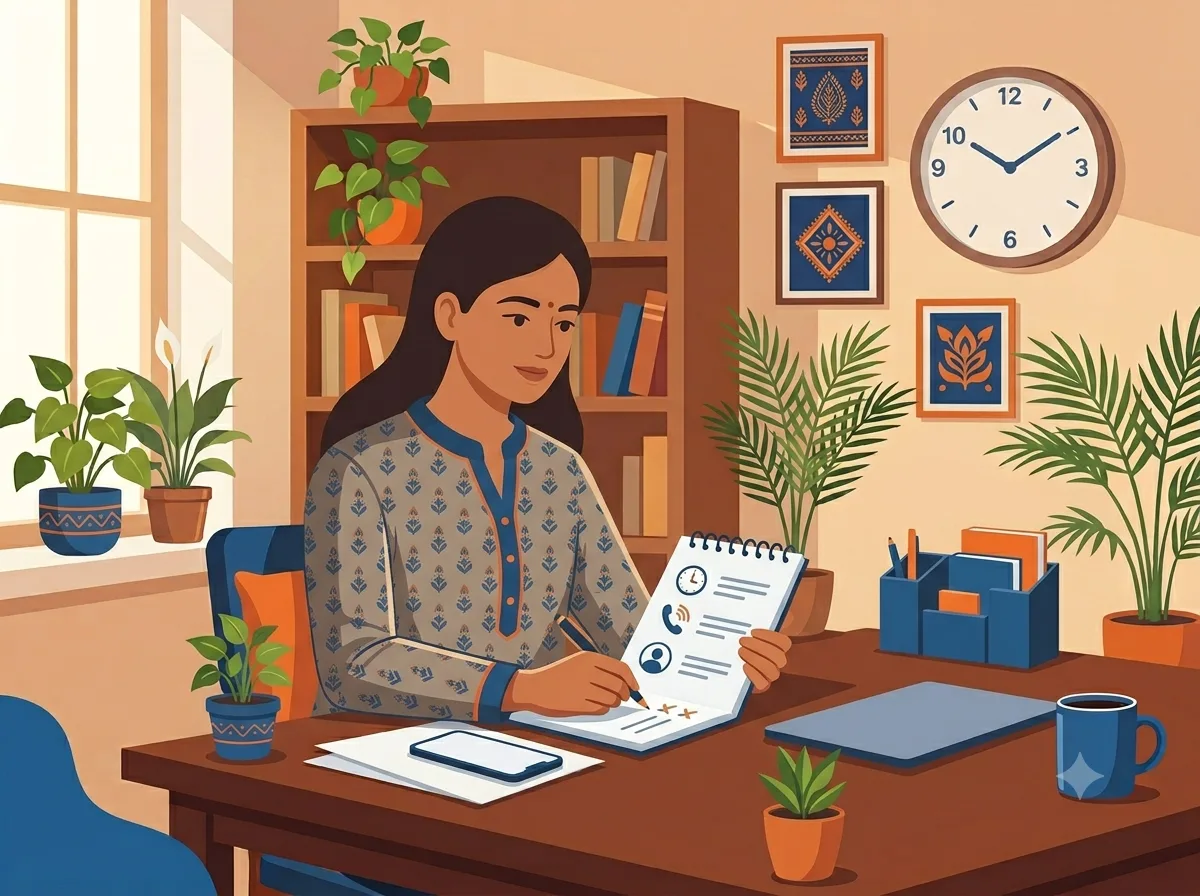
Every call and message, with date, time, and what was said, plus screenshots of any SMS or WhatsApp threats. A dated, timestamped record is significantly harder to dismiss than a general description of "they kept calling and threatening me."
Bank statement entries showing money in and repayments out. This matters for both a Sachet complaint and any eventual police complaint, since it establishes the actual financial trail independent of what the app itself claims.
A copy of your PAN and Aadhaar, alongside a clear, written narrative of what happened, laid out in order. A calm, chronological account, this happened, then this happened, then this happened, is far easier for any authority to act on quickly than scattered details recalled under stress.
How to File on RBI Sachet and the Cyber Crime Portal
These are the two most important portals to actually get a complaint moving, worth walking through in sequence.
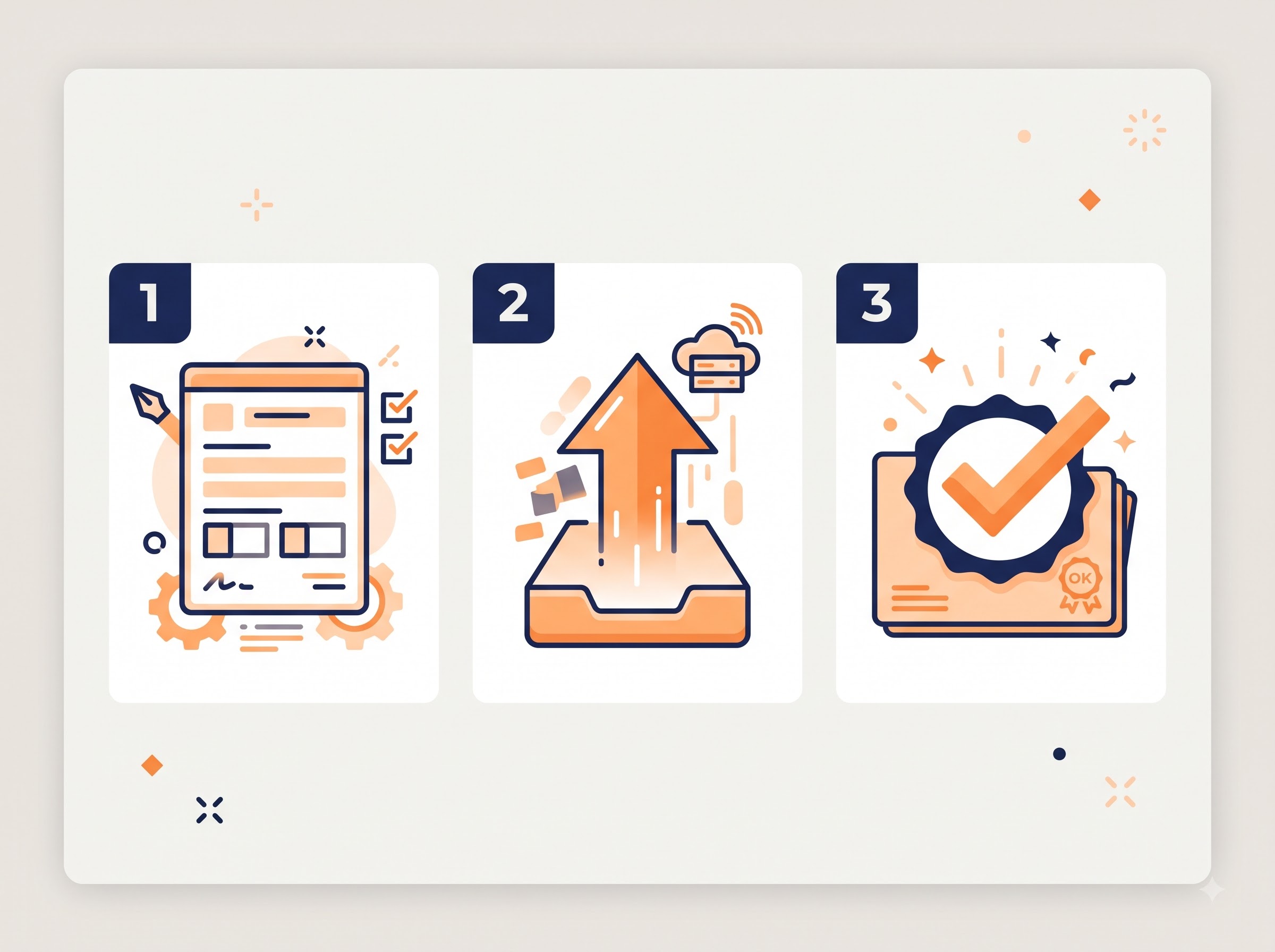
On RBI Sachet: Select the complaint category for an unregistered lending entity. Enter the app's name and whatever details you have about the entity behind it. Attach the evidence gathered in the previous section. Submit and save the reference number you're given.
On the Cyber Crime Portal: Choose the harassment or "Other Cyber Crime" category, or the specific women/child category if it applies to your situation. Describe the incidents with dates attached to each one. Attach your screenshots. For urgent cases, you can also call Helpline 1930, staffed 24 hours a day specifically for this kind of reporting.
In both cases, the single most important thing to hold onto afterward is the complaint reference number. This is what you'll need for any follow-up, status check, or later escalation, so keep it somewhere you won't lose track of it. FREED Shield can help organise the evidence and the written narrative before you file; though the borrower submits the complaint themselves, the filing itself isn't something FREED does on your behalf.
What Happens After You File?
It's worth setting honest expectations here rather than promising more than any of these systems actually deliver.
Timelines vary meaningfully by channel and by the specifics of the case, and neither Sachet nor the Cyber Crime Portal publishes a fixed, guaranteed response window. Filing a complaint addresses the harassment and flags the illegal entity to the relevant authorities, but it doesn't automatically resolve the underlying debt question on its own; whether or how much you owe can remain a separate, genuinely case-specific legal matter depending on the details.
If the app has already reported something to a credit bureau, that entry can potentially be disputed, citing your complaint reference number and any FIR filed alongside it as supporting grounds for the dispute. This is worth raising directly when you follow up with the bureau, rather than assuming an incorrect entry will correct itself automatically. If it turns out the underlying debt itself, whether from this app or from other loans on top of it, is genuinely what's overwhelming you, that's a separate thread worth pulling on too, and FREED's overview of how debt consolidation can improve your financial management is worth a look once the harassment side is under control.
What matters more than any single filing is persistence, following up on each complaint you've submitted and keeping careful records of every submission and every response received. Systems like these move at their own pace, and staying on top of the paper trail is usually what actually keeps a case moving forward.
What the Law Says
A Sachet complaint number or FIR may support a dispute if you believe an incorrect entry has been reported to a credit bureau.
Talk to a FREED CounsellorIf This Is Feeling Like Too Much Right Now
It's worth acknowledging plainly that this situation, especially when harassment has reached people close to you, can genuinely be distressing, and that's a normal response to an abnormal situation, not something to push through silently.
Free emotional support is available separately from the legal steps covered in this article. If the harassment is causing serious distress, consider reaching out to a trusted mental health support service or a qualified professional.
How FREED Helps
FREED does not file complaints on a borrower's behalf, and it doesn't directly stop harassment calls or messages from an app. It's worth being precise about that upfront rather than overstating what FREED Shield actually does.
When recovery conversations cross the line into abusive, threatening, or harassing behaviour, FREED provides an added layer of support through FREED Shield, a dedicated borrower-support service. FREED Shield helps you understand your rights as a borrower and can assist you in preparing and submitting a complaint through the appropriate channels where necessary.
In practice, that means FREED Shield helps a borrower understand which of the channels covered in this article actually apply to their specific situation, helps organise the evidence into something clear and usable, and helps prepare the narrative and complaint content itself, but the borrower is the one who submits it. If the underlying debt situation, on this app or others, is also genuinely unmanageable alongside the harassment, that's a separate matter, and FREED's Debt Consolidation Program or Debt Resolution Program address that side specifically, once the harassment itself is being handled through the right channels.
What Helps Protect You Going Forward
- Check an app's disclosed RBI-regulated partner before installing it, not after taking a loan. A legitimate lending app is required to name the actual bank or NBFC funding the loan upfront. If that name is missing, vague, or unverifiable, treat that as a warning sign before you borrow, not after.
- Keep screenshots of loan terms and communications from the moment of borrowing, not after a dispute starts. Evidence gathered from day one is always stronger than evidence reconstructed from memory once things have already gone wrong.
- Know the right channel before it's needed. Sachet for the entity, Cyber Crime for the conduct, police for direct threats, having this mapped out in advance means you're not researching it for the first time while already under pressure.
- If juggling multiple loans, legitimate or otherwise, is part of what's overwhelming right now, that's worth addressing separately. Harassment and debt load are two different problems, and both deserve their own proper attention rather than one crowding out the other, whether that means understanding the pros, cons, and ideal situations for debt consolidation or simply talking through where things stand.
None of this is about avoiding loan apps altogether; plenty are entirely legitimate. It's about verification and knowing the process before you ever need it, which puts you in a genuinely stronger position from the start.
Source
Claim | Source |
RBI's Sachet portal is the designated channel for complaints against unregistered lending and deposit-taking entities, run under the State Level Coordination Committee mechanism | sachet.rbi.org.in, Reserve Bank of India |
The RBI Ombudsman system's jurisdiction is limited to RBI-regulated entities; unregistered apps fall outside it | RBI Integrated Ombudsman Scheme (RB-IOS) |
The National Cyber Crime Reporting Portal and Helpline 1930 handle cybercrime and financial fraud reporting, operated 24/7 by the Indian Cyber Crime Coordination Centre (I4C) under the Ministry of Home Affairs | cybercrime.gov.in, Ministry of Home Affairs |
The National Consumer Helpline is reachable at 1915 (or 1800-11-4000) | consumerhelpline.gov.in, Department of Consumer Affairs |

Mohit Juneja
Mohit Juneja writes educational content at FREED on debt management, credit scores, loan repayment, and borrowing best practices. His content is shaped by expert insights and industry knowledge, helping readers better understand their financial options and make informed decisions.
mohit.juneja@freed.care

FREED is India's trusted loan management platform. Founded in 2020 and headquartered in Gurugram, FREED has counselled 20 lakh+ people on personal loans, credit cards, and app loans. FREED charges fees only on successful settlement, not upfront. FREED does not handle secured loans (home loans, car loans, gold loans).
Media Mentions