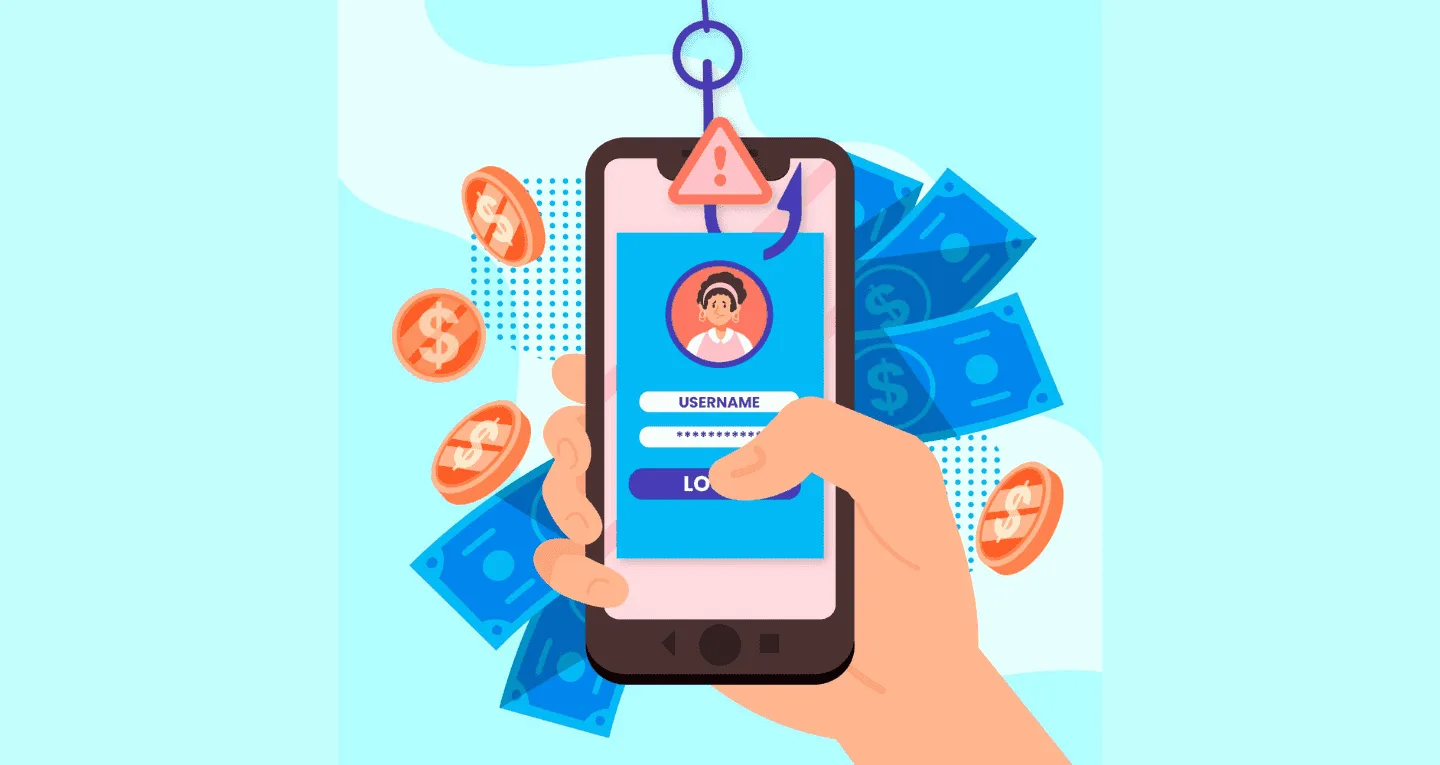
Fake Loan App: What to Do If You Are Facing This
If you're being harassed by an app that appears fraudulent, unauthorised, or involved in unlawful recovery practices, knowing that you can file a complaint is not the same as knowing what to write. This piece gives you a real template for both the cybercrime portal and RBI's Sachet portal, plus guidance for a situation the general advice rarely covers, being harassed about a loan that isn't yours at all.

Mohit Juneja
Reviewed by FREED India, Debt Resolution Specialists
 4.7/5
4.7/5 ₹3,200Cr+
 20,000+
 20,00,000+4.7/5₹3,200Cr+20,000+20,00,000+
KEY TAKEAWAYS

A vague complaint ("this app is harassing me") moves slower than a specific one with dates, screenshots, and named tactics. This piece gives you the actual structure to use.
The RBI Sachet portal and the cybercrime portal serve different purposes. File with both, they aren't interchangeable.
If you're being threatened about someone else's loan, you may have independent grounds to report harassment, threats, or misuse of your personal information. You do not become responsible for another person's debt merely because your number was obtained from their contacts.
None of this requires waiting to see if the harassment stops on its own first.
What This Piece Assumes You Already Know
This piece doesn't re-cover what makes a loan app illegal, the warning signs to watch for, or the full explanation of your legal rights as a borrower. That ground is already covered thoroughly in FREED's guide on illegal app loans.
What this piece assumes is that you're past that point. You already know, or strongly suspect, that you're dealing with an illegal or predatory app, and you're ready to actually act, not read more background on the problem.
If you haven't read that foundational piece yet, start there. It covers what to look for and why these apps operate the way they do. Come back here once you're ready for the specific, practical part: what to actually write down and file.

Freed Expert Tip
If you're in immediate distress because of this harassment, that matters more than any complaint process. Reach out to iCall (9152987821) or Vandrevala Foundation (1860-2662-345) first, both are free and confidential.
Talk to FREED's TeamWhat to Actually Write in a Cybercrime Complaint
A specific complaint with dates, evidence, and details of the alleged conduct can help authorities understand the incident and assess the appropriate action. However, processing time and outcomes will vary. Here's the structure worth using.
Start with the app's name and platform, the exact name as it appeared in the app store or wherever you downloaded it, not a rough description. Follow that with a dated timeline of events: when you installed the app, when the loan was disbursed, when the harassment first began, and every subsequent incident, each with its own date and time. A timeline with gaps or vague windows ("sometime last month") is far weaker than one with specific dates attached to each entry.
Name the specific tactics used, plainly and directly. Calls made to your contacts, messages sent to family or your employer, morphed images, threats of arrest or an FIR. Where you still have the exact threatening language, quote it directly rather than paraphrasing it.
Attach evidence for everything above it. Screenshots of messages, call logs, any images sent to your contacts, and the loan agreement or in-app terms if you still have access to them.
Clearly state what you are requesting, such as investigation into the alleged conduct, protection from further threats, and acknowledgement or a complaint reference number where available through the relevant reporting channel.
Specificity is what moves a complaint forward. "This app is harassing me" gets far less traction than a dated, evidenced account of exactly what happened and when.
What to Actually Write in a Sachet Portal Complaint
This is a separate filing from the cybercrime complaint, not a duplicate of it. The Sachet portal can be used to report certain complaints involving unauthorised financial activities. Its role is different from the National Cybercrime Reporting Portal, which is intended for reporting cybercrime incidents. The appropriate reporting channel depends on the nature of the complaint. Its purpose is regulatory action against the entity itself, which is a different track from the criminal investigation a cybercrime complaint sets in motion.
Your Sachet complaint should establish a few specific things. The app's name, and any NBFC or bank it claims as a partner, or the explicit absence of one if it names no regulated partner at all. The interest rate and fees actually charged, set against whatever was disclosed to you before you borrowed, if anything was disclosed at all. And whether a Key Fact Statement, the standardised, plain-language cost summary regulated digital lenders are required to give borrowers before disbursement, was ever provided to you.
Filing both complaints matters, and neither substitutes for the other. A cybercrime report can document suspected criminal conduct, such as threats, fraud, or misuse of personal information. A Sachet submission may be relevant where the complaint concerns unauthorised financial activity. These channels serve different functions, and neither guarantees a particular investigative or regulatory outcome. They serve genuinely different purposes, and treating one as sufficient on its own leaves the other half of the problem unaddressed.
If You're Not the Borrower: Being Harassed About Someone Else's Debt
Illegal apps commonly harvest the borrower's phone contacts at installation. That means people who never borrowed anything at all, family members, friends, colleagues, can start receiving threatening messages or calls about a debt that isn't theirs.
If this is you, your position is clear. You have no legal obligation whatsoever connected to someone else's loan. Repeated threatening, abusive, or privacy-invasive contact about another person's debt may constitute harassment or another legal violation, depending on the conduct and circumstances. Document the contact and report it through the appropriate channels.
The practical first step here is specific to this situation. Don't engage with the app or its agents directly. Instead, if you know who the actual borrower is, contact them, since they need to know their contacts are being targeted this way, often without their knowledge. Document what you've received the same way the borrower would, screenshots, call logs, and dates, even though the debt itself has nothing to do with you.
You can file the same cybercrime complaint described above, in your own name. You don't need to be the borrower to have standing to report this. Being harassed is enough on its own.

Received Threats About a Debt That Isn't Yours?
Talk to FREED about what you're seeing.
Book My Free CallWhat Happens After You File: Realistic Expectations
Filing a complaint doesn't guarantee the harassment stops immediately, particularly if the app's operators are based outside the easy reach of Indian enforcement. It's worth setting your expectations around this rather than assuming a fast, clean resolution.
Keep your own documentation going even after you've filed. Continued harassment after filing may provide additional evidence. Record each subsequent incident and, where appropriate, update the investigating authority or reporting channel using your complaint reference.
Follow up using whatever reference number you were given, rather than assuming silence means nothing is happening behind the scenes. A registered complaint moving slowly is still a different situation from no complaint existing at all.
What Are Your Options for the Underlying Debt
If the original loan amount is genuinely small and repayable, FREED's fuller guide on illegal app loans covers how to handle that repayment safely, without it turning into more leverage for the app to use against you.
If the amount has multiplied well beyond what you actually borrowed, through rollovers, penalty charges, or fees that were never disclosed to you, those additional charges may not be legally enforceable at all. This is worth confirming once your cybercrime complaint is filed, since that filing itself becomes part of the record establishing what actually happened.
If you also have separate, genuine unsecured debt from legitimate lenders that's becoming difficult to manage, that's a different problem from the fake app situation entirely, and it needs its own answer. Consolidating that debt is worth understanding first if you're still able to pay. Settlement is not something a borrower chooses out of preference. Banks only consider it when someone is genuinely unable to repay in full.
How FREED Helps
FREED doesn't file cybercrime or Sachet complaints on your behalf. That's a direct process you, or the person being affected, needs to initiate yourself, using the structure covered above.
What FREED does help with is the separate, genuine debt picture, legitimate unsecured loans and credit cards, once the illegal app situation itself is being addressed through the right channels. That's a distinct problem from the harassment, and it deserves its own plan rather than getting lost in the more urgent issue.
Tips for Getting Through This
- File both complaints, cybercrime and Sachet. Don't treat one as sufficient on its own, they address different halves of the problem.
- Keep documenting even after filing. Continued harassment is further evidence, not a sign the process failed.
- If you're a contact rather than the borrower, don't feel obligated to engage with the app at all. Document and report in your own right instead.
- Reach out for emotional support if this is genuinely overwhelming. That's not separate from handling the practical side properly, it's part of handling it properly.
If you are experiencing thoughts of self-harm related to loan app harassment, please reach out to iCall (9152987821) or the Vandrevala Foundation (1860-2662-345), both are free and confidential.
Freed Expert Tip
Save every piece of evidence in one place, a single folder or album, from the very first message. Scattered documentation is harder to use later than an organised record kept from day one.
Talk to FREED's TeamSources
Claim | Source |
Cybercrime portal handles harassment/criminal complaints; Sachet portal handles unauthorised lending entity complaints | Consistent with FREED's published guidance in illegal-app-loans-in-india |
RBI Digital Lending Guidelines require a disclosed NBFC/bank partner and a Key Fact Statement before disbursement | RBI Digital Lending Guidelines, 2022 |
Harassment of non-borrowers via harvested contacts is a violation under IT Act provisions | Consistent with FREED's published guidance in illegal-app-loans-in-india |

FREED is India's trusted loan management platform. Founded in 2020 and headquartered in Gurugram, FREED has counselled 20 lakh+ people on personal loans, credit cards, and app loans. FREED charges fees only on successful settlement, not upfront. FREED does not handle secured loans (home loans, car loans, gold loans).
Media Mentions