Balance Transfer Credit Card in India: Best Options and How to Apply
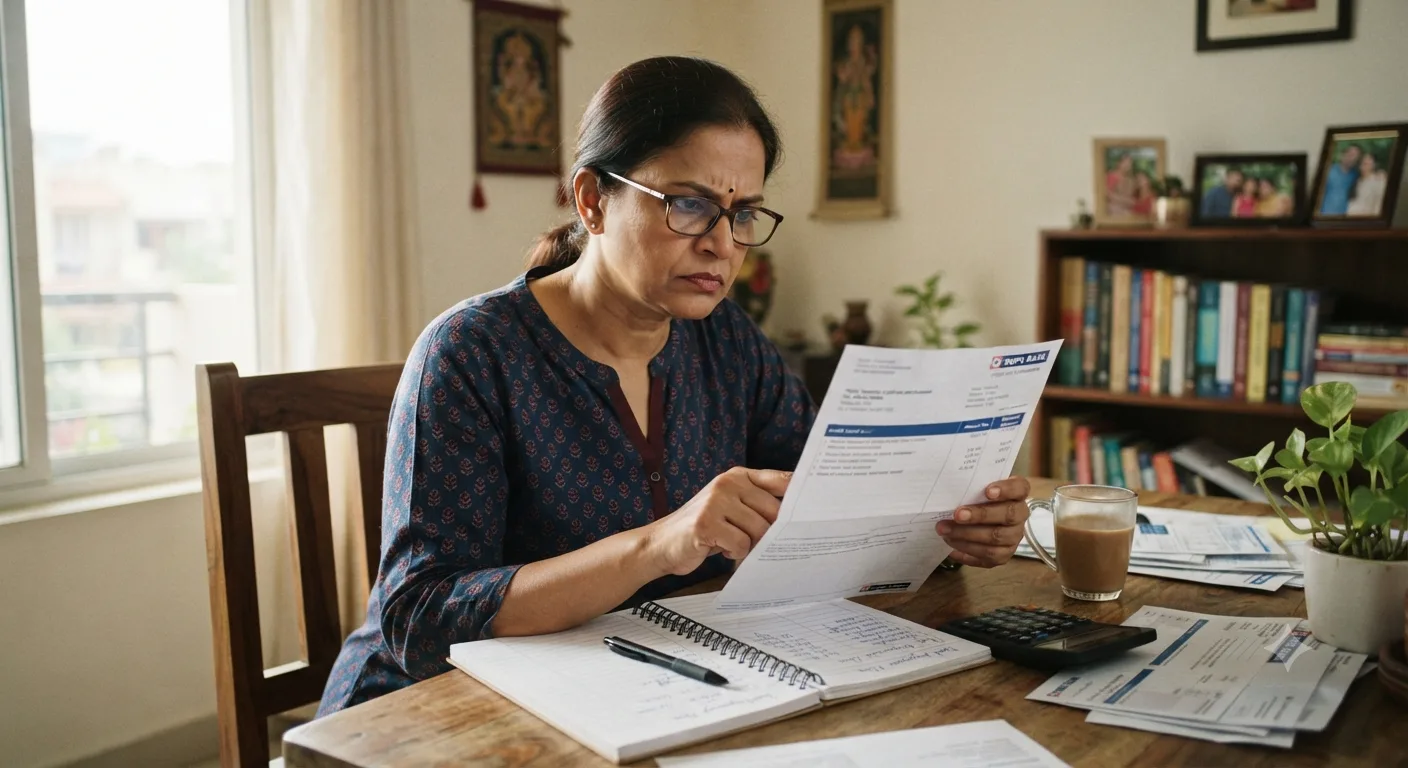
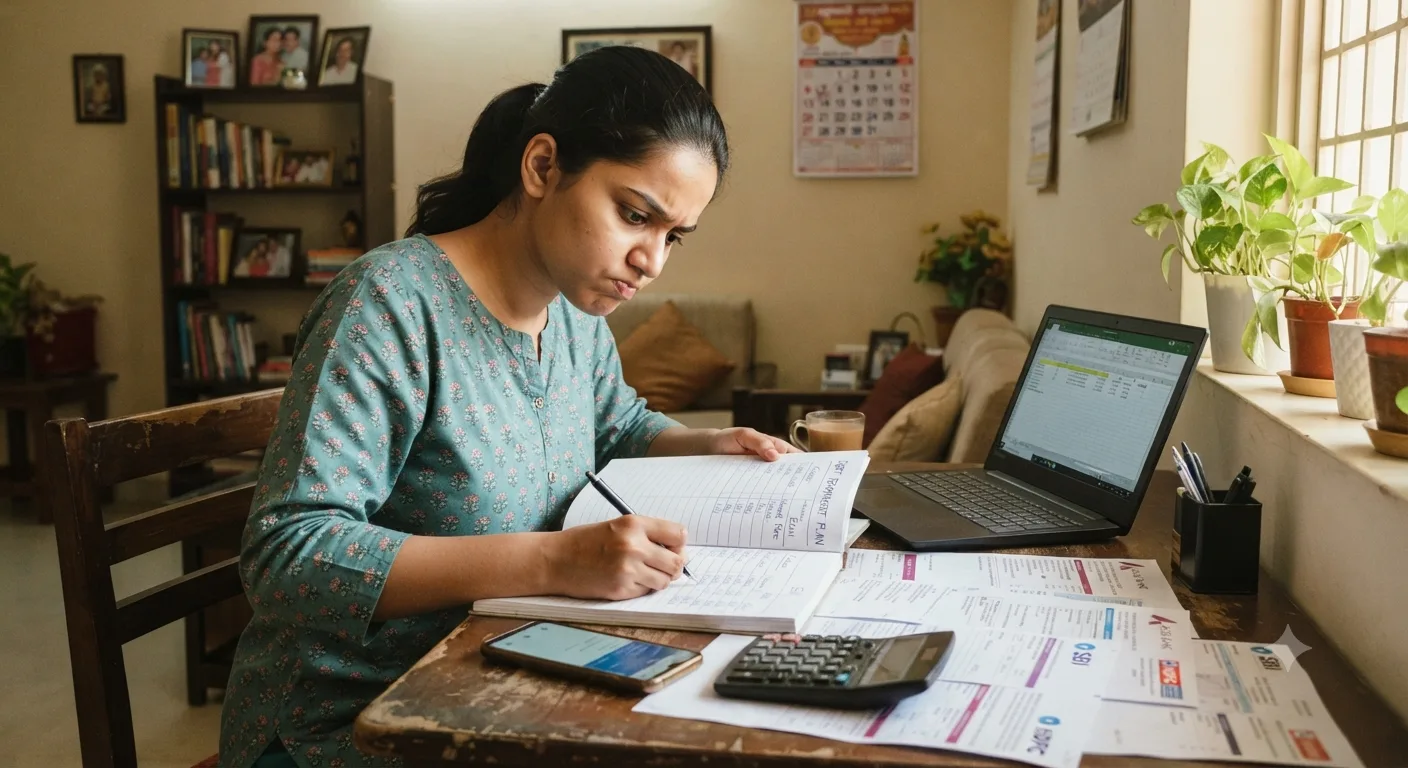
A balance transfer credit card lets you move the money you owe on one credit card to another card, usually one that charges lower interest for a fixed period. The new bank pays off your old card. You then repay the new bank, at a lower rate, for a set number of months. It does not clear your debt. It reduces what you pay in interest while you clear it.

Mohit Juneja
Reviewed by FREED India, Debt Resolution Specialists
 4.7/5
4.7/5 ₹3,200Cr+
 20,000+
 20,00,000+4.7/5₹3,200Cr+20,000+20,00,000+
KEY TAKEAWAYS

Credit cards in India charge 36%–48% interest per year if you don't pay in full. A balance transfer can bring this down to 0%–18% for a limited period.
The offer is temporary. After the promotional period ends, the normal rate kicks back in, usually 36%–42% per year.
Miss even one payment and the promotional rate disappears immediately on most cards.
Processing fees of 1%–3% of the transferred amount apply on most balance transfers, plus 18% GST on the fee.
A balance transfer is not a solution if your spending hasn't changed. It buys you time. What you do with that time is what matters.
How Does a Balance Transfer Credit Card Work?
Credit cards charge interest every month on whatever balance you carry. In India, that rate is typically 3%–3.75% per month, which is 36%–45% per year.
If you owe Rs. 1 lakh and you're paying only the minimum due each month, most of your payment goes toward interest, not toward reducing what you actually owe. The balance barely moves.
A balance transfer credit card changes this. You apply to a new bank. That bank pays off your old card directly. Your outstanding now sits with the new bank at a much lower rate, usually for 3 to 6 months.
Here's what that looks like in plain numbers. You owe Rs. 1 lakh on your card at 3.5% per month. A new bank offers you a balance transfer at 0.5% per month for 6 months. You pay a processing fee of 1%, which is Rs. 1,000 upfront. Over 6 months, your interest cost drops from roughly Rs. 21,000 to Rs. 3,000. Net saving: around Rs. 17,000, even after the fee.
That's the case when it works.
The key condition: you must clear the balance before the promotional period ends. If you don't, the rate jumps back to 36%–42% per year on whatever is left. You're back where you started.
Who Should Consider a Balance Transfer Credit Card?
A balance transfer makes sense in specific situations. Not for everyone.
It works well if:
- You have a large credit card outstanding, typically Rs. 20,000 or more, that's building up interest every month
- You haven't been able to pay the full balance for 2 or more months in a row
- Many lenders may prefer applicants with stronger credit profiles, although eligibility varies.
- You have a real plan to clear the transferred amount within the promotional window, not just pay the minimum
- Your income is stable enough to make the monthly payments without borrowing more
It doesn't work if:
- You plan to pay only the minimum each month. Minimum payments on a 6-month transfer won't clear the balance in time.
- You've already missed EMIs. Most banks won't approve a balance transfer if your existing card has overdue payments.
- The outstanding is small. A 1% processing fee plus GST on Rs. 15,000 is around Rs. 180 in fees alone. Not worth the effort.
- You haven't figured out why the balance is growing. A balance transfer is a breathing space. If the habit that created the debt is still running, you'll end up with two cards to manage and no progress.
How to Do a Credit Card Balance Transfer, Step by Step
The process is simpler than most people expect.
- 1
Step 1: Check your existing card's outstanding balance
Log in to your card account or check the latest statement. Note the exact amount you want to transfer.
- 2
Step 2: Check your CIBIL score before applying
Most banks approve balance transfers for cardholders with a CIBIL score of 700 or above. Below that, approval is possible but the rate offered may be no better than what you're already paying. Checking the score before applying also helps avoid unnecessary hard enquiries, which may be considered by lenders when assessing future applications.
- 3
Step 3: Log into the new bank's app or website
Most banks, including SBI, HDFC, and ICICI, allow you to check and apply for balance transfer offers directly through their credit card app or website, look under sections labelled "Benefits", "Balance Transfer", or "EMI & Offers" (exact labels vary by bank and may change with app updates). No branch visit needed. Check if you're pre-approved for a transfer offer. For
- 4
Step 4: Do the full cost calculation before agreeing
Add up: processing fee + GST on the fee + total interest at the new rate for the number of months you'll need. Compare this to what you'd pay if you stayed on your old card for the same period. If the saving is meaningful, proceed.
- 5
Step 5: Submit the request with your old card details
You'll need the old card number, the outstanding amount, the bank name, and the account details. Most banks process the transfer in 5–7 working days.
- 6
Step 6: Keep paying your old card's minimum until the transfer confirms
During the 5–7 day window, continue making the minimum payment on your old card. If you stop and the transfer gets delayed, you'll get a late payment mark on your CIBIL report.
- 7
Step 7: Verify the old card shows zero balance after transfer
Once the transfer is done, check your old card statement directly. Don't rely only on the new bank's confirmation. Confirm the balance has been received and the old account shows nil outstanding.
- 8
Step 8: Set an auto-payment instruction immediately
The most expensive mistake in a balance transfer is missing a payment. Set an auto-payment (called a NACH mandate, which is the permission you give the bank to debit your account automatically) for at least the minimum due on the new card, starting from the first month.

FREED Expert Tip
Divide your total transferred balance by the number of months in the promotional period. That's what you should pay each month, not the 5% minimum the bank asks for. Pay only 5% and you won't clear the balance in time. The full rate kicks back in on whatever is left.
Calculate Your Repayment PlanWhat Are the Charges on a Balance Transfer Credit Card?
This is where most people get caught off guard.
Processing fee: Most banks charge 1%–3% of the transferred amount. On Rs. 1 lakh, that's Rs. 1,000–Rs. 3,000 before you start.
GST: 18% applies on the processing fee. On a Rs. 2,000 processing fee, that's an additional Rs. 360.
Revert rate: This is the real cost. If you miss even one payment, or don't clear the balance before the promotional period ends, the standard credit card rate applies immediately, usually 36%–42% per year on the entire remaining balance. Not just what you missed. On everything still owed.
Late payment fee: Rs. 500–Rs. 1,300 per missed payment, depending on the outstanding amount.
Foreclosure fee: If you want to pay off the balance transfer early, before the promotional period ends, some banks charge 1%–3% of the remaining balance. Others waive this. Check before signing.
Here's a worked example. You transfer Rs. 2 lakh at 1% per month for 6 months, with a 2% processing fee.
- Processing fee: Rs. 4,000 + Rs. 720 GST = Rs. 4,720 upfront
- Interest over 6 months at 1% per month: approximately Rs. 12,000
- Total cost: Rs. 16,720
Compare this to staying on the old card at 3.5% per month for 6 months:
- Interest: approximately Rs. 42,000
Net saving: around Rs. 25,000, after fees. Worth it, if you clear the balance in 6 months.
Rates and ranges shown are indicative. Final terms decided by the bank. FREED is not a Loan Provider. No outcome is guaranteed. Please verify directly with your bank.
Which Banks Offer a Balance Transfer Credit Card in India?
The main options available in India as of 2026:
SBI Card
Offers 0% interest for 60 days. After that, a monthly rate applies for up to 6 months. One of the few cards in India with a genuine 0% promotional period. Processing fee of Rs. 199 or 1.5% of the amount (whichever is higher) applies. You can transfer up to 75% of your new card's credit limit.
HDFC Bank
Balance Transfer on EMI converts your outstanding into EMIs at a lower rate. No documentation required for existing HDFC cardholders. Repayment period from 9 to 48 months. Based on card relationship and credit profile.
ICICI Bank
Transfer from other bank cards up to Rs. 3 lakh. 3-month or 6-month EMI options. Processing fee 1%–5% of the transferred amount. Minimum Rs. 15,000 outstanding on the old card to be eligible. Apply by SMS (BT to 5676766) or through the ICICI app.
Standard Chartered
Balance transfer up to Rs. 5 lakh from any bank's credit card. Monthly rate of 0.99% for the first 6 months. Zero documentation required. NEFT disbursal in 3 working days.
Axis Bank
Transfer amounts from Rs. 5,000 to Rs. 3 lakh. EMI options of 3, 6, or 12 months. Processing fee applies.
RBL Bank
Repayment periods of 3, 6, or 12 months. Up to 5% transaction fee. Good for flexible tenure options.
Interest rates, fees, and offers change frequently. Always confirm the exact terms directly with the bank before applying. The rate advertised is not always the rate you'll receive. Your final rate depends on your CIBIL score and the bank's assessment of your profile.

What the Law Says
Under RBI's Credit Card Directions 2022, banks must provide a Key Fact Statement (KFS), which is a one-page document showing the full cost of the credit card offer, including the effective annual interest rate, all fees, and the revert rate after the promotional period, before you agree to any balance transfer. If the bank does not give you this, ask for it. You are entitled to it.
Review Your Balance Transfer OfferWhat Are the Real Traps in a Balance Transfer Credit Card?
Most articles about balance transfers focus on savings. Here's what they tend to skip.
The revert rate trap
The promotional rate is 0.99% per month. The standard rate after it ends is 3.5% per month, which is 42% per year. If you have Rs. 50,000 still outstanding when the 6 months end, you're back to the old problem, on a new card.
The minimum payment trap
Banks ask for 5% of the outstanding as the minimum monthly payment. If you owe Rs. 1 lakh and pay only Rs. 5,000 per month, you won't clear the balance in 6 months. You'll clear Rs. 30,000 and owe Rs. 70,000 at the revert rate.
The new spending trap
Some people transfer the balance to the new card and then continue spending on their old card. Now they have 2 cards with outstanding amounts. The balance transfer helped with neither.
The approval trap
The promotional rate in the ad is the best-case rate for the best-case applicant. Your actual rate depends on your CIBIL score, your income, and your card history. You may be offered 2% per month instead of 0.99%.
The CIBIL impact at approval
Applying for a new card creates a hard enquiry that lenders may consider when assessing future applications. If your score is already under pressure, applying and getting rejected makes it worse.

What If a Balance Transfer Doesn't Solve the Problem?
A balance transfer gives you 3 to 6 months of breathing room. It works well when your outstanding is manageable and income is stable.
When it doesn't work, when the balance is too large, the income too irregular, or missed payments already on record, the balance transfer is just a delay.
In those situations, there are steps to consider, in this order:
Talk to your bank about changing your repayment plan. Ask if the outstanding can be converted to a longer EMI schedule at a lower rate. Banks do offer this for cardholders in genuine difficulty.
Merging all debts into one lower payment. If you have multiple credit cards and personal loans, a debt consolidation plan can bring everything into one monthly amount that's easier to manage.
If you have 2–3 missed EMIs and recovery calls have started, the situation has moved past what a balance transfer can fix. Talking to a FREED counsellor can help you understand what your real options are, with no commitment required.
When Loan Settlement May Be the Remaining Option
Settlement is not something a borrower chooses out of preference. Banks and financial companies only consider it when you are in genuine financial difficulty and are truly unable to repay the full amount. It is a last resort, not a shortcut.
When someone has tried a balance transfer, asked the bank for EMI changes, and still cannot keep up, settlement is the remaining option for unsecured debt. That includes credit card outstanding, personal loans, BNPL, and loan apps. It does not apply to secured loans like home loans or car loans.
In a settlement, the bank agrees to accept a one-time payment that is less than the total amount owed. The account ends with a Settled status. FREED helps borrowers settle their unpaid/overdue loans at up to 50% less*. The exact figure ultimately depends on your bank.
The cost to know about: the "Settled" mark stays on your CIBIL report for up to 7 years. This affects future credit access. Settlement is not a clean exit. It is an honest exit when nothing else works.
FREED handles the paperwork, prepares the documents, drafts the settlement letters, and manages the back-and-forth with the bank. A counsellor explains what to expect at every stage.
Rates and ranges shown are indicative. Final terms decided by the bank. FREED is not a Loan Provider. No outcome is guaranteed. Please verify directly with your bank.

Mohit Juneja
Mohit Juneja writes educational content at FREED on debt management, credit scores, loan repayment, and borrowing best practices. His content is shaped by expert insights and industry knowledge, helping readers better understand their financial options and make informed decisions.
mohit.juneja@freed.care

FREED is India's trusted loan management platform. Founded in 2020 and headquartered in Gurugram, FREED has counselled 20 lakh+ people on personal loans, credit cards, and app loans. FREED charges fees only on successful settlement, not upfront. FREED does not handle secured loans (home loans, car loans, gold loans).
Media Mentions