Let’s talk
about Loans
















75,000+
Customers served

₹450 Cr+
Total savings

4.8/5
Google rating
Browse Topics
5 CategoriesLatest Articles
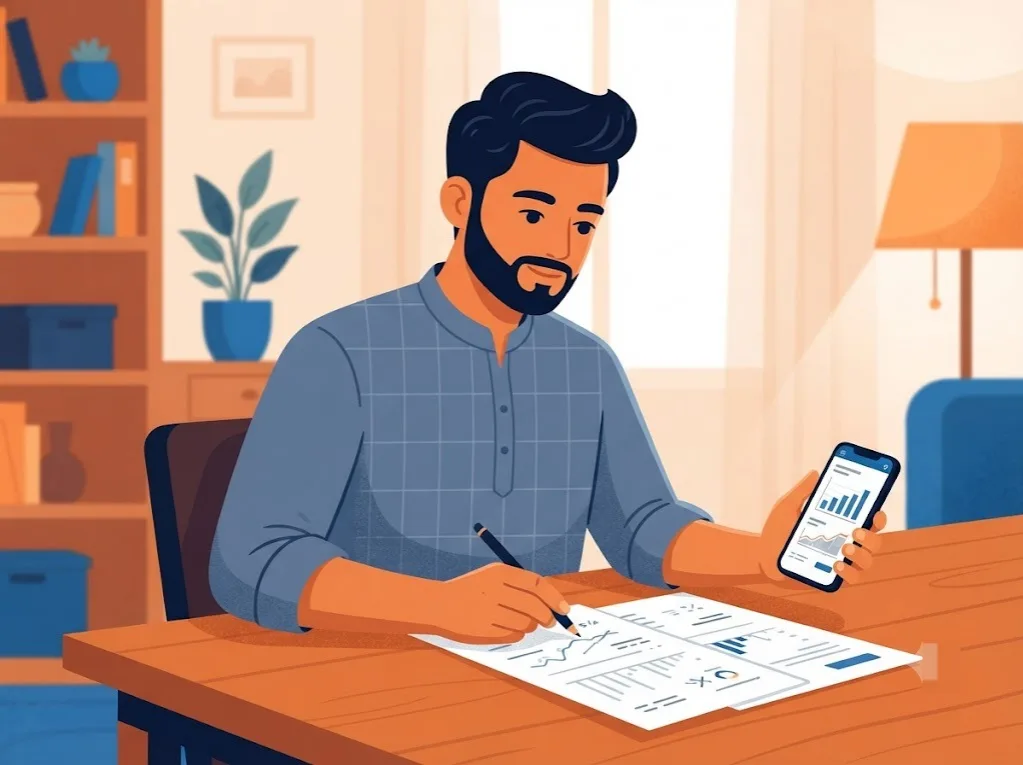
HDFC Loan Restructuring: What Every Borrower Should Know First
HDFC loan restructuring is when the bank changes your loan plan, usually by stretching the repayment time, so your monthly EMI becomes smaller. You still owe the full amount. It gives breathing room during genuine hardship, but the loan shows a "Restructured" mark on your credit report, and you end up paying more interest overall.

How to Correct CIBIL Score Errors
Learn how to correct CIBIL score errors step by step: spot mistakes, raise a dispute, gather evidence, and track resolution the right way.
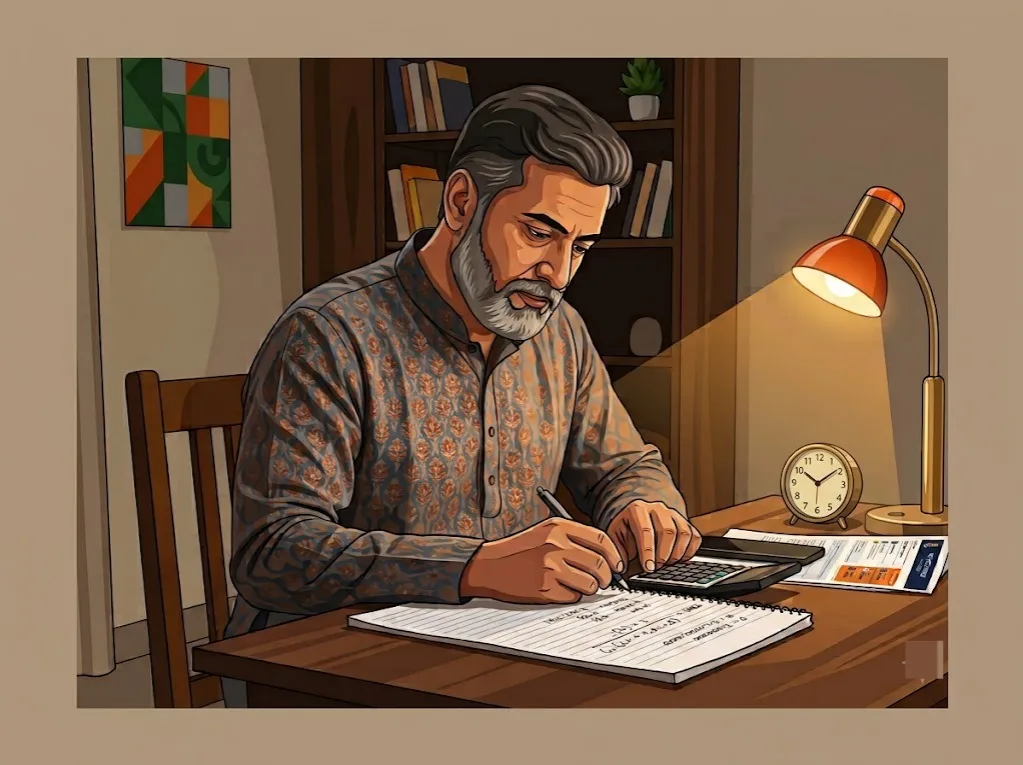
EMI Formula: The Exact Calculation Banks Use
A commonly used formula for fixed-rate, reducing-balance loans is EMI = [P × r × (1+r)^n] / [(1+r)^n − 1]. Since October 1, 2024, RBI requires regulated entities to provide a Key Fact Statement containing the APR computation and amortization schedule for new retail and MSME term loans before the borrower accepts the loan.

How to Negotiate Debt Settlement on Your Own
Negotiating debt settlement on your own means approaching your bank or NBFC (non-bank loan company) directly to ask for a reduced final payment on your unsecured loan. It is a formal process, not a phone argument. You show proof of genuine financial hardship and offer a lump sum lower than what you owe. Banks consider this only when full recovery looks unlikely. It is legal, and it is possible to do without a company, if you know the right steps.

ICICI Personal Loan Settlement: Steps, Documents, and What to Expect
ICICI personal loan settlement is when ICICI Bank agrees to accept part of what you owe as the final payment, instead of the full amount. It's the option borrowers turn to when repaying in full has become genuinely difficult. Once settled, your account is marked "Settled" on your CIBIL report.
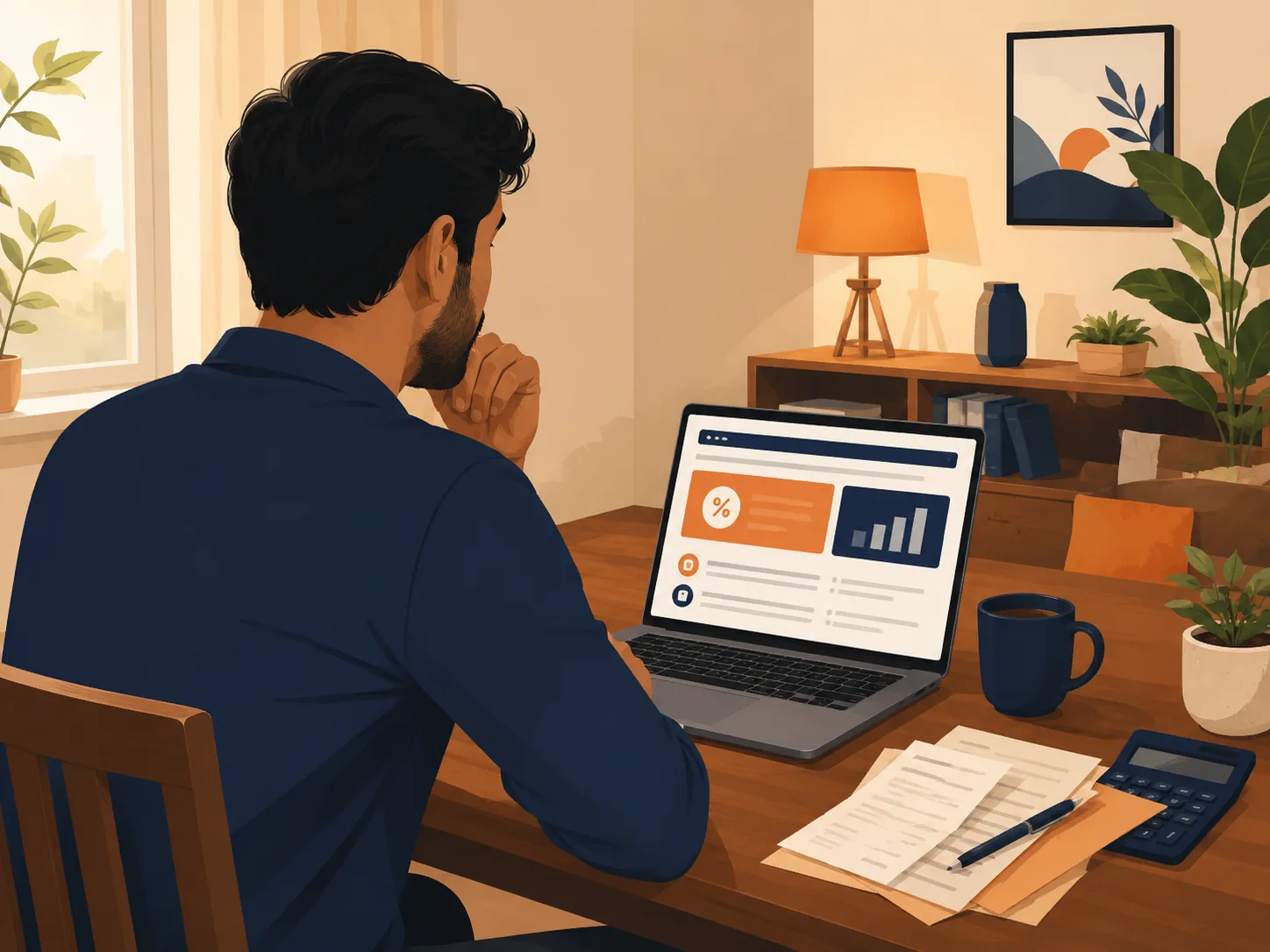
HDFC Balance Transfer: Credit Card and Personal Loan Options
A balance transfer means moving what you owe, on a credit card or a personal loan, from one bank to another, usually to get a lower interest rate or better repayment terms. With HDFC, this can work either way: transferring an existing balance to HDFC, or moving an HDFC balance out to another lender. It doesn't reduce what you owe, it just changes who you owe it to and on what terms, and it's typically only available if your payments are still on track.

Demand Notice Under Section 138: What a Bounced Cheque Notice Means
A demand notice under Section 138 is a written legal notice sent when a cheque you issued bounces due to insufficient funds, giving you 15 days from receipt to pay the full cheque amount before the sender can file a criminal complaint. It's the mandatory first step under the Negotiable Instruments Act before any case can be filed.
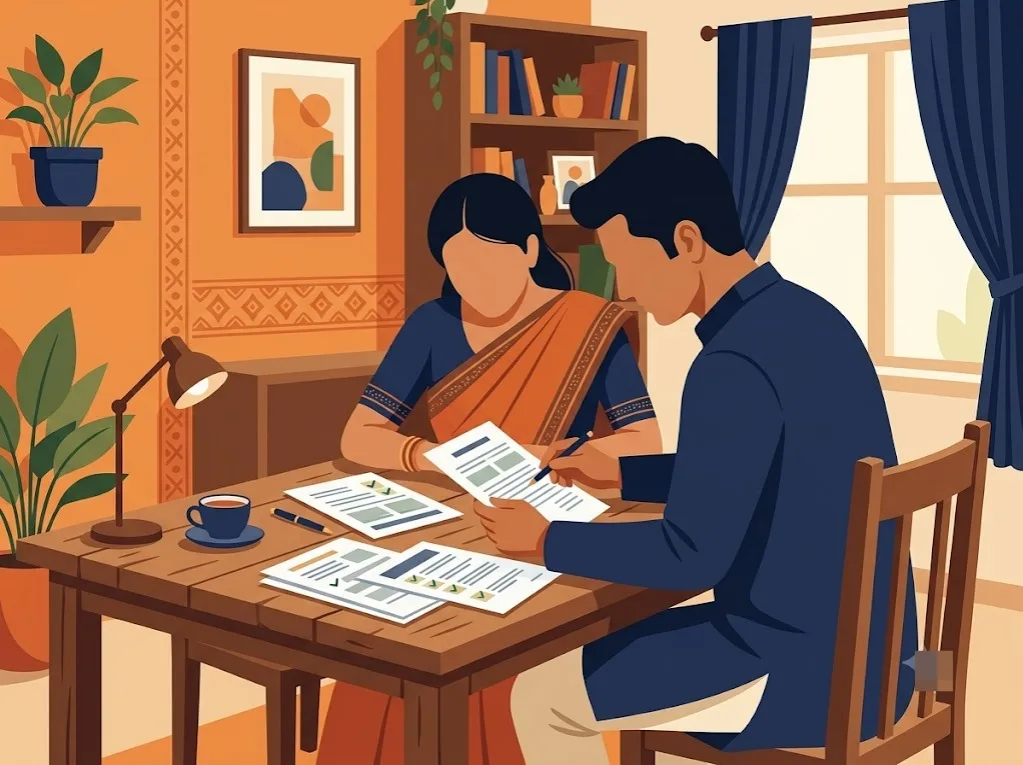
Canara Bank One-Time Settlement: How It Works
Canara Bank one-time settlement is when the bank agrees to close your NPA account for less than what you actually owe. That's it. You pay a reduced lump sum, the account gets marked "Settled," and the debt ends. You're not paying the full amount back.


Make smarter financial decisions.
Loan Settlement | Loan Consolidation | Credit Insights | FREED Shield
Get Started