Let’s talk
about Loans
















75,000+
Customers served

₹450 Cr+
Total savings

4.8/5
Google rating
Browse Topics
5 CategoriesLatest Articles

10 Strategies to Avoid Getting into Debt
Debt grows quickly. One unplanned loan, one impulsive buy, and one missed saving add up over time. These 10 strategies to avoid debt show you exactly how to avoid falling into debt before it forms.

Business Loan Options for Low CIBIL Score
Business loan for low CIBIL score: Many banks generally prefer applicants with stronger credit profiles, although eligibility varies by lender. Most business loan applications are assessed against the owner's personal credit score, not just the business's financials, so a low score doesn't mean no options. It means a narrower, and usually costlier, set of options.
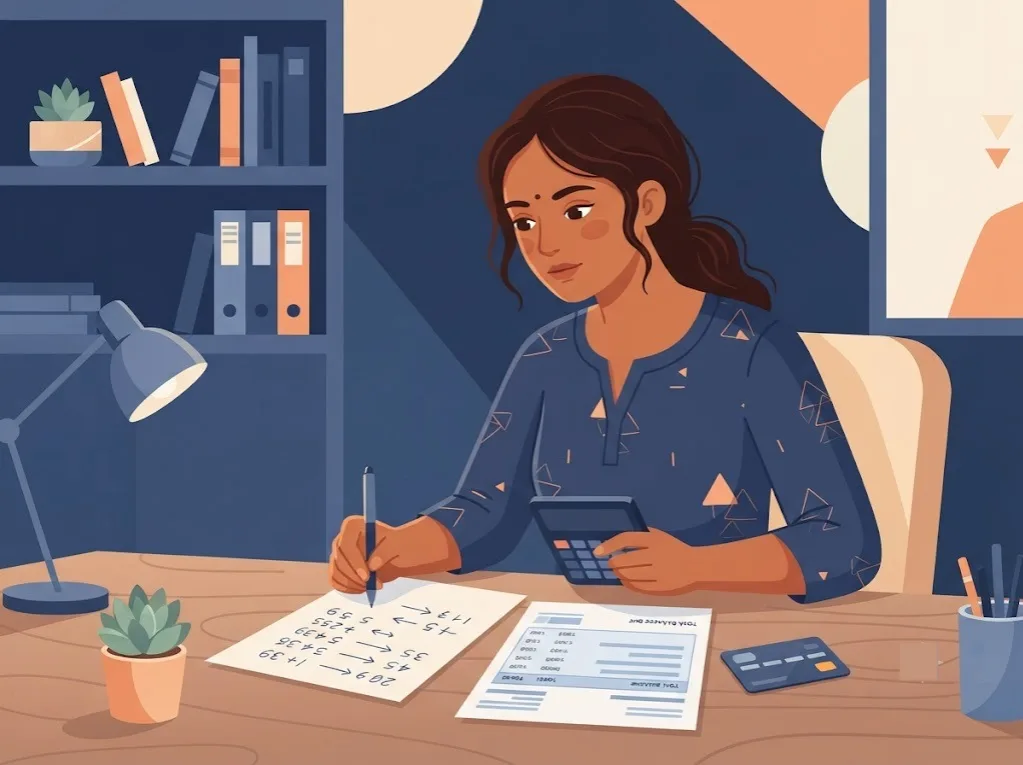
How to Calculate and Plan Your Credit Card Payoff (With Spreadsheet Template)
A credit card payoff plan is a calculated schedule showing exactly how much to pay each month to clear a balance by a target date, and how much interest that actually costs along the way. It's different from paying only the minimum due, which can take much longer to clear a balance and may result in substantially more interest. This guide walks through the calculation with a worked example and a spreadsheet template you can copy directly.

IDFC FIRST Bank Loan Settlement: How It Works, What to Expect, and What to Do First
IDFC loan settlement is the process where IDFC FIRST Bank agrees to resolve an unpaid loan by accepting a reduced lump-sum payment as full and final. This happens only when the loan has turned NPA (loan classified as bad debt by the bank, usually after 90 days of missed payments) and repaying the full amount has become genuinely impossible. The bank marks the account as "Settled" in your CIBIL report. This is a last resort, not a starting point.

What CIBIL Score Is Needed for a Personal Loan?
Most banks in India want a CIBIL score of 700 to 750 for a personal loan. NBFCs and digital lenders often go as low as 650, sometimes 600 for smaller amounts. But the number alone doesn't decide approval, income, existing EMIs, and loan amount all carry weight too.

How to Check Your Credit Score with PAN Card for Free
Your PAN card is all you need. Here is the step-by-step process, where to go, what you will see, and what to do with the number once you have it.
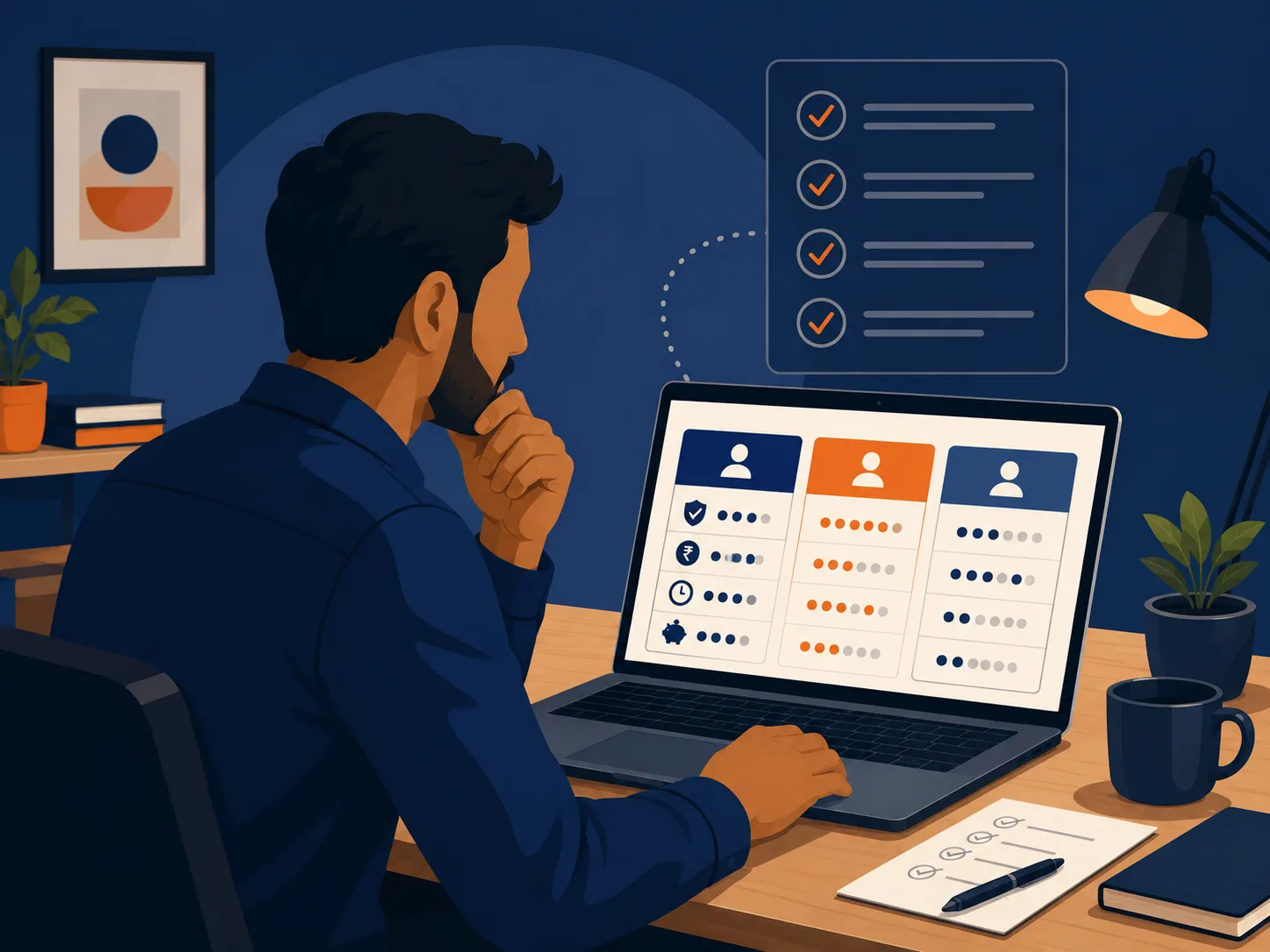
Debt Counseling Services: What They Do and How to Evaluate Providers
Debt counseling services assess your total income, debts, and repayment capacity, then recommend a specific path forward. That could mean budgeting support, restructuring, or a program like FREED's Debt Consolidation Program (which may combine eligible unsecured debts into a single repayment, depending on the approved loan amount, tenure, and lender terms) or helping borrowers settle their unpaid or overdue loans for up to 50% less*, based on your actual situation rather than a one-size-fits-all product.

Debt Settlement vs Debt Management: Take your pick
Two of the most commonly confused terms in personal finance. Debt settlement and debt management sound similar, and people often use them interchangeably. They are not the same thing and choosing the wrong one for your situation can cost you significantly. Here is exactly how they differ, and how to decide which one fits you.


Make smarter financial decisions.
Loan Settlement | Loan Consolidation | Credit Insights | FREED Shield
Get Started