IDFC FIRST Bank Loan Settlement: How It Works, What to Expect, and What to Do First
IDFC loan settlement is the process where IDFC FIRST Bank agrees to resolve an unpaid loan by accepting a reduced lump-sum payment as full and final. This happens only when the loan has turned NPA (loan classified as bad debt by the bank, usually after 90 days of missed payments) and repaying the full amount has become genuinely impossible. The bank marks the account as "Settled" in your CIBIL report. This is a last resort, not a starting point.

Mohit Juneja
Reviewed by FREED India, Debt Resolution Specialists
 4.7/5
4.7/5 ₹3,200Cr+
 20,000+
 20,00,000+4.7/5₹3,200Cr+20,000+20,00,000+
KEY TAKEAWAYS

IDFC FIRST Bank follows RBI guidelines on loan settlement. Settlement is available for borrowers whose loans have turned NPA and who genuinely cannot repay the full amount.
The account is reported as 'Settled' on your credit report. The reporting period is determined by the credit bureau's policies.
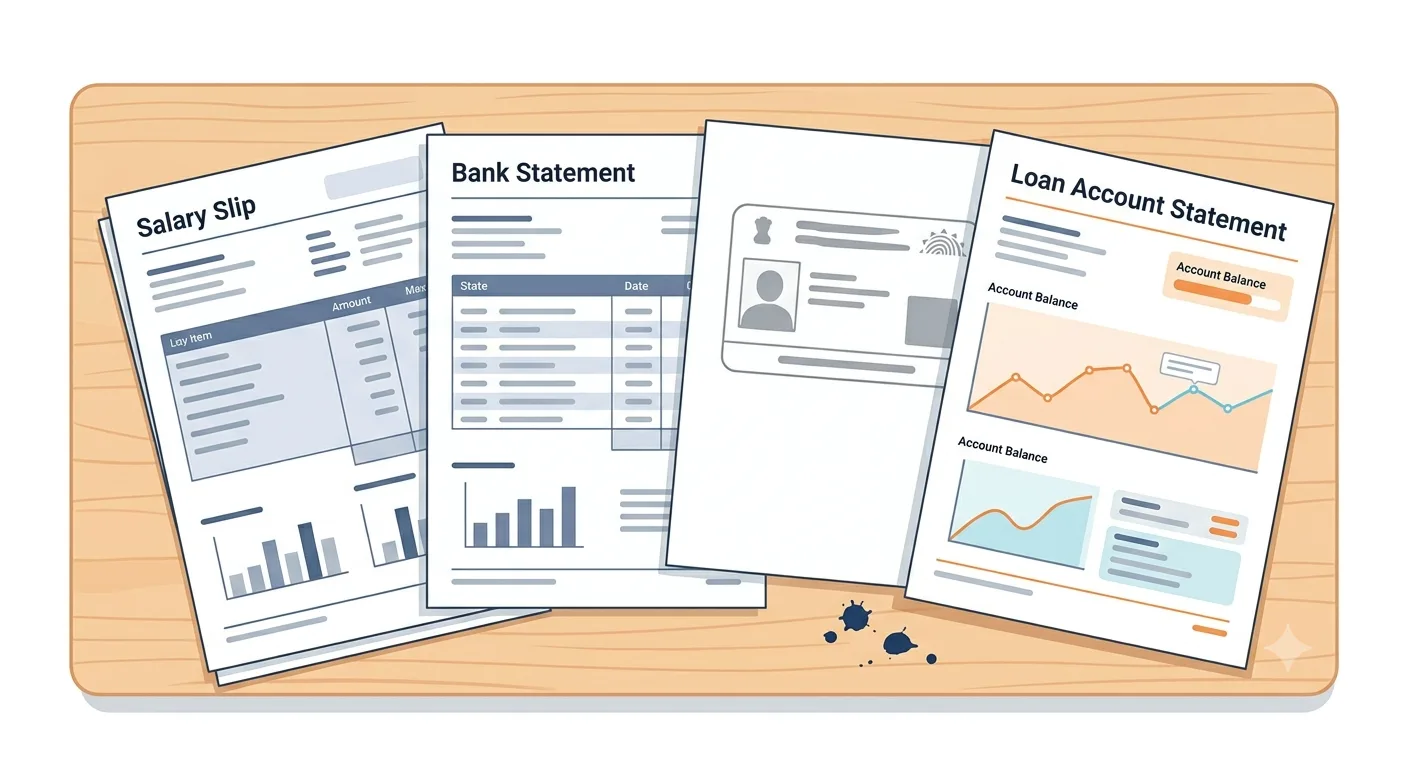
Documents you will need: identity proof, address proof, loan account statement, 3 to 6 months of bank statements, hardship proof, and any legal notices received.
Never pay any settlement amount without a signed written offer letter from an authorised IDFC FIRST Bank officer. Verbal promises are not binding.
Before settlement, try EMI restructuring, moratorium (temporary pause on payments), tenure extension, and debt consolidation. These are better for your CIBIL and should come first.
Recovery agents calling outside 8 AM to 7 PM, or using threats and abuse, violate RBI's Fair Practices Code. You can raise a complaint with IDFC FIRST Bank's grievance cell or the RBI Integrated Ombudsman at cms.rbi.org.in.
If a post-dated cheque on your loan account bounces, Section 138 of the Negotiable Instruments Act (cheque bounce law, which can become a criminal matter) may apply. This runs separately from any civil settlement process.
What Is IDFC Loan Settlement and When Does It Apply?
If recovery calls have started or a legal notice has arrived, you are probably searching for a way out during one of the harder stretches of life. That is an understandable place to be.
IDFC loan settlement, sometimes called IDFC bank loan settlement, is the OTS (one-time settlement) process applied to loans held with IDFC FIRST Bank. It works under the same RBI framework that governs all banks and NBFCs in India.
IDFC FIRST Bank does not advertise or promote settlement publicly. It is an internal recovery tool that the bank may consider once a loan has turned NPA and full recovery through normal means is unlikely.
Settlement is not the same as repaying your loan in full. When a loan is repaid completely, CIBIL marks it "Closed," which is a positive signal to future lenders. When a loan is settled for less than what was owed, CIBIL marks it "Settled," which is a negative signal that stays on your report for up to 7 years.
Settlement is not something a borrower chooses out of preference. Banks only consider it when you are facing genuine financial difficulty and repaying the full amount is no longer realistic. It is a last resort, not a shortcut.
What Are Your Rights During IDFC FIRST Bank Loan Recovery?
Recovery agents working on behalf of IDFC FIRST Bank operate under strict RBI guidelines. Knowing your rights makes the situation easier to manage.
Agents may only call you between 8 AM and 7 PM. They cannot threaten, abuse, or intimidate you. They cannot contact your family, colleagues, or employer without your written consent. Female borrowers may only be contacted by female recovery agents.
If any of this is happening, you have a clear path to complain.
IDFC FIRST Bank's grievance escalation works in three steps.
First, contact customer care or your branch. Call 1800 10 888 (toll-free) and raise your complaint in writing.
Second, if that goes unresolved within 7 days, escalate to the Regional Nodal Officer.
Third, if still unresolved, escalate further to the Principal Nodal Officer.
If the complaint remains unresolved after 30 days, file directly with the RBI Integrated Ombudsman Keep a record of every call: date, time, and what was said.
If a recovery call turns abusive or threatening, or if an agent visits your home or office without following correct protocol, FREED Shield is available to all borrowers, including those not enrolled in any FREED program. You can report the harassment through the FREED app. FREED's in-house team can verify whether any legal notice you receive is legitimate and help you draft a reply if needed.
What Options Should You Try Before IDFC Loan Settlement?
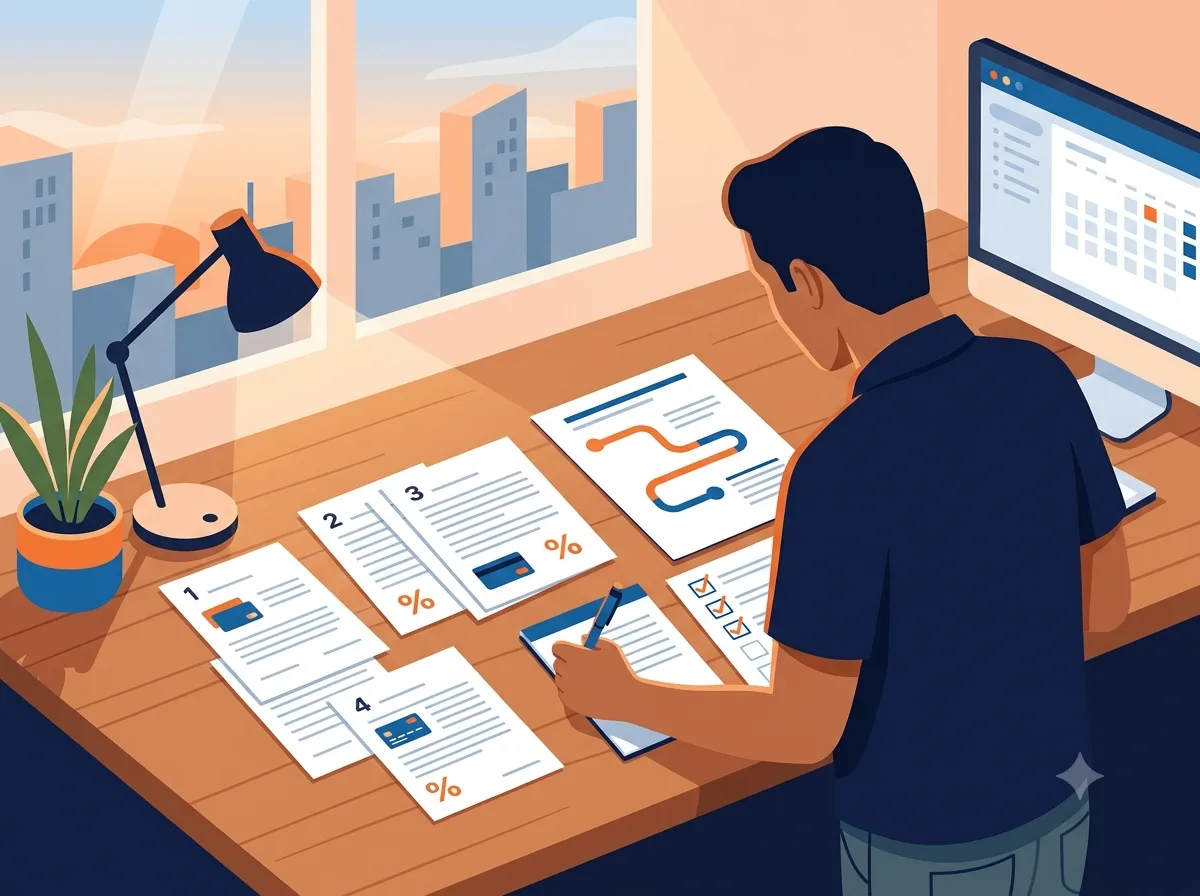
Each option below is better for your CIBIL than a settlement. Try them in this order before considering any settlement.
EMI restructuring. Request a lower EMI with an extended repayment period. Contact IDFC FIRST Bank's loan department directly. Do not raise this with the recovery agent. Recovery agents cannot approve it.
Moratorium (temporary pause on payments). A bank-approved pause on EMIs for a defined period. Interest may still accrue during this time depending on the bank's policy. Apply in writing with supporting documents.
Tenure extension. The total amount owed stays the same but the monthly EMI drops because repayment is spread over more months. The bank may agree without classifying the account as NPA.
Loan consolidation. If you have multiple loans and your accounts are still active (not yet NPA), consolidation can merge all of them into a single lower EMI at one lender. Debt consolidation may be a suitable option for some borrowers before default, depending on the lender's assessment and repayment behaviour. FREED can assess whether you qualify and match you to a lending partner. If you are unsure whether you are eligible, talk to FREED's team.
Approaching IDFC FIRST Bank early gives you more options than waiting. The longer you wait, the fewer paths stay open.

Not Sure Which Option Fits Your Situation?
FREED will review your debt and tell you honestly which path makes sense.
Talk to an ExpertIDFC Loan Settlement Process: Step by Step
Only reach this step after all the alternatives above have been genuinely tried.
Step 1: Confirm All Alternatives Have Been Tried First.
Restructuring, moratorium, and consolidation come before settlement, not after.
Step 2: Get Your Full Loan Picture in Writing.
Ask IDFC FIRST Bank for a complete account statement showing outstanding principal (the amount you originally borrowed), accumulated interest, penalties, and total dues.
Step 3: Confirm NPA Status.
Settlement is commonly considered after an account becomes NPA, although the bank's internal policies determine eligibility. Confirm this classification in writing before proceeding.
Step 4: Gather Your Hardship Documents.
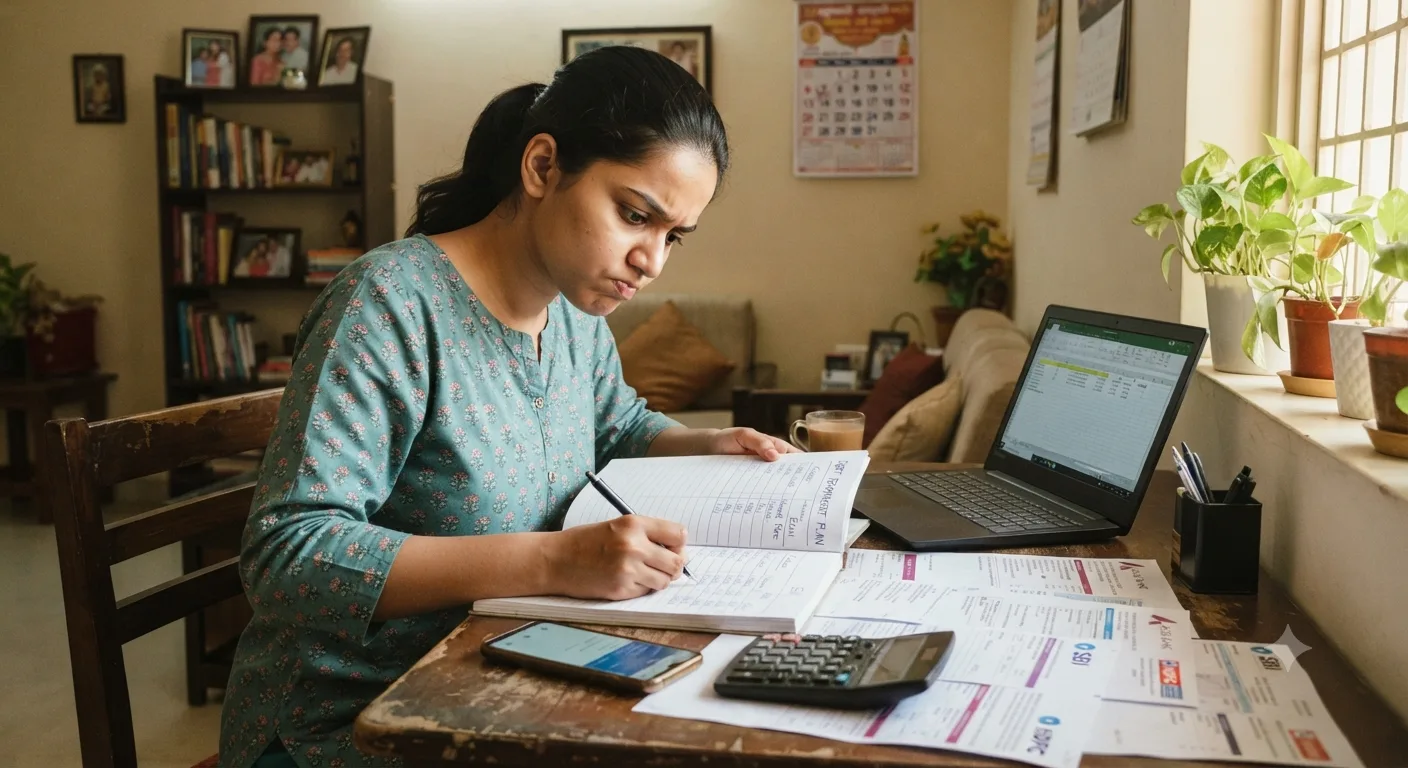
Job termination letter, medical bills, income proof, and 3 to 6 months of bank statements showing income disruption. Clear documentation helps the bank understand your situation and gives them a basis to act on your request.
Step 5: Write a Formal Hardship Letter to Your Branch Manager.
Request OTS consideration in writing, addressed to the branch manager. Do not do this verbally. Do not go through the recovery agent as they cannot approve the settlement.
Step 6: Wait for IDFC FIRST Bank's Written OTS Offer.
Do not pay or agree to anything based on a verbal promise from any bank official or recovery agent. The written offer from an authorised officer is the only valid starting point.
Step 7: Negotiate the Settlement Amount.
Present your hardship documentation. The bank's final offer depends on its internal policy and the specifics of your case. The exact figure depends on your bank.
Step 8: Get the Full Settlement Agreement Signed.
The written agreement must carry the signature of an authorised IDFC FIRST Bank officer. No money moves before this step.
Step 9: Pay via a Traceable Channel and Collect the NOC.
Pay by bank transfer or demand draft only, never cash. Keep all payment receipts. Request the NOC (clearance letter, also called No Objection Certificate) from the bank in writing immediately after payment.
Step 10: Monitor Your CIBIL Report Within 60 Days.
Allow reasonable time for the lender to update the credit bureau after settlement. If it does not update correctly, raise a bureau dispute with your NOC as supporting proof.
What Documents Do You Need for IDFC FIRST Bank Loan Settlement?
Organised documentation makes any settlement request stronger. Here is the standard starting list.
Identity proof. Aadhaar card or PAN card confirming you are the borrower on record.
Address proof. Utility bill, bank statement, or rental agreement matching the address on the loan file.
Original loan agreement or latest loan account statement. Shows outstanding principal, accumulated interest, penalties, and total dues in one place.
3 to 6 months of bank statements. Demonstrates income disruption or absence. This is the foundation of your hardship case.
Hardship proof. Job termination letter, medical bills, or business loss documents explaining why repayment has become impossible.
Any legal or recovery notices received from IDFC FIRST Bank. Useful context for where the account stands in the recovery process.
Income proof. Salary slips, ITR, or business financials if applicable, confirming your current repayment capacity.
IDFC FIRST Bank may request additional documents depending on your individual case. The more complete your file, the more clearly your situation comes through.
How Does IDFC Loan Settlement Affect Your CIBIL Score?
When a loan is repaid in full, CIBIL marks the account "Closed." That is a positive signal. When a loan is settled for less than the full amount, CIBIL marks it "Settled." That is a negative signal. Every bank and NBFC reviewing your credit file in the future will see that mark.
A settlement is reflected in your credit history and may influence future lending decisions. The exact number varies by case and depends on your starting score, your full credit history, and how IDFC FIRST Bank reports the account.
The "Settled" status stays on your CIBIL report for up to 7 years. During this period, getting new unsecured loans and credit cards approved can be difficult and may attract higher interest rates.
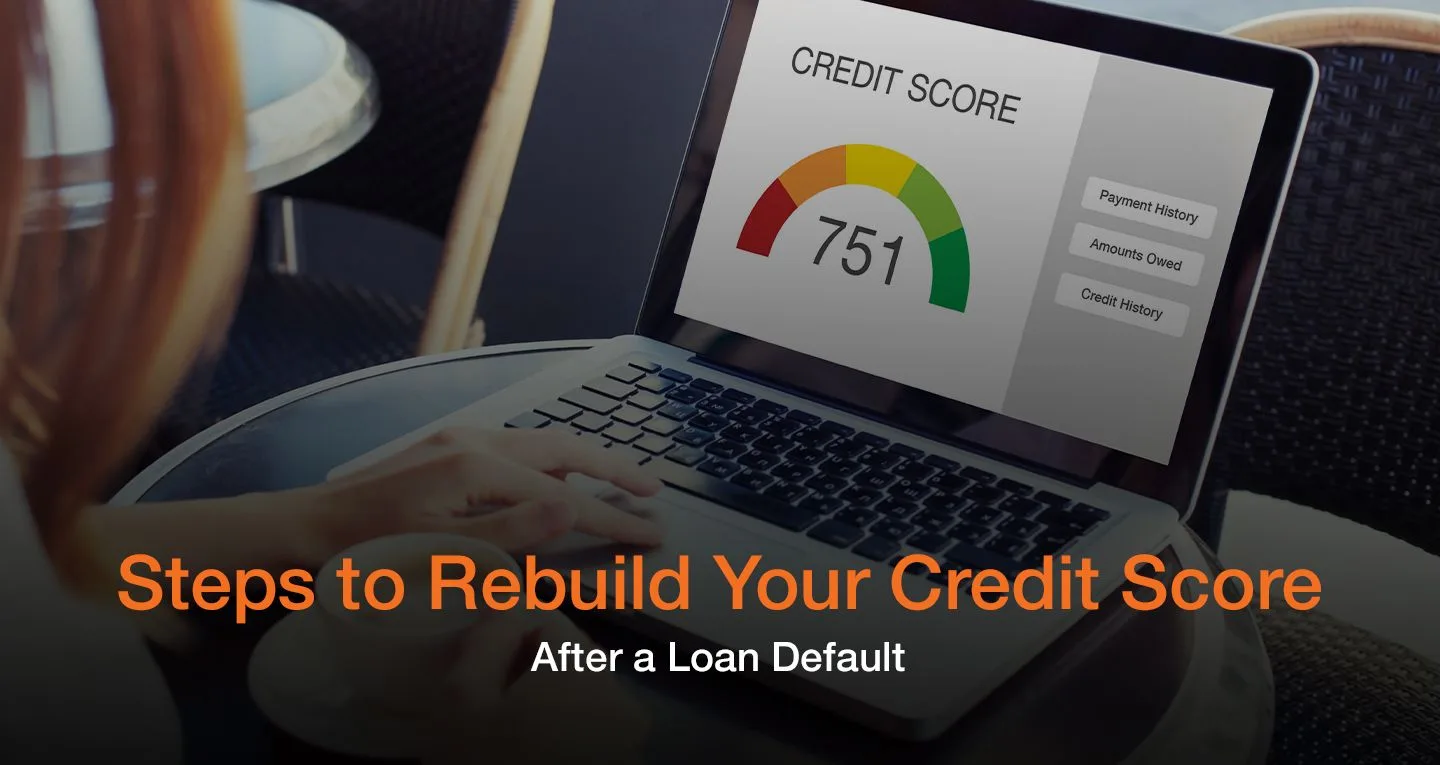
Responsible repayment behaviour on future credit products may help strengthen your credit profile over time. Consistent on-time payments on small secured products and low credit utilisation can gradually rebuild your score. The "Settled" mark does not define your credit profile forever, but it does take time and discipline to move past.

What the Law Says
Under Section 138 of the Negotiable Instruments Act (cheque bounce law, which can become a criminal matter), if a post-dated cheque issued on your IDFC FIRST Bank loan account bounces, the bank may file a criminal complaint. This is separate from the civil recovery process and can apply even while settlement negotiations are ongoing. Consult a legal professional if this applies to your situation.
Review Your Loan OptionsWhat to Watch Out for During the IDFC Loan Settlement Process
Verify who you are dealing with. There are agencies that claim they can guarantee a settlement, collect an upfront fee, and then disappear. IDFC FIRST Bank will not instruct any third party to collect money from you without written bank documentation. If someone cannot produce an authorised letter from the bank, do not pay them anything.
Never pay without a signed written OTS offer from an authorised officer. A verbal commitment from any official, agent, or third party is not binding. Pay only after you have the signed settlement agreement in hand.
Pay only via a traceable channel. Bank transfer or demand draft. Never cash. Keep every receipt.
Be aware that your loan may have been sold to an ARC. An ARC (Asset Reconstruction Company) is a company that buys bad loan accounts from banks and continues the recovery process. If this has happened, the new owner of your debt takes over settlement discussions. Always confirm who you are negotiating with before any agreement is made.
The NOC is your proof. The NOC (clearance letter from the bank) is permanent evidence that the loan has been resolved and no further dues remain. Request it in writing immediately after payment and keep it safely.
IDFC Loan Settlement vs Other Resolution Options
Option | What It Means | CIBIL Impact | When to Use |
EMI Restructuring | Lower EMI over a longer period | Minimal if no default yet | Income reduced but some repayment still possible |
Moratorium | Bank-approved temporary pause on payments | Minimal if bank-approved | Short-term income disruption |
Tenure Extension | Longer repayment period, lower monthly EMI | Minimal | EMI unmanageable but income is stable |
Debt Consolidation | Merge all loans into one lower-EMI loan | Positive if repaid on time | Accounts still active, not yet NPA |
Loan Settlement (OTS) | Resolve for less than owed, lump sum | Significant, "Settled" tag for up to 7 years | Only when repayment is genuinely impossible |
All options depend on your profile and IDFC FIRST Bank's internal policy. No outcome is guaranteed. This table is for general information only. FREED's counsellors can help assess which path fits your case.
What to Do After IDFC Loan Settlement Is Complete
Store the NOC safely. Keep a physical copy and a digital backup. This document is permanent proof that the loan has been resolved. If the "Settled" status is ever disputed in the future, the NOC is your evidence.
Check your CIBIL report within 60 days. Log in at cibil.com and confirm the account now shows "Settled." If it still shows "Active" or "Overdue," raise a bureau dispute with the NOC as supporting documentation.
Start rebuilding gradually. A secured credit card linked to a fixed deposit is usually the easiest first step. Use it for small purchases. Pay the full balance on time every month. This creates a record of positive repayment behaviour over time.
Do not apply for large credit immediately. Give yourself time with consistent, clean repayment behaviour before approaching any bank for a personal loan, home loan, or high-limit credit card.
Build a small buffer. Setting aside even a small amount each month as an emergency fund reduces the risk of a future difficult period turning into another missed EMI.
How FREED Helps With IDFC Loan Settlement
Settlement decisions are not straightforward. Whether direct OTS with IDFC FIRST Bank or another route fits your situation depends on your loan type, outstanding amount, how long the account has been in default, and what the bank is likely to consider.
FREED counsellors review your complete debt situation and help you understand which path makes sense. They help you prepare the hardship documentation that any settlement route requires. They work with the bank's recovery or NPA team on your behalf, making sure the settlement letter has the right terms before any payment is made. After payment, FREED follows up for the NOC and tracks the CIBIL update at the 60-day mark.
If FREED finds that restructuring, consolidation, or a moratorium is available and better for your situation, that is what they will tell you first. The goal is to help you avoid settlement wherever possible and handle it the right way when there is no better path.
FREED covers unsecured loans only: personal loans, credit cards, BNPL products, and loan apps. FREED does not handle secured loans such as home loans or car loans.
FREED helps borrowers settle their unpaid/overdue loans at up to 50% less*. Final terms are decided by the bank. FREED is not a loan provider. No outcome is guaranteed. Please verify directly with your bank.
About FREED
FREED is India's trusted Loan Management Platform, founded in 2020 and headquartered in Gurugram. FREED helps people dealing with unsecured debt, including credit cards, personal loans, BNPL, and loan apps, find the right path forward. Over 60,000 customers have been counselled. Fees are charged only when a settlement is successfully completed. FREED does not handle secured loans like home loans or car loans.

Mohit Juneja
Mohit Juneja writes educational content at FREED on debt management, credit scores, loan repayment, and borrowing best practices. His content is shaped by expert insights and industry knowledge, helping readers better understand their financial options and make informed decisions.
mohit.juneja@freed.care

FREED is India's trusted loan management platform. Founded in 2020 and headquartered in Gurugram, FREED has counselled 20 lakh+ people on personal loans, credit cards, and app loans. FREED charges fees only on successful settlement, not upfront. FREED does not handle secured loans (home loans, car loans, gold loans).
Media Mentions