Let’s talk
about Loans
















75,000+
Customers served

₹450 Cr+
Total savings

4.8/5
Google rating
Browse Topics
5 CategoriesLatest Articles

NPA Account: Meaning, Impact, and Recovery Process
Everything an NPA account means for your loan, your CIBIL score, and what happens after your bank marks your account NPA. An NPA account is a loan the bank marks as bad debt after you miss payments for more than 90 days. Once this happens, the bank stops earning interest on it and moves it into a separate, high-risk category on its books.
What Is a Consent Decree in Debt Recovery, Explained Simply
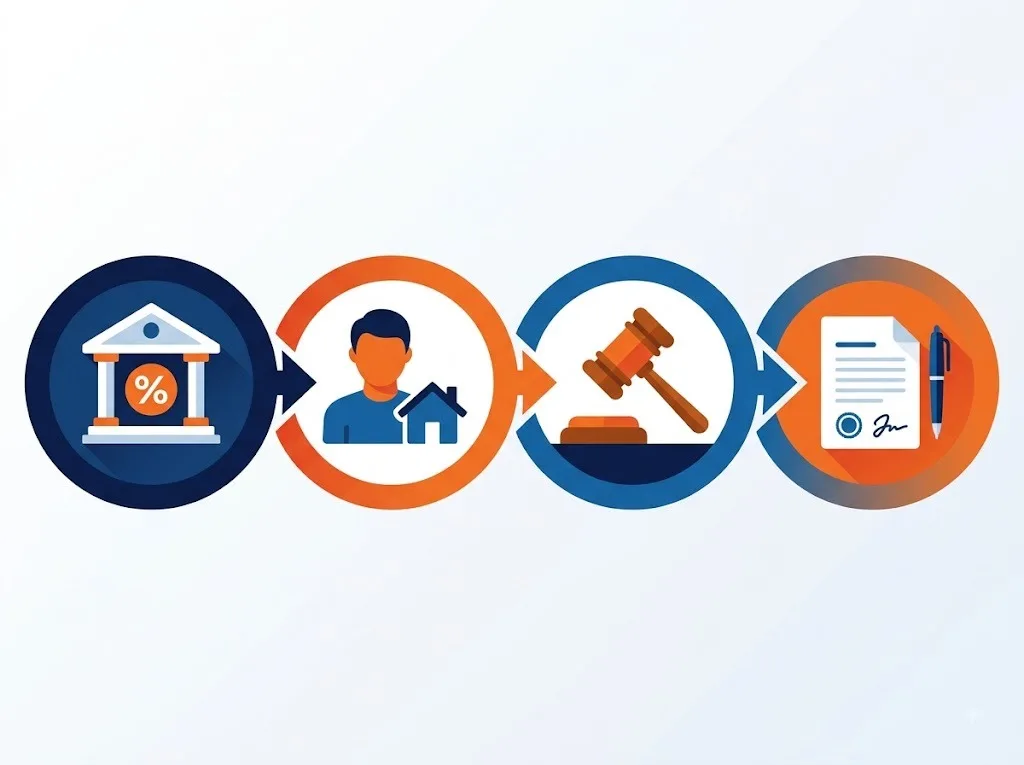
A consent decree is a court-approved settlement agreement between a lender, a bank or NBFC, and a borrower. Both parties agree on settlement terms, the document gets filed with the Debt Recovery Tribunal or a civil court, and a judge approves it. A consent decree generally cannot be challenged through a regular appeal. However, limited legal remedies may be available in specific circumstances, such as a dispute over whether a valid compromise was actually reached or whether the compromise was lawful. The applicable remedy depends on the facts and the forum. Unlike a court judgment won after a full trial, a consent decree is a mutual agreement between both sides. It shows the borrower negotiated with the lender, reached a deal, and got the court's stamp on it. The terms can cover the amount payable, payment schedule, interest, security and consequences of default, depending on the compromise reached.
No-Cost EMI Explained: Is It Actually Free?
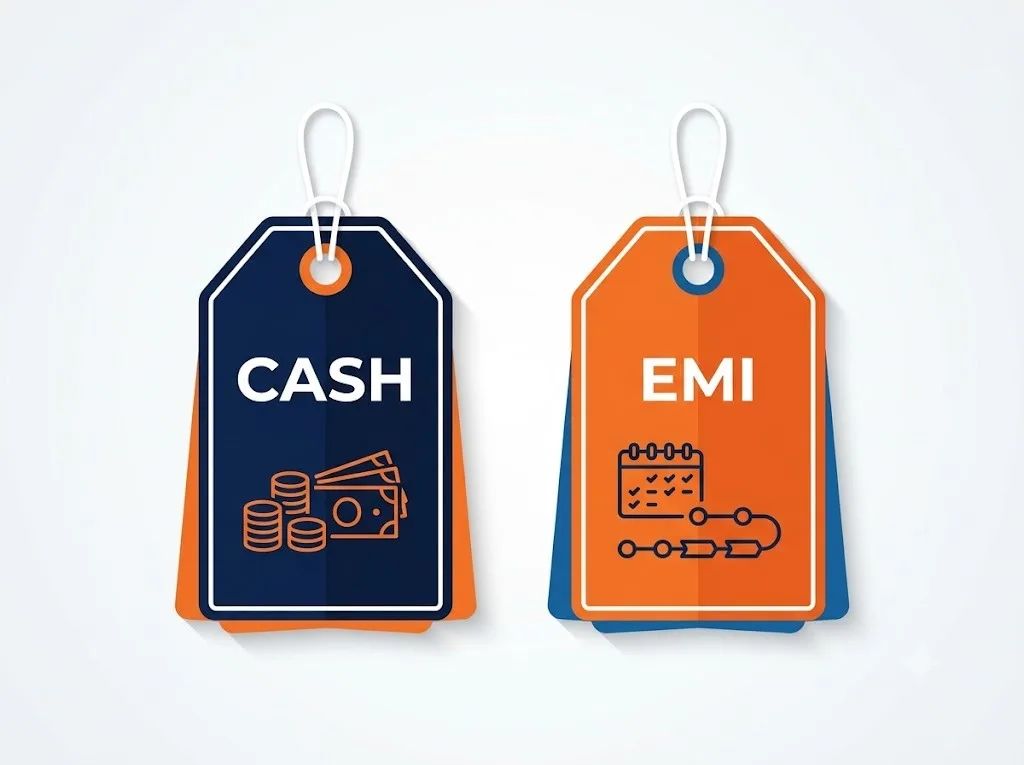
No-cost EMI is a marketing term used for EMI offers where the customer is presented with little or no separate interest cost. In credit-card EMI transactions, the economics may involve an upfront merchant/card-issuer discount or other arrangement that offsets the interest. The financing cost may still exist economically, even when the customer doesn't pay a separate interest amount. interest component.

What Is an EMI and How Does It Work? A Beginner's Guide
EMI (Equated Monthly Instalment) is the fixed amount you pay every month to repay a loan, covering both a part of what you borrowed and the interest on it. The amount stays the same every month, but the mix behind it shifts over time, more interest early on, more principal later. Home loans, car loans, personal loans, and EMI-based purchases all use this structure.

Floating Interest Rate Calculation: Formula & Example
Floating interest rate calculation means your loan's interest rate is recalculated whenever your lender's benchmark rate, usually the RBI repo rate, changes. The formula is simple: your rate = benchmark rate + spread (a fixed margin your bank adds and keeps constant).

Difference Between a Secured and Unsecured Personal Loan
The difference between a secured and unsecured personal loan comes down to collateral. A secured loan asks you to pledge something you already own, a fixed deposit, gold, or an insurance policy, before the bank hands over the money. An unsecured loan skips that step entirely and is assessed largely on your income and credit profile.

APR in Loan: Explained in Simple Terms
APR (Annual Percentage Rate) is an annualised measure of the cost of borrowing that incorporates the applicable interest rate and specified charges used in the APR calculation. APR may be higher than the quoted interest rate when applicable charges are included in its calculation. , and since 2024, Indian lenders are legally required to disclose it to you upfront.

What Is Cap Credit? Meaning Explained
Two friends apply for the same personal loan the same week. One asks for ₹5 lakh and gets it. The other asks for the same amount and walks away approved for ₹2.8 lakh instead- same bank, same product, wildly different number. That gap is cap credit, the highest amount a lender will actually extend you, a personal loan sanction or a card's credit limit, based on its own risk read of your income, your credit score, and your existing debt, not on what you asked for.


Make smarter financial decisions.
Loan Settlement | Loan Consolidation | Credit Insights | FREED Shield
Get Started