Let’s talk
about Loans
















75,000+
Customers served

₹450 Cr+
Total savings

4.8/5
Google rating
Browse Topics
5 CategoriesLatest Articles

Settlement Loans: Meaning, Risks, and Alternatives
"Settlement loan" is a confusing term in India that gets used for two different things: a personal loan taken to consolidate multiple debts, or the negotiated settlement of an overdue account itself, which is not a loan at all. Confusing the two can lead to real financial risk.

What Is Kotak Loan Settlement and Who Is It For? When Kotak Agrees
Kotak loan settlement happens when you and Kotak Mahindra Bank agree to resolve your loan by paying a reduced amount, less than what you actually owe. The bank agrees to accept a reduced amount to settle the loan, based on your individual circumstances. This is called an OTS (one-time settlement, meaning you pay it once and the matter ends). It is only considered when you are genuinely unable to repay in full.
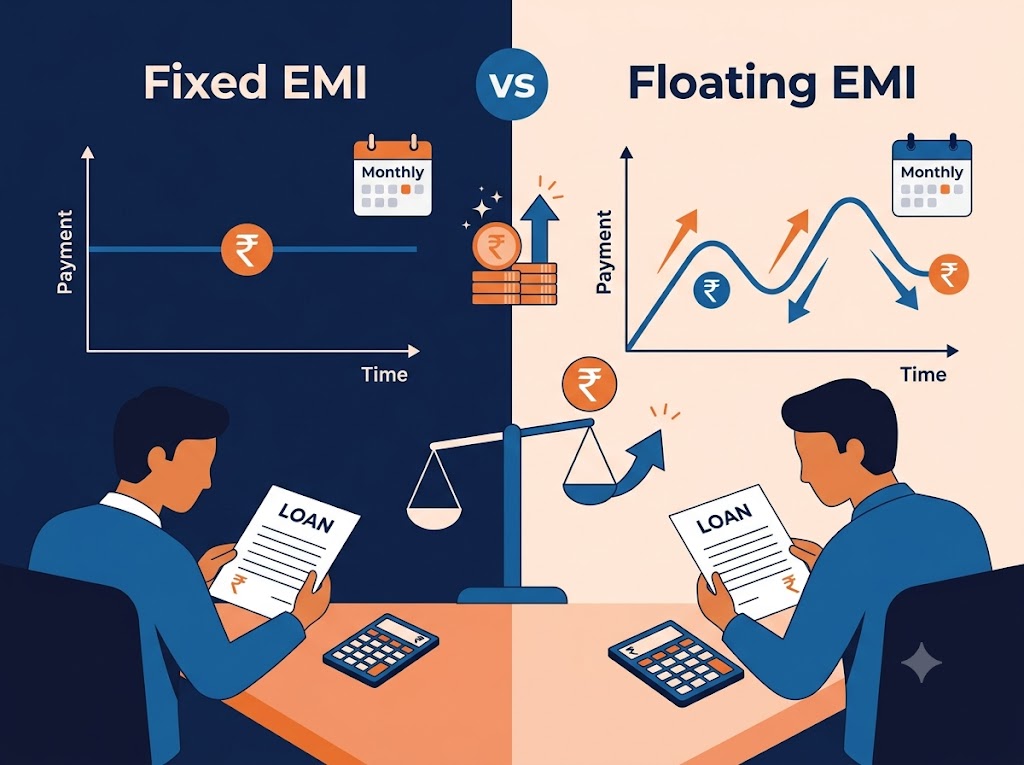
Types of EMI: Fixed vs Floating, Which Saves You More?
A fixed-rate loan keeps the interest rate unchanged for the agreed fixed-rate period. Where the EMI is structured as fixed, the scheduled EMI remains unchanged during that period.

How Do Lenders Evaluate Your Loan Credit Score?
Loan credit score evaluation is the process banks and NBFCs use to check your repayment history, outstanding debt, and credit behaviour before approving a loan. Lenders pull your score from a credit bureau, compare it against their internal lending criteria, and consider it alongside factors such as your income and existing EMIs when assessing your loan application.

Types of Debt Consolidation: A Complete Overview
Types of debt consolidation in India mainly fall into four categories: unsecured personal loans, balance transfers, secured loans (against property or gold), and top-up loans on an existing loan. Each combines multiple debts into one payment, but they differ sharply in risk, cost, and what you need to qualify.
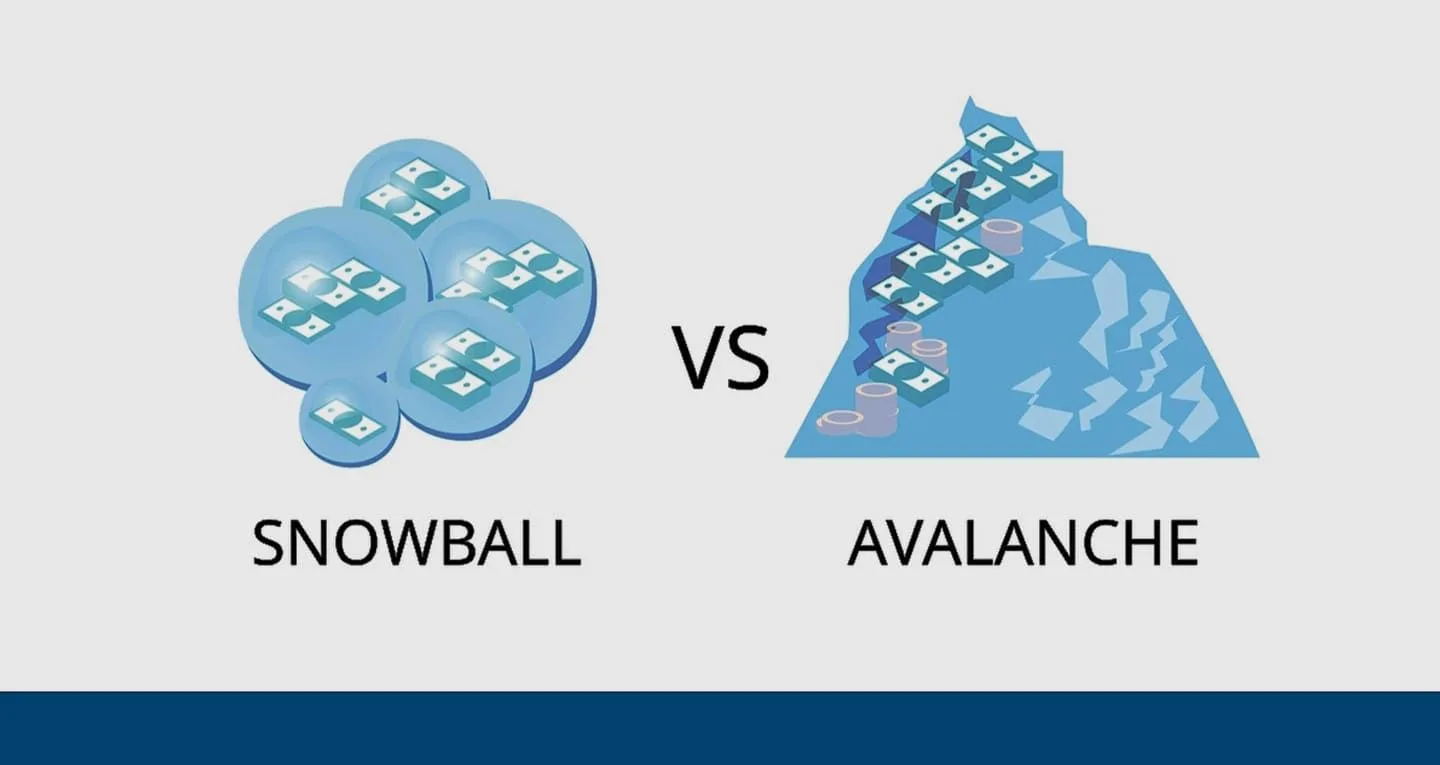
Snowball Method vs Avalanche Method
The Snowball and Avalanche methods are widely used to structure repayments towards debt in order to become debt-free. The strategy will differ depending on your personal financial situation,

RBI Guidelines for Education Loan Settlement: What You Need to Know Before Deciding
RBI guidelines for education loan settlement refer to the framework under which banks can resolve a defaulted education loan for less than the full amount owed. The RBI has no separate education loan settlement scheme. It allows banks to offer a one-time settlement (OTS paying once to resolve the matter) under their internal recovery policies, but only after the loan has been classified as an NPA (loan marked as bad by the bank, usually after 90 days of missed payments), and only when repayment is genuinely impossible. Settlement can affect future borrowing opportunities and should be considered only after exploring other options.

P2P Loans in India: How Peer-to-Peer Lending Works
A P2P loan connects individual borrowers directly with individual lenders through an online platform, instead of going through a bank or NBFC. In India, these platforms are regulated by RBI as NBFC-P2P entities. They facilitate the match and handle the paperwork, but the actual lending risk sits with the individual lenders, not the platform.


Make smarter financial decisions.
Loan Settlement | Loan Consolidation | Credit Insights | FREED Shield
Get Started