Let’s talk
about Loans
















75,000+
Customers served

₹450 Cr+
Total savings

4.8/5
Google rating
Browse Topics
5 CategoriesLatest Articles

Debt Relief vs Bankruptcy: Choosing the Right Option
Debt relief or bankruptcy in India? Learn the key differences, legal options (IBC, SARFAESI), and which path is right for your financial situation. Get expert insights now.
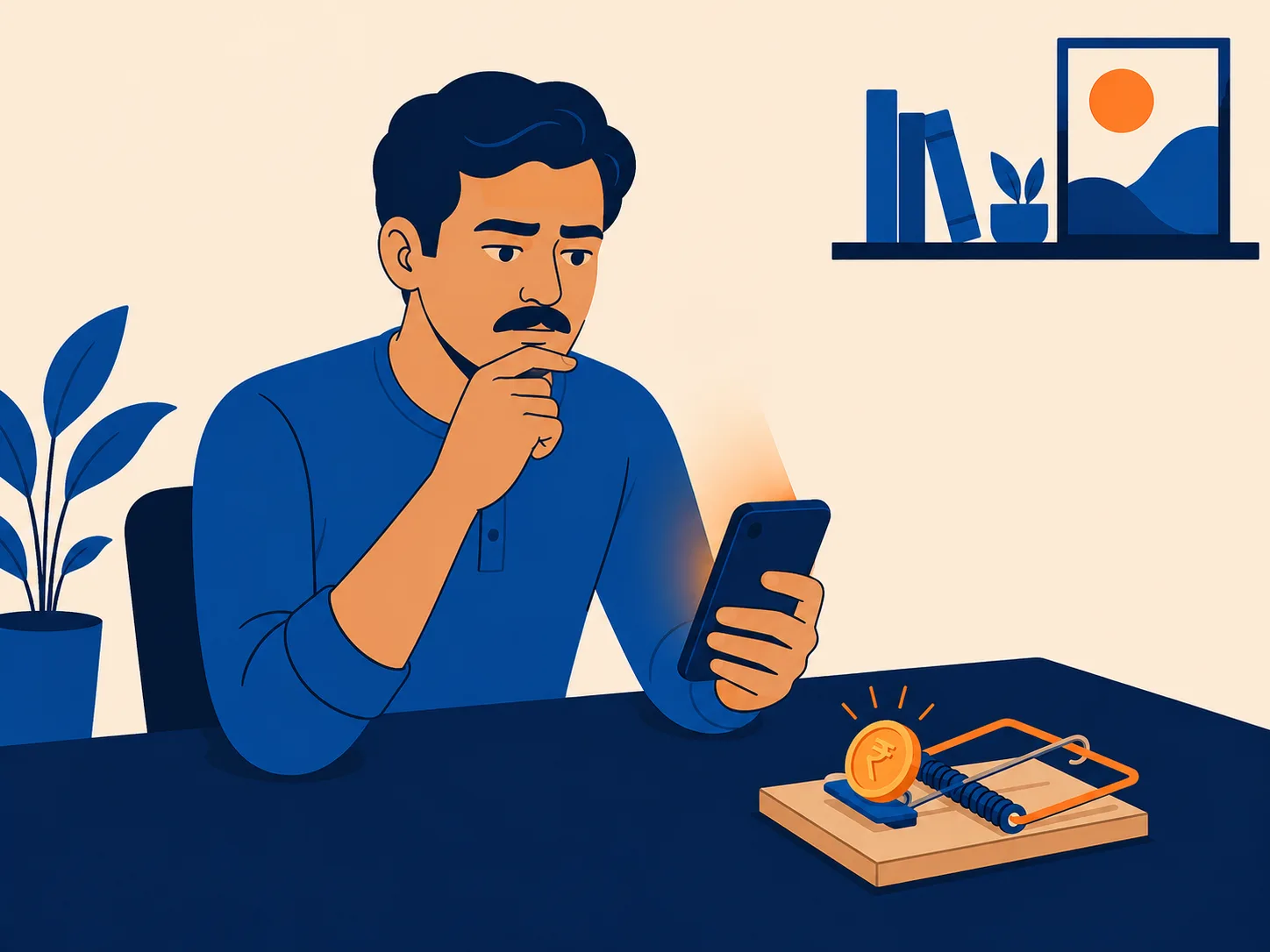
Instant Loan for CIBIL Defaulters: Why It's a Trap & What Works Instead
You searched for this at 11 pm. Maybe a recovery agent called today. Maybe an EMI bounced. Maybe you just need ₹20,000 to get through this month. We understand. Before you tap "Apply Now" on another loan app, take 2 minutes to read this. It may help you avoid additional financial pressure and credit profile impact.
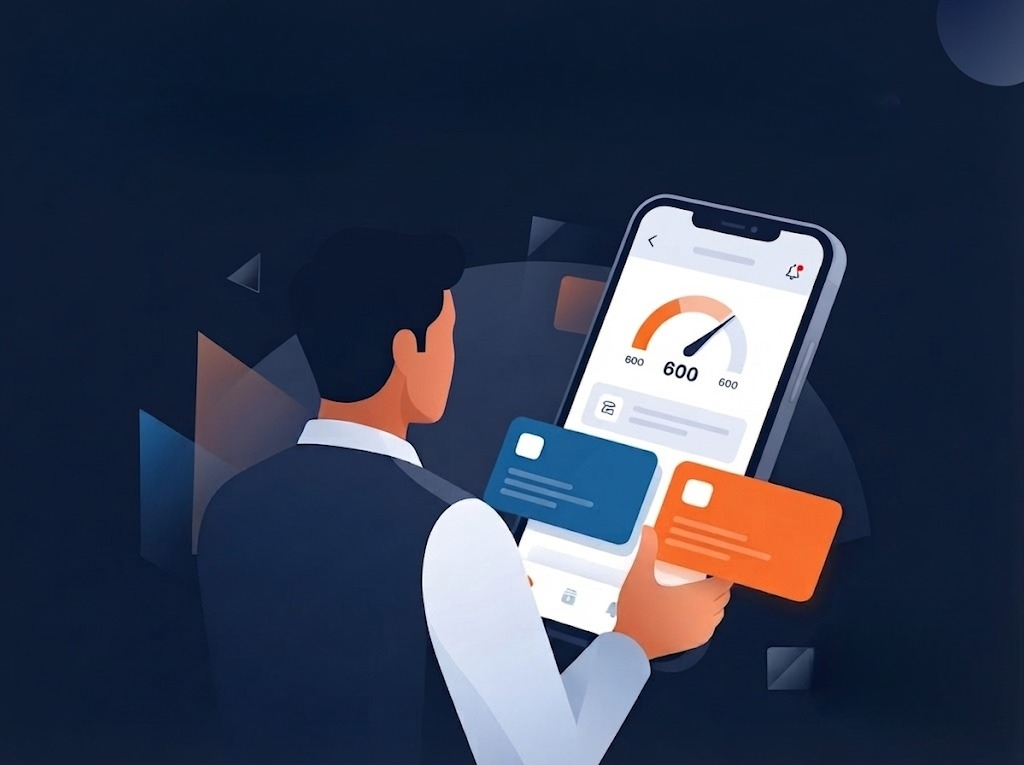
600 CIBIL Score Loan App: What Works, What It Costs, and How to Borrow Smarter
A 600 CIBIL score sits in the below-average band on the 300 to 900 scale. It is not a hard rejection by every lender, but it narrows your options. Many banks generally prefer applicants with stronger credit profiles, although eligibility varies by lender. Some NBFCs (non-banking financial companies) and lending apps still consider you at 600, based on your income and bank statements. Rates are higher, loan amounts are smaller, and the biggest risk is applying to several apps at once, which pulls the score down further.

CIBIL Score Dispute: How to Correct Report Errors
A CIBIL score dispute is a free process where you ask the credit bureau to correct a factual mistake on your credit report, like a closed loan showing as active or a payment marked late by error. It only works for genuine errors, not for accurate but unflattering entries.
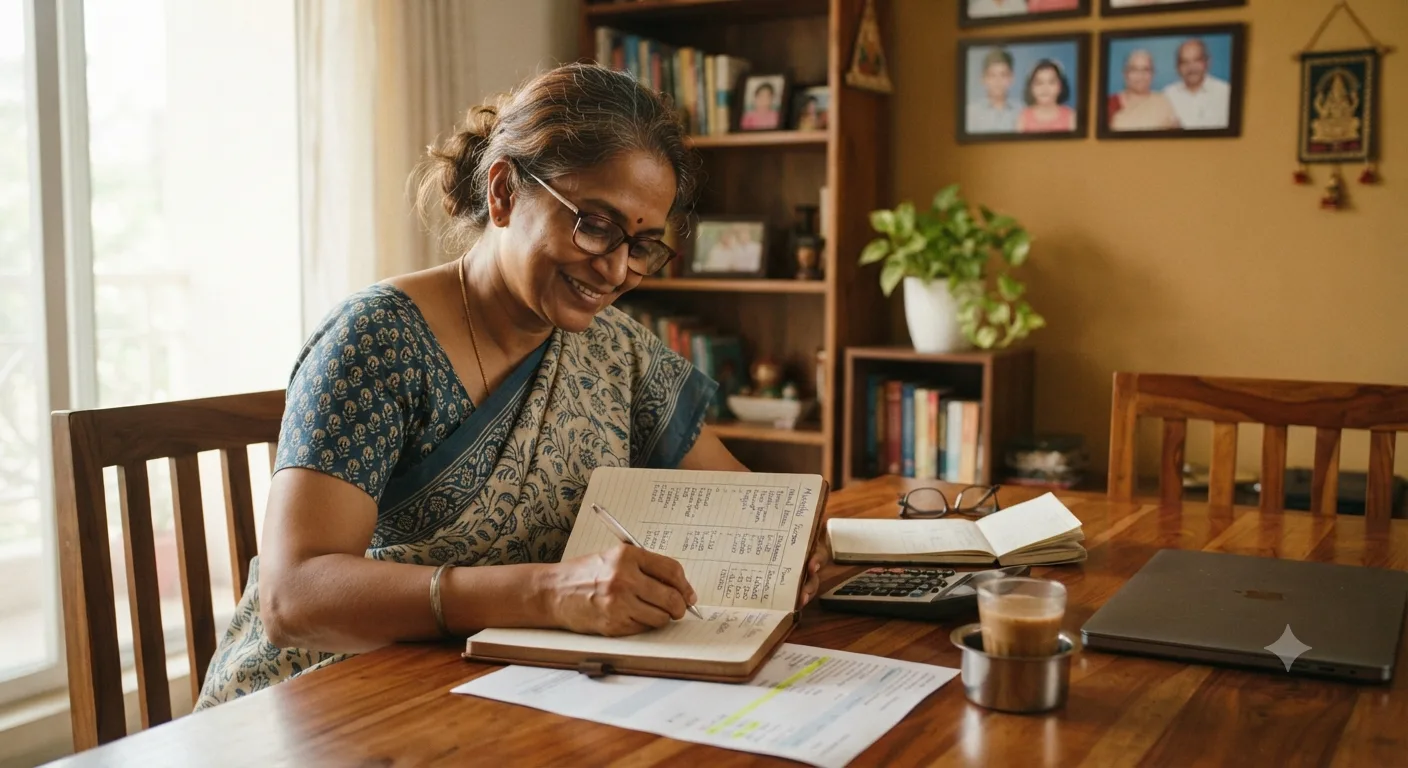
Explaining Net Worth: How to Calculate It?
Net worth is a simple yet powerful measure of your financial health. It shows the value of what you own after subtracting what you owe. Learn how to calculate your net worth, understand what the number means, and explore ways to grow it over time.

Debt Settlement vs Bankruptcy in India: Which One Is Right for You?
Debt settlement vs bankruptcy: both are paths out of a debt crisis, but they work completely differently. Debt settlement (also called OTS, or One Time Settlement) is a private negotiation where you pay a reduced lump sum to settle a loan. Bankruptcy, or personal insolvency under the IBC (Insolvency and Bankruptcy Code, 2016), is a court process where a tribunal manages your debts and assets. Settlement is faster, private, and keeps your assets intact. Insolvency is slower, public, and can involve losing property.

Debt Management 101: Snowball vs Avalanche - Which Is Better for You?
Two proven strategies. One goal: becoming debt free. The snowball method clears small debts first to build momentum. The avalanche method clears high interest debt first to save money. Which one you should use depends less on which is mathematically superior and more on which one you will actually finish.

What Is Minimum Due in ICICI Credit Card And What Does It Actually Cost You?
The minimum due in an ICICI credit card also called Minimum Amount Due or MAD is the smallest payment you can make each month to avoid a late payment charge. For most ICICI cards, this is 5% of the total outstanding balance, plus any unpaid EMI (equated monthly instalment) principal, interest, fees, and previous unpaid dues. Paying MAD keeps your account active. But interest keeps running on the rest.


Make smarter financial decisions.
Loan Settlement | Loan Consolidation | Credit Insights | FREED Shield
Get Started