Let’s talk
about Loans


75,000+
Customers served

₹450 Cr+
Total savings

4.8/5
Google rating
Browse Topics
5 CategoriesCredit Score
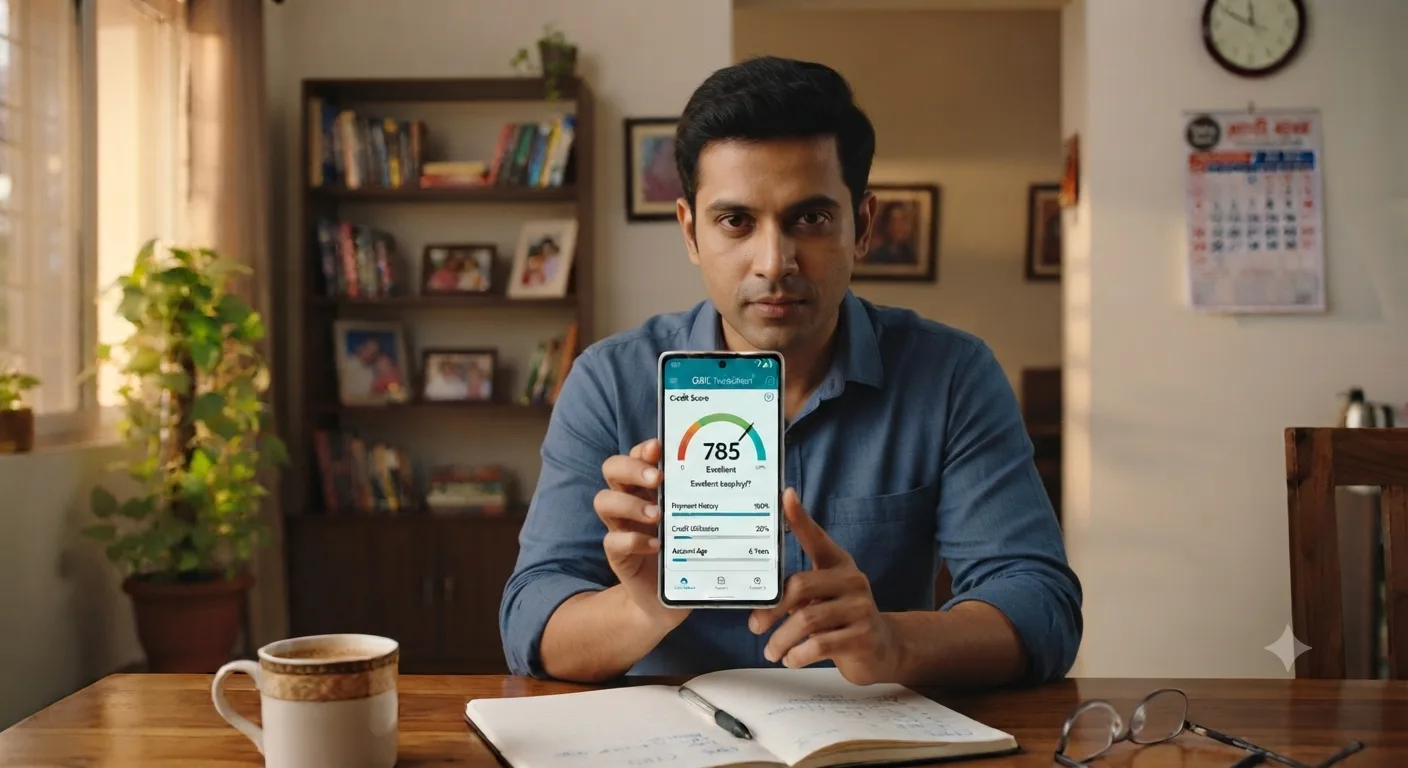
Credit Score Going Down? Here Is How You Can Improve It
A falling credit score is not a life sentence. It is a signal one that tells you something specific needs to change. This guide explains exactly what is dragging your score down and the practical steps to bring it back up.

What Should Be Your Optimal Credit Card Utilisation?
Ideal credit utilization sits below 30% of your total credit limit. Under 10% is even better if you're maximising your score. Utilisation is widely considered the second-biggest factor in your CIBIL score after payment history, though CIBIL does not disclose the exact weight assigned to each factor, the second-biggest factor after payment history. Persistently high utilisation may indicate greater reliance on revolving credit and can negatively affect how lenders assess your credit profile.
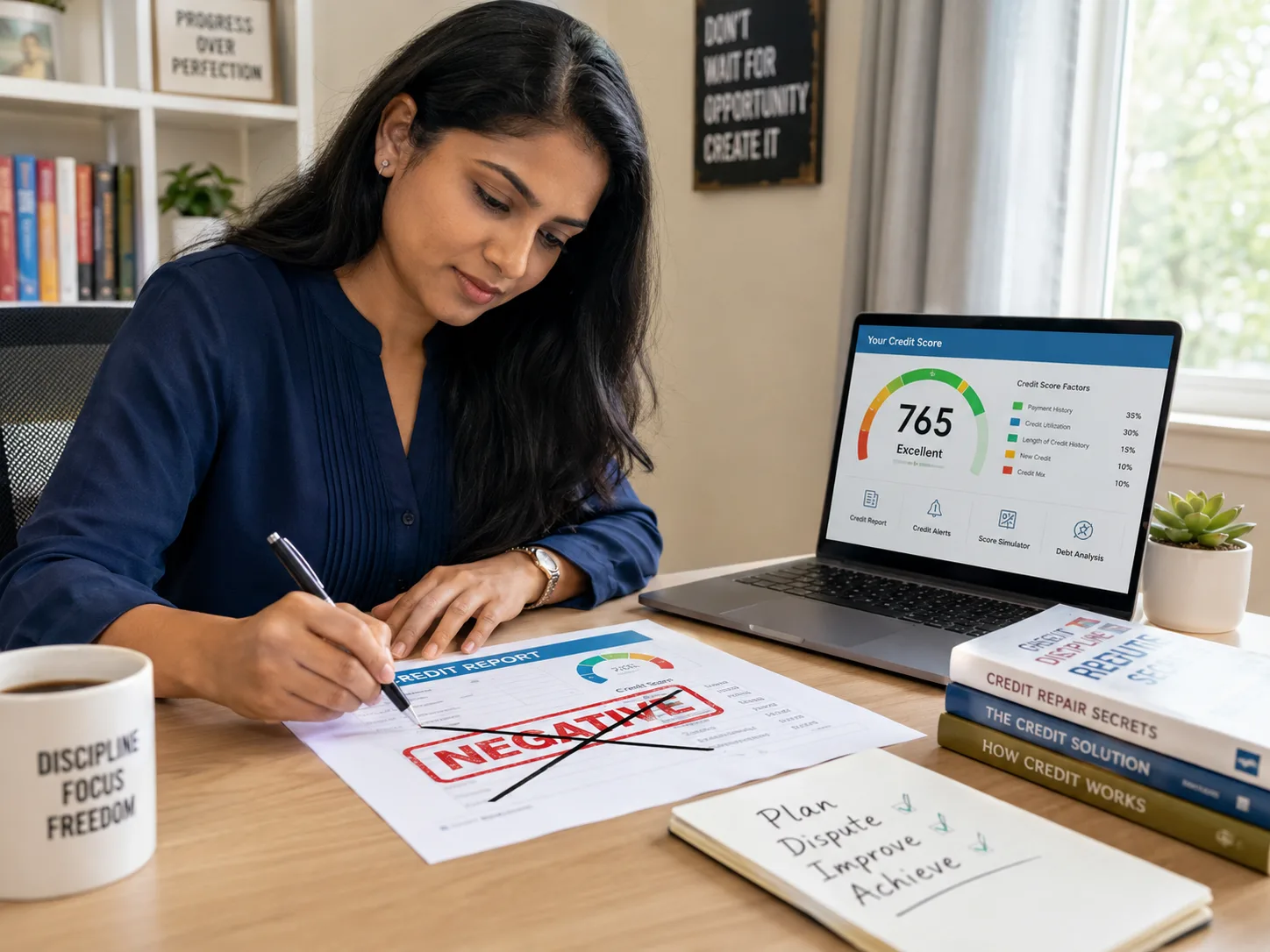
How to Remove a Written-Off Status From a Credit Report
You pulled your CIBIL report and saw a "Written-Off" mark sitting next to one of your old loans. Your score has dropped. New loan applications keep getting rejected. The good news: a Written-Off status is not permanent, and there is a clear way to get it changed. This guide walks you through exactly how.
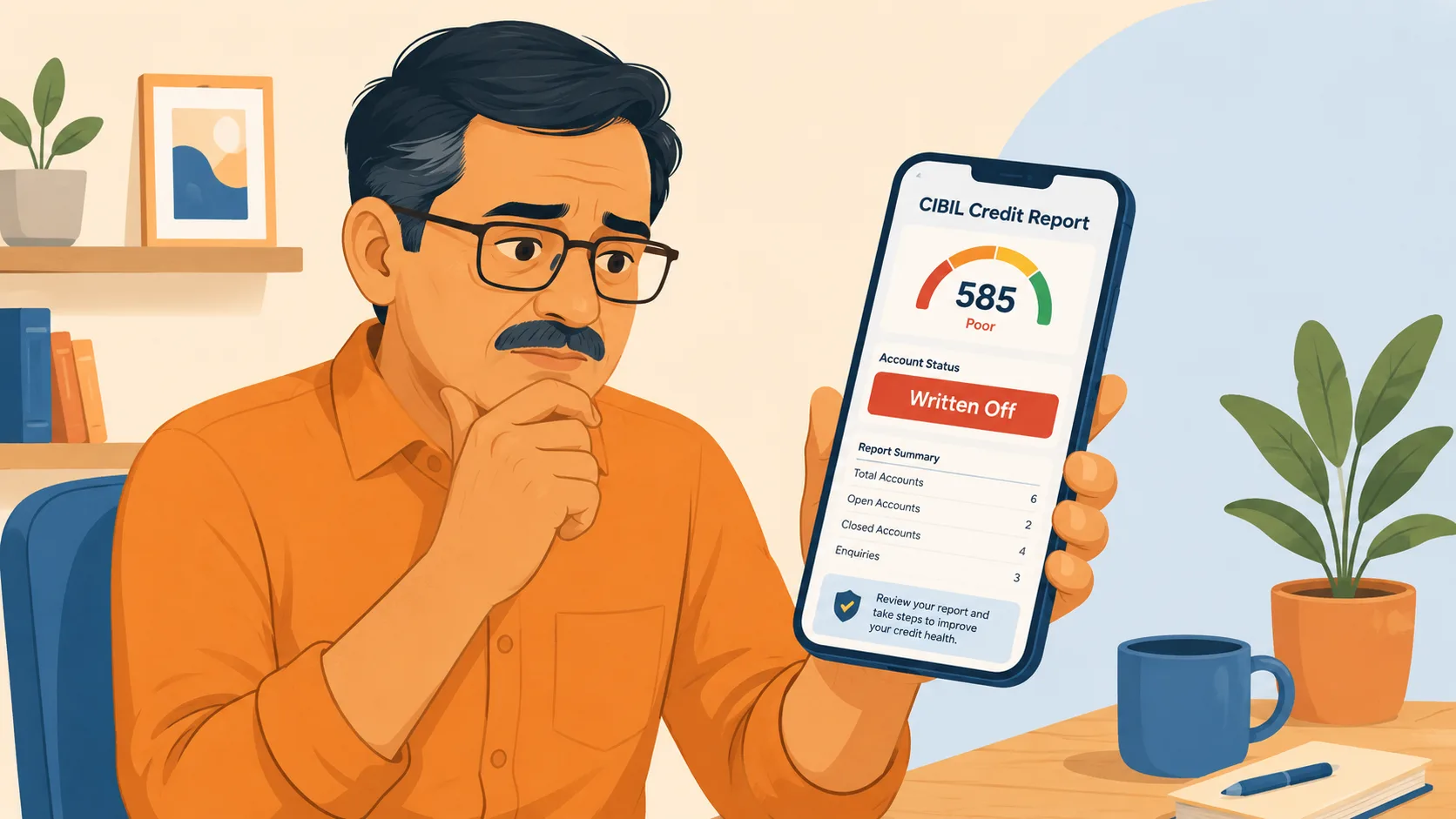
Bad Debts Written Off: Meaning, CIBIL Impact & Why You Still Owe the Money
You missed EMIs for months. The bank stopped calling. The loan disappeared from their statements. You thought it was over. It is not. The bank moved your loan off their books, but the debt is still yours. And it is quietly damaging your CIBIL right now.
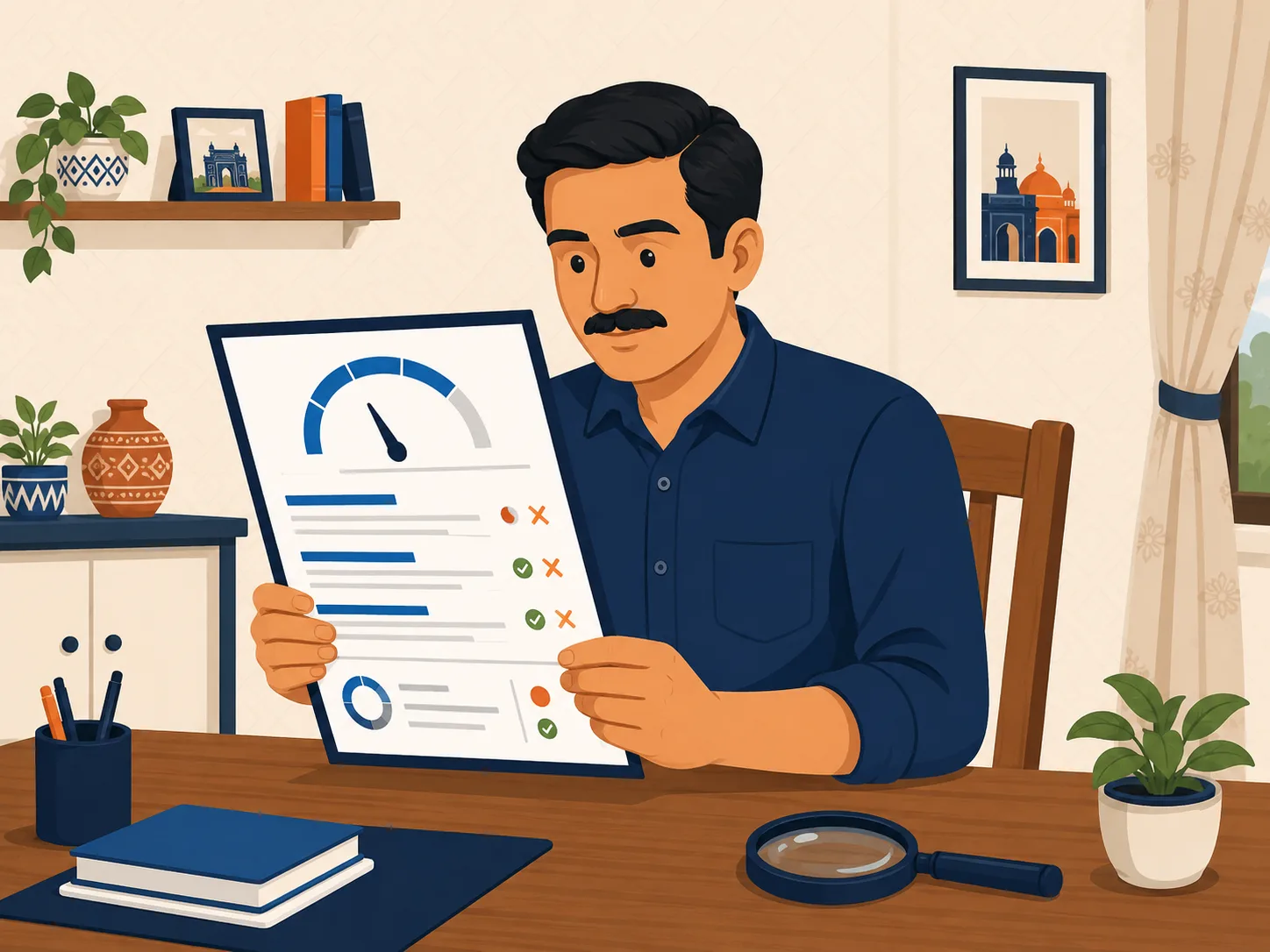
How to Check Your Correct CIBIL Score: Spot Errors & Dispute Them
You checked your CIBIL score on three apps. Three different numbers. One says 720, another 680, and the third says 590. Why are they different? And what if your report has a loan listed that is not even yours? Here is how to find your real score and fix the mistakes pulling it down.
HDFC CIBIL Score: What It Means for Loan Eligibility
HDFC CIBIL score requirements aren't fixed by law, but HDFC Bank generally prefers 750 and above for personal loans and credit cards, with 700 to 720 as the practical floor most applicants need to clear for approval.
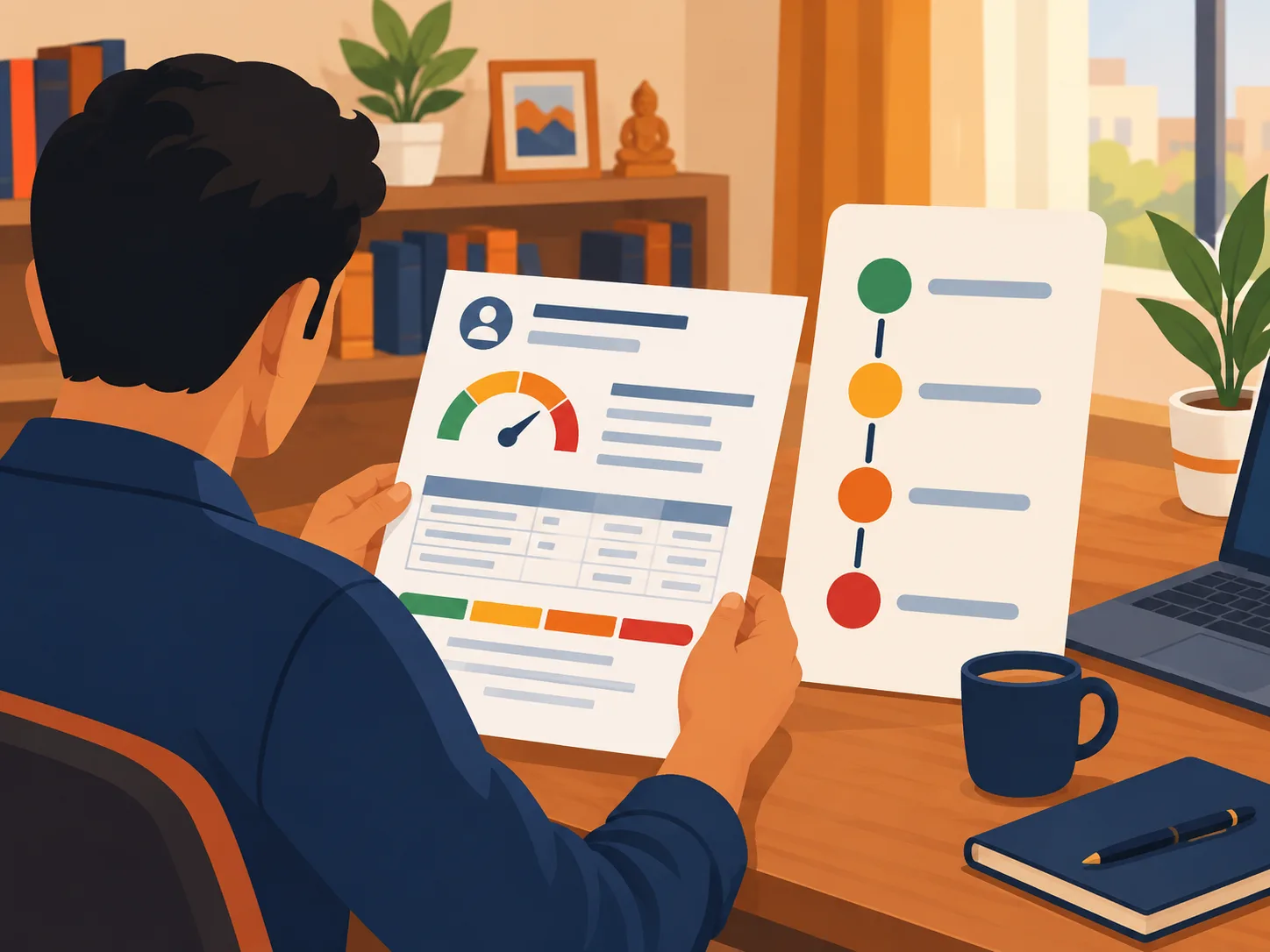
SMA in CIBIL: What SMA-0, SMA-1, SMA-2 Mean and How It's Reported
SMA in CIBIL refers to Special Mention Account, RBI's early-warning classification for loans that have missed a payment but haven't yet crossed the 90-day NPA threshold. SMA-0 covers 1 to 30 days overdue, SMA-1 covers 31 to 60 days, and SMA-2 covers 61 to 90 days, the last stage before an account is classified as an NPA.
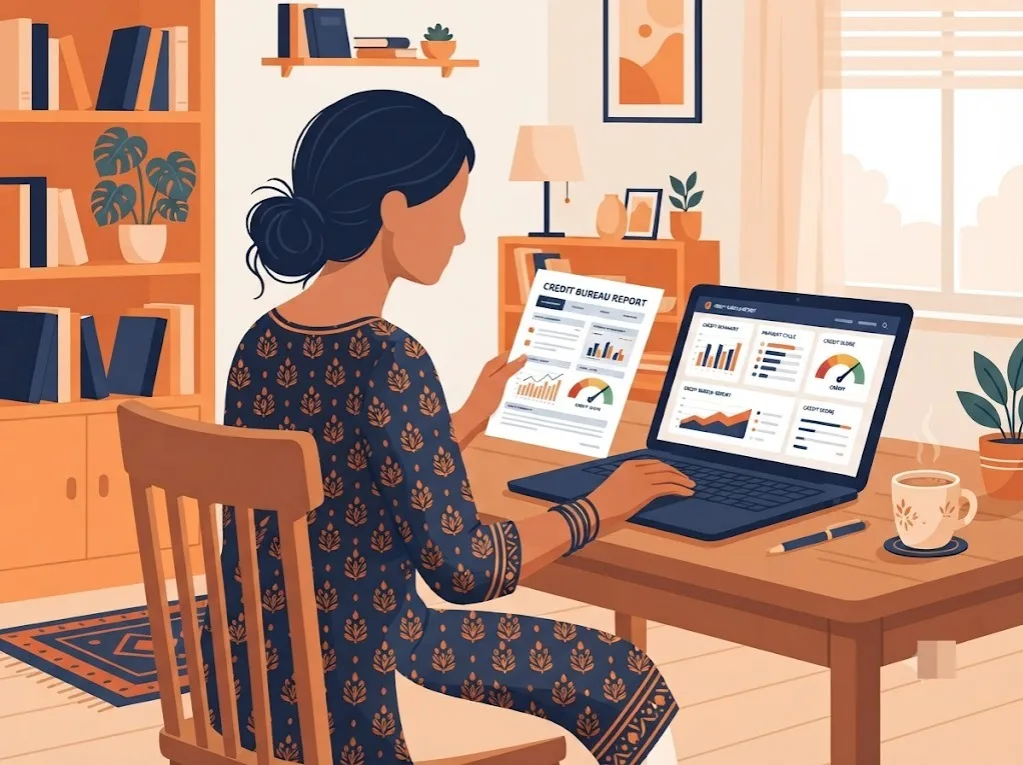
What Happens When You Are Reported to a Credit Bureau
Every EMI you've ever paid on time has been reported. So did the one you missed by three weeks last March. That's the part most people never quite absorb: being reported to a credit bureau isn't an event reserved for bad news; it's a monthly routine that happens to every open account you hold, whether you're a model borrower or three payments behind.


Make smarter financial decisions.
Loan Settlement | Loan Consolidation | Credit Insights | FREED Shield
Get Started