How to Check Your Correct CIBIL Score: Spot Errors & Dispute Them
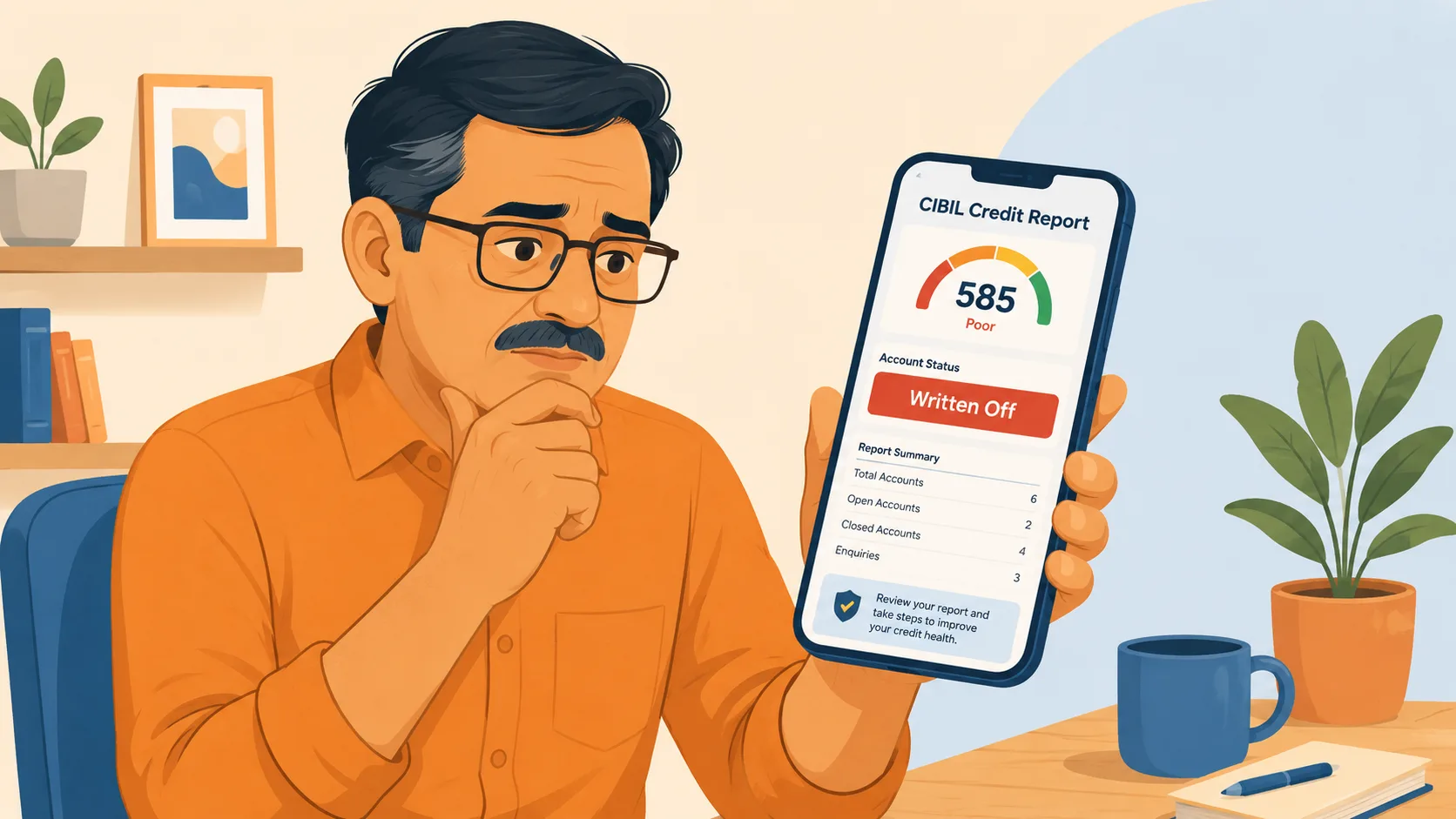
You checked your CIBIL score on three apps. Three different numbers. One says 720, another 680, and the third says 590. Why are they different? And what if your report has a loan listed that is not even yours? Here is how to find your real score and fix the mistakes pulling it down.
Mohit Juneja
Reviewed by FREED India, Debt Resolution Specialists
 4.7/5
4.7/5 ₹3,200Cr+
 20,000+
 20,00,000+4.7/5₹3,200Cr+20,000+20,00,000+
Key Takeaways

It is a good idea to check your CIBIL report regularly through the official CIBIL website.
Errors in credit reports are more common than many people realise.
Errors in your report can affect how lenders view your credit profile.
Most disputes can be raised online and are reviewed through a formal resolution process.
Settlement-related entries can affect future borrowing decisions, so it is important to understand their impact before choosing that option.
How to Check the Most Up-to-Date Version of Your CIBIL Score and Why Do Apps Show Different Numbers?
India has 4 credit bureaus: CIBIL (TransUnion CIBIL), Experian, Equifax, and CRIF High Mark. Each one maintains its own version of your credit history. When PhonePe shows one number, and Paytm shows another, it is not a glitch. There are 3 real reasons this happens:
They pull from different bureaus. A score from Experian and a score from CIBIL are two different calculations. Neither is wrong; they just use different data.
They cache old data. The number on a third-party app could be 30 or more days old. Your actual score may have moved since then, up or down.
Some apps show a range, not an exact score. "Your score is in the 650–680 range" is not the same as 665.
The only score that counts when a bank looks at your loan application is the one they pull themselves directly from the bureau. The only way you can see that same number is to go to the bureau's official website directly.
For CIBIL specifically, that means cibil.com. For Experian, it means experian. in. No app in between.
How to Check Your Correct CIBIL Score Online (Step by Step)
- The official CIBIL website, where you can access your TransUnion CIBIL report directly: This is the only place to get your real TransUnion CIBIL score directly.
- Click "Get Free CIBIL Score" in the top right corner. CIBIL provides access to credit reports through its official platform.
- Enter your PAN, name, date of birth, and mobile number exactly as on your PAN card. Any mismatch in details will block verification.
- Verify the OTP sent to your registered mobile. Keep your phone nearby.
- Answer 3 security questions about your past loans or cards. These confirm your identity. The questions are based on your actual credit history.
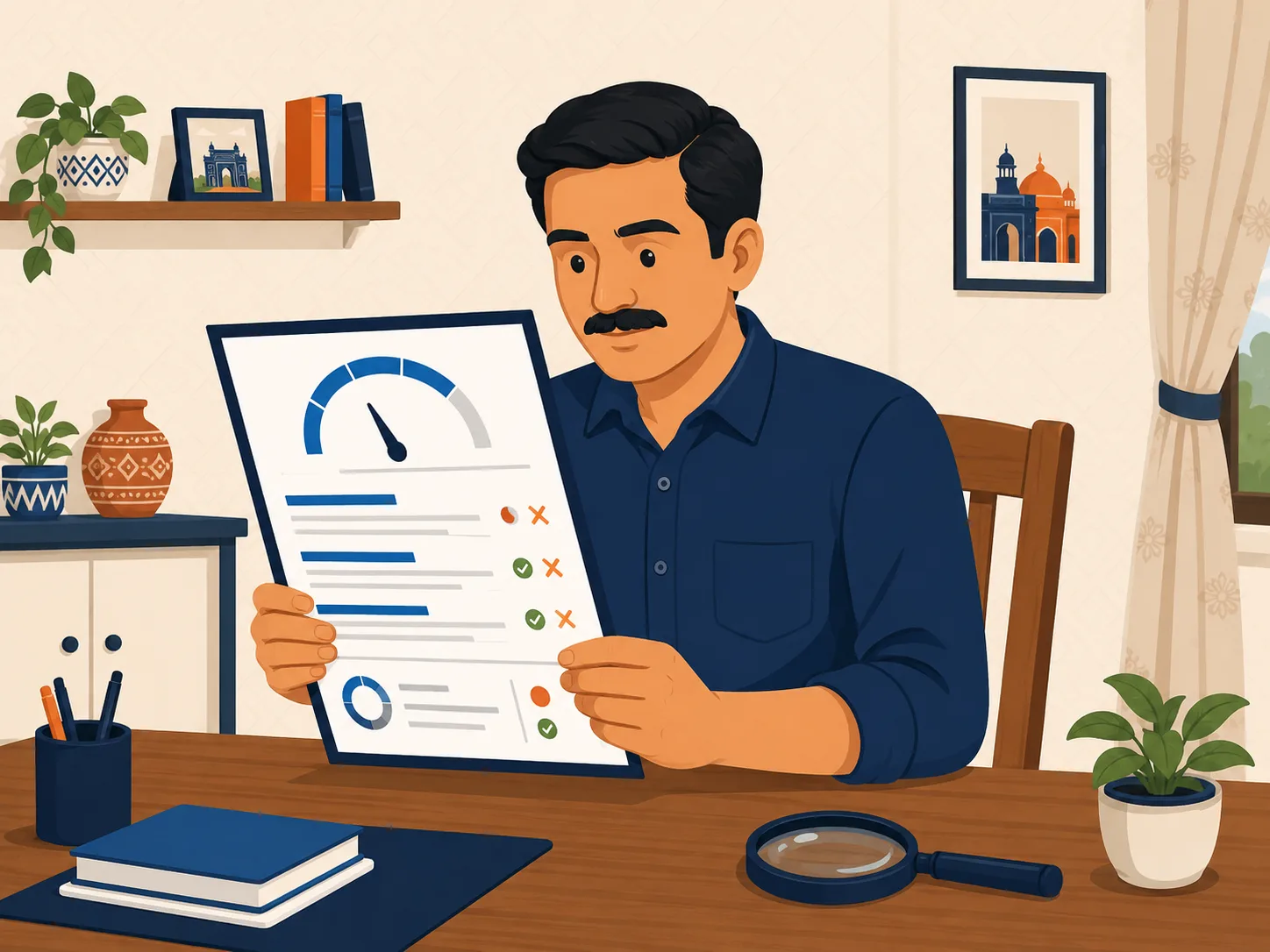
- Your score and full report appear instantly. You can download the full report as a PDF; do this. You will need it if you find any errors.
- One more option: most major banks now offer a free monthly CIBIL score check through their net banking or app. This is a soft check; it does not affect your score. Use it to track movement between your annual free checks.
As part of its review process, FREED helps borrowers understand the information appearing on their credit reports and identify potential issues that may need attention.
7 Common Errors That Make Your CIBIL Score Wrong
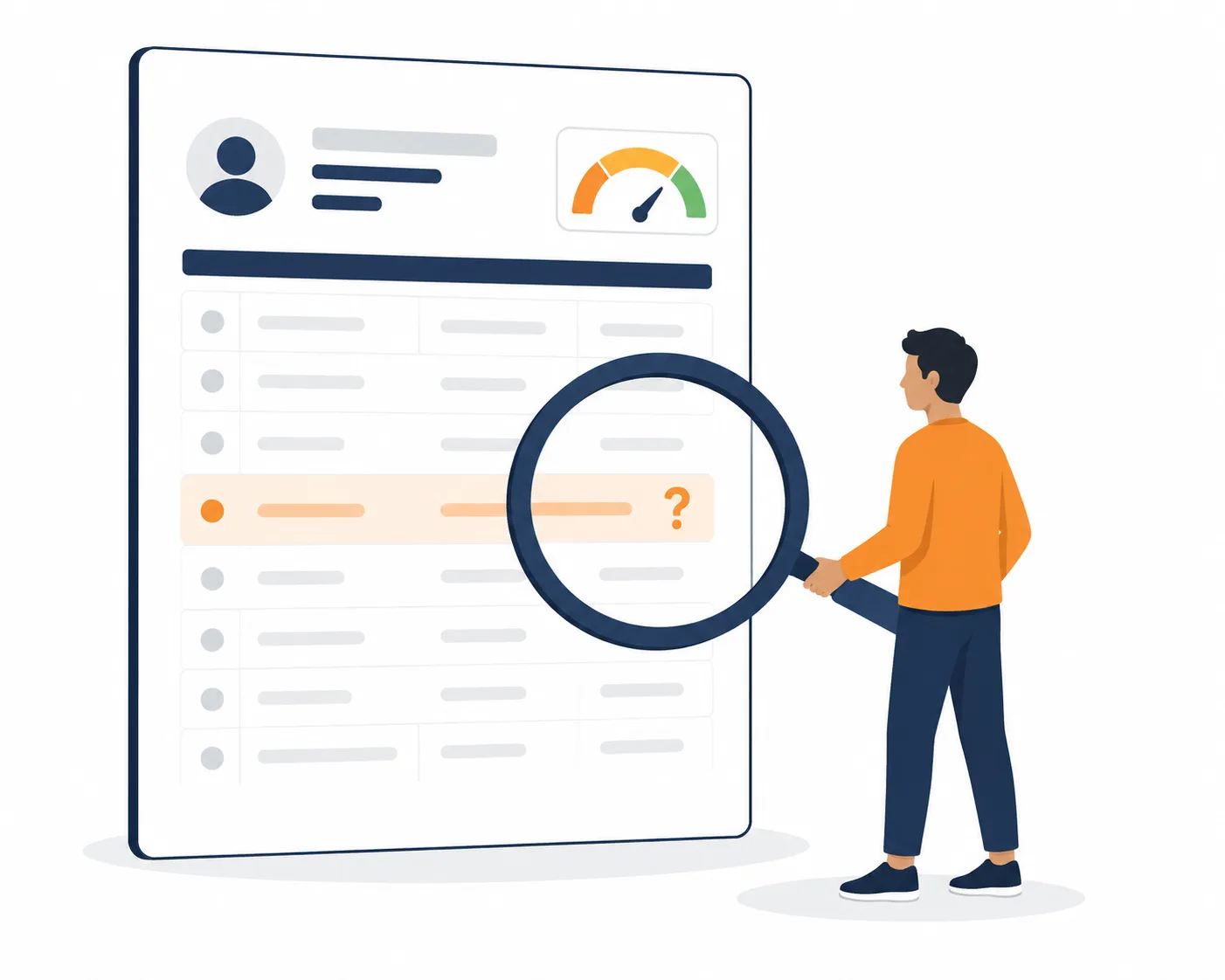
These are the errors that show up most often, and most of them are invisible until you download the full report.
- 1
Closed loan still showing as "Active"
A loan you finished paying years ago is still listed as open. The bank never updated the status. Your report shows an extra debt you do not have.
- 2
Wrong personal details: name spelling, date of birth, or PAN mismatch.
Even one character off in your name can cause matching issues and result in someone else's loans showing up on your report.
- 3
A loan you never took.
Either way, it is something that should be investigated and corrected as soon as possible.
- 4
Settled account wrongly marked "Written-Off"
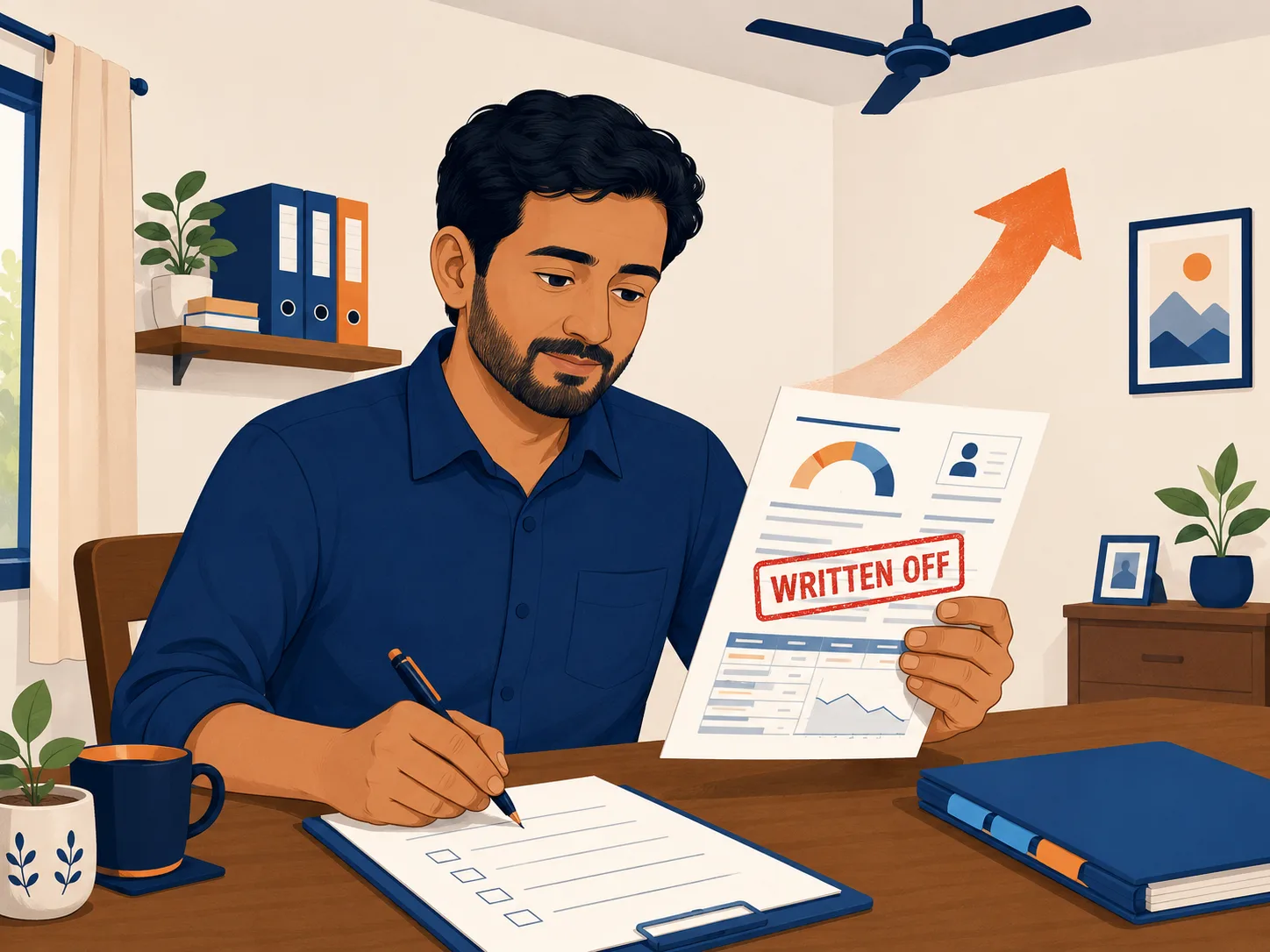
Settled" and "Written-Off" are two different statuses. Written-off is the worst one. Banks sometimes mix these up.It may affect how lenders assess your credit profile.
- 5
Duplicate accounts: the same loan listed twice.
One loan appearing as two separate accounts makes your total outstanding look double. Lenders see this as twice the risk.
- 6
Wrong DPD (Days Past Due, how many days late you were)
Your bank says you were 30 days late on an EMI. You were not. Because DPD (Days Past Due, a record of how late a payment was made) is an important part of your credit history, errors in this section should be reviewed carefully.
- 7
Old enquiries that should have dropped off
Every time a bank pulls your report for a loan application, it leaves a "hard enquiry." These should fall off after 2 years. If they are still showing after that, they may still appear on your report and should be reviewed.

FREED Expert Tip
When FREED pulls a customer's CIBIL report, we find at least one error in around 4 out of 10 cases. Most people never check and end up paying for it with a lower score for years. Get a free CIBIL report check.
Get My Free CIBIL ReviewHow to Dispute an Error on Your CIBIL Report (The Right Way)
Disputes That Get Resolved Fast | Disputes That Drag on for Months |
Clear proof provided: NOC, statement, or bank letter | Only a verbal claim, no documents |
Specific account number flagged in the complaint | Vague complaint: "everything looks wrong" |
Dispute raised within 30 days of spotting the error | Old issues raised after years of inaction |
Regular follow-up with the bureau and lender | Complaint filed once, then forgotten |
Both the bureau AND the bank notified separately | Only the bureau notified |
Account number, error type, and correction stated clearly | General "please fix my report" request |
While the dispute process is designed to be straightforward, some cases can take longer than others depending on the information involved. In practice, most people get stuck going back and forth between the bureau and the bank, each one pointing at the other. This is especially true when the disputed account is a settled loan or a written-off account. The paperwork needed is heavy, and the language between departments is technical.
If you are struggling to understand or resolve an issue in your credit report, FREED can help you review the situation, organise supporting documents, and understand the steps involved in the dispute process.
How a Wrong CIBIL Score Affects Your Life (and Your Loans)
You may think your CIBIL score only matters when you apply for a loan. It quietly shows up in more places than most people realise.
Your credit history may influence the terms offered on future loan applications.
Credit history is one of several factors lenders consider when assessing loan applications.
Lenders may periodically review existing credit facilities based on their internal policies. You wake up one day and find your ₹1 lakh limit has been cut to ₹40,000.
Certain employers, particularly in financial services roles, may review financial information as part of their hiring process.
In some situations, landlords or housing providers may request financial information before approving an application. A damaged score can mean a higher security deposit or an outright refusal.
Different organisations may use different factors when assessing applications and risk.
None of these happens because you are bad with money. They happen because a number, sometimes with an error in it, is being used to make decisions about your life.

What the Law Says
Under the Credit Information Companies (Regulation) Act, 2005, credit bureaus provide a formal process for borrowers to raise and track disputes related to their credit reports. If they do not, you can escalate to the RBI. Credit bureaus also provide access to credit reports through their official platforms. Understanding your rights can make it easier to take action if you spot an error in your report.
Talk to a FREED ExpertHow FREED Helps You Understand and Review Your Credit Report
- 1
We Pull Your Full CIBIL Report and Read It for You
Most people look at the 3-digit score and stop there. FREED looks at every account, every DPD marking, every old enquiry, and every closed loan still showing as open. Then we explain what the information means and how it may affect your credit profile.
- 2
We Help You Understand the Dispute Process
Wrong account showing up? Settled loan marked as written-off? Duplicate entry? FREED helps borrowers organise supporting documents, understand the dispute process, and identify the information needed to raise a correction request.
- 3
Understanding the Impact of Settlement on Your Credit Report
Settlement can affect future borrowing decisions because it becomes part of your credit history. If you have questions about a settled account, it is important to understand how it appears on your credit report and what options may be available. Settlement is not something a borrower chooses out of preference. Banks only consider it when you are in genuine financial
How Long Does CIBIL Score Recovery Take After a Settlement or Error?
Score recovery after fixing a report error typically takes 30–45 days once the bureau updates the information. After a settled account, full recovery to 750+ usually takes 18–36 months with consistent clean credit behaviour.
Here are the rough timelines for each situation:
Report error corrected: 30–45 days after the bureau updates and the bank confirms.
Missed EMI or DPD on record: 6–12 months of clean repayment to meaningfully recover.
Settled account: 18–36 months, depending on how many other accounts are in good standing.
Written-off account: 24–48 months from the date of correct closure reporting.
These timelines are not guarantees. They depend on how quickly your bank reports the update, how often the bureau refreshes your file, and what the rest of your credit behaviour looks like in the meantime.
One thing that consistently speeds recovery: keeping every other account credit card, active loan, utility completely clean while the damaged account is being worked on.
Timelines are indicative. Actual recovery depends on bank reporting cycles, bureau update frequency, and your overall credit profile. FREED is not a credit bureau and does not guarantee specific score outcomes.

Mohit Juneja
Mohit Juneja writes educational content at FREED on debt management, credit scores, loan repayment, and borrowing best practices. His content is shaped by expert insights and industry knowledge, helping readers better understand their financial options and make informed decisions.
mohit.juneja@freed.care

FREED is India's trusted loan management platform. Founded in 2020 and headquartered in Gurugram, FREED has counselled 20 lakh+ people on personal loans, credit cards, and app loans. FREED charges fees only on successful settlement, not upfront. FREED does not handle secured loans (home loans, car loans, gold loans).
Media Mentions