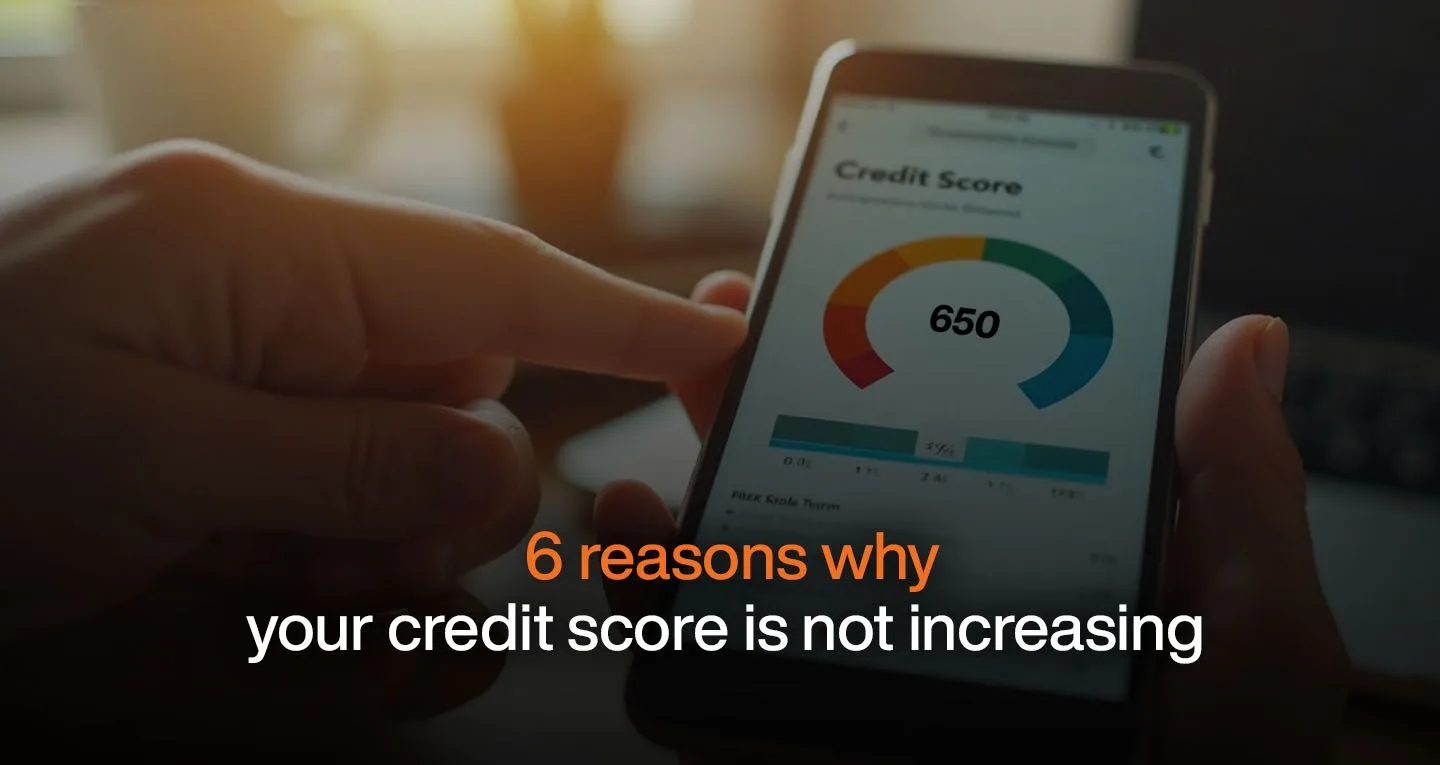
What Does LSS Mean in CIBIL? The 'Loss' Tag, Explained
If your CIBIL report shows LSS next to a loan, the bank has marked it as a loss. Your score has dropped sharply, and other banks now see you as high-risk. Here's what it really means, and how to fix it properly.
Mohit Juneja
Reviewed by FREED India, Debt Resolution Specialists
 4.7/5
4.7/5 ₹3,200Cr+
 20,000+
 20,00,000+4.7/5₹3,200Cr+20,000+20,00,000+
Key Takeaways

LSS in CIBIL stands for "Loss Asset". It means the bank has declared the loan unrecoverable and written it off their books.
LSS is the worst asset classification stage. It comes after SUB (Sub-Standard) and DBT (Doubtful).
A loss tag can drop your CIBIL score by 100 to 250 points and stays on your report for 7 years.
The loan is written off in the bank's books, not yours. You legally still owe the money.
You can fix it. Settle the dues the right way, get the status updated to "Settled" or "Closed", and rebuild your score over 18 to 24 months
What Does LSS Mean in CIBIL Report?
LSS stands for Loss Asset. It is a status that banks and NBFCs use to mark a loan they have given up on. When you see LSS next to a loan on your CIBIL report, it means the bank has officially classified that loan as unrecoverable in their internal books.
This is part of an RBI rulebook called IRAC norms (Income Recognition and Asset Classification). Every Bank and NBFC in India follows it. Under this framework, a loan first becomes an NPA (Non-Performing Asset) after 90 days of non-payment, then moves to Sub-Standard, then to Doubtful, and finally to Loss once it has been classified as Doubtful for 12 months or more. The bank then writes it off their balance sheet.
But here is the part most people miss. Writing off is not the same as waiving the loan. You still owe the money. The bank just stops counting it as an asset they expect to recover. The loan, and the LSS tag, sit on your CIBIL report.
As per RBI's IRAC norms, an account moves to "Loss" once it has been classified as Doubtful for over 12 months.
The 4 Asset Classification Stages: Where LSS Sits
Stage | Code | When it happens | Score impact |
Standard | STD | Loan paid on time | None |
Sub-Standard | SUB | Overdue 90+ days (becomes NPA) | -50 to -100 points |
Doubtful | DBT | NPA for 12+ months | -100 to -200 points |
Loss | LSS | Doubtful for 12+ months, unrecoverable | -150 to -250 points |
LSS is the final stage. By the time a loan hits this status, it has been stuck for nearly 3 years. Every Bank and NBFC follows this same RBI framework, so the LSS tag is recognised across the industry.
Why Did My Loan Get an LSS Tag?
People rarely wake up to an LSS tag. It builds up over years. Here are the 5 most common reasons:
1. Sustained non-payment over multiple years This is the biggest trigger. Under RBI’s IRAC norms, a loan moves from NPA to Sub-Standard to Doubtful, and finally to Loss once it has been in the Doubtful stage for 12 months or more. The full journey typically takes several years of non-payment.
2. Recovery attempts failed The bank sent notices, made calls, maybe sent recovery agents. Nothing worked. They marked the loan as a loss in their books.
3. You moved or changed your number without informing the bank The bank lost contact with you. No payment, no response, no way to reach you. The loan rolled into LSS automatically.
4. The loan was unsecured Personal loans, credit cards, and app loans have no collateral. When you stop paying, banks cannot seize anything. They give up faster and tag it LSS.
5. An informal settlement that was never reported This is rare but it happens. You paid some money, thought the matter was closed, but the bank never updated CIBIL. The loan continued ageing in the system until it hit LSS.

FREED Expert Tip
Many borrowers find out about an LSS tag only after a new loan gets rejected. Don't wait for that moment. Pull your CIBIL report today. You can get it free once a year directly from cibil.com.
Talk to a FREED counsellor →How Does LSS Affect Your Life?
An LSS tag is not just a number on a report. It quietly changes a lot of things in your financial life.
Your CIBIL score crashes
The drop is usually 100 to 250 points. If your score was 720 before, you are now looking at 470 to 620. That is the difference between "good borrower" and "high-risk borrower" in the eyes of every bank.
Future loans get rejected
Banks and NBFCs see LSS as a red flag. Even secured loans become very hard to get. Co-applicants get questioned. Existing relationships with your salary bank may also turn cautious.
Credit cards get cancelled or limits cut
Existing cards may get reviewed. Some banks reduce limits. Some cancel cards quietly. New card applications almost always get rejected.
Higher interest if any loan does get approved
A few NBFCs may still approve a loan, but at very high interest rates. You end up paying much more than someone with a clean record.
Job applications can be affected
Banks, NBFCs, and many government jobs run CIBIL checks before hiring. An LSS tag can quietly knock you out of the shortlist.

What the Law Says
Under RBI's Master Circular on Asset Classification (IRAC norms), banks have to follow a strict process before marking a loan as Loss. They must serve notices, attempt recovery, and document every step. If your loan was marked LSS without this due process, you have the right to dispute it.
How to dispute CIBIL errors →Can You Fix an LSS Status? Yes, Here's How
The LSS tag is fixable. It takes time and the right steps, but it is absolutely possible. Here is what the journey looks like:
01. We pull your full CIBIL report At FREED, we verify the LSS tag, check the date, and confirm which Bank or NBFC reported it.
02. We stop you from making random part payments Paying without an agreement gets recorded as "Partial Payment", not "Settled". This does not fix the LSS tag.
03. We negotiate a One-Time Settlement with the bank Our team works directly with banks and NBFCs to bring the settlement amount to a fair number.
04. We get you a No-Dues Certificate in writing This is non-negotiable. Without an NOC, you have no legal proof that the matter is closed.
05. We make sure CIBIL is updated We track the status update from LSS to "Settled" This usually takes 30 to 45 days after settlement.
06. We help you rebuild your score On-time payments, low utilisation, and a small secured credit card can get you back above 700 in 18 to 24 months.
Why Settling an LSS Account Yourself Is Risky
LSS accounts look simple on paper. Pay the bank, fix the report. In real life, it almost never works that way.
- Settlement Amounts vary widely, and knowing the right range matters
- Without knowing the right settlement range for your case, you may accept an amount higher than what is actually needed
- Most DIY settlements never get reported correctly. Borrowers pay the money and still see LSS sitting on their report for years.
- One missed clause in the settlement letter can let the bank re-claim the full amount later. You think it's over. It isn't.
- Banks have professional collection teams trained to maximise recovery. You are alone, anxious, and on the back foot.
At FREED, we work directly with banks and NBFCs to get LSS accounts settled at fair amounts and make sure the CIBIL status gets updated properly. We have helped over 20,000 15,000 Indians clean up LSS, written-off, and doubtful accounts. We know which banks negotiate, what kind of offers move forward, and how to make sure the paperwork protects you for the long run.
Settlement amounts are decided by the Bank or NBFC based on each case. FREED is not a Loan Provider and does not guarantee any specific outcome. All terms should be verified directly with the Bank or NBFC before any payment.
Have an LSS tag on your CIBIL?
Free assessment with a FREED counsellor. We will tell you exactly what your settlement options look like.
Get My Free CIBIL AssessmentHow long does it take to get your score back after fixing LSS?
Recovery is a process, not an event, So here is a realistic timeline once the LSS is settled and properly reported:
0 to 3 months post settlement: status moves to "Settled". Score climbs 30 to 60 points.
6 to 12 months: small but steady score gains from on-time payments on any new credit line.
12 to 24 months: score crosses the 650 to 700 range with consistent activity.
24 to 36 months: score touches 730 to 750 if no fresh defaults happen.
7 years: the full record drops off the report. Your score normalises completely.
FREED clients with settled LSS accounts have seen score recovery of 80 to 150 points within 12 months of resolution.
What If the LSS Is Wrong? How to Dispute
Sometimes the LSS tag is a mistake. Wrong amount. Already settled. Identity mix-up. A loan you already cleared still showing as unpaid. These happen more often than people think.
Here is the dispute process:
- Pull your full CIBIL report and identify the disputed account.
- File a dispute online directly at cibil.com. It is free.
- The Bank or NBFC has 30 days to respond, as per RBI's CIC Regulations.
- Keep every receipt, NOC, and email of past communication. You will need them as proof.
If the dispute is genuine, the LSS tag gets removed or corrected. Common valid disputes are wrong amount, already settled, identity mix-up, or a paid loan still showing open.
Don't let one bad chapter define your credit life.
FREED has helped 60,000+ Indians clean up their CIBIL legally.
Talk to a FREED Expert
Mohit Juneja
Mohit Juneja writes educational content at FREED on debt management, credit scores, loan repayment, and borrowing best practices. His content is shaped by expert insights and industry knowledge, helping readers better understand their financial options and make informed decisions.
mohit.juneja@freed.care

FREED is India's trusted loan management platform. Founded in 2020 and headquartered in Gurugram, FREED has counselled 20 lakh+ people on personal loans, credit cards, and app loans. FREED charges fees only on successful settlement, not upfront. FREED does not handle secured loans (home loans, car loans, gold loans).
Media Mentions