SMA in CIBIL: What SMA-0, SMA-1, SMA-2 Mean and How It's Reported
SMA in CIBIL refers to Special Mention Account, RBI's early-warning classification for loans that have missed a payment but haven't yet crossed the 90-day NPA threshold. SMA-0 covers 1 to 30 days overdue, SMA-1 covers 31 to 60 days, and SMA-2 covers 61 to 90 days, the last stage before an account is classified as an NPA.

Mohit Juneja
Reviewed by FREED India, Debt Resolution Specialists
 4.7/5
4.7/5 ₹3,200Cr+
 20,000+
 20,00,000+4.7/5₹3,200Cr+20,000+20,00,000+
Key Summary

SMA (Special Mention Account) is RBI's early-warning classification, introduced to flag stress before an account becomes an NPA (Non-Performing Asset).
SMA-0 (1 to 30 days overdue), SMA-1 (31 to 60 days), and SMA-2 (61 to 90 days) mark increasing levels of risk, with SMA-2 being the last stage before NPA.
SMA classification applies to loans, including retail loans, based on the applicable overdue period. Separately, lenders report certain borrower information, including SMA classification, to CRILC for exposures meeting the applicable ₹5 crore threshold.
What a retail borrower actually sees on their own CIBIL report is usually a DPD (Days Past Due) entry, not necessarily a labeled "SMA" tag, though the underlying 30/60/90-day logic is the same.
SMA-2 is the last real window to act before an account crosses into NPA territory and the consequences can become more serious and available resolution options may become more limited or lender-specific.
What Does SMA Mean in Banking?
Special Mention Account (SMA) is RBI's classification for a loan that has missed a payment but hasn't yet reached NPA (Non-Performing Asset) status. It exists for one specific reason: to make lenders act on early signs of stress instead of waiting until a loan has fully defaulted.
The 2019 Prudential Framework for Resolution of Stressed Assets sets out the SMA framework used to identify stress before an account becomes an NPA.
SMA sits in the middle. Not on-time, not yet NPA, a zone built specifically for corrective action. That's worth sitting with for a second, because it's easy to read "SMA" as some kind of penalty marker. It isn't. It's a monitoring mechanism, closer in spirit to a smoke detector than a citation.
Understanding the stages a loan moves through before NPA helps here too, since SMA is one part of a longer progression, not a standalone event.

Spotted an Unfamiliar Entry on Your Report?
Talk to a FREED counsellor for a free, no-obligation read on what it actually means.
Start My Free AssessmentSMA-0, SMA-1, SMA-2: The Three Stages Explained
orange and navy colour palette, no faces visible, no logos, 4:3 ratio.
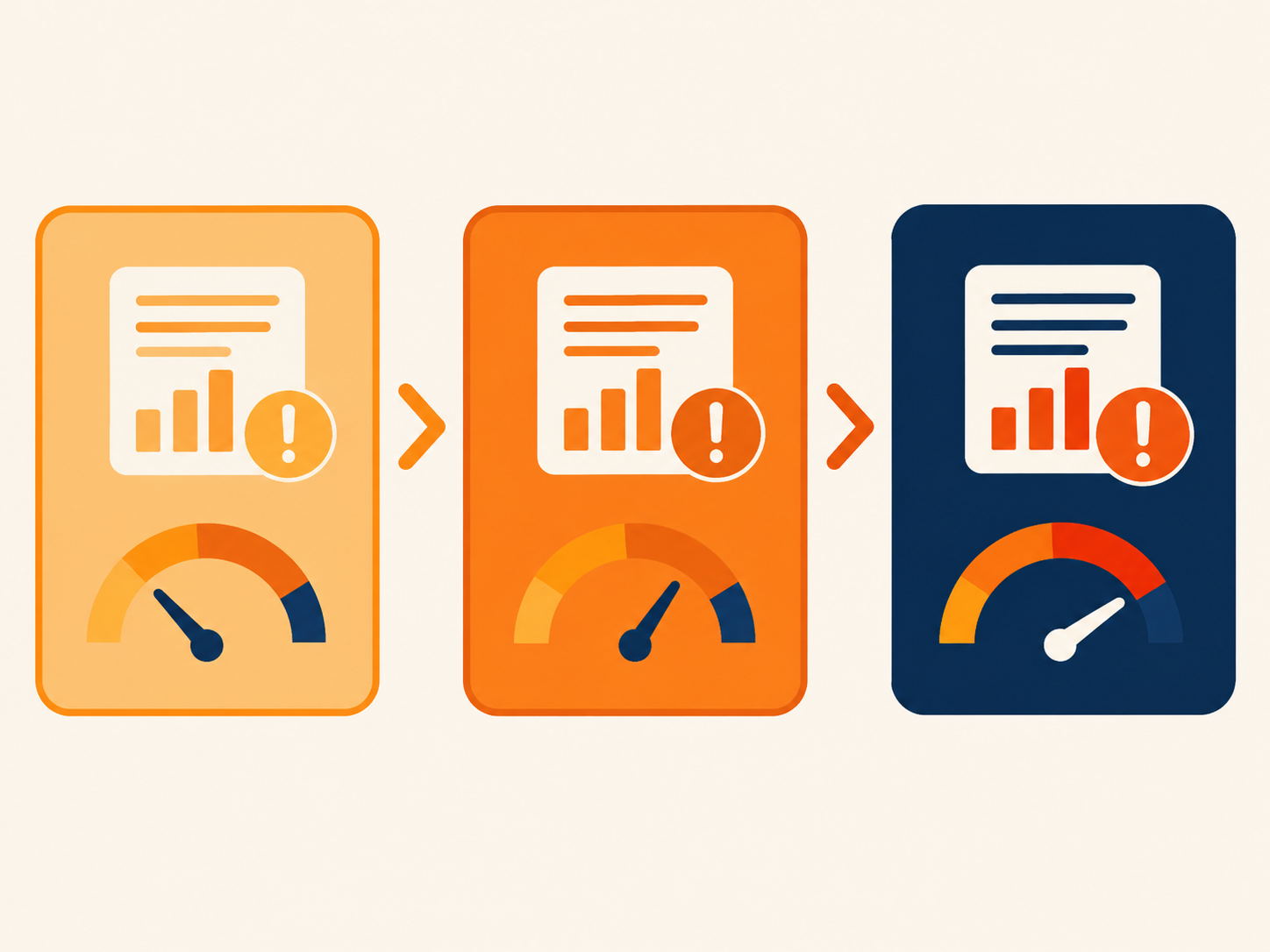
RBI's Prudential Framework breaks the pre-NPA window into three bands, each one a step further into risk.
- SMA-0: 1 to 30 days overdue. The first sign of a missed payment. This is the earliest SMA stage and gives the borrower an opportunity to address the overdue amount before the account progresses further.
- SMA-1: 31 to 60 days overdue. A second missed cycle. By this point, whatever caused the delay wasn't caught or resolved the first time around.
- SMA-2: 61 to 90 days overdue. The most serious pre-NPA stage. This is the last point before the account crosses into formal NPA classification on day 91.
Most retail readers won't run into this one, so it's worth knowing it exists without dwelling on it.
Does SMA Actually Show Up on a Retail CIBIL Report?
This is the part most articles on this topic skip past, and it's usually the actual reason someone lands on this page.
RBI's formal CRILC (Central Repository of Information on Large Credits) reporting requirement is weekly and applies to a lender's aggregate exposure of ₹5 crore and above per borrower. That threshold was built for large corporate and business exposures. A typical personal loan or credit card doesn't come anywhere close to it.
Your credit report may show DPD and, depending on how the lender reports the account, an asset-classification indicator such as SMA. The exact fields and terminology can vary. For applicable loan accounts, the overdue period is an important basis for SMA classification.
That said, this isn't a clean, universal rule. Some lenders' internal systems, and even some CIBIL report formats, do use SMA-style language on retail accounts too. Whether you personally see "SMA" or just a DPD count on your own report can genuinely depend on which lender you're dealing with.
If a DPD count is what you're actually looking at, the DPD entry your report actually shows breaks down how to read it.

FREED Expert Tip
If your account has hit SMA-1 or SMA-2, that's still before NPA.
Check your full DPD entrySMA vs DPD vs NPA: How the Three Terms Relate
Term | What It Measures | When It Applies |
DPD (Days Past Due) | Exact number of days a payment is overdue | From the day a payment is missed |
SMA-0/1/2 (Special Mention Account) | Risk classification band built on DPD | 1 to 90 days overdue, in three stages |
NPA (Non-Performing Asset) | Formal default status | From day 91 overdue onward |
SMA and NPA aren't interchangeable, worth stating plainly. SMA is the pre-NPA warning zone. Once an account actually crosses into NPA, that's a different, more serious classification, and what actually happens once an account crosses into NPA is a meaningfully different conversation from anything covered here.
Why SMA-2 Is the Window That Actually Matters?
SMA-2 runs from day 61 to day 90 overdue. Day 91 is where NPA classification kicks in. That makes SMA-2 the last real window before the account's status changes formally, and it's genuinely the most useful point to act.
Acting before an account becomes an NPA can give a borrower and lender more scope to discuss available repayment or resolution options. Once an account becomes an NPA, the consequences can become more serious and the available options may depend on the lender, loan type and borrower circumstances.
None of this needs urgency for its own sake. The facts carry enough weight on their own: catching a problem at SMA-1 or SMA-2, rather than letting it drift into NPA, is exactly the point where consolidation still has room to work.

What the Law Says
RBI's Prudential Framework requires lenders to classify stressed accounts into SMA-0, SMA-1, or SMA-2 the moment a payment is missed, before the account can be treated as NPA.
Check your optionsHow FREED Helps Before an Account Reaches NPA?
Someone whose account has moved into SMA-1 or SMA-2, but who can still make payments given the right structure, is exactly the profile FREED's consolidation program is built for. That's a different situation from an account that's already crossed into NPA and genuinely can't be repaid, which is a settlement scenario and not what this piece is about.
FREED's Loan Consolidation Plan (LCP), also known as the Debt Consolidation Program (DCP) or "Reduce My EMI," is built for people who can still repay but need a smarter way to manage what they owe. Where the assessment uses a soft inquiry, checking your credit information itself does not affect your CIBIL score.
The matched consolidated loan pays off your existing eligible unsecured debts instantly, replacing several EMIs and lenders with one, before those underlying accounts have a chance to drift further toward NPA. FREED assesses your financial profile and may match eligible borrowers with lending partners. The impact of any new credit facility on a credit report depends on the individual's profile, lender reporting and repayment behaviour.
Are You in a Loan Trap? Quick Check
Move the slider to your total EMIs as a % of monthly salary. See your debt stress level instantly.
EMIs as % of Monthly Salary
What to Do If You Spot an SMA or DPD Entry on Your Report
Pull your own CIBIL report and check the DPD grid directly. Don't work off assumptions about what stage you might be in.
Clear a genuinely overdue payment as soon as you can. SMA-0 and SMA-1 are both well within a recoverable window.
Check your total EMI load if this isn't a one-off slip. An overdue caused by juggling several loans at once is a different problem than a single missed payment.
Contact your lender directly if an entry looks wrong. Disputing an inaccurate DPD or SMA remark is a legitimate first step, not an overreaction.
Don't wait for SMA-2 or NPA before acting. Options narrow sharply once you're past that point.
Sourcing Table
Claim | Source |
SMA framework introduced under RBI's Prudential Framework for Resolution of Stressed Assets, requiring SMA-0/1/2 classification the moment a payment is missed | RBI/2018-19/203 DBR.No.BP.BC.45/21.04.048/2018-19, June 7, 2019, rbi.org.in |
CRILC weekly reporting applies to lenders' aggregate exposure of ₹5 crore and above per borrower | RBI/2018-19/203 DBR.No.BP.BC.45/21.04.048/2018-19, June 7, 2019, rbi.org.in |

Mohit Juneja
Mohit Juneja writes educational content at FREED on debt management, credit scores, loan repayment, and borrowing best practices. His content is shaped by expert insights and industry knowledge, helping readers better understand their financial options and make informed decisions.
mohit.juneja@freed.care

FREED is India's trusted loan management platform. Founded in 2020 and headquartered in Gurugram, FREED has counselled 20 lakh+ people on personal loans, credit cards, and app loans. FREED charges fees only on successful settlement, not upfront. FREED does not handle secured loans (home loans, car loans, gold loans).
Media Mentions