Let’s talk
about Loans


75,000+
Customers served

₹450 Cr+
Total savings

4.8/5
Google rating
Browse Topics
5 CategoriesCredit Score

No Credit Score? Here Is How to Get Started
A credit score of NH or NA means you have no credit history yet. It is not a bad score. It is a blank page. Here is the specific, step-by-step way to build a strong credit profile from zero in India.

Does mPokket Affect Your CIBIL Score?
mPokket is a registered lending platform that reports every loan to credit bureaus like CIBIL. Repaying on time builds your credit history. Missing payments or settling a loan for less than you owe brings your score down, and stays on record for years.
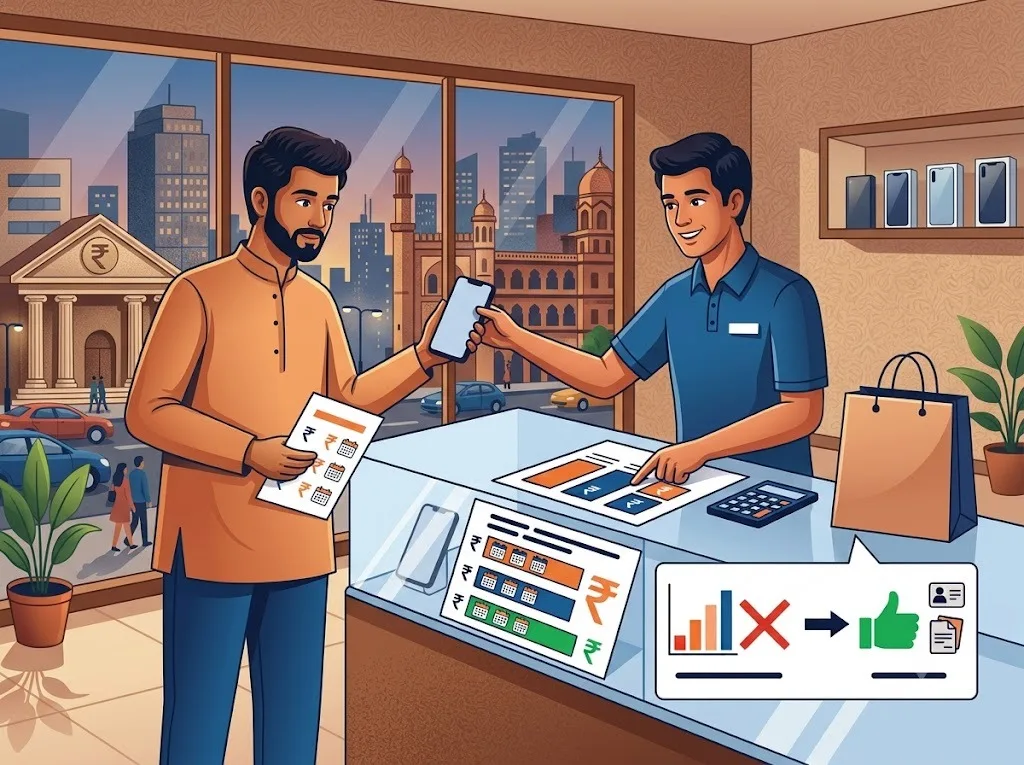
Mobile on EMI Without CIBIL Score: Which Retailers and Finance Companies Actually Offer It
Getting a mobile on EMI without a CIBIL score is possible in India. Several finance companies, including Bajaj Finserv, Home Credit, and BNPL platforms, approve consumer durable loans based on income, documents, and internal scoring rather than a bureau score. Most large retailers, from Croma to Reliance Digital, partner with at least one such NBFC. The conditions and interest rates differ significantly from standard credit-card EMI.

What Is a Good CIBIL Score vs a Low One? The Minimum CIBIL Score and How Banks Check It
A minimum CIBIL score is the lowest score a bank or NBFC (non-banking financial company, a lender that isn't a traditional bank) will accept before approving a loan or credit card. Most banks want 700 or higher for credit cards, and somewhere between 650 and 750 for personal loans. There is no single official cutoff. Each bank sets its own bar, based on the product and your full profile.

How Is the CIBIL Score Different From a Credit Score? Meaning of CIBIL Score Explained
A CIBIL score is a 3-digit number between 300 and 900 that shows how you have handled credit in the past. It comes from TransUnion CIBIL, using your loan and credit card repayment history. A higher number means banks see you as more reliable. Every EMI you pay, on time or late, feeds into this number.
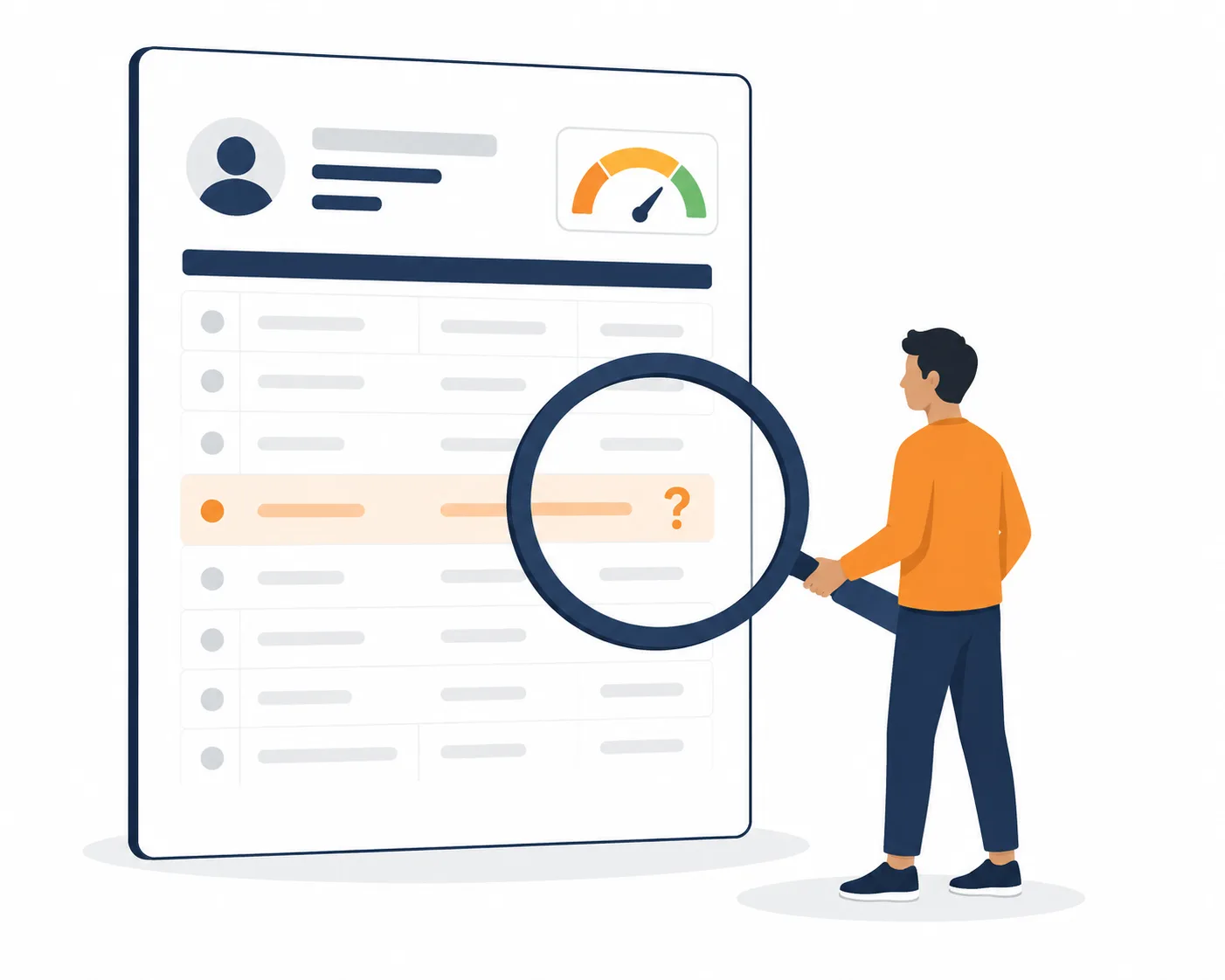
What Does LSS Mean in CIBIL? The 'Loss' Tag, Explained
If your CIBIL report shows LSS next to a loan, the bank has marked it as a loss. Your score has dropped sharply, and other banks now see you as high-risk. Here's what it really means, and how to fix it properly.
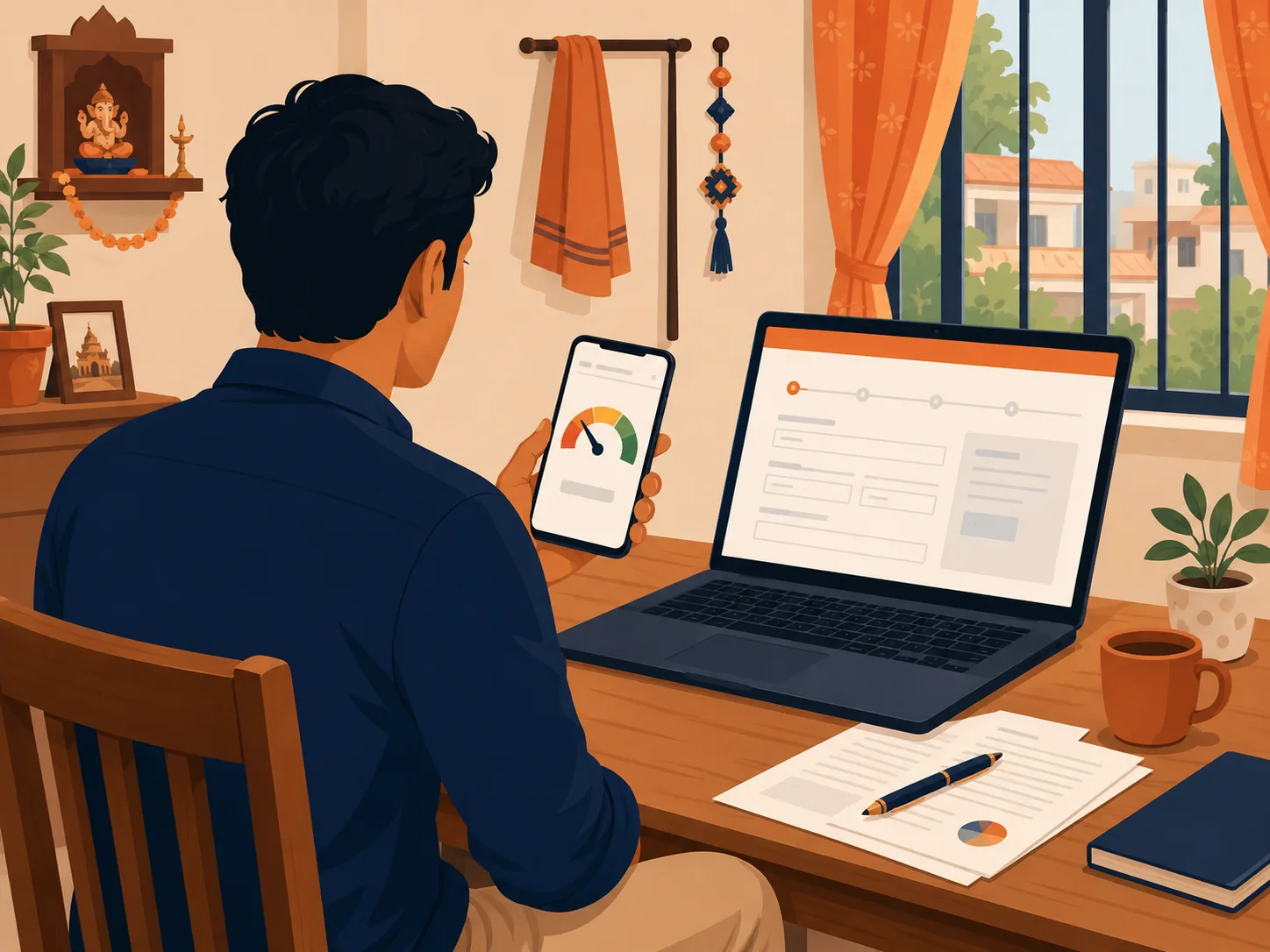
Low CIBIL Score Loan App: What You Must Know Before Applying
Bad CIBIL loan app (also called low CIBIL score loan app) is a digital lender that considers applicants with a low score. It checks your income and bank statements, and it does not skip credit checks. It costs more than a bank loan. Scores of 300 or 400 and 7-day loans carry the most risk.

Low CIBIL Score: Why It Happens, What It Costs You, and How to Fix It
A low CIBIL score generally means a three-digit number under 650, on the 300 to 900 scale kept by TransUnion CIBIL. It tells banks that your repayment history carries some risk, which makes loan approvals harder and interest rates higher. Bureaus typically group lower scores into bands like "poor" and "below average," but the exact cutoffs can vary by lender and by bureau. Both are fixable with the right steps.


Make smarter financial decisions.
Loan Settlement | Loan Consolidation | Credit Insights | FREED Shield
Get Started