No Credit Score? Here Is How to Get Started
A credit score of NH or NA means you have no credit history yet. It is not a bad score. It is a blank page. Here is the specific, step-by-step way to build a strong credit profile from zero in India.
Mohit Juneja
Reviewed by FREED India, Debt Resolution Specialists

 4.7/5
4.7/5 ₹3,200Cr+
 20,000+
 20,00,000+4.7/5₹3,200Cr+20,000+20,00,000+
Key Takeaways

NH (No History) or NA (Not Applicable) on a CIBIL report means no credit products have been taken, so no credit history exists to score. This is not a bad score. It is the absence of a score.
The absence of a credit history prevents loan approvals, creates higher interest rates when credit is eventually needed, and limits financial options in ways that become visible only when a genuine need arises.
Building a credit score from zero requires taking at least one credit product and managing it responsibly. A secured credit card against a fixed deposit is the most accessible and lowest-risk starting point.
Six months of correct secured credit card use produces a meaningful credit history. Twelve months produces a score that most lenders will begin to work with.
FREED Credit Insights lets you check your current status for free and track the score as it builds.
What NH and NA on a Credit Report Mean
When someone who has never taken any credit product (loan, credit card, overdraft) checks their credit report, they see one of two things.
NH (No History) means the person has never had any credit product in their name. No loan, no credit card, no overdraft facility, no credit account of any kind. There is no history for the bureau to score.
NA (Not Applicable) means either the person has been inactive on credit for a very long period, or the bureau's scoring model cannot generate a score for the profile as it currently stands.
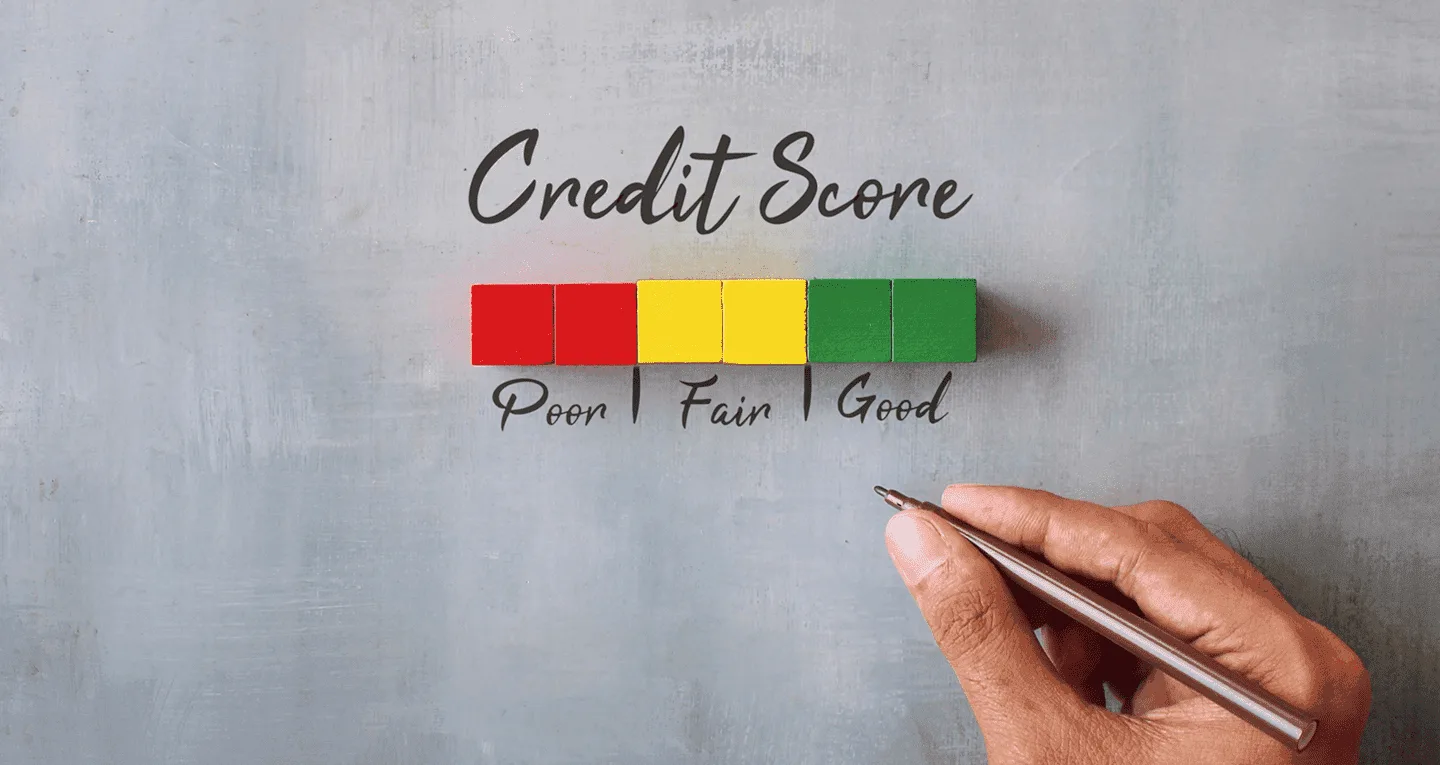
Both of these are different from a low score. A low score (300 to 550) means credit products existed and were managed poorly. NH or NA means no credit footprint exists at all.
This distinction matters because the path from NH or NA to a good score is different from the path from a low score to a good score. From NH or NA, the task is building history from scratch. From a low score, the task is reversing existing negative history while adding positive history.

Tool: FREED Credit Insights
Check your current credit status for free. See where you are starting from.
Check Your Credit Score Free →Why Having No Credit History Is a Problem
Many people with no credit history assume this is a neutral financial position: they have not borrowed, so they have no debt, which is good. In practice, having no credit history creates specific problems that become visible only when a financial need arises.
Loan applications are declined or heavily scrutinised. Most banks decline personal loan applications from NH or NA profiles because there is no evidence of how the borrower manages credit. Without a score, there is no basis for the lender's risk assessment.
Home loan eligibility is affected. A home loan application from someone with NH or NA requires significantly more documentation and scrutiny than one from a borrower with a 750 CIBIL score. Many banks decline outright without a credit history.
Interest rates are higher when credit is approved. The few lenders who approve applications for NH or NA borrowers typically do so at higher interest rates to compensate for the unknown risk. A borrower with a 780 score may get a personal loan at 11%. A borrower with no score may pay 18% to 22% for the same loan.
Emergencies become expensive. The moment a genuine emergency requires credit, the absence of credit history becomes most damaging. The credit is needed immediately, the score does not exist to support approval, and the available options are expensive.
Building a credit history before it is urgently needed is one of the most practically valuable financial actions a young or first-time borrower can take.
Step 1: Check Your Current Credit Status
Before building a credit profile, confirm the current status.
Go to freed.care/credit-check and enter your PAN card details. The result will show either a score (if any credit history exists) or NH/NA (if none does). If the result is a score below 700 rather than NH or NA, the path forward is different from what this guide covers, and the credit improvement guides on FREED are the appropriate starting point.
If the result is NH or NA, the steps below apply.
Step 2: Open a Secured Credit Card
A secured credit card is the most accessible, lowest-risk, and most effective starting point for building a credit score from zero.
What it is: A credit card issued against a fixed deposit. The bank holds the fixed deposit as collateral. The credit card has a limit equal to or slightly below the deposit amount. Because the bank's risk is covered by the deposit, approval does not depend on a credit score.
Who can get one: Almost anyone with a savings account and the ability to open a fixed deposit. Most major Indian banks (SBI, HDFC, ICICI, Axis, Kotak) offer secured credit cards. The typical minimum fixed deposit required is Rs. 10,000 to Rs. 25,000. Some banks offer secured cards from Rs. 5,000.
How to apply: Visit the bank's branch or app. Ask specifically for a secured credit card against a fixed deposit. Submit the FD receipt, PAN card, Aadhaar card, and a passport-size photograph. Approval is typically within a few days.
The fixed deposit continues to earn interest. The credit card is a tool for building credit history. Both can coexist without the deposit being at risk as long as the card is used correctly (Step 3).

FREED Expert Tip:
Choose a secured credit card from a bank where you already have a savings account. The existing banking relationship reduces the documentation required, speeds up approval, and allows easy statement payment through net banking. Most banks also allow the secured card limit to increase after 12 to 18 months of good credit behaviour, without requiring a larger deposit.
Check My Credit InsightsStep 3: Use It Correctly from Day One
Having the secured credit card is not sufficient. Using it correctly is what builds the credit history.
What correct use looks like:
Use the card for one to two small, planned purchases per month. Groceries. A utility bill. A monthly subscription that is already in the budget. These are purchases that would happen anyway. They are now being made on the card instead of by debit or cash.
Pay the full outstanding balance before the due date every month. Not the minimum. The full amount. This is non-negotiable from day one. Paying the full balance keeps interest at zero, keeps utilisation low (which is important for score building), and establishes the most important credit habit from the very first month.
Keep spending below 30% of the card's credit limit at any given time. If the card limit is Rs. 25,000, spending more than Rs. 7,500 per month on the card creates high utilisation that suppresses the score. Keep it well below the limit.
Set up auto-pay for the full statement balance if the bank allows it. This eliminates the risk of forgetting the due date.

Legal Note:
Under RBI guidelines on credit cards, issuers must report payment history to credit bureaus monthly. A payment made on time must be reported as on-time. A payment made after the due date is reported as late. If a payment was made on time but reported as late due to a bank error, raise a formal dispute with CIBIL through their official dispute portal. Bureaus must investigate and respond within 30 days.
Know your credit rightsStep 4: Add a Second Credit Type
After 6 to 12 months of consistently correct secured credit card use, the first meaningful credit history exists. This is the right time to consider adding a second credit type, which improves the credit mix dimension of the CIBIL score.
Credit mix means having both secured credit (backed by collateral or a deposit) and unsecured credit (backed only by creditworthiness). A borrower who has only a secured credit card has a narrower credit profile than one who also has an unsecured product.
The second credit type should be added only when:
The CIBIL score, which should now exist, has reached 680 to 700 or above. Below this, applications are likely to be declined, which produces hard enquiry damage without the benefit.
The addition is genuinely needed or serves a real purpose. A small consumer durable loan (EMI for a laptop or home appliance), a two-wheeler loan for commuting, or a small personal loan for a genuine need are appropriate second products. A credit card taken purely for credit mix diversification is less appropriate at this stage.
The FOIR after the new obligation remains below 40%.
Step 5: Monitor and Maintain
Once credit history is building, monitoring it quarterly is the habit that protects the progress.
Check the CIBIL report every three months using FREED Credit Insights. Confirm that payment history is being recorded correctly. Confirm that the secured credit card utilisation is showing below 30%. Identify and dispute any errors immediately.
The most common error for new credit builders is a payment recorded as late when it was made on time. These errors should be disputed within 48 hours of discovering them.
Maintain the core habits: full payment of the credit card bill monthly, utilisation below 30%, no new credit applications until the score is above 700. These habits, applied consistently, produce a reliable upward score trajectory.
Are You in a Loan Trap? Quick Check
Move the slider to your total EMIs as a % of monthly salary. See your debt stress level instantly.
EMIs as % of Monthly Salary
How Long It Takes to Build a Meaningful Score
The timeline from NH or NA to a meaningful credit score is specific.
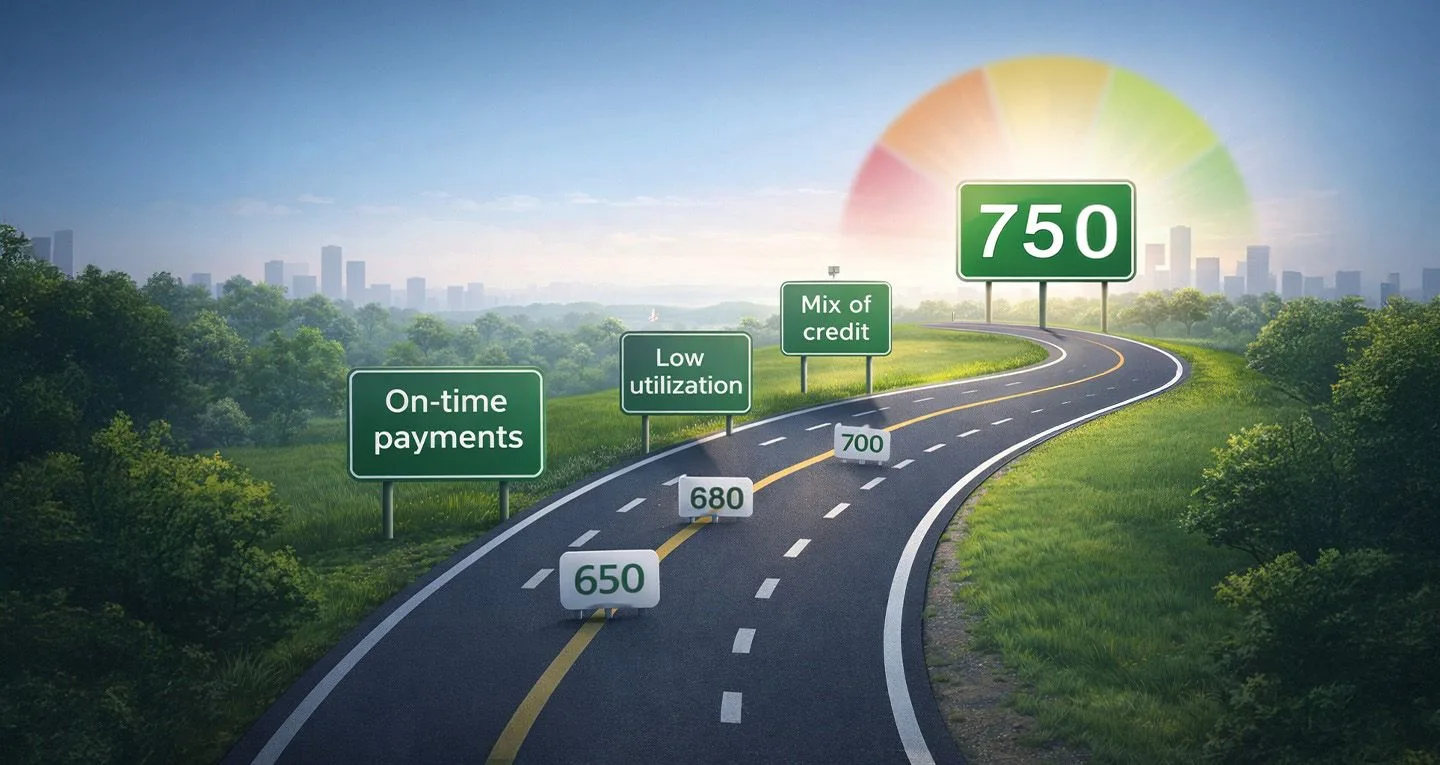
3 months: The first credit history appears on the CIBIL report. A score (typically in the 650 to 680 range for perfect behaviour) begins to be generated.
6 months: A solid initial credit history exists. The score is typically in the 680 to 720 range with perfect payment history and low utilisation. Most personal loan applications become possible at this score.
12 months: A strong credit history covering one full year of positive behaviour. The score is typically in the 720 to 760 range. Most credit products are accessible. Home loan applications with a co-applicant are feasible.
18 to 24 months: With a second credit type added and managed correctly alongside the secured card, the score typically reaches 750 or above, the threshold for best rates and fastest approvals from most major banks.
These timelines assume perfect behaviour throughout: full payment of the card bill every month, utilisation below 30%, no missed payments, and no unnecessary hard enquiries.
Tool: FREED Credit Insights
Track your score as it builds from zero. See the progress month by month.
Check Your Credit Score Free →
Mohit Juneja
Mohit Juneja writes educational content at FREED on debt management, credit scores, loan repayment, and borrowing best practices. His content is shaped by expert insights and industry knowledge, helping readers better understand their financial options and make informed decisions.
mohit.juneja@freed.care

FREED is India's trusted loan management platform. Founded in 2020 and headquartered in Gurugram, FREED has counselled 20 lakh+ people on personal loans, credit cards, and app loans. FREED charges fees only on successful settlement, not upfront. FREED does not handle secured loans (home loans, car loans, gold loans).
Media Mentions