Does mPokket Affect Your CIBIL Score?
mPokket is a registered lending platform that reports every loan to credit bureaus like CIBIL. Repaying on time builds your credit history. Missing payments or settling a loan for less than you owe brings your score down, and stays on record for years.

Mohit Juneja
Reviewed by FREED India, Debt Resolution Specialists
 4.7/5
 ₹3,200Cr+
 20,000+
 20,00,000+4.7/5₹3,200Cr+20,000+20,00,000+
KEY TAKEAWAYS

Does mPokket affect CIBIL score? Yes, mPokket reports both on-time and missed payments to credit bureaus.
Timely repayment on an mPokket loan can help build a thin or new credit file.
A single missed payment can pull your score down. The drop deepens the longer it stays unpaid.
Settling an mPokket loan marks it "Settled" on CIBIL, a status that can remain visible for up to 7 years.
Credit bureaus in India refresh lender data roughly every two weeks, so a repayment usually reflects on your report within a few weeks, not instantly.
Does mPokket Report to CIBIL?
Yes. mPokket operates as an NBFC-partnered lending platform, not an unregulated instant-loan app, and it reports borrower activity to credit bureaus the same way a bank or NBFC does. CIBIL is the bureau most people search for by name, but other bureaus, Experian, Equifax, and CRIF, typically receive the same underlying data from the lender.
Here's the mechanism in plain terms. Every EMI you pay, or don't pay, on time becomes an entry on your credit report. Those entries, added up over time, are what eventually shape your score, which usually falls somewhere between 300 and 900. If you're unsure what your current number actually means in practice, understanding where your score sits within the full range is worth a few minutes before reading further, since the impact of a missed mPokket payment looks very different depending on whether you're starting from a strong score or a fragile one.
Reporting itself, though, only tells half the story. What actually matters is whether those entries are working in your favour or against you, and that depends entirely on how you're repaying. It's also worth knowing that this reporting relationship exists specifically because mPokket is a regulated, NBFC-backed platform. That's a meaningfully different category from the unregistered apps flagged for aggressive recovery tactics, a distinction covered in more depth further down this piece.

What the Law Says
Lenders must submit updated borrower data to credit bureaus every fortnight, and correct disputed data within 21 days of being informed.
Check My CreditHow Does On-Time mPokket Repayment Help Your CIBIL Score?
If you're using mPokket for a short-term need and repaying it cleanly, that habit is actually doing more for your credit file than it might feel like in the moment.
Each on-time EMI adds a positive entry to your payment history, which is the largest single factor in most credit scoring models. Every month you pay on schedule, that entry sits on your report as evidence you honour repayment commitments, and that evidence compounds the longer it continues.
Closing the loan without a single missed payment adds a paid-in-full account to your credit mix, which helps especially if you have a thin or limited credit file. Someone with only one or two credit products showing on their report benefits disproportionately from each additional, cleanly closed account, since there's less history overall for a lender to judge them by.
A track record of small loans, taken and repaid responsibly, can make you look less risky to future lenders, including banks considering you for a bigger loan later, a car loan or a home loan, say, where your mPokket repayment history becomes one small but genuine data point in your favour.
No specific point increase can be promised here, since scoring models weigh many factors together, including your credit utilisation, hard enquiries, and overall credit mix, not payment history in isolation. But the same reporting mechanism that works in your favour when you pay on time works against you the moment you don't, which is worth understanding clearly before it happens.
What Happens to Your CIBIL Score If You Miss an mPokket Payment?
A missed EMI doesn't just disappear from the record. It gets reported as a delinquency, and it typically shows up in the DPD (Days Past Due) field on your credit report, a running count of how many days a payment has been overdue.
The longer a payment stays unpaid, the worse that DPD entry looks on your report. A payment that's 5 days late and cleared quickly reads very differently to a lender than one still showing 60 or 90 days overdue, even though both started as the same missed EMI.
A single missed payment that gets cleared quickly is generally recoverable over time, provided it doesn't repeat. One slip, corrected promptly, tends to fade in relevance as fresh, on-time payments accumulate after it.
A pattern of repeated missed payments is treated very differently, and it compounds the damage rather than resetting each time. Once an account crosses certain overdue thresholds, it can also get flagged internally as a Special Mention Account (SMA), a classification lenders use to track accounts showing early signs of stress, well before the loan is formally reported as a default.
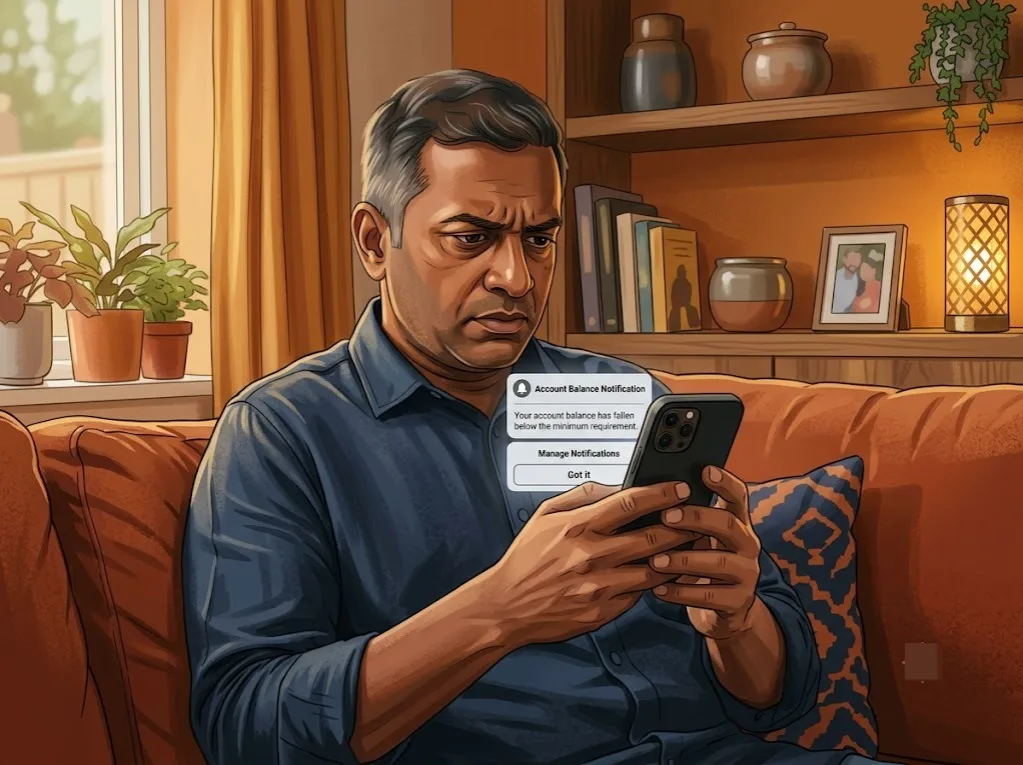
This is often the exact moment many mPokket borrowers start panicking and avoiding calls from the lender, which tends to make the situation worse, not better. If you expect difficulty making a payment, contacting the lender early may help you understand the available repayment or assistance options before the account becomes more seriously overdue. There's a more structured way to handle this than ignoring it, and it's worth knowing that path exists before things drift further.
Does Settling an mPokket Loan Affect Your CIBIL Score?
Settlement is not something a borrower chooses out of preference. A settlement may be considered when a borrower is unable to repay the full outstanding amount under the original terms, but whether a lender agrees to a settlement depends on its policies and the individual circumstances.
With that context in place, yes, settling an mPokket loan does hurt your credit score, and the hit is more serious than a missed payment that gets corrected. When a loan is settled instead of fully repaid, mPokket reports the account status as "Settled," not the same as a loan that's been fully paid off. That distinction matters. "Settled" tells future lenders that the original amount wasn't fully recovered, and it stays visible on your CIBIL report for up to 7 years, considerably longer than the memory of a single missed EMI that was later cleared.
To put a number on the difference in severity: A missed payment can affect your credit profile even after the overdue amount is cleared, and the effect may lessen as additional positive repayment information is reported over time. A "Settled" status is a structural mark on your file for years, one that most lenders will notice and factor into any future lending decision, from a credit card upgrade to a home loan application.
Settlement exists for borrowers who are genuinely unable to repay, not as a shortcut for someone who can still manage their EMIs but would simply prefer to pay less. If you're still able to keep up with your mPokket payments, even with effort, settlement isn't the right tool for your situation, and the sections ahead cover what actually is. If settlement does turn out to be the right fit for a genuinely difficult situation, it's still possible to work on rebuilding afterward, and the steps for improving your score after a settlement are worth reading once you're at that stage.
How to Check If mPokket Has Correctly Reported Your Loan
It's worth checking this directly rather than assuming your repayment history is showing up the way it should, since reporting errors are more common than most borrowers expect.
Start by pulling your own credit report, either through a bureau directly or a credit-monitoring tool. Once you have it, look specifically at three fields. The account status field should say active, closed, or settled, matching exactly what actually happened with your loan, not something that contradicts your own records. The DPD field should reflect the real number of overdue days, if any, rather than a figure carried over incorrectly from an earlier month. And the amount overdue field should match what you actually owe right now, not a stale balance from before a payment was processed.
A genuinely common complaint among loan app borrowers is a loan showing as active or overdue on their credit report well after it was actually repaid. If that happens to you, raise it with mPokket directly first, in writing, with proof of repayment, a bank statement or payment confirmation attached. If it isn't resolved at that level, escalate to the credit bureau's own dispute process directly.
Under RBI's Master Direction on Credit Information Reporting, a lender has 21 calendar days to send corrected data to the bureau after being informed of an error, and the bureau has a combined 30-day window overall to resolve the complaint. If it remains unresolved beyond that 30-day window, you're entitled to compensation of ₹100 per calendar day of delay, paid by whichever entity, the lender or the bureau, caused the delay.

Freed Expert Tip
Check your credit report every 3 months, not just when applying for a new loan. Catching a reporting error early is far easier to fix.
Check My CreditWhat Are Your Options If You're Struggling With Your mPokket Loan
If you're still able to pay, but you're juggling mPokket alongside other loans, credit cards, or additional loan apps, and it's the sheer number of due dates that's become the real problem, combining those debts into a single, lower EMI is generally the first thing worth exploring, rather than continuing to manage several separately.
If, on the other hand, repaying at all has genuinely become impossible, not just difficult, but truly unmanageable given your income, settlement is the separate, structured path that exists for that specific situation. It's covered in more depth in FREED's personal loan debt settlement explainer, and it isn't a step to take lightly given the credit consequences already covered above.
These two paths aren't interchangeable options for the same reader. One is for someone still managing, stretched but current. The other is for someone who genuinely cannot repay at all. Worth noting too, if the loan app you're dealing with isn't mPokket but something less established, it's worth first confirming whether you're actually dealing with a legitimate NBFC-backed app or one of the unregistered apps flagged for aggressive practices, since the right response differs depending on which category applies.

How FREED Helps
FREED's Debt Consolidation Program, also called the FREED Loan Consolidation Plan or the "Reduce My EMI" option on the site, is built for borrowers who are still repaying but stretched thin across multiple loans, including loan apps like mPokket alongside personal loans and credit cards.
Here's how it works. FREED assesses your full financial picture, all your existing loans, your income, and your monthly obligations, and matches you to a suitable lending partner from its network. That partner disburses one new loan that instantly pays off all your eligible existing debt. What you're left with is one loan, one lender, one due date, at a lower monthly EMI than you were managing before across several accounts.
This does not hurt your CIBIL score. In fact, the score typically starts improving after consolidation, since you move from juggling multiple accounts, each with its own utilisation and repayment pattern, to a single, cleanly managed one. There's no specific CIBIL score you need to clear, and no fixed percentage EMI reduction promised upfront, since both depend on your individual profile. FREED's fee is success-based, charged only once the consolidation is actually completed, with nothing upfront.
Are You in a Loan Trap? Quick Check
Move the slider to your total EMIs as a % of monthly salary. See your debt stress level instantly.
EMIs as % of Monthly Salary
What Helps While You're Repaying an mPokket Loan
A few practical habits worth building into how you manage this loan and any others like it.
Set up auto-debit for your EMI so a payment date is never missed simply by accident.
Keep a small buffer in the linked account a day before your EMI date, in case of a delayed salary credit.
Avoid taking a second loan app loan just to cover an existing one, since that pattern tends to compound rather than solve the problem.
Check your credit report every few months so any reporting error gets caught and corrected early, and keep an eye on your overall credit utilisation across all your cards and loans, not just this one account.
If a payment ever looks at risk, reach out to the lender directly as soon as you notice, rather than avoiding the call.
Sources
Claim in Blog | Source |
Credit bureaus in India operate on a fortnightly data-reporting cycle | RBI Master Direction Credit Information Reporting, 2025, para 6(1)(b): https://www.rbi.org.in/Scripts/BS_ViewMasDirections.aspx?id=12764 |
A lender has 21 calendar days to correct disputed data after being informed; the bureau has a combined 30-day resolution window; ₹100/day compensation for delays beyond that | RBI Master Direction Credit Information Reporting, 2025, para 17: https://www.rbi.org.in/Scripts/BS_ViewMasDirections.aspx?id=12764 |

Mohit Juneja
Mohit Juneja writes educational content at FREED on debt management, credit scores, loan repayment, and borrowing best practices. His content is shaped by expert insights and industry knowledge, helping readers better understand their financial options and make informed decisions.
mohit.juneja@freed.care

FREED is India's trusted loan management platform. Founded in 2020 and headquartered in Gurugram, FREED has counselled 20 lakh+ people on personal loans, credit cards, and app loans. FREED charges fees only on successful settlement, not upfront. FREED does not handle secured loans (home loans, car loans, gold loans).
Media Mentions