Online Loan Harassment: When It's an App, Not a Bank
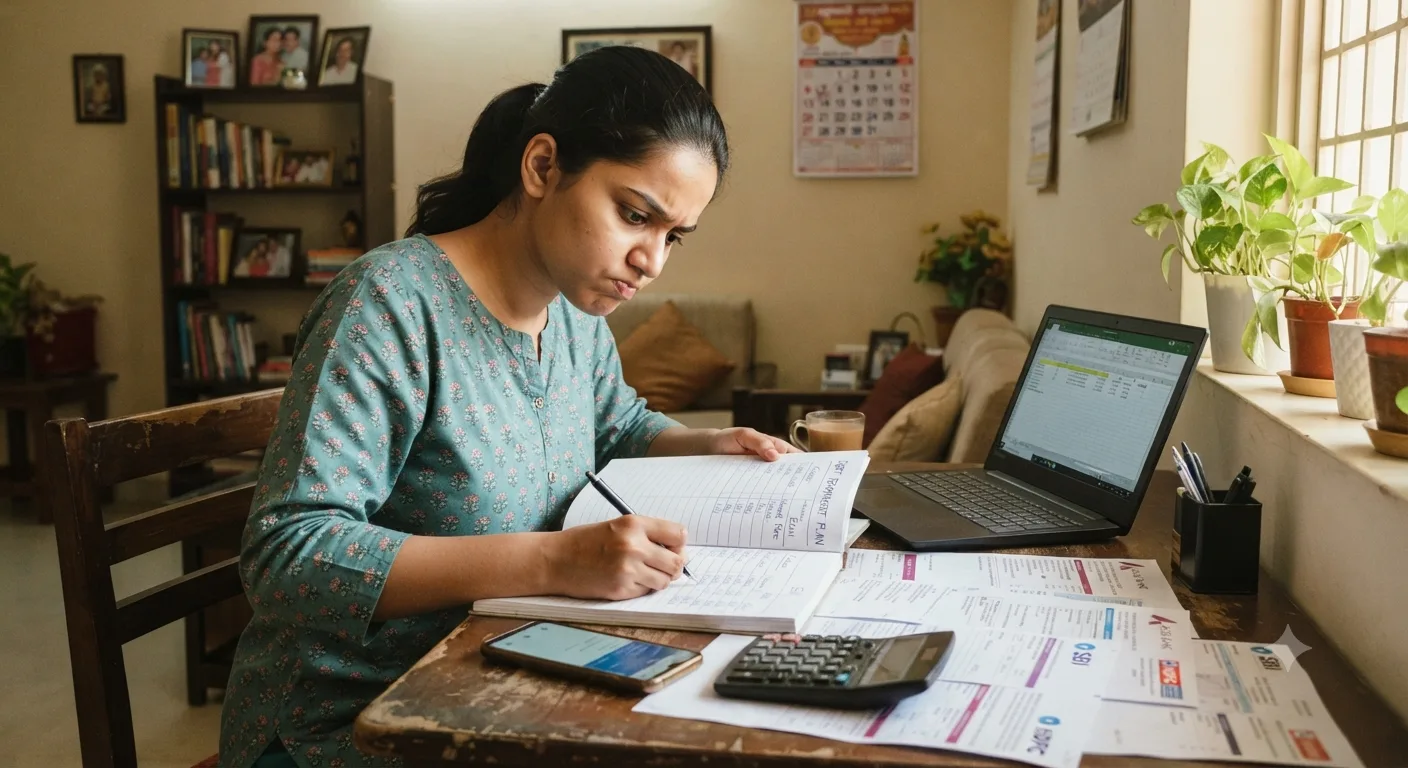
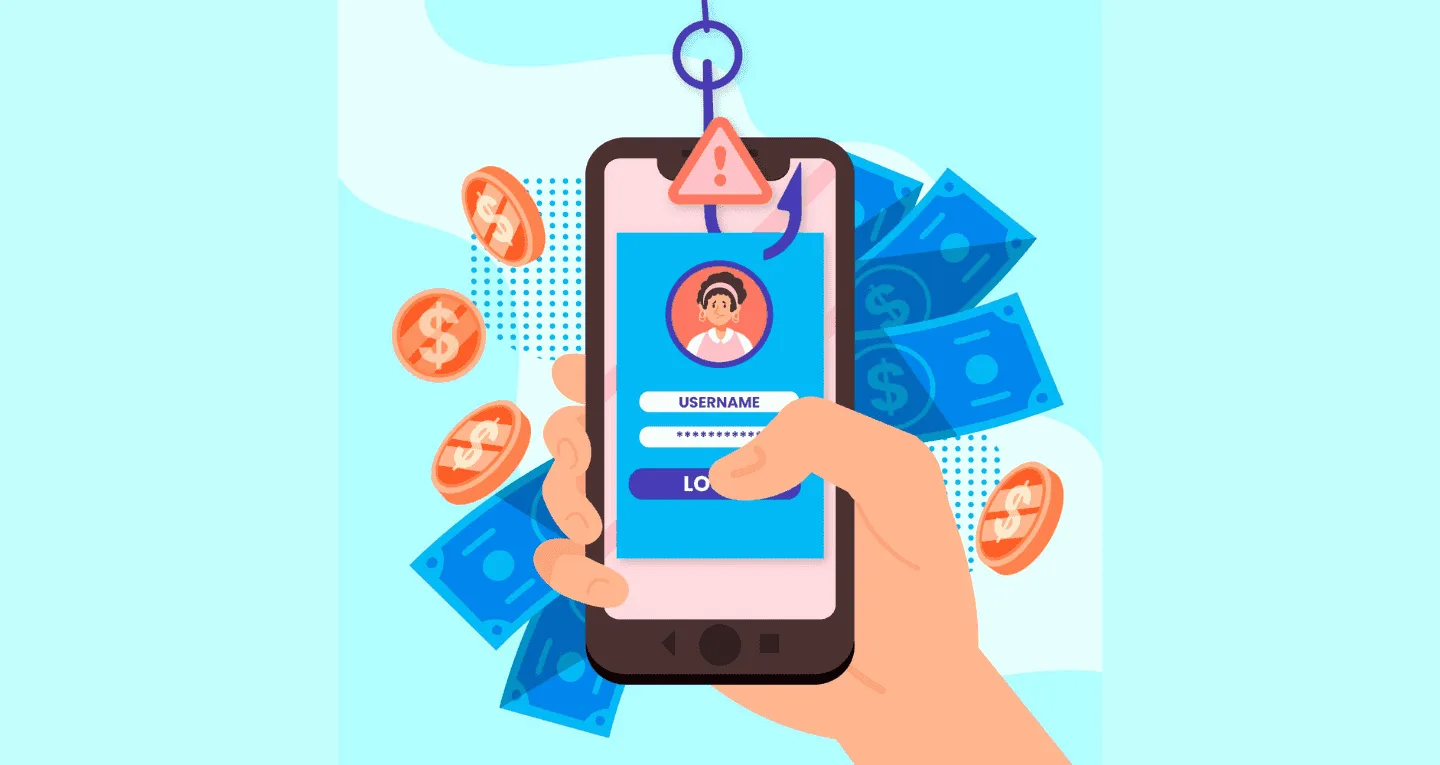
Online loan harassment occurs when a loan app's recovery process crosses the line, leaving you with repeated threatening calls, messages to people in your contacts, or attempts to shame you into paying. If the app works with an RBI-regulated bank or NBFC, the same core recovery protections apply. RBI-regulated lending apps are not permitted to access your contact list, call logs, files, media, or telephony functions.
Mohit Juneja
Reviewed by FREED India, Debt Resolution Specialists
 4.7/5
4.7/5 ₹3,200Cr+
 20,000+
 20,00,000+4.7/5₹3,200Cr+20,000+20,00,000+
KEY TAKEAWAYS

Online loan harassment from an app follows the same RBI Fair Practices Code protections as a bank.
Loan apps can escalate faster than banks and often contact people in your phone's contact list directly.
RBI's Digital Lending Directions restrict what a loan app can access on your phone; contacts and photos are not standard requirements.
Complain first to the grievance officer listed by the app or the RBI-regulated lender behind it. If the complaint is rejected, the response is unsatisfactory, or no reply is received within 30 days, you can approach the RBI Ombudsman.
If harassment is causing serious distress, free confidential support is available through iCall and Vandrevala Foundation, alongside your legal options.
What Is Online Loan Harassment?
A loan app's recovery process crosses from reminder into harassment the moment it turns into repeated intimidating calls or messages, contact with people beyond the borrower, threats, or attempts at public shaming. This can happen with a loan from any app, not just an obscure or suspicious one. A mainstream, properly licensed app's collections team can cross the line just as easily. Not every loan app operating in India is legitimate to begin with, and that's a separate, important distinction, but this article assumes a normal, licensed app whose behaviour has still gone wrong.
This is a conduct problem, separate from whether the debt itself is valid. The debt can be entirely real, and the harassment can still be illegal. Both things are true at once. What actually changes when the lender is an app rather than a bank comes next.

How Is App-Based Harassment Different From a Bank's Recovery Calls?
Not just "it's worse," a few concrete patterns set app-based recovery apart. Apps often escalate faster, sometimes within days of a single missed payment, where a bank's recovery timeline typically moves slower. Apps can message people in your contact list directly, since many request that access during onboarding, something a traditional bank recovery process never had a way to do. Similar recovery-agent conduct rules apply across credit cards too, worth reading if a card issuer's recovery team is part of what you're dealing with alongside an app.
Multiple loan apps can hit at once if someone has borrowed from several, creating a pile-up of contact that feels different from a single bank's calls arriving on their own schedule. Automated, high-volume messaging, SMS, WhatsApp, and push notifications can arrive at a scale manual bank recovery calls don't usually reach. None of this makes the harassment more acceptable. Recognising the pattern just helps you respond calmly rather than feeling singled out or targeted specifically.
What Are Your Rights When It's an App, Not a Bank?
The same protections apply, full stop. RBI's Fair Practices Code and Digital Lending Directions extend the same conduct rules to regulated digital lenders as to banks: no calls before 8 AM or after 7 PM, no abusive language, no unauthorised contact with family or employer about the debt. This directly counters a common misconception that app-based lending somehow falls outside these protections. It doesn't.
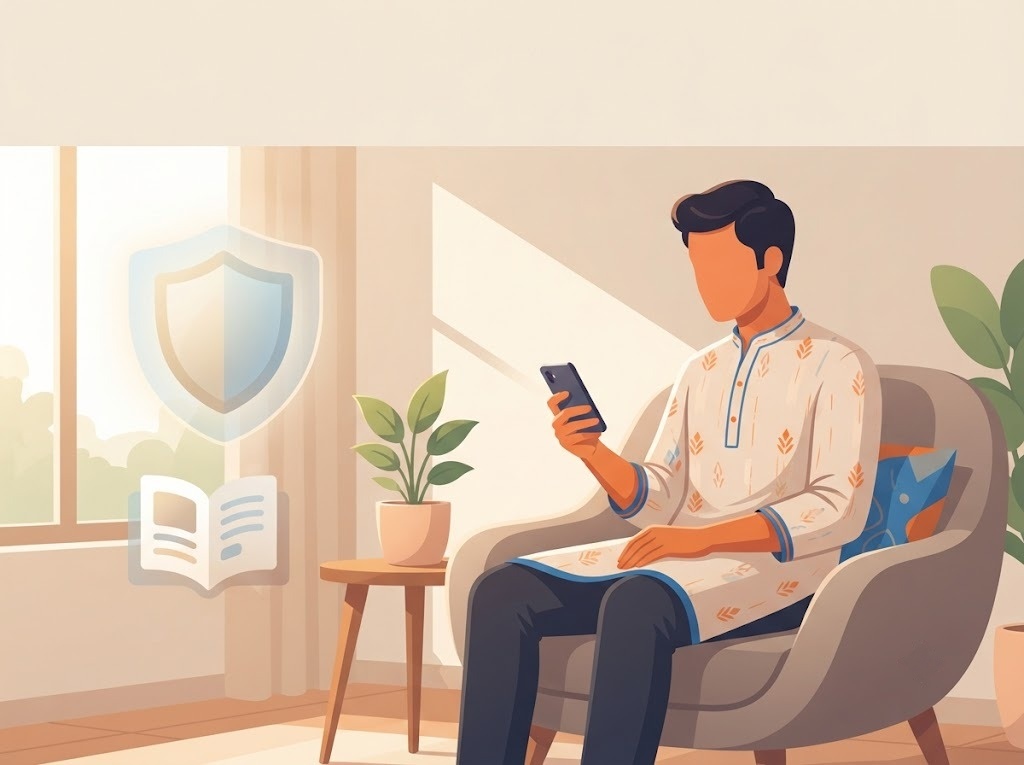
FREED's existing recovery-rights guide covers the full rule set in depth, worth reading if you want every specific protection spelled out. FREED Shield helps you understand these rights regardless of whether the lender behind the harassment is a bank or an app.

What the Law Says
RBI's Fair Practices Code and the RBI (Digital Lending) Directions, 2025 apply the same recovery conduct rules to regulated apps as to banks. An app is not exempt just because it isn't a traditional lender.
Check your optionsWhat Does the App Actually Have Access To on Your Phone?
This is the practical, app-specific step a bank scenario doesn't require. RBI's Digital Lending Directions do not permit regulated lending apps to access your contact list, call logs, files, media, or telephony functions. They may take one-time access to your camera, microphone, location, or another facility needed for onboarding or KYC (Know Your Customer, the identity verification process required for a loan), but only with your explicit consent.
Check the app's current permissions in your phone settings, contacts, storage, SMS, and camera, and revoke anything beyond what's genuinely needed. Many apps request broad permissions at installation that go well beyond what's actually required for the loan itself. Revoking them doesn't affect the loan, only what the app can reach going forward from here.

Freed Expert Tip
Screenshot the app's current permissions before you change anything. This documents what access it had, which matters if you file a complaint later.
Check My Credit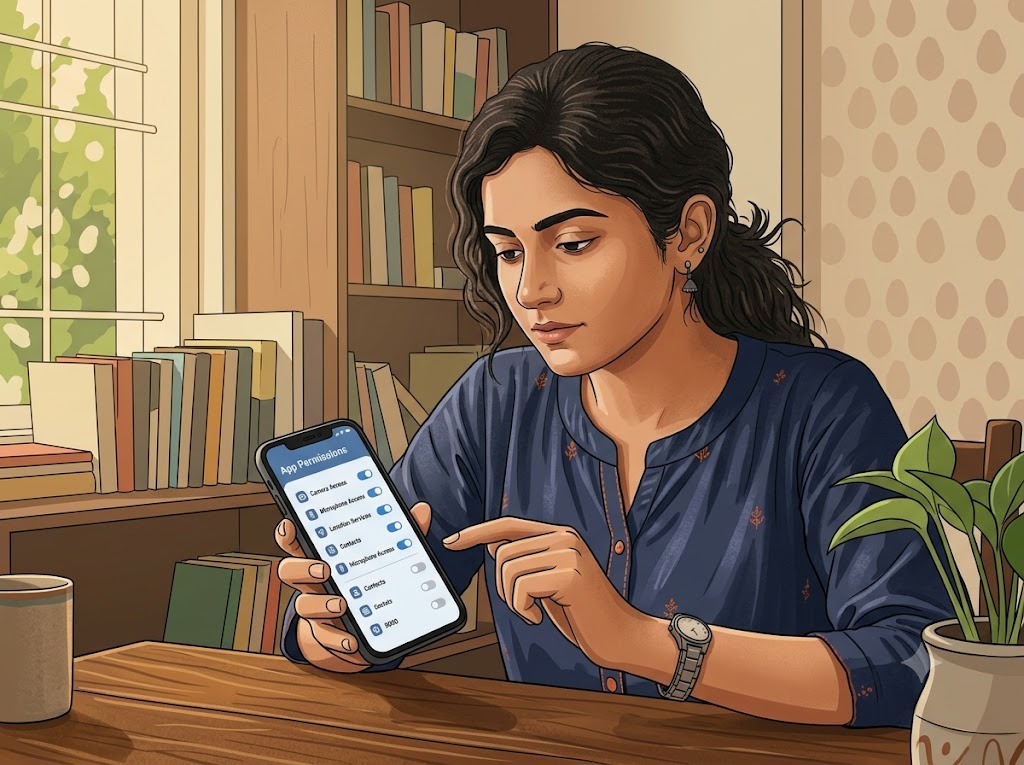
What If the App Starts Calling Your Contacts?
Before it happens. Revoke contact list permission the moment you sense trouble ahead, a missed EMI, or a payment you know will be late, rather than waiting for the first call to someone else. Never grant contacts or photo access at loan sign-up if the app allows skipping it, and check this specifically before installing any new loan app going forward. If a close contact is likely to be reached regardless, because access was already granted earlier, a short heads-up to them in advance is worth sending: a loan app might call you, please don't engage or pay anything on my behalf. Send that before it happens, not after.
Once it's already happening. Contacting someone else about your debt may breach RBI recovery conduct and privacy requirements, especially if the person is threatened, shamed, or told details of your loan. Document it precisely, screenshot the message, note the call details, and if possible, get the contact themselves to share exactly what was said to them. That's often stronger evidence than your own account of it. File the complaint citing this specific violation, contact with a third party without consent, rather than a general harassment complaint. Specific violations are easier for a grievance officer or the Ombudsman to act on. If the contact themselves is being pressured or threatened directly, not just informed, they can file their own complaint independently. This isn't limited to the borrower alone.
What the Law Says
Using or sharing contact-list data without the borrower's explicit consent may breach the RBI's Digital Lending Directions. Threats, abuse, or public shaming may also be reported through the appropriate police or cybercrime channel.
Check My CreditWhat Should You Do If a Loan App Is Harassing You?
Step 1 - Document every incident.
Date, time, what was said or sent, screenshots of messages. This is the foundation everything else rests on.
Step 2 - Revoke unnecessary app permissions.
As covered above, contacts, photos, and messages beyond what the loan itself genuinely needs.
Step 3 - Raise a formal complaint with the grievance officer
listed by the app or the RBI-regulated lender behind it. Responsibility for resolving the complaint remains with the regulated lender. The full complaint process against a recovery agent walks through exactly what this looks like in practice.
Step 4 - If the regulated lender rejects the complaint, gives an
unsatisfactory response, or does not reply within 30 days, escalate it through RBI's Complaint Management System at cms.rbi.org.in.
One boundary case worth knowing. If conduct crosses into clearly criminal territory, morphed images, extortion threats, impersonating police, that's a police and cybercrime matter (cybercrime.gov.in), not just a banking complaint. That sits outside the general app-harassment path covered here.
How FREED Helps
FREED does not file complaints on a borrower's behalf and does not directly stop harassment. FREED Shield helps a borrower understand their rights, document what's happened, and prepare a complaint, but the borrower files it themselves.
When recovery conversations cross the line into abusive, threatening, or harassing behaviour, FREED provides an added layer of support through FREED Shield, a dedicated borrower-support service. FREED Shield helps you understand your rights as a borrower and can assist you in preparing and submitting a complaint through the appropriate channels where necessary.
If the underlying debt is also genuinely unmanageable, separate from the harassment question entirely, FREED's Debt Resolution or Debt Consolidation Programs address that side of things.
If This Is Feeling Like Too Much Right Now
Being contacted this way, including people close to you being pulled in, can be genuinely distressing. That's worth saying plainly, not glossed over. Free, confidential emotional support is available separately from the legal and financial steps already covered here.
iCall: 9152987821. Vandrevala Foundation: 9999 666 555. Both free, both confidential.
What Helps Protect You Going Forward
- Review app permissions periodically, not just when something goes wrong. Contacts and photo access aren't standard requirements for a loan app.
- Keep a habit of screenshotting loan terms and any communication at the time it happens, not after a dispute starts.
- Know the complaint path before you need it, grievance officer first, then RBI Ombudsman.
- If juggling several loan apps at once is part of what's making this stressful, that's worth addressing separately. How debt consolidation actually reduces monthly financial stress covers that side of things.
None of this means avoiding loan apps altogether. It means knowing the protections and the process well enough that nothing catches you off guard.

Mohit Juneja
Mohit Juneja writes educational content at FREED on debt management, credit scores, loan repayment, and borrowing best practices. His content is shaped by expert insights and industry knowledge, helping readers better understand their financial options and make informed decisions.
mohit.juneja@freed.care

FREED is India's trusted loan management platform. Founded in 2020 and headquartered in Gurugram, FREED has counselled 20 lakh+ people on personal loans, credit cards, and app loans. FREED charges fees only on successful settlement, not upfront. FREED does not handle secured loans (home loans, car loans, gold loans).
Media Mentions