SARFAESI Explained: What It Means for Borrowers
SARFAESI, in plain terms, is a law that lets a bank take back a specific asset, like a house or property, that was pledged against a loan, if that loan hasn't been repaid, without first going to court. SARFAESI enforcement generally relates to debt backed by a security interest. Unsecured personal loans, credit cards, and BNPL balances do not, by themselves, allow a lender to enforce an unrelated asset under SARFAESI.

Mohit Juneja
Reviewed by FREED India, Debt Resolution Specialists
 4.7/5
4.7/5 ₹3,200Cr+
 20,000+
 20,00,000+4.7/5₹3,200Cr+20,000+20,00,000+
KEY TAKEAWAYS

SARFAESI applies only when you pledged a specific asset against your loan; home loans and loan-against-property are the main examples, not personal loans or credit cards.
Before anything happens to the asset, the bank must give you 60 days' written notice, and you have the right to respond during that window.
If you don't have a secured loan, this law simply doesn't apply to your situation, full stop.
Even if it does apply, there are clear, specific things you can do right now; this isn't a process you have to face without any options.
The First Thing to Know: Does This Even Apply to You?
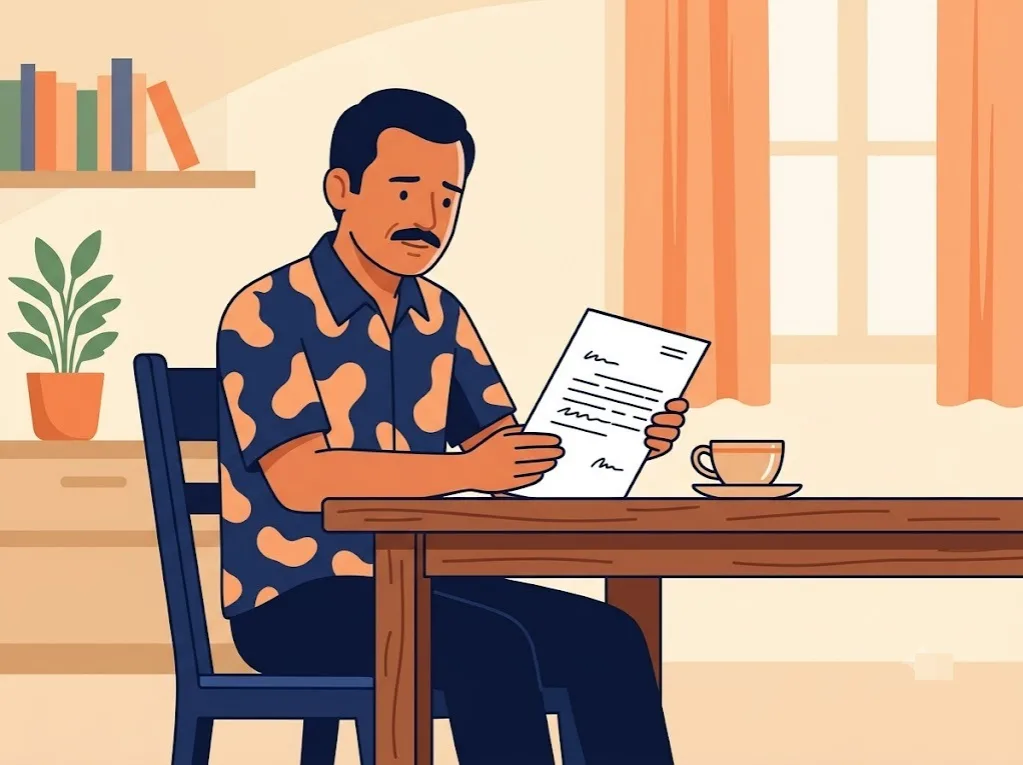
Somebody hears the word SARFAESI for the first time, usually from a letter, a phone call, or a worried relative passing along secondhand news, and the panic sets in before they even know what the word actually means. It sounds official, it sounds legal, and it sounds like something happening to them specifically. So let's settle the biggest question right away, before touching anything else in this piece, because it resolves most of that panic on its own.
SARFAESI only applies to secured loans, a loan where you pledged a specific asset as backing, a home loan, a loan against property, and similar arrangements where the bank has something physical standing behind the money it lent. If every debt you owe is unsecured a personal loan, a credit card, a BNPL balance sitting on an app this law has no power over you at all. None whatsoever, regardless of how far behind you might be on those unsecured accounts. That's worth reading twice if you're still anxious, because it genuinely closes the door on the scariest version of this fear for a huge number of people who end up searching this exact term.
If you do have a secured loan that's genuinely fallen behind, the rest of this piece walks through exactly what happens next, in plain terms, without the legal density that usually makes this topic feel scarier than it actually needs to be. What the word itself actually means, stripped of the acronym and the legal weight it carries, is worth clearing up next.

Freed Expert Tip
If you're not sure whether your loan counts as "secured," check your loan agreement for the word "collateral" or "security," If it's not there, SARFAESI almost certainly doesn't apply to that loan.
Talk to FREED's TeamWhat SARFAESI Actually Means, in Plain Terms
The full name is a mouthful: Securitisation and Reconstruction of Financial Assets and Enforcement of Security Interest Act, a string of words that sound designed to intimidate rather than explain anything. You'll never need to remember that in full, so set it aside now and don't let it add to the weight of an already stressful moment.
Here's the one sentence that actually matters: it lets a bank recover a secured loan by taking the pledged asset directly, rather than filing a civil court case first, which used to take years and left banks effectively stuck, unable to recover money that was genuinely owed while a slow legal system worked through its backlog. That's the actual reason this law exists: fixing a stuck banking process at a systemic level, not specifically punishing individual borrowers who happen to fall behind on one loan. Reframing it this way matters, because it changes the emotional weight of the letter sitting on your table right now.
The process still has real, built-in protections for you at every single stage, and that's genuinely worth understanding before assuming the absolute worst about what happens next. What actually happens, step by step, in language that doesn't require a law degree to follow, is the part most people searching this term actually want to know.
What Actually Happens, Step by Step, in Plain Terms
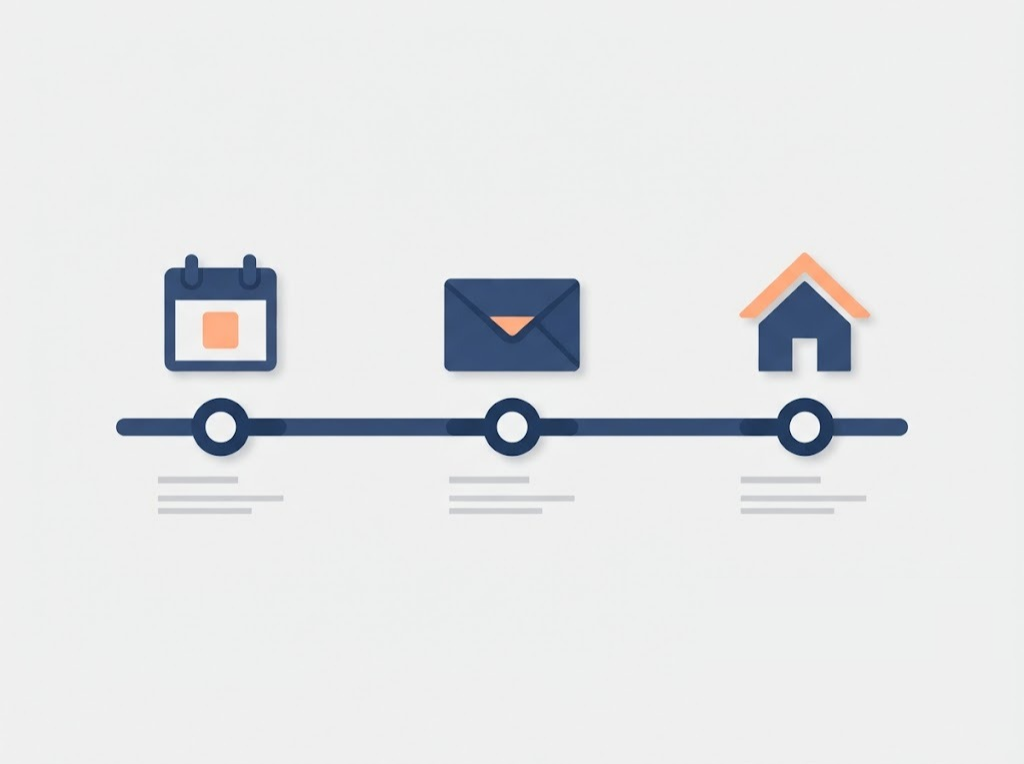
First, your account gets marked as seriously behind - NPA in the technical language, after sustained non-payment over a real stretch of time. This isn't instant; it takes months of missed payments accumulating one after another, not a single late EMI that slipped through because of a busy week.
The bank then has to send you a written notice giving you 60 days. This is a real, legal requirement written into the Act itself, not a courtesy the bank is choosing to extend out of goodwill, and it can't be shortened just because the bank feels the case is urgent on its end. During those 60 days, you can respond, object, or try to work something out directly, and the bank is legally required to actually consider what you say, weighing it properly rather than simply filing your response away unread. Only if nothing gets resolved after that entire window closes do things move toward the bank taking the asset, and even then, it's usually sold specifically to recover what's owed, with anything left over after that sale coming back to you rather than the bank simply pocketing the full amount. The fuller technical breakdown of every provision is worth reading if you want the legal detail behind each of these steps laid out precisely, but the plain version above covers what genuinely matters for most people standing exactly where you are right now.

Received a notice and not sure what it means for you specifically?
Talk it through with FREED, no judgment, no pressure.
Book My Free CallYour Rights, Explained Simply
In the standard SARFAESI enforcement process, the secured creditor issues a demand notice under Section 13(2), requiring the borrower to discharge the liability within 60 days before measures under Section 13(4) may be taken.
You can object or respond during that window, and they have to actually reply to you in writing, not just acknowledge that something arrived and move on without engaging with what you actually said. If the secured creditor takes a measure under Section 13(4), an aggrieved person may apply to the DRT under Section 17 within 45 days from the date on which that measure was taken.Understanding your broader rights as a borrower goes well beyond just this one process, worth a full read if you want the complete picture of what protections apply to you throughout any recovery situation, not just this specific one. And the asset itself has to be fairly valued before any sale takes place; you're not left with no say whatsoever in what it's actually worth on paper. None of this is a favour quietly being extended to you out of kindness; it's the law itself building in protection at every single stage of the process, by design.
What This Does NOT Mean
It does not mean your personal loans or credit cards are at risk in any way. This law simply has no power over unsecured debt, ever, under any circumstance, no matter how far behind those other accounts might be running.
It does not mean the bank can take the asset the same week you fall behind on a payment. That 60-day window is a hard legal requirement baked into the statute itself, not a loose guideline banks can bend when it suits them. It does not mean you have no say in what happens next either; you have specific, real rights to respond and appeal at multiple distinct stages along the way, each one a genuine opportunity to change the outcome. And it does not mean this is happening because of something uniquely wrong with you personally; it's a structured legal process that follows the exact same steps for everyone in a broadly similar situation, the same way accounts generally move through standard classification stages before anything like this formal process ever begins in the first place. What to actually do if you've received a notice is worth walking through directly and practically.
Still worried about what applies to your specific situation?
A quick call can clear things up.
Book a Free CallWhat to Do Right Now If You've Received a Notice
Read it carefully and note the exact 60-day deadline stated on the document itself. Don't panic-skim it and push it to the side of a drawer; the specific date printed on that letter matters more than almost anything else covered in this entire piece.
Check every detail against your own records: the loan amount, your account number, the dates mentioned, since genuine errors do happen more often than people assume, and catching one early can meaningfully change your position. Respond in writing if anything seems wrong or if you simply want to explain your situation honestly, since staying completely silent gets treated by the process as not objecting at all, which quietly closes a door you'd otherwise still have open to you. Talk to your bank directly about options before the deadline arrives; sometimes a revised plan is genuinely possible if you actually ask rather than assuming the answer is no in advance. If a recovery agent or collections call has also started alongside the formal notice, knowing your rights around that kind of contact is worth reading too, since the two things follow different rules even when they arrive around the same time. And if you also have separate unsecured debt sitting alongside this secured loan, deal with that as its own, completely different situation entirely, since the Debt Recovery Tribunal process that handles SARFAESI appeals has nothing whatsoever to do with an unrelated personal loan or credit card sitting on a different account.
What Are Your Options
For the secured loan itself, talking to your bank directly about restructuring or a revised plan is the first, genuinely free step available to you, and it costs nothing but a conversation to find out whether it's on the table. A restructured loan follows its own separate path and its own separate reporting once agreed, worth understanding if that's the direction your conversation with the bank actually heads. For any separate unsecured debt, personal loans or credit cards, that's a genuinely different problem entirely, needing its own, entirely separate solution rather than being folded into the SARFAESI conversation.
For genuine, sustained inability to repay unsecured debt specifically, settlement is the structured last resort. Settlement is not something a borrower chooses out of preference; banks only consider it when someone is genuinely unable to repay in full. Consolidation is worth exploring first, on the unsecured side specifically, if repayment is still realistically possible once things are structured properly into a single, manageable payment.
If You're Also Dealing With Separate Unsecured Debt
FREED doesn't handle secured loans or step into the SARFAESI process itself at any stage; that part is between you and your bank, or the tribunal directly if the matter genuinely reaches that point.
What FREED does help with is the completely separate problem of unsecured debt, personal loans, credit cards, BNPL, sitting alongside a secured loan and quietly adding pressure of its own. Through consolidation for those still able to pay comfortably, or, for genuine and sustained inability to repay, settlement as the structured route instead, negotiated directly and properly documented from start to finish.
Managing a secured loan notice and separate unsecured debt?
See your real options on the unsecured side.
Get a Free AssessmentA Few Things to Remember
This only ever applies to secured loans. If that's genuinely not your situation, none of this touches you at all, no matter how alarming the word itself sounds when you first encounter it. You have real time and real rights at every single stage of this process; this isn't an overnight event that catches anyone with zero warning beforehand.
Staying engaged, responding, asking questions, and checking every detail carefully is always better than going silent purely out of anxiety, since silence tends to be read by the process as agreement even when that's the furthest thing from what you actually meant. And your secured loan and any separate unsecured debt are genuinely two different problems, worth keeping mentally and practically separate rather than letting worry about one bleed into how you think about, or handle, the other. If a report error is what's genuinely confusing your situation, correcting it through a formal dispute is a real, available option too, not something you have to simply live with.
Sources
Claim | Source |
60-day notice requirement before enforcement | SARFAESI Act, 2002, Section 13, India Code (Government of India) |
45-day DRT appeal window | SARFAESI Act, 2002, Section 17 |
Fuller technical detail on process, rights, and provisions | Cross-referenced to FREED's live SARFAESI Act explainer and legal notice guide |
Disclaimer
Rates, fees, tenures, and other loan-related information shown are indicative in nature and based on publicly available information and market inputs available at the time of publishing. The actual applicable interest rates, processing fees, eligibility criteria, loan amounts, repayment terms, and approval decisions are solely determined by the respective bank, NBFC, or financial institution based on the applicant’s individual profile, credit assessment, and prevailing internal policies.
FREED does not act as the lender and does not guarantee loan approval, final sanction terms, or accuracy of lender-specific policies that may be revised without prior notice. Financial institutions may modify their products, rates, and eligibility criteria from time to time at their sole discretion.
Users are advised to independently verify all applicable terms and conditions directly with the respective lender before making any financial decision or submitting an application. FREED shall not be held responsible for any discrepancy, rejection, revision, or decision taken by the lender in this regard.

Mohit Juneja
Mohit Juneja writes educational content at FREED on debt management, credit scores, loan repayment, and borrowing best practices. His content is shaped by expert insights and industry knowledge, helping readers better understand their financial options and make informed decisions.
mohit.juneja@freed.care

FREED is India's trusted loan management platform. Founded in 2020 and headquartered in Gurugram, FREED has counselled 20 lakh+ people on personal loans, credit cards, and app loans. FREED charges fees only on successful settlement, not upfront. FREED does not handle secured loans (home loans, car loans, gold loans).
Media Mentions