Debt Restructuring: Meaning, Process, and Credit Impact
What debt restructuring means, how the process works with your lender, and exactly how it affects your CIBIL score, explained plainly.

Mohit Juneja
Reviewed by FREED India, Debt Resolution Specialists
 4.7/5
4.7/5 ₹3,200Cr+
 20,000+
 20,00,000+4.7/5₹3,200Cr+20,000+20,00,000+
Key Takeaways

Debt restructuring modifies terms on your existing loan with your current lender; the loan itself doesn't change hands.
Restructured accounts are reported to the credit bureau as "Restructured," distinct from "Settled" or "Written Off."
Depending on the circumstances and applicable RBI norms, restructuring due to genuine financial difficulty may result in the account being classified as an NPA.
Restructuring, consolidation, and settlement solve three different problems. Treating them as interchangeable is the mistake that costs borrowers the most.
What Is Debt Restructuring
A restructured loan is the same loan, reshaped. Your lender agrees to change how and when you pay back what you owe, without creating a new loan or writing off any part of the balance. The total generally stays the same.
Lenders offer a few common shapes for this. Tenure extension spreads the loan over more months, which may reduce the monthly EMI but can increase the total interest paid over the life of the loan. A revised EMI changes the monthly payment directly, sometimes bundled with a tenure change. A payment pause, sometimes called a moratorium, suspends EMIs for a set window, though interest usually keeps accruing in the background. Some lenders also touch the interest rate itself, depending entirely on their own internal policy.
A lender has to review the request and approve it. Nothing changes on its own. This is the line between restructuring and settlement: restructuring keeps the full loan alive on new terms, settlement closes it for less than owed.
Why Do Borrowers Ask for Debt Restructuring
The reasons are usually specific, not careless.
A job loss or a pay cut is the most common trigger. Income drops, and an EMI that fit last month's budget doesn't fit this one. A medical emergency does the same thing from a different angle; a large unplanned bill eats into money that was earmarked for repayment. Self-employed borrowers and small business owners run into a variant of the same problem: income that arrives irregularly against an EMI schedule that doesn't bend, especially during a slow season or a delayed client payment.
In each case, the borrower isn't dodging repayment. They're asking for a version of it that fits what actually happened to their income.
Signs You Should Consider Asking for Restructuring
A few situations point toward restructuring as the right conversation.
A temporary income drop with a realistic recovery path. Restructuring works best when the hardship has a foreseeable end, a job search is in progress, or a health situation is stabilising.
The current EMI is displacing rent or groceries. If a loan payment is eating into basic needs, the terms no longer fit.
Few or no missed EMIs yet. Lenders generally respond better to a request made before default than one made after several missed payments.
A wish to keep the loan with the current lender. Restructuring assumes the relationship continues. If the actual goal is leaving that lender, a balance transfer or consolidation fits better.
How Does the Debt Restructuring Process Work, Step by Step
The process runs through a branch or a written request, not usually a fully self-serve app flow.
- 1
Approach the Lender Early
Reach out before missing an EMI where possible. Lenders may be better placed to assess restructuring requests before repayments have fallen significantly behind.
- 2
Explain the Hardship With Documentation
A job loss letter, medical bills, or income proof showing the genuine reason repayment has become difficult.
- 3
Lender Reviews Viability
The bank or NBFC assesses whether the account and the borrower's ability to repay under new terms are realistic. Approval isn't automatic.
- 4
Revised Terms Proposed
If approved, the lender proposes specific new terms, EMI, tenure, or a pause, along with the total payable under the new plan.
- 5
Borrower Agrees in Writing
New terms only take effect once accepted in writing. This is also the moment to confirm exactly how the restructuring will be reported to the credit bureau. Most banks and NBFCs haven't built a self-serve online flow for this, since each case needs individual review.

What the Law Says
Under RBI's asset classification framework, restructuring carried out because of a borrower's financial difficulty generally results in the account being classified as a Non-Performing Asset (NPA). Where a borrower holds more than one facility with the same lender, upgrading back to "Standard" status requires clearing arrears across all facilities with that lender, not just the restructured one.
Check Your OptionsHow Does Debt Restructuring Affect Your CIBIL Score
A lot of existing content treats restructuring as a mild, cosmetic dip. The fuller picture carries more weight than that.
A restructured account gets a distinct "Restructured" tag on the credit report, separate from "Settled" or "Written Off." The heavier detail sits underneath that tag. RBI's asset classification norms generally require a facility restructured due to financial difficulty to be classified as NPA, the same category used for accounts that went bad through non-payment. That puts restructuring in a materially different weight class than a routine, no-fault schedule change.
Recovery depends on your individual circumstances and the lender's assessment. Consistently following the revised repayment terms may help demonstrate responsible repayment behaviour over time.
Restructuring and settlement are reported differently on your credit report. A settled account is generally reported as "Settled," which may affect future borrowing decisions.

FREED Expert Tip
Before agreeing to restructured terms, ask your lender how the restructuring will be reported on your credit report and whether it will affect the account's classification. Understanding this in advance can help you make an informed decision.
Check Your CIBIL Impact Before Deciding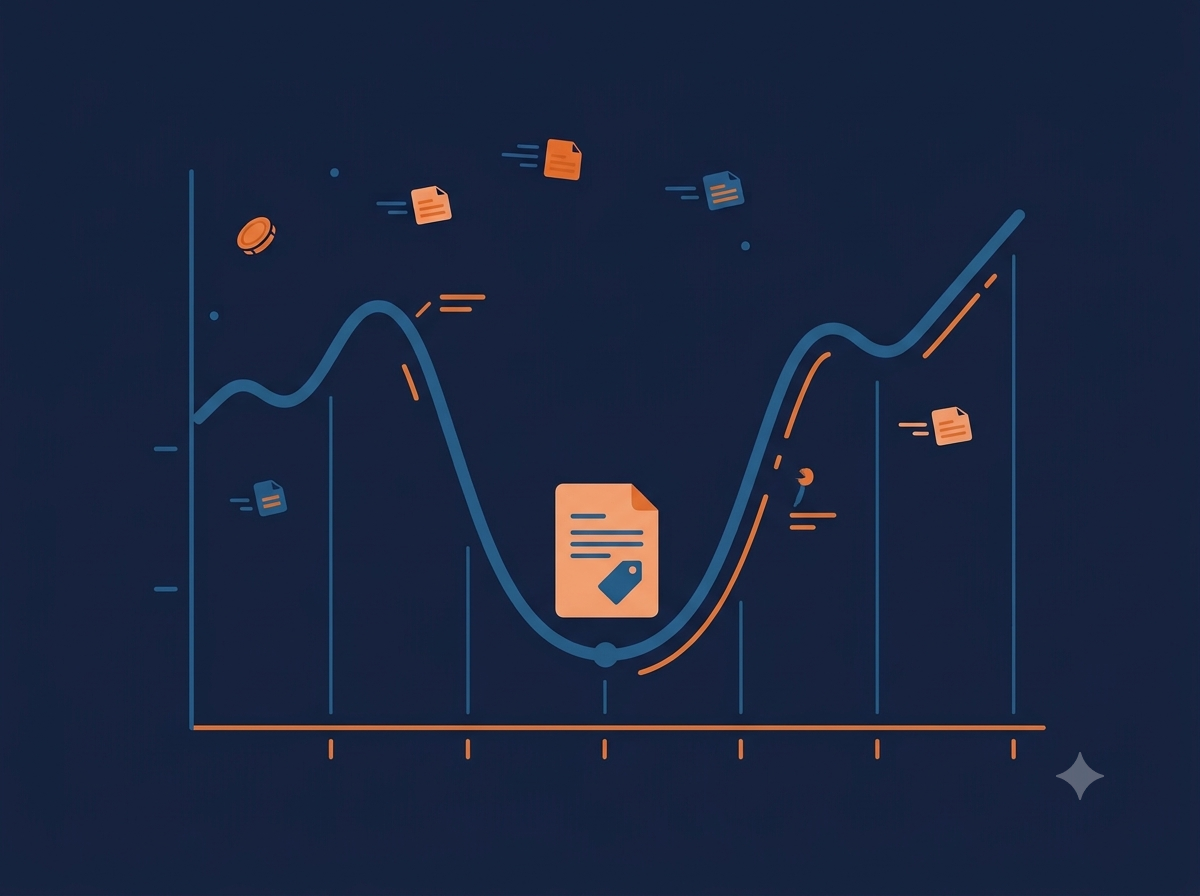
Debt Restructuring vs Consolidation vs Settlement: What's the Difference
Debt Restructuring vs Consolidation vs Settlement: Quick Reference
Feature | Restructuring | Consolidation | Settlement |
What changes | Terms on the existing loan, same lender | Multiple loans replaced by one new loan, new lender | Loan closed for less than owed |
CIBIL tag | Restructured, often alongside NPA classification | New loan reported normally, old ones closed | Settled |
Typical CIBIL impact | May affect future borrowing decisions depending on the account's classification and repayment behaviour. | Impact depends on repayment behaviour and individual circumstances. | Reported as "Settled," which may affect future borrowing decisions. |
Best suited for | One loan, temporary hardship, early stage | Multiple loans, still current on payments | Genuine inability to repay in full |
When Restructuring Isn't the Right Fit
Restructuring solves a specific problem well. It isn't built for every kind of financial strain.
Multiple loans across different lenders don't shrink much when only one gets restructured; the other EMIs still land, on their own schedules, at their own banks. If a large share of your monthly income is going towards EMIs, it may indicate that your overall debt has become difficult to manage.
And a restructuring request already declined once by a lender rarely gets a different answer on a second try; that's usually a sign to look at what else is available rather than re-approach the same door.

How to Ask for Debt Restructuring
- 1
Approach Your Lender Early
Reach out before missing an EMI, not after; lenders respond better to early, proactive requests.
- 2
Document Your Hardship Clearly
Job loss letter, medical bills, or income proof showing the genuine reason for difficulty.
- 3
Request Specific Revised Terms
Confirm how the restructuring will be reported, including any NPA classification, before agreeing to anything.
- 4
Sign and Follow the New Schedule Strictly
Missing an EMI after restructuring causes more damage than the restructuring tag itself.
- 5
Review the Credit Bureau Reporting Terms
Confirm how the restructuring will be reported, including any NPA classification, before agreeing to anything.

Mohit Juneja
Mohit Juneja writes educational content at FREED on debt management, credit scores, loan repayment, and borrowing best practices. His content is shaped by expert insights and industry knowledge, helping readers better understand their financial options and make informed decisions.
mohit.juneja@freed.care

FREED is India's trusted loan management platform. Founded in 2020 and headquartered in Gurugram, FREED has counselled 20 lakh+ people on personal loans, credit cards, and app loans. FREED charges fees only on successful settlement, not upfront. FREED does not handle secured loans (home loans, car loans, gold loans).
Media Mentions