What Is Debt Recovery Tribunal? A Guide for Stressed Borrowers
DRT is the full form of Debt Recovery Tribunal, a special forum set up under the Recovery of Debts and Bankruptcy Act, 1993 to decide recovery claims by banks and financial institutions. It hears claims of ₹20 lakh and above. Smaller claims go to a civil court instead.

Mohit Juneja
Reviewed by FREED India, Debt Resolution Specialists
 4.7/5
4.7/5 ₹3,200Cr+
 20,000+
 20,00,000+4.7/5₹3,200Cr+20,000+20,00,000+
Key Takeaways

What is Debt Recovery Tribunal: a fast-track government court for bank loan recovery cases above ₹20 lakh.
Set up under the Recovery of Debts Due to Banks and Financial Institutions Act, 1993 (RDDBFI Act).
A DRT notice is not a criminal summons, it's the start of a civil recovery process.
Borrowers get a chance to file a written reply and be heard before any order is passed.
If the DRT rules against the borrower, appeal is possible before the Debt Recovery Appellate Tribunal (DRAT).
Why does a loan case go to DRT?
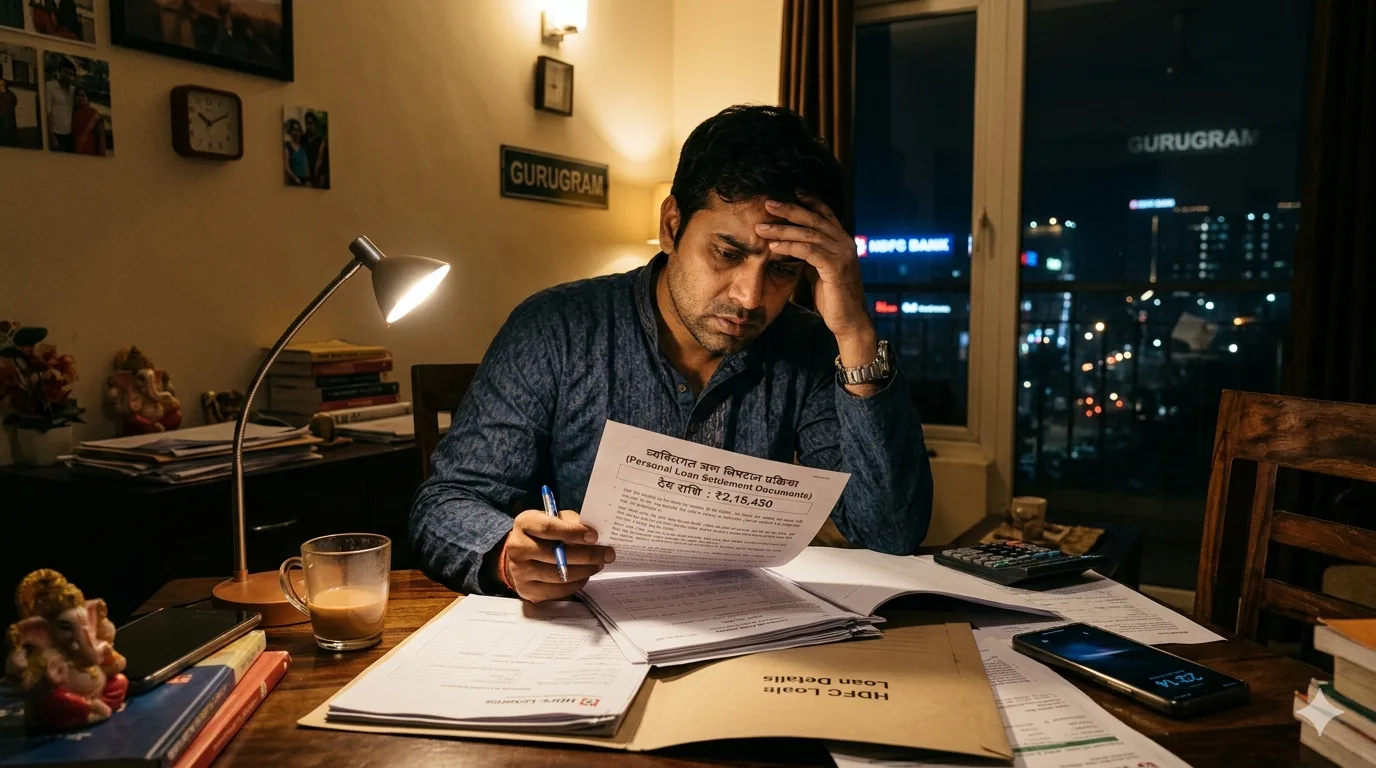
It's almost never one missed EMI that lands a case here, and that's worth saying upfront because a lot of the fear around DRT comes from imagining it as a sudden, out-of-nowhere event. It isn't. By the time a matter reaches the tribunal, the account has usually been unpaid long enough to be classified an NPA, a non-performing asset, which under RBI norms happens after 90 days of continuous non-payment. That classification itself isn't the end of anything, it's closer to a starting gun for a longer sequence that plays out over months, sometimes over a year or more.
What typically fills that gap is a fairly predictable pattern. First come reminder calls and SMS alerts, usually gentle at first. Then formal demand notices, sent by post or email, laying out the outstanding amount and asking for repayment. Somewhere in this stretch, a recovery agent may get involved, calling directly to understand the borrower's situation and press for payment. DRT tends to enter the picture only once all of this hasn't resolved the matter and the outstanding amount clears the tribunal's pecuniary threshold, generally ₹20 lakh and above under current rules. Anything below that figure typically stays with a regular civil court, which follows a slower, more traditional process.
It's also worth understanding why the ₹20 lakh threshold exists in the first place. DRTs were set up specifically to relieve pressure on regular courts, which were taking years to resolve bank recovery cases, sometimes a decade or more, given how backlogged the civil court system already was. Routing larger claims into a specialised tribunal was a deliberate policy choice to speed up recovery for cases involving meaningful sums, while leaving smaller matters in the general court system.
None of this reflects some moral failing on the borrower's part, and it's worth being direct about that. Job loss, a medical emergency in the family, a business that didn't recover the way it was supposed to after a bad year, these are the situations that actually sit behind most large defaults that end up here. If you're at this stage, or sense you might be heading there, the more useful question isn't how you got here. It's what your actual options look like from this point forward, and that's what the rest of this guide is built to walk through, step by step.

Got a DRT Notice or Worried You Might?
Get a clear read on your options before the next hearing date.
Start My Debt AssessmentSigns your loan case may be headed to DRT
A cluster of patterns tends to show up together when a case is genuinely drifting toward DRT, rather than just sitting in routine follow-up. Knowing them ahead of time means nothing catches you off guard.
Your account has been formally marked NPA. This is usually communicated in writing, sometimes buried in a loan statement or a separate letter, and it's the first real signal that the bank has moved your account into a different internal category, one with its own escalation timeline attached.
You've received repeated demand notices that went unanswered. Whether that happened by circumstance, you were dealing with something else and the notices piled up, or because you genuinely weren't sure how to respond, this pattern of unanswered notices is one of the clearest precursors to formal legal action.
Recovery agent contact has gone quiet, and communication has shifted toward the bank's legal or recovery team instead. This shift matters more than it might seem. It often means the file has moved internally, out of the collections team's hands and into a legal or recovery vertical that handles matters differently, generally with an eye toward formal proceedings rather than informal follow-up.
You've received a formal legal notice sent by registered post. This is distinct from the earlier reminder calls or SMS alerts, a registered post legal notice is a documented, trackable communication, and it's usually a fairly reliable sign the matter is being prepared for a formal filing.
The outstanding amount is above ₹20 lakh. This is the specific detail that actually determines whether DRT becomes an option for the bank at all, since anything below this figure routes to civil court instead, following an entirely different and generally slower process.
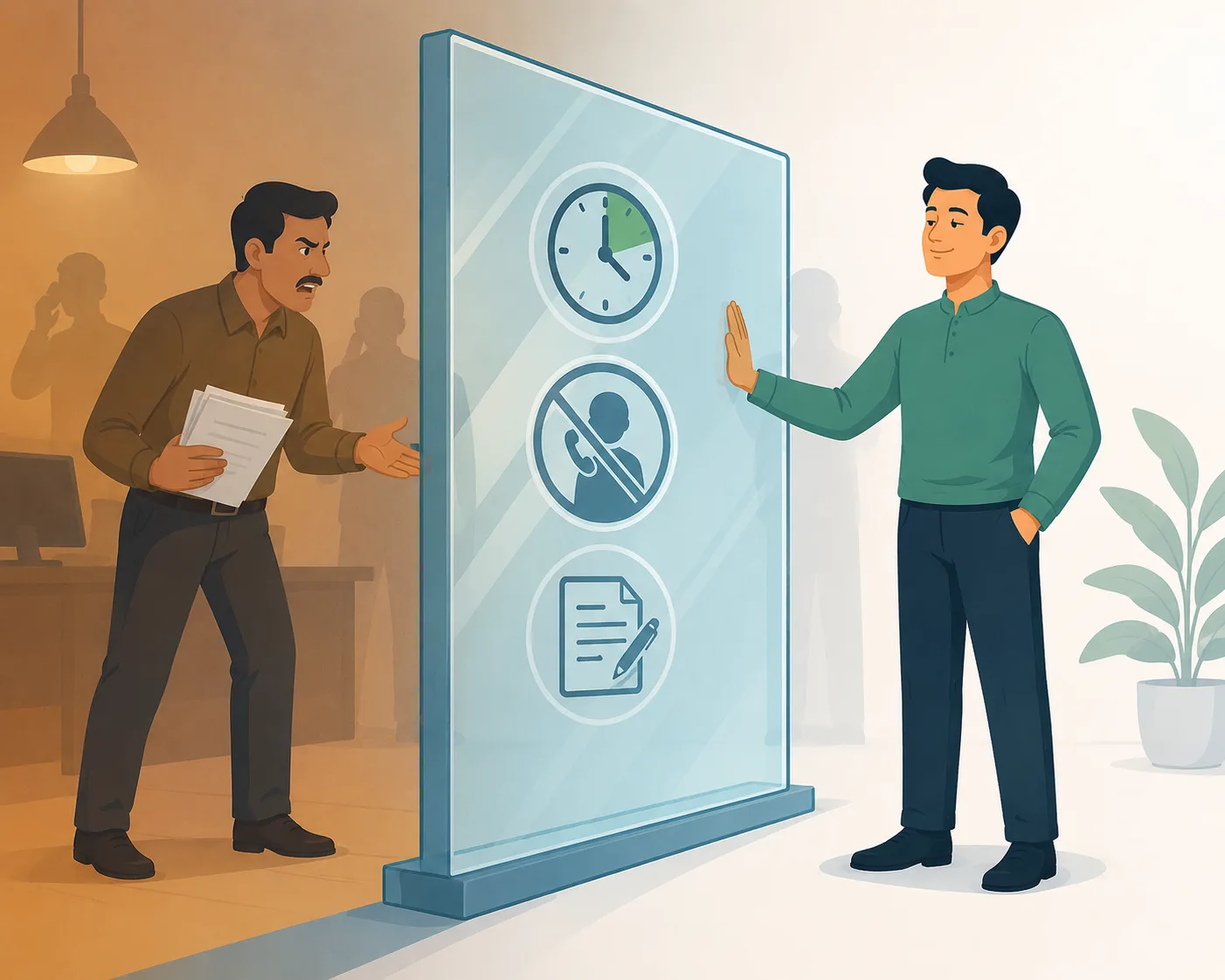
One thing worth saying clearly, because it genuinely changes how a person approaches the weeks ahead: receiving a notice does not mean the case is already decided. It means a formal process has started, and you still have a real, legally protected say in how it plays out from here.

What Happens in a DRT Case, Step by Step?
- Application. The bank files an Original Application (OA) at the DRT that covers your area.
- Summons. The tribunal sends you a summons asking why the bank's claim shouldn't be allowed.
- Your reply. You file a written statement within 30 days of getting the summons. The tribunal can add up to 15 days only in exceptional cases.
- Hearing. Both sides present documents and arguments. You can raise any dispute about the amount here.
- Order. If the tribunal finds money is due, it issues a recovery certificate for that amount.
- Recovery. A recovery officer of the tribunal carries out the certificate. Agents can't do this on their own.
- Appeal. Either side can appeal to the Debts Recovery Appellate Tribunal (DRAT) within 45 days of the order. The deposit rules for an appeal are on our Recovery of Debts and Bankruptcy Act page.
At every step before the order, talking to the bank about a settlement is still possible.

FREED Expert Tip
Reply to the summons within 30 days and keep your full loan statement ready. Missing the deadline can let the case go ahead without your side.
Book My CallHow Do You Check DRT Case Status?
- Open the official DRT portal run by the Department of Financial Services.
- Choose case status and pick the tribunal that issued your summons, for example DRT-2 Mumbai.
- Search by your case number (the OA number printed on your summons), or by party name if you don't have it.
- Read the next date and the last order. Download the order if one has been passed.
Keep your summons safe. The OA number on it is the fastest way into your case.
Got a DRT summons and not sure where you stand?
FREED's counsellors can help you understand your options before the hearing.
Check My Credit InsightsWhere Are the Debt Recovery Tribunals?
| City | Tribunals |
|---|---|
| Delhi | DRT-1, DRT-2, DRT-3 |
| Mumbai | DRT-1, DRT-2, DRT-3 |
| Chennai | DRT-1, DRT-2, DRT-3 |
| Kolkata | DRT-1, DRT-2, DRT-3 |
| Chandigarh | DRT-1, DRT-2, DRT-3 |
| Ahmedabad | DRT-1, DRT-2 |
| Bengaluru | DRT-1, DRT-2 |
| Hyderabad | DRT-1, DRT-2 |
| Ernakulam | DRT-1, DRT-2 |
| One tribunal each | Allahabad, Aurangabad, Coimbatore, Cuttack, Dehradun, Guwahati, Jabalpur, Jaipur, Lucknow, Madurai, Nagpur, Patna, Pune, Ranchi, Siliguri, Visakhapatnam |
That's 39 tribunals across 25 cities. Appeals go to one of 5 appellate tribunals (DRATs), in Allahabad, Chennai, Delhi, Kolkata and Mumbai.
Who Can File a DRT Case and for What Amount?
Only banks and financial institutions can file at the DRT, and only for dues of ₹20 lakh or more. The limit was raised from ₹10 lakh to ₹20 lakh by a central notification in September 2018. A bank chasing a smaller amount has to go to a civil court or Lok Adalat instead.
That matters for most personal loan and credit card borrowers. If your total dues to one bank are below ₹20 lakh, a DRT summons for that loan alone is unlikely. Check the amount on any notice that mentions the DRT and ask the bank which forum it actually plans to use.

What the Law Says
The Recovery of Debts and Bankruptcy Act doesn't apply to dues below ₹20 lakh, under the Centre's notification of 6 September 2018. Claims below that go to civil courts.
Settle My LoansDRT vs civil court vs SARFAESI, what's the difference?
Route | Applies To | Loan Amount | Who Can File | Speed |
DRT | Secured and unsecured loans | ₹20 lakh and above | Bank or NBFC | Faster than civil court |
Civil Court | Unsecured loans | Below ₹20 lakh | Bank or NBFC | Slower, can take years |
SARFAESI | Secured loans only (home, car, business collateral) | No minimum threshold | Bank or NBFC | Fastest, no court needed to start |
Put simply, three separate routes exist because three genuinely different situations call for different tools: DRT for larger institutional claims that need faster resolution than ordinary courts provide, civil court for smaller unsecured matters, and SARFAESI specifically for secured loans where an asset already stands as security.
Figures are indicative. Borrowers should verify their specific case with the bank or a legal professional. FREED does not handle secured loans.
What are your options if you get a DRT notice?
The first option, and genuinely the most overlooked one, is simply responding through the proper channel. Filing your written reply within the given window, rather than letting it lapse out of uncertainty or overwhelm, keeps every other option on the table that follows. This single step matters more than almost anything else discussed in this guide.
Beyond that immediate response, if the bank is genuinely open to it, exploring a restructured repayment plan is worth raising directly and early. Some lenders will consider this even at this stage of the process, particularly if you can present a realistic, documented path to resuming regular payments, a changed income situation, a new job, a resolved medical issue, whatever the underlying circumstance was.
If you're still able to pay overall but the real burden comes from managing multiple loans rather than one large one, consolidation may be worth a conversation, though only after a genuine eligibility check, not as an assumption. This path genuinely isn't right for every borrower at this stage, particularly once a case has reached DRT specifically, and it's worth having FREED's team properly assess where you actually stand financially before assuming it's the right fit for your situation.
For borrowers who are genuinely unable to repay in full, regardless of restructuring or consolidation, a different, more direct conversation becomes necessary. Settlement is not something a borrower chooses out of preference. Banks and financial companies only consider it when you are in genuine financial difficulty and are truly unable to repay the full amount. Where it genuinely applies, a settlement typically involves the bank agreeing to accept a reduced lump sum, with waivers referenced as up to 50%*, as full and final payment toward closing the account. It's worth being completely direct about the real cost of this route too, not softening it. A settled account continues to appear on the credit report in accordance with the reporting practices of credit bureaus. That's a genuine trade-off against the relief it offers, not a minor footnote to skim past, and it deserves to factor properly into the decision alongside whatever relief settlement would bring.
Not Sure If Settlement Is Right for Your Case?
Talk to a counsellor before your next hearing.
Book My Free CallHow FREED helps
FREED does not represent borrowers in the DRT and does not offer legal representation of any kind. That is a lawyer's role, and anyone with an active DRT case needs one.
Where FREED fits is earlier. If you have received a legal notice or recovery letter and no case has been filed yet, FREED can help you understand your options and work towards a settlement with the bank before the matter reaches a tribunal.
Are You in a Loan Trap? Quick Check
Move the slider to your total EMIs as a % of monthly salary. See your debt stress level instantly.
EMIs as % of Monthly Salary
What helps during a DRT case
A handful of habits make a genuine, measurable difference to how a DRT matter unfolds, regardless of which direction the case eventually goes, settlement, restructuring, or a full hearing.
Respond to every single notice within the given window. This is, without question, the most important habit on this list, and also the one that costs the borrower the least effort to get right, it's simply about not letting a deadline pass unanswered. Keep copies of every loan document and every piece of correspondence with the bank, from the original loan agreement through to the most recent notice you've received, this record matters enormously if any detail of the case is disputed later, and it's far easier to gather these documents as you go than to reconstruct them under pressure months later.
Don't let the process go unanswered simply because it feels overwhelming in the moment, which is an entirely understandable reaction but not a productive one here. An ignored notice tends to close doors rather than simply pause the process, the tribunal doesn't wait indefinitely for a response that never comes.
Get legal guidance specifically for the tribunal proceedings themselves, since DRT operates under its own procedural rules that general financial awareness, however thorough, doesn't fully cover on its own. And where genuine hardship genuinely exists, it's worth running settlement discussions in parallel with the legal process rather than waiting for one track to fully conclude before starting the other, the two tracks aren't mutually exclusive and often move on different timelines entirely.

Mohit Juneja
Mohit Juneja writes educational content at FREED on debt management, credit scores, loan repayment, and borrowing best practices. His content is shaped by expert insights and industry knowledge, helping readers better understand their financial options and make informed decisions.
mohit.juneja@freed.care

FREED is India's trusted loan management platform. Founded in 2020 and headquartered in Gurugram, FREED has counselled 20 lakh+ people on personal loans, credit cards, and app loans. FREED charges fees only on successful settlement, not upfront. FREED does not handle secured loans (home loans, car loans, gold loans).
Media Mentions