How to Raise a CIBIL Report Dispute (Step-by-Step)
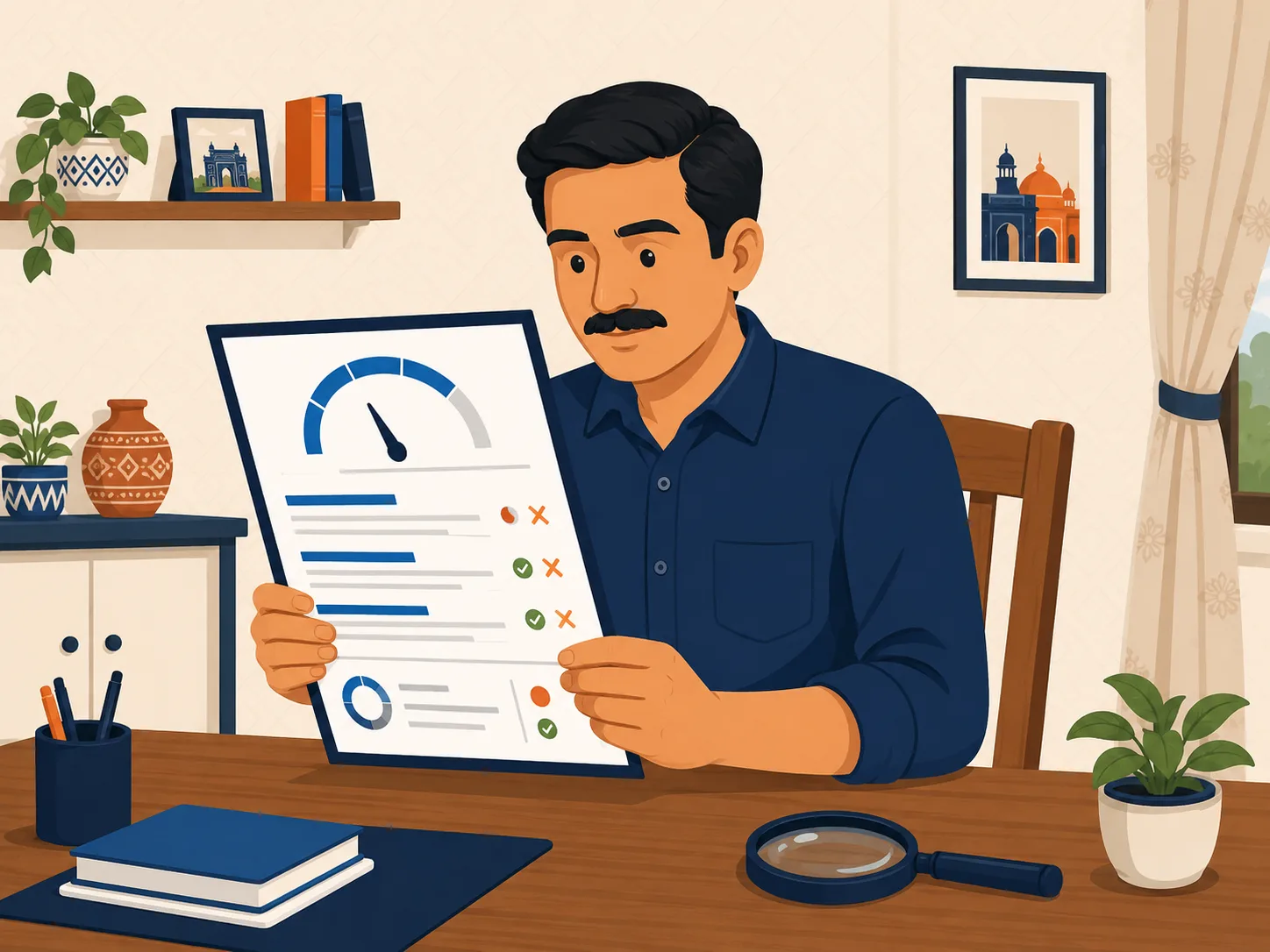
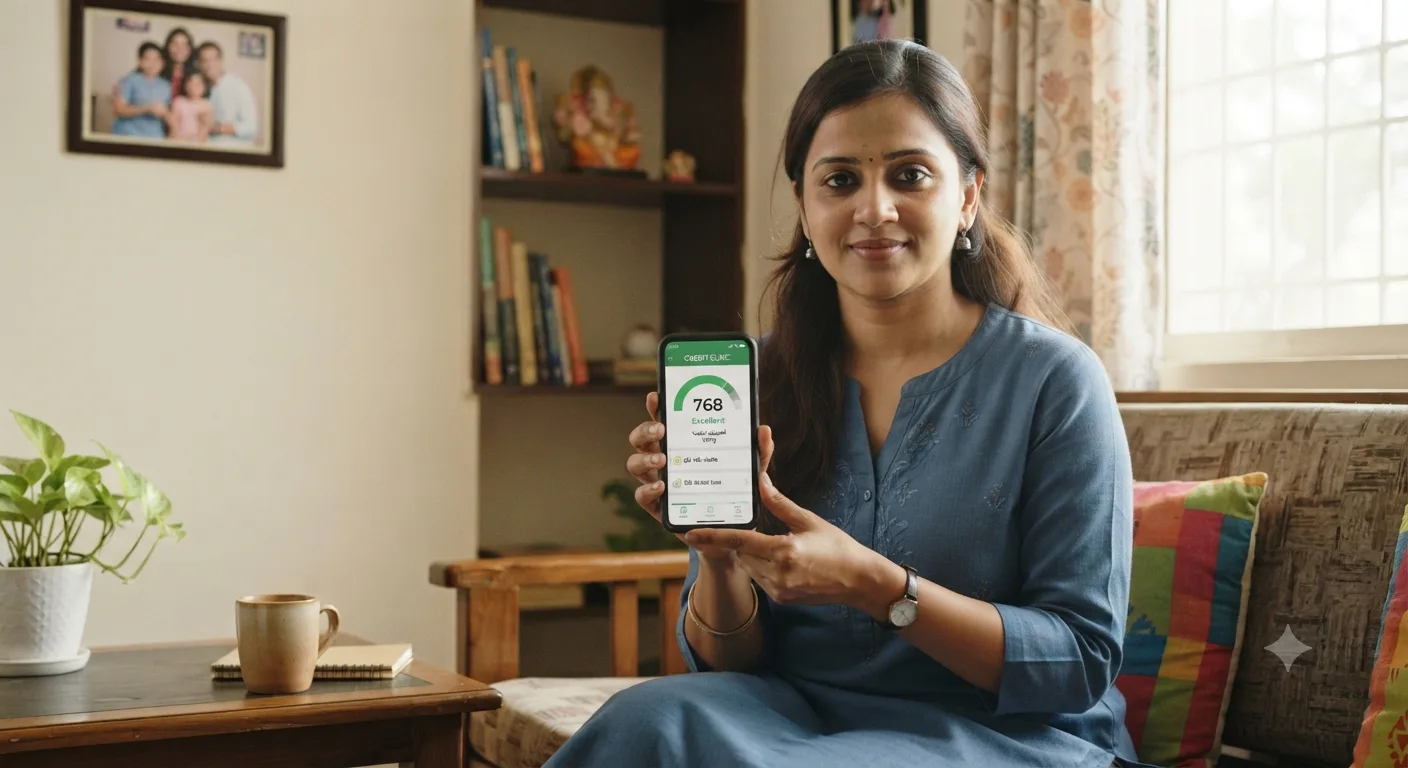
A CIBIL report dispute is a formal request you raise with TransUnion CIBIL to correct an error in your credit report, a wrong payment status, an account that isn't yours, or outdated personal details. It's free, fully online, and must be resolved within 30 days under RBI rules. Left uncorrected, even a small error can quietly pull your score down and cost you a loan approval.

Mohit Juneja
Reviewed by FREED India, Debt Resolution Specialists
 4.7/5
4.7/5 ₹3,200Cr+
 20,000+
 20,00,000+4.7/5₹3,200Cr+20,000+20,00,000+
Key Takeaways

A CIBIL report dispute can be raised free of charge at cibil.com, no office visit needed.
Errors in credit reports are more common than most people expect.
RBI mandates resolution within 30 calendar days: 21 days for the lender, 9 days for CIBIL.
If resolution takes longer than 30 days, you're entitled to ₹100 per day in compensation, credited to your bank account automatically.
Filing a dispute doesn't affect your score on its own. Leaving the error uncorrected will.
What Is a CIBIL Report Dispute and Why Does It Matter
Errors on a credit report usually don't come from fraud. Most of the time, they come from something far more ordinary, a lender's data entry mistake, a delayed update that never made it to CIBIL on time, or a system mismatch between two institutions that share similar borrower details. Whatever the cause, the effect is the same: information on your report that doesn't match reality.
A CIBIL report dispute is the formal way to fix that. It's a correction request, not a complaint in the adversarial sense, and it's worth thinking of it that way. You're not accusing anyone of wrongdoing. You're asking for a record to be checked and corrected.
One thing worth understanding upfront, since it shapes what to expect: CIBIL itself cannot simply change your data because you say it's wrong. CIBIL only holds what lenders report to it. When you raise a dispute, CIBIL forwards it to the specific lender involved, and the correction happens only once that lender confirms the error on their end. This isn't CIBIL passing the buck; it's how the reporting chain is actually built, lender to bureau, not the other way around.
This matters more than people expect. Errors show up more often than most borrowers assume. FREED finds at least one issue in roughly 4 out of 10 credit reports it reviews for customers. A wrong entry may affect how future lenders assess your credit profile.
What Types of Errors Can You Dispute in a CIBIL Report
Errors on a credit report generally fall into three categories, and knowing which one you're dealing with shapes what documents you'll need later.
- Personal information errors. This covers your name spelling, PAN details, date of birth, address, or phone number. In many cases, these require less verification than account-related disputes.
- Account information errors. This is the broadest category and the one most people run into. It covers a wrong outstanding balance, a payment marked late when it was actually paid on time, a loan that was closed but still shows as active, or the same account appearing twice as a duplicate entry. These require the lender to check their own records and confirm what actually happened.
- Ownership errors. This is the most serious type, an account that never belonged to you at all. It usually points to a data mapping issue between lenders, where similar names or overlapping identity details cause information to get attached to the wrong person. In rarer cases, it can indicate identity misuse. Either way, this category needs the strongest documentation and the most careful handling.
For payment disputes, you'll typically need bank statements showing the EMI was actually deducted on time. For ownership disputes, you'll need a letter from the bank confirming the account isn't yours or a police complaint copy if identity misuse is suspected. Knowing which bucket your error falls into before you start saves a lot of back and forth later.
What Documents Do You Need Before Raising a CIBIL Dispute
Gathering the right documents before you file is the single biggest thing you can do to speed up resolution. An incomplete dispute doesn't get rejected outright, but it does sit longer, since the lender has to come back and ask for what's missing before they can even begin verifying.
What you need depends entirely on the type of error you're disputing.
- Payment disputes. A bank statement showing the EMI deduction on the date in question, along with any repayment receipts you have. This is the clearest proof a lender can act on quickly.
- Account ownership disputes. A letter from the bank confirming the account doesn't belong to you, or a copy of a police complaint if you believe your identity was misused. This is the category where documentation matters most, since the lender has to actively disprove their own record.
- Personal information errors. A copy of your PAN card, Aadhaar, or passport, whichever clearly shows the correct detail you're asking to be updated.
Two practical things to note before you file. First, note the Control Number from your CIBIL report; it's unique to that specific report, and the dispute form will ask for it. You'll find it printed on the report itself. Second, your report needs to be dated within 60 days of filing the dispute; an older report won't be accepted, so if it's been a while since you last checked, pull a fresh one first. You're entitled to one free CIBIL report every year directly from cibil.com, so this doesn't cost anything. (Source: https://www.cibil.com/faq/loan-rejections-disputes )

FREED Expert Tip
Download your CIBIL report as a PDF before raising a dispute. You'll need the Control Number from that specific report when you fill out the online dispute form.
Talk to a FREED ExpertHow to Raise a CIBIL Report Dispute Online, Step by Step
The dispute portal is cibil.com, it's the official, direct channel, and the entire process is free from start to finish. One thing worth knowing before you begin: you can raise more than one dispute type in a single form submission if your report has multiple issues, you don't need to file separately for each one.
- Get Your CIBIL Report First. Log in at cibil.com, or create a free account if you don't have one, and download your latest credit report as a PDF. Note the Control Number, you'll need it for the form.
- Find the Error. Clearly identify the exact section with the error, Personal Information, Account Information, or Enquiry, and note the specific field that's wrong. Being precise here saves time later.
- Collect Supporting Documents. Gather your proof before filing: a bank statement, repayment receipt, NOC from the lender, or an identity document, depending on which type of dispute you're raising.
- Go to the Dispute Centre on CIBIL. Scroll to the Dispute Resolution tab, then Consumer Dispute Resolution, then Access Dispute Form Now. Log in with your myCIBIL credentials to proceed.
- Select Section and Dispute Type. Choose the section with the error, Account, Personal Info, and so on, then select the specific dispute type from the dropdown. The form will suggest a "Find Solution" option first; if that doesn't resolve it, click "Raise a Dispute" to proceed properly.
- Fill out the Form and submit it. Enter the correct details, upload your supporting documents, and submit. Include your bank account number as well, this is what CIBIL uses to credit the ₹100/day compensation automatically if the resolution runs past 30 days. (Source: https://www.cibil.com/consumer-dispute-resolution)
- Note Your SR Number. Save the Service Request (SR) number sent to your email once you submit. This is what lets you track the dispute's status in the Dispute Centre going forward.
Once submitted, the disputed field gets marked "Under Dispute" on your report immediately. Lenders can see that the item is under dispute while it is being reviewed That said, filing isn't an instant fix, the correction only happens once the lender actually confirms the error on their end.
How Long Does a CIBIL Dispute Take to Resolve
The 30-day timeline comes directly from an RBI framework, and it's worth understanding the exact breakdown rather than a vague number.
Under RBI's rules, the lender gets 21 calendar days to verify and respond once a dispute reaches them. CIBIL itself gets the remaining 9 calendar days, both to forward the dispute initially and to process the lender's response and update the report. Together, that's a hard ceiling of 30 calendar days from the date you filed.
Here's what actually happens on each side. If the lender confirms the error after checking their records, CIBIL updates the report accordingly and removes the "Under Dispute" tag; that's the resolution most people are hoping for. If the lender disagrees and stands by the original entry, CIBIL is required to notify you with the specific reason for the rejection, not just a generic "not resolved" message.
Along the way, CIBIL sends status update emails roughly every 7 days, so you're not left wondering what's happening for a full month. In practice, simple personal information corrections often resolve well before the 30-day mark. Disputes involving cross-institution data, or ownership errors where the lender has to actively investigate a mismatch, tend to run closer to the full window, sometimes because coordinating between two institutions genuinely takes time. (Source: https://www.cibil.com/framework-for-compensation)

What the Law Says
Under RBI Circular RBI/2023-24/72, dated October 26, 2023, if your CIBIL dispute isn't resolved within 30 calendar days, you're entitled to ₹100 per day in compensation. The amount is credited to your registered bank account automatically within 5 working days of the dispute's resolution.
Check Your OptionsWhat Happens If Your CIBIL Dispute Is Rejected
A rejection doesn't mean the process failed; it usually means the lender checked their records and confirmed the entry is accurate. That's a real, valid outcome, not a dead end, and it's worth understanding it that way rather than as something to fight.
By rule, CIBIL must give you the specific reason for a rejection, not just notify you that it happened. From there, you have three real paths forward.
- Re-raise the dispute with stronger documents. If you believe the entry is still wrong, additional bank statements or a fresh NOC from the lender can strengthen a second attempt.
- Contact the lender's grievance officer directly. Sometimes, going straight to the lender with your evidence resolves what the standard dispute channel couldn't.
- Escalate to the RBI's Integrated Ombudsman Scheme. This path exists specifically for cases where compensation was wrongfully denied, not for disputing an entry that's genuinely accurate.
One distinction worth being clear about: a dispute cannot be used to erase an accurate negative entry. If you genuinely missed a payment, that stays on your report, correctly. The dispute mechanism exists to fix factual errors, not to clean up a real repayment history. Knowing this upfront avoids wasted effort chasing something the system was never built to remove.

Not sure if your CIBIL report has errors?
FREED reviews your report and flags issues that could be pulling your score down.
Get My Free CIBIL ReviewHow FREED Helps If You Find Something Wrong on Your CIBIL Report
Not every reader who lands here just needs the dispute steps. Some already suspect their report has more than one issue or aren't confident reading a credit report closely enough to catch every error in the first place. This is where FREED fits in, as one option, not the only path.
FREED's Credit Insights reviews your report and shows you exactly what's affecting your score, not just the disputed field you already knew about, but anything else worth a second look. It pulls your Experian report and gives clear, specific next steps rather than just a number. It's open to everyone, whether or not you're already enrolled in any FREED program.
If a dispute uncovers something bigger, an old settled account still weighing on your score, or several loans that are genuinely hard to keep track of, FREED has two further paths, and which one fits depends on your situation. Debt consolidation may help simplify repayments for eligible borrowers, depending on repayment behaviour and lender reporting. If you're still able to pay but managing too many EMIs, FREED's Debt Consolidation Program can bring them into a single, lower monthly payment, and your CIBIL score tends to improve rather than drop. If repaying in full has genuinely become difficult, FREED's Loan Settlement Plan is a structured way to work through that with your bank, though it's worth knowing upfront that this path isn't for a dispute-related issue alone; it's for a real, ongoing repayment struggle.
How to Track Your CIBIL Dispute Status
Once you've filed, tracking is straightforward. Log in to your myCIBIL account, go to the Dispute Centre, and enter the SR (Service Request) number you received by email when you submitted the dispute.
You'll typically see one of three status states: with CIBIL's team, forwarded to the lender, or resolved. If there has been no update for an extended period, consider contacting CIBIL for a status update. If you haven't seen an update after 10 days, it's worth following up directly through CIBIL's consumer helpline or your registered email rather than waiting out the full 30 days in silence.
One practical thing to watch for: status update emails come from info@cibildisputesalert.transunion.com. It's easy for automated emails like this to land in spam, so whitelisting that address before you file saves you from missing an update on your own dispute.
Common CIBIL Dispute Mistakes That Slow Down Resolution
Most guides stop at the how-to. Just as useful is knowing what quietly slows the process down, since these mistakes are common and entirely avoidable.
- Filing a report older than 60 days. CIBIL requires a current report to file against; an outdated one gets rejected before the dispute even starts. Pull a fresh report first if it's been a while.
- Not providing supporting documents upfront. An incomplete dispute doesn't move faster by being submitted sooner; it just goes back and forth as the lender asks for what's missing.
- Raising a dispute on an accurate entry. The mechanism exists for factual corrections only. A genuine missed payment or a real settled account will be confirmed as accurate, not removed.
- Not noting the Control Number before filing. This number is required on the form, and hunting for it mid-submission just adds friction.
- Not tracking the SR number. Without it, you have no way to follow up if the dispute stalls past 10 days with no update.
Filing multiple submissions for the same error without new evidence. Repeating the same dispute without adding anything new just creates noise in the system; it doesn't speed up resolution.
Avoiding these six is mostly about being organised before you start, not about doing anything complicated during the process itself.
CIBIL Dispute Types at a Glance
Dispute Type | Example | Documents Needed | Resolution Speed |
Personal Information Error | Wrong PAN, name spelling, DOB | PAN card, Aadhaar, passport | Faster: no lender verification needed for minor info changes |
Account Information Error | EMI marked late when paid on time, closed account shows active | Bank statement, repayment receipt, closure letter | Depends on lender turnaround, up to 21 days |
Duplicate Account Entry | Same loan appearing twice | Bank statement confirming a single account | Depends on the lender turnaround |
Account Ownership Error | Loan in your name you never took | Bank letter + police complaint | Longer, may involve cross-institution verification |
All disputes are subject to the 30-day RBI resolution timeline. Actual timelines depend on lender response speed.

Mohit Juneja
Mohit Juneja writes educational content at FREED on debt management, credit scores, loan repayment, and borrowing best practices. His content is shaped by expert insights and industry knowledge, helping readers better understand their financial options and make informed decisions.
mohit.juneja@freed.care

FREED is India's trusted loan management platform. Founded in 2020 and headquartered in Gurugram, FREED has counselled 20 lakh+ people on personal loans, credit cards, and app loans. FREED charges fees only on successful settlement, not upfront. FREED does not handle secured loans (home loans, car loans, gold loans).
Media Mentions