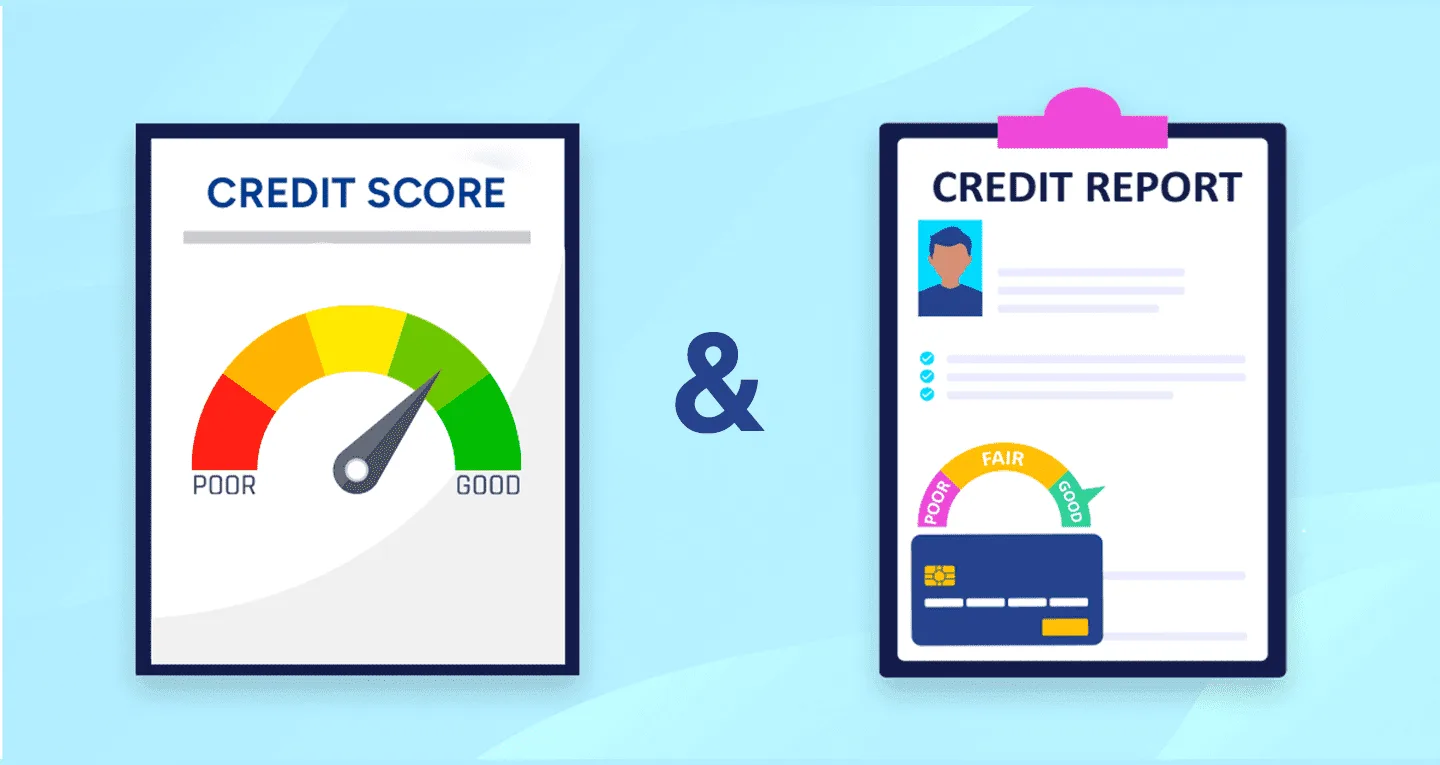
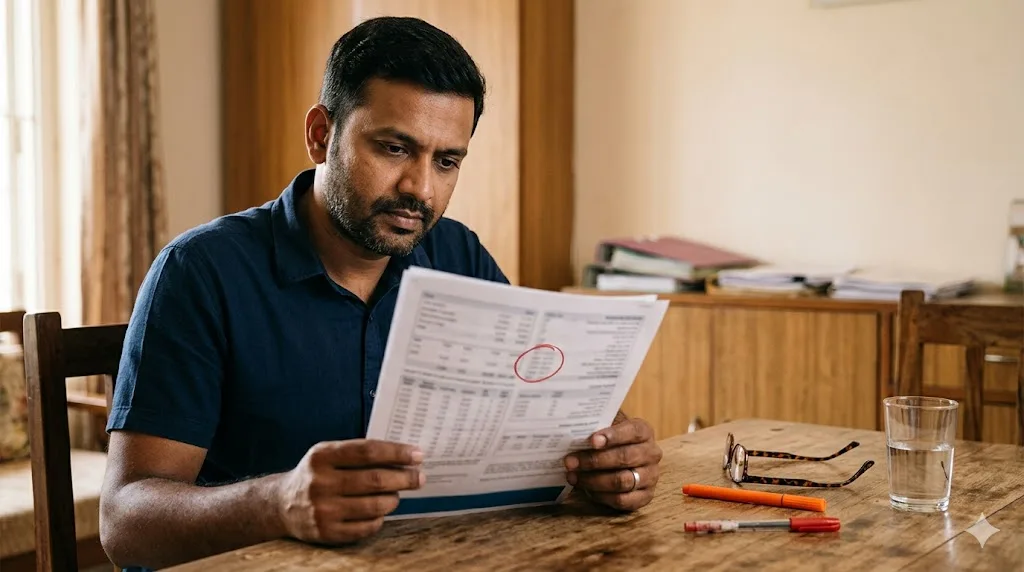
What Is a CIBIL Clearance Letter and How Do You Get One?
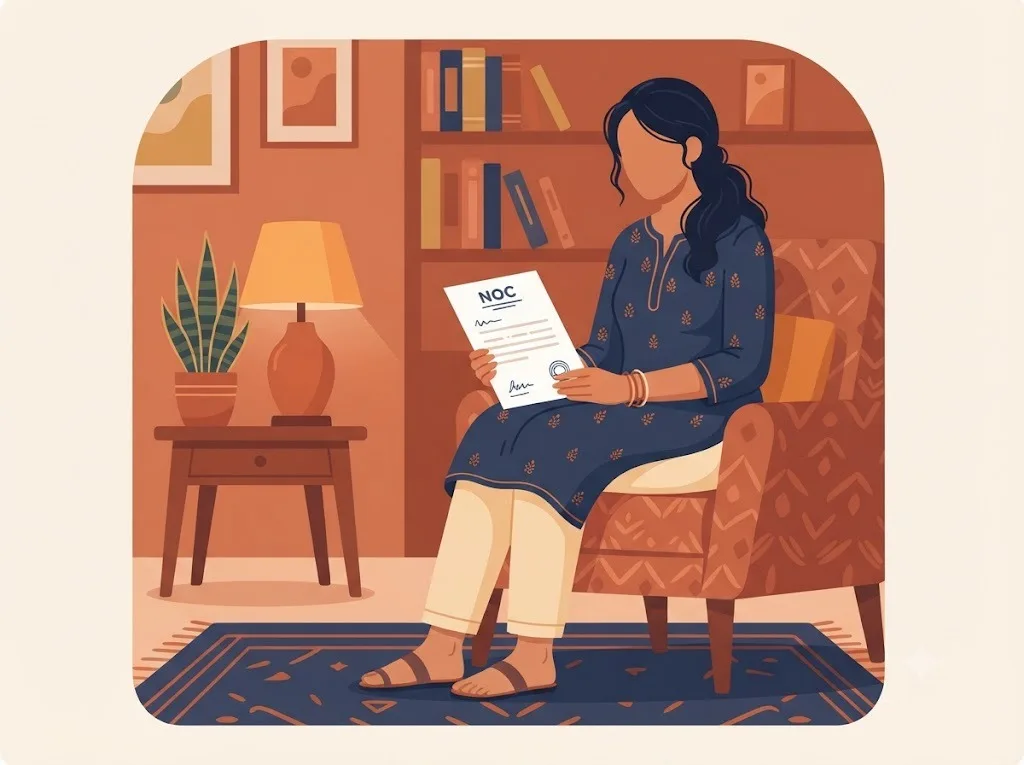
A woman in Pune finishes her last EMI on a two-year personal loan, calls her bank, and asks for her "CIBIL clearance letter." The relationship manager on the other end knows exactly what she means and processes the request without blinking, even though the name itself is a little off. What she's actually asking for is a No Objection Certificate, an NOC, the document her lender issues once a loan is fully repaid, foreclosed, or settled, confirming nothing more is owed. CIBIL never touches this paperwork directly. Her bank writes it, signs it, and only then reports the closure to the bureau, which is exactly where the mix-up in the popular name comes from.
Mohit Juneja
Reviewed by FREED India, Debt Resolution Specialists
 4.7/5
4.7/5 ₹3,200Cr+
 20,000+
 20,00,000+4.7/5₹3,200Cr+20,000+20,00,000+
KEY TAKEAWAYS

A CIBIL clearance letter is really an NOC (No Objection Certificate) your lender issues, CIBIL itself doesn't issue this document.
You need one whenever a loan is fully repaid, foreclosed, or settled, as proof the account is genuinely closed.
A settlement NOC typically shows as "settled" on your credit report, while a full-repayment NOC shows as "closed"; these carry different weight.
Once your lender issues the NOC, it can take a reporting cycle or two before your CIBIL report to reflect the update.
What Is a "CIBIL Clearance Letter"?
The bank writes this document. CIBIL only reflects whatever the bank chooses to tell it afterward, and that gap between issuer and reporter is where the popular name for this paperwork goes slightly wrong. Ask ten loan officers what a "CIBIL clearance letter" is and nine will know immediately what you mean, even though the twelfth word in that phrase is misattributed.
Its actual name is a No Objection Certificate, or sometimes a loan closure letter, both interchangeable in practice. The shorthand "CIBIL clearance letter" caught on for an understandable reason: the thing people actually care about is a cleaner credit report, and CIBIL happens to be the name stamped on that report. Somewhere along the way, the outcome and the source got conflated, and the bank quietly disappeared from the story even though it's the one holding the pen. Why this specific document matters, beyond just fixing the terminology, is worth spending real time on.

Want to check what your own credit report currently shows?
Check your credit picture.
Check My Credit ScoreWhy Do You Actually Need One?
Picture someone who closed a car loan in 2022 and threw away the paperwork, assuming the bank's records would speak for themselves forever. Three years later, a home loan application stalls because the old car loan still shows an outstanding balance, a reporting glitch nobody caught. Without the original NOC, fixing this takes weeks of back-and-forth with a branch that's since changed half its staff. With it, the same fix takes a single visit.
That's the real value: written proof in your hands that a specific debt is closed, useful regardless of what your credit report says on any given day, since a report can lag behind reality in ways a signed piece of paper simply can't. It protects you specifically when a lender's reporting is delayed or wrong, giving you documented evidence to dispute with rather than a fading memory of a payment made years earlier. Some future lenders and verification processes ask for it directly too, particularly for larger loans or anything touching property, where a clean paper trail on prior obligations carries real weight. Exactly when you should request one deserves a direct answer, since the trigger isn't limited to the obvious case of paying a loan off on schedule.
When Should You Get a Clearance Letter?
- After fully repaying a loan on its normal schedule, once your final EMI has actually cleared and the account has run its complete, agreed-upon course.
- After foreclosing or prepaying a loan in full before term, closing it out earlier than originally scheduled but still for the complete amount owed, not a reduced figure.
- After completing a negotiated settlement. This case deserves its own line and its own attention, since the account closes under genuinely different terms than full repayment, and the documentation needs to reflect that difference honestly rather than blending it in as though it were the same thing.
How to actually request this document, once you know you're entitled to it, it's worth walking through how to request this document step by step rather than assuming it'll simply show up.
How to Get Your Clearance Letter (NOC)
Here's the general sequence, though the exact channel an app, a branch visit, or an email to a nodal officer aries by lender.
- Confirm Final Payment Cleared. Make sure your last payment, whether full repayment, foreclosure, or settlement, has actually been processed by the lender's systems, not merely submitted from your side and sitting in a queue somewhere.
- Request the NOC in Writing. Contact the lender's customer service or branch and formally request the No Objection Certificate for the closed account in writing, not just by phone; you'll have no record of it later.
- Provide Any Required Details. Have your loan account number and payment reference details ready, since a vague request tends to sit in a pile while a specific, documented one gets processed.
- Receive and Verify the Document. Once issued, check that the NOC states the correct account number, closure type (paid or settled), and date. A typo here is far more annoying to untangle six months from now than it is to catch today.
- Check Your Credit Report. After a reporting cycle or two, confirm your credit report actually reflects the account as closed or settled, matching exactly what your NOC states on paper.
Most lenders issue this within a defined window after the final payment clears. Follow up if it doesn't arrive within a reasonable stretch, don't quietly assume it's been forgotten and let months slide by unchecked.

What the Law Says
RBI directs regulated lenders to release original property documents and remove any registered charge within 30 days of full repayment or settlement, with compensation of ₹5,000 per day of delay beyond that window. NOC issuance itself, for loans without pledged property documents, falls under the broader Fair Practices Code requirement to act within a reasonable period, without a single universally fixed day count specified in the regulation.
Know Your Right to This DocumentSettlement NOC vs Full-Repayment NOC: What's the Difference?
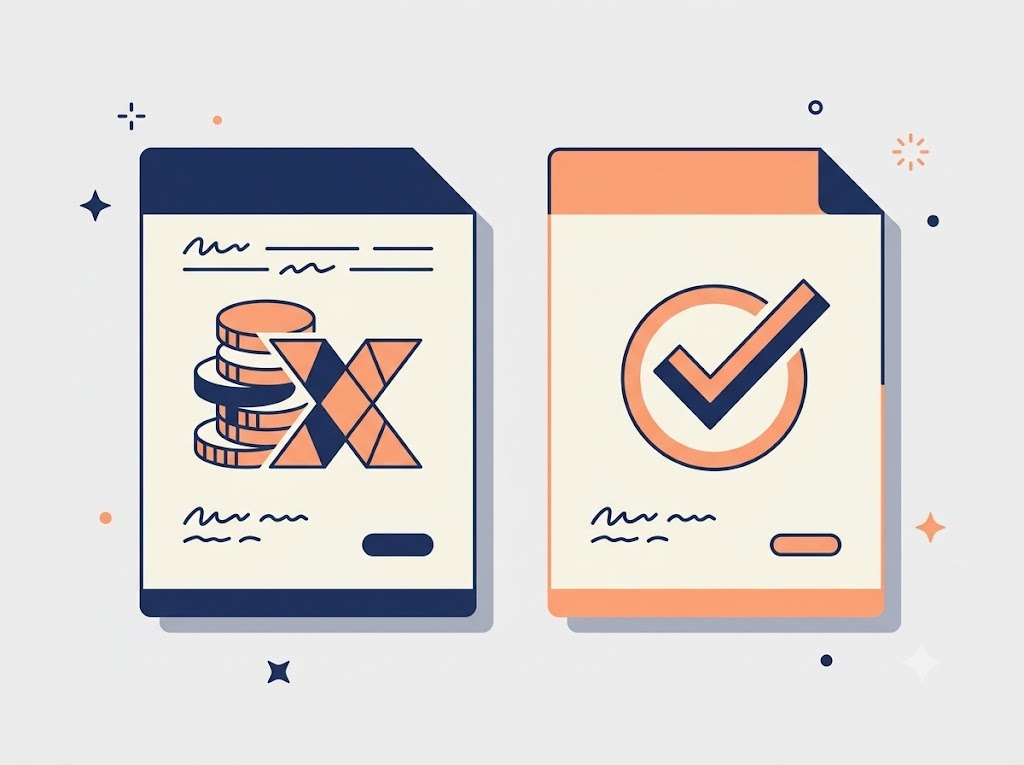
Feature | Settlement NOC | Full-Repayment NOC |
Issued when | Loan closed via negotiated settlement, less than full amount | Loan fully repaid on schedule or foreclosed early |
Credit report reflects | "Settled" | "Closed" or "Paid" |
General credit impact | Neutral-to-positive resolution, viewed less favourably than full repayment | Generally viewed favourably |
What it proves | Account is closed, negotiated terms honoured | Account is closed, full obligation met |
Worth saying plainly rather than hedging around it: a settled account is still a genuinely positive resolution, closed and no longer active, even though it carries a different weight on a credit report than a fully repaid loan would. If this distinction is why you landed on this page, it's worth a closer read, and understanding what recovery looks like afterwards helps set realistic expectations for the years that follow.
What If Your Lender Doesn't Update CIBIL?
Reporting isn't instant. A correctly issued NOC still has to be reflected through the lender's credit-bureau reporting cycle before it reaches your side of the report, so give it a genuine cycle or two before assuming something's actually gone wrong.
Once you're well past a normal reporting window, follow up with the lender directly and in writing, citing your NOC by its account number and date rather than sending a generic inquiry that's easy to file away and forget. If the lender still won't correct it, the next step is to raise a formal dispute with the credit bureau; the online process runs through CIBIL's dispute centre, and your NOC serves as the supporting evidence for the correction you're requesting. This matters even more if the account shows up as written off rather than the settled or closed status your NOC confirms, since that mismatch is a much bigger problem to leave unresolved than a typical reporting delay. If a first dispute gets rejected outright, escalating the complaint further, including to the RBI Ombudsman if needed, is a real, available option, not a dead end.
How FREED Helps With This
FREED's Loan Settlement Plan doesn't stop at negotiating the settlement itself. Following through to secure the lender's NOC and confirming it's correctly reported is genuinely part of closing the loop for the client, not an optional extra tacked on once the harder conversation is over.
Here's why that follow-through matters so much: a settlement without proper documentation can leave a client's credit report inaccurate or unresolved even after the underlying debt has been settled in full, which quietly undermines a big part of the point of settling in the first place. Negotiating the number and getting the paperwork right afterwards are two separate jobs, and skipping the second one can leave someone technically debt-free but still looking, on paper, like they aren't.
Mid-Settlement or Need Help Getting Your NOC?
FREED handles the follow-through, not just the negotiation.
Start My Free AssessmentA Few Things Worth Knowing
Keep your NOC safely, in both physical and digital copies. You may genuinely need it years later for a property transaction, a fresh loan application, or simply for peace of mind on a quiet afternoon.
Check your credit report a couple of cycles after receiving your NOC to confirm it's reflected. Don't just assume the update went through cleanly on its own without checking.
If you're mid-settlement, ask upfront exactly what documentation you'll receive once it's complete, rather than discovering a gap only after the fact, when it's harder to fix.
Rebuilding credit after a settlement is a separate, considerably longer process. This document proves closure; it isn't an automatic score reset, and the actual steps to rebuild your credit score after a default walk through that longer road in full.
Not Sure Your Credit Report Reflects a Closed Account?
Free, confidential, no obligation.
Book My Free CallSources
Claim | Source |
RBI requires lenders to release original property documents and remove any registered charge within 30 days of full repayment or settlement, with ₹5,000/day compensation for delay | |
NOC issuance itself (for loans without pledged property) is governed by the Fair Practices Code's "reasonable period" standard, without a single fixed universal day count in the regulation | RBI Fair Practices Code guidelines issued to regulated entities since 2003 |

Mohit Juneja
Mohit Juneja writes educational content at FREED on debt management, credit scores, loan repayment, and borrowing best practices. His content is shaped by expert insights and industry knowledge, helping readers better understand their financial options and make informed decisions.
mohit.juneja@freed.care

FREED is India's trusted loan management platform. Founded in 2020 and headquartered in Gurugram, FREED has counselled 20 lakh+ people on personal loans, credit cards, and app loans. FREED charges fees only on successful settlement, not upfront. FREED does not handle secured loans (home loans, car loans, gold loans).
Media Mentions