What Is 'Written Off' in CIBIL? Meaning, Impact & How to Clear It
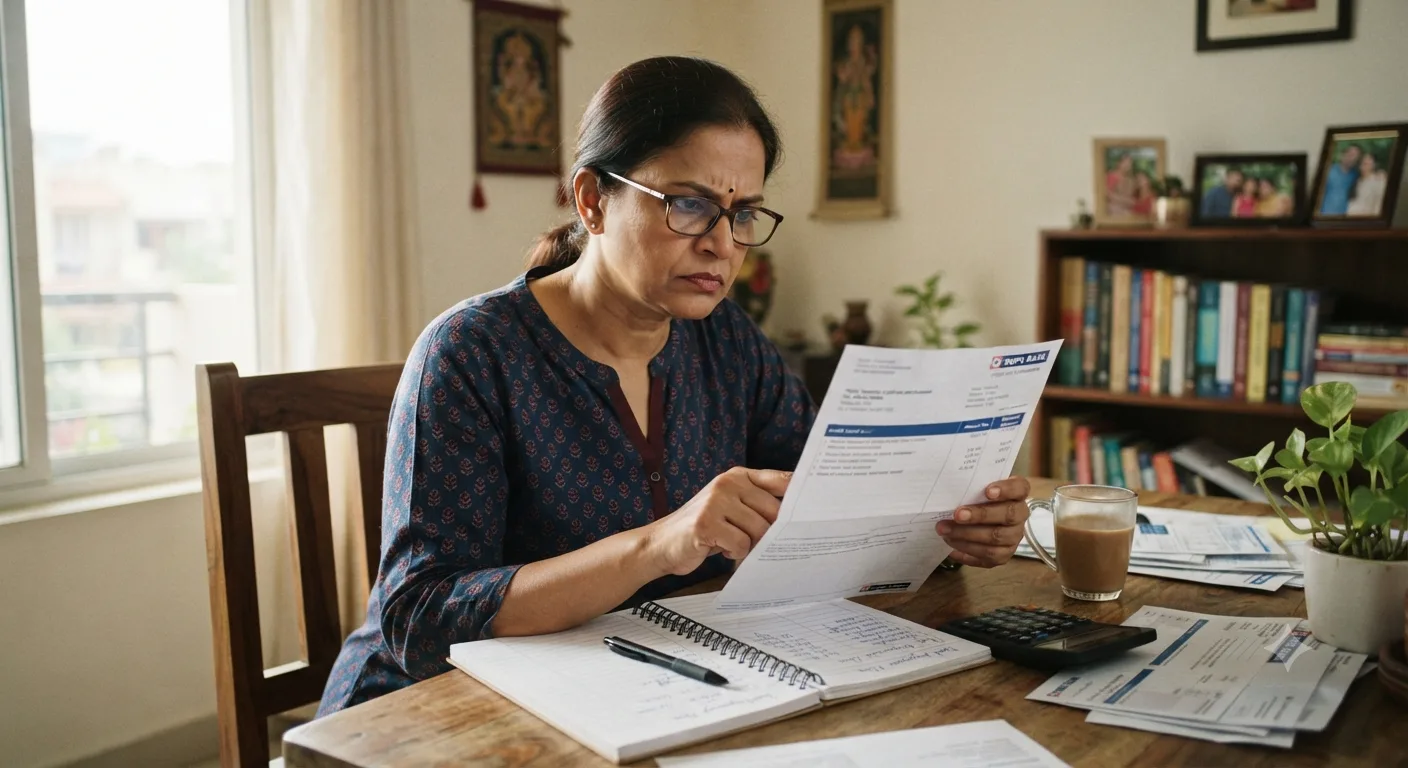
You opened your CIBIL report. You saw the words "Written Off" next to your old loan. Your stomach dropped. You started searching what it means at 1 AM. You're in the right place. This tag is not the end of your credit life, but ignoring it will quietly destroy your chances of getting any loan for the next seven years. Let's break it down in plain words.
Mohit Juneja
Reviewed by FREED India, Debt Resolution Specialists
 4.7/5
4.7/5 ₹3,200Cr+
 20,000+
 20,00,000+4.7/5₹3,200Cr+20,000+20,00,000+
Key Takeaways

"Written Off" means the bank removed your loan from its active books after 180+ days of non-payment. You still owe the money.
The tag stays on your CIBIL report for 7 years from the write-off date.
Score typically drops by 100 to 200 points the moment this tag appears.
Banks auto-reject new loan and credit card applications when they see this status.
What Does "Written Off" Actually Mean on CIBIL?
"Written Off" on CIBIL means the bank has stopped showing your loan as a live, recoverable asset in its own books because you haven't paid for 180 days or more. The loan still belongs to you. The amount you owe doesn't vanish. The bank just records it as a loss for its accounting and reports the status to CIBIL.
Here's what's really happening on the bank's side. After three to six months of missed EMIs, the loan stops earning interest in their system. They classify it as a bad asset and clean it out of their active loan book. This is a paperwork move inside their books. Nothing changes for you.
What CIBIL records is a tag against that loan line, the outstanding amount frozen on the date of write-off, and your last payment date. Anyone who pulls your report sees this tag immediately. It's one of the first things underwriters look at.
The trap most people fall into is simple. They see "Written Off" and assume the loan is dead. They stop checking. Months pass. The tag sits on the report. Every new credit card or loan application gets rejected. By the time they figure out what went wrong, three or four years have already passed.
Written Off vs Settled vs Closed: Why It Matters
Three statuses look similar on paper. They are not the same thing. Banks treat them very differently when you apply for your next loan.
Closed: You paid every rupee back on time or in full. CIBIL marks the loan closed. Future banks see a clean track record.
Settled : You paid a reduced amount through a negotiated deal with the lender. CIBIL marks it as "Settled" or "Post-Settlement Closed". It's not ideal, but it's a structured exit. Score starts climbing back in two to three years.
Written Off : The lender gave up actively chasing repayment and pushed it out of their books. The loan is still legally yours. This is the worst of the three tags. Banks treat it as the highest possible risk signal.
People often confuse "Settled" with "Written Off" and think both mean they're free. That's wrong. A Settled tag is a documented closure after partial payment. A Written Off tag means nothing has been resolved. The loan is just sitting there, bleeding your score.
How Did Your Loan Get "Written Off"? The Journey
Most write-offs follow the same path. It doesn't happen overnight. Your loan went through these stages before getting that tag.
Stage 1: First missed EMI (1 to 90 days) The bank starts calling. Your loan account is marked as overdue.
Stage 2: 90 to 180 days missed The bank classifies the loan as a doubtful asset internally and recovery pressure increases.
Stage 3: 180+ days missed The bank declares the loan a Non-Performing Asset and starts moving it to write-off.
Stage 4: CIBIL reporting The bank reports "Written Off" status to credit bureaus, and your score takes the hit.
Stage 5: Recovery still continues Recovery agents call, legal notices arrive, and in some cases banks file civil cases for the dues.

FREED EXPERT TIP
Most people don't realise the loan is still alive after a write-off. Under the Limitation Act, the lender can file a civil case for recovery up to three years from the date of last payment or acknowledgement. Write-off is just the bank's accounting move. It's not your escape route. You can always seek help to settle through FREED to close this properly.
Talk to a FREED Expert →How Much Does "Written Off" Hurt Your CIBIL Score?
The hit is big. Bigger than most people expect. And it lasts.
A "Written Off" tag typically pulls your score down by 100 to 200 points the moment it's reported. So if you were sitting at 720, you could wake up to 540. If you were already low, you fall further. Here's what else changes once the tag is on your report:
- The tag stays visible for 7 years from the date of write-off
- Almost every major bank auto-rejects new unsecured loan applications when this tag is visible
- Even after you clear the dues, CIBIL keeps a historical "Written Off" remark for the full 7 years, though the status updates
- Most credit card issuers reject applications for 3 to 5 years even after settlement
- Co-signing for a family member's loan becomes very difficult during this period
Can You Remove "Written Off" from CIBIL?
Yes, but with conditions. The tag doesn't get erased. The status next to it updates depending on what you do. Here are the four real routes available.
Pay the Full Outstanding Amount
If you can pay the entire dues in one go, the status updates to "Closed". The historical "Written Off" remark stays for 7 years, but the current status reads clean. This is the most expensive route and only makes sense if you have the lump sum ready.
Settle the Loan Through Negotiation
You pay a reduced amount that the lender agrees to accept as full and final closure. Status changes to "Settled" or "Post-Settlement Closed". Your score recovery begins from that month. For most stuck borrowers, this is the only realistic path forward.
Dispute the Entry (Only If Genuine Error)
If the loan isn't yours, or the amount is wrong, or the 180-day count is incorrect, you can file a dispute with CIBIL. This works only when there's a real mistake. Most "Written Off" tags are not errors.
Wait It Out for 7 Years
Technically the tag drops off after 7 years. But during this period, you can't get a loan, a credit card, or sometimes even a rented flat without a co-signer. Not advised for anyone planning a normal financial life.
Most people in this position can't afford to pay the full amount in one go. That's why settlement is the most realistic route for stuck borrowers. But negotiating a settlement alone is hard. Banks don't take small payment offers seriously from a single caller. At FREED, we talk to your lender directly to bring down what you owe and make sure the status gets updated correctly on your CIBIL report.
Settlement amounts and terms are decided by the lender. FREED is not a lender and does not guarantee approval. Final outcome depends on case-by-case lender review.

Trapped with a 'Written Off' tag and no bank will lend?
FREED has helped 60,000+ Indians fix their CIBIL status the right way.
Talk to a FREED Expert →Why Settling Through FREED Beats Direct Negotiation
Settlement is a structured financial and documentation-heavy process. Banks and financial companies follow internal policies, compliance procedures, and recovery frameworks that most borrowers have not encountered before.
Without familiarity with these, borrowers often agree to terms quickly, paying more than is necessary, accepting an unfavorable account status label, or settling one loan without coordinating across all outstanding accounts. The long-term impact on their credit profile or the feasibility of the repayment amount may not be fully understood at the time.
Managing settlement on four loans simultaneously, while recovery calls are coming in every day and your CIBIL score continues to be affected, is a significant coordination challenge for most people.
Here's what we do at FREED differently:
1. We connect with the relevant team inside the bank that handles settlement cases.
2. We get you a proper written settlement letter with a CIBIL update clause built in
3. We track your case until the status reflects correctly on your CIBIL report
4. We support you from recovery agent calls during the process
5. We work on a structured plan you can afford month-on-month, not one big payment
What to Do Today If Your CIBIL Shows "Written Off"
Don't wait. Don't take another loan to fix this. Follow these steps in order.
Step 1: Get your full CIBIL report You can get one free report every year from the CIBIL website.
Step 2: Write down the key details Write down the lender name, amount owed, and the write off date.
Step 3: Never pay random “recovery” callers directly Always verify any payment demand with the bank’s official branch or helpline.
Step 4: Quit taking out new app loans or credit cards You won't solve the current problem by taking on more debt, and you'll just dig a deeper hole.
Step 5: Get a FREED assessment. We’ll tell you what a realistic settlement range and time frame looks like based on your lender.
Step 6: Track the CIBIL update post-settlement Once settled, request the CIBIL update letter from the lender and follow up for 60 to 90 days.

What the Law Says
Under RBI's Fair Practices Code for recovery agents, no one is allowed to threaten you, abuse you, or visit you at odd hours. If you're already getting harassment calls that's a valid ground for filing a complaint with the Banking Ombudsman. FREED's team can guide you through it as part of your CIBIL recovery service.
Talk to a FREED Expert →One call. Clear answers. No judgment.
Free CIBIL and debt assessment with a FREED counsellor.
Book My Free Call →
Mohit Juneja
Mohit Juneja writes educational content at FREED on debt management, credit scores, loan repayment, and borrowing best practices. His content is shaped by expert insights and industry knowledge, helping readers better understand their financial options and make informed decisions.
mohit.juneja@freed.care

FREED is India's trusted loan management platform. Founded in 2020 and headquartered in Gurugram, FREED has counselled 20 lakh+ people on personal loans, credit cards, and app loans. FREED charges fees only on successful settlement, not upfront. FREED does not handle secured loans (home loans, car loans, gold loans).
Media Mentions