Let’s talk
about Loans
















75,000+
Customers served

₹450 Cr+
Total savings

4.8/5
Google rating
Browse Topics
5 CategoriesLatest Articles
The 7-Day Deadline in Rule 8(1) SARFAESI: What It Means for Borrowers
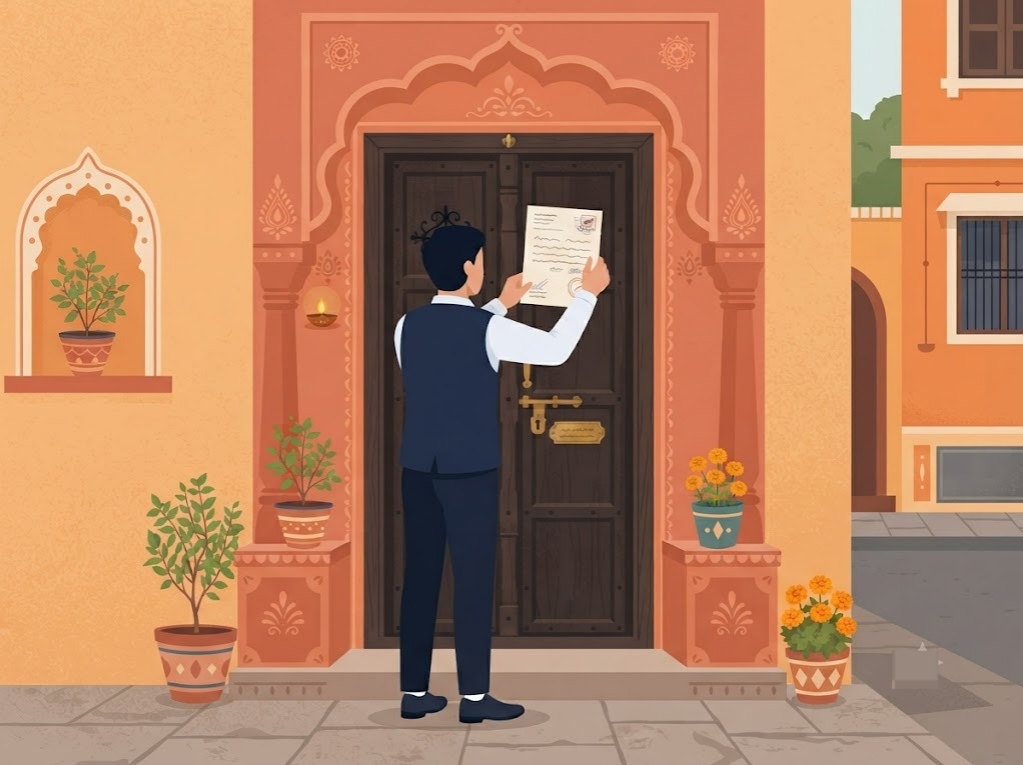
Rule 8(1) of the Security Interest (Enforcement) Rules, 2002 requires an authorised officer to take possession of immovable secured property by delivering a formal possession notice to the borrower and affixing a copy on the property itself. Rule 8(2), the companion provision, requires this notice be published in two newspapers within 7 days of taking possession. Courts have quashed possession actions where banks got either step wrong.
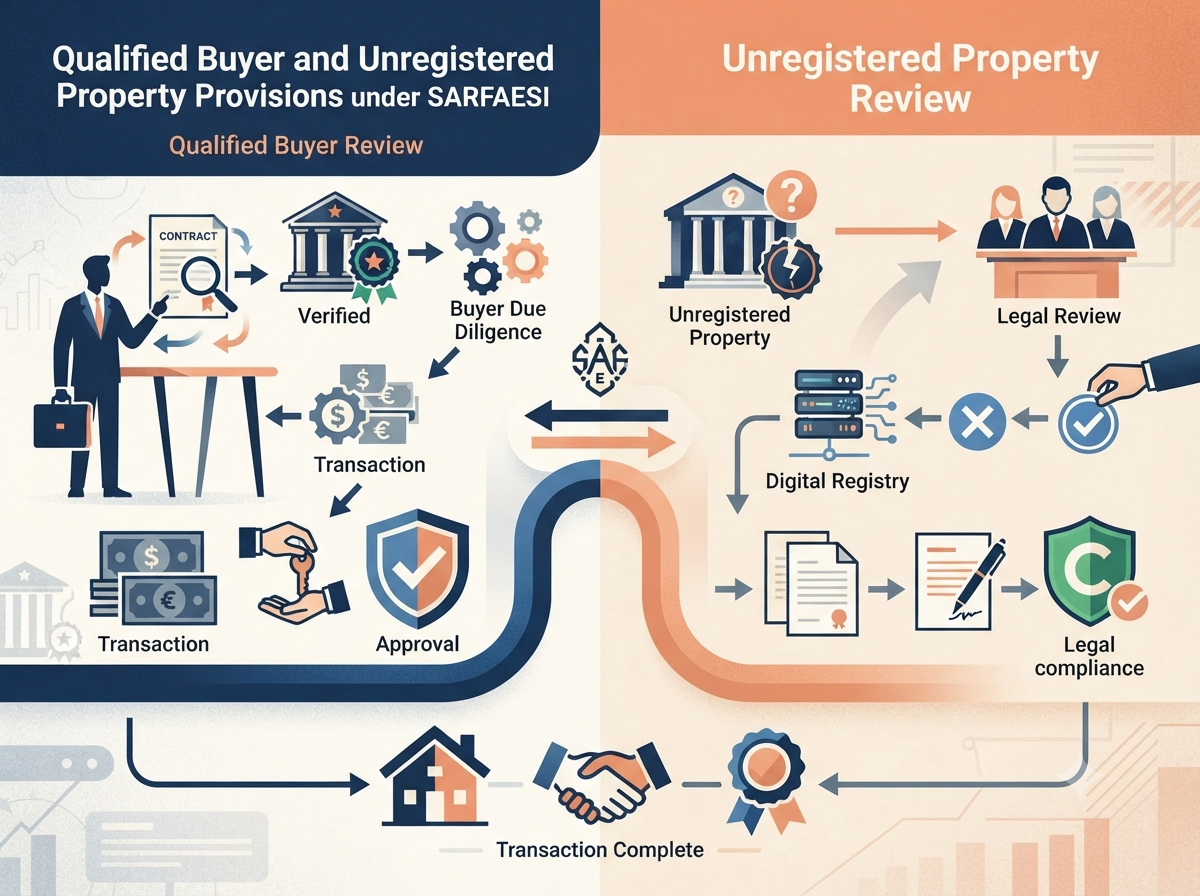
SARFAESI and Unregistered Property: Can a Qualified Buyer Take It?
Two features that don't get much attention: who can invest in security receipts issued by an asset reconstruction company, and what happens when the mortgage or property documentation was never formally registered.

क्या सरफेसी एक्ट प्लॉट पर लागू हो सकता है?
क्या सरफेसी एक्ट प्लॉट पर लागू हो सकता है? यह इस बात पर निर्भर करता है कि जमीन किस तरह की है। अगर प्लॉट खेती वाली जमीन नहीं है और लोन के लिए गिरवी रखा गया है, तो आमतौर पर सरफेसी एक्ट लागू होता है। लेकिन खेती की जमीन को इस कानून से साफ तौर पर बाहर रखा गया है, और यह तय करना जितना आसान लगता है, उतना है नहीं।

Enforcement Agencies Under SARFAESI, Explained: What It Means for Borrowers
Not just the bank, and not just the magistrate. Here's the full set of enforcement bodies that can actually get involved in a SARFAESI matter, how a separate law, the RDB Act, can run alongside it at the same time, and how new parties get added to a pending case.

SARFAESI Auctiontiger Net: Everything You Need to Know
Not one bank's platform, a shared e-auction infrastructure multiple lenders use. Here's how AuctionTiger actually fits into the broader Rule 8 sale process, what changes for movable property, and the real limit on when a civil court can still get involved.

SARFAESI Act: Meaning, Applicability & Effects on Borrowers
The SARFAESI Act (Securitisation and Reconstruction of Financial Assets and Enforcement of Security Interest Act, 2002) lets banks and notified NBFCs take and sell the property pledged against a loan, without going to court first. It applies once the account is an NPA. It never applies to unsecured loans such as credit cards.

ऋण वसूली का मतलब हिंदी में, और आपके अधिकार क्या हैं
ऋण वसूली, जिसे आमतौर पर "लोन वसूली" भी कहा जाता है, वह प्रक्रिया है जिसके ज़रिए बैंक या वित्तीय कंपनी आपका बकाया पैसा वसूलती है, जब आप ईएमआई (मासिक किस्त) चुकाना बंद कर देते हैं। यह याद दिलाने वाली कॉल से शुरू होती है, फिर औपचारिक नोटिस आता है, और उसके बाद रिकवरी एजेंट संपर्क करता है। यह पूरी प्रक्रिया, और इसे नियंत्रित करने वाले नियम जानना ही, इससे खुद को बचाने का सबसे अच्छा तरीका है।

Rights You Should Know as a Borrower in India
Every borrower in India has specific legal rights, whether the account is current, in difficulty, or in default. Most people do not know them. This guide sets them out clearly, from the moment you sign the loan agreement to the moment the account is resolved.


Make smarter financial decisions.
Loan Settlement | Loan Consolidation | Credit Insights | FREED Shield
Get Started