Let’s talk
about Loans


75,000+
Customers served

₹450 Cr+
Total savings

4.8/5
Google rating
Browse Topics
5 CategoriesLatest Articles

What Is a CRIF Report and Why a Lender Might Ask for It
A CRIF report is a credit report issued by CRIF High Mark, one of four RBI-licensed credit bureaus operating in India, alongside CIBIL, Experian, and Equifax. It shows the same kind of information as a CIBIL report, your loan and card history, repayment record, and a 300-900 score, but pulled from CRIF's own database, which some lenders specifically prefer to check.
Loan Settlement Charges Explained: What Banks Deduct
Loan settlement charges are the amounts shown by a lender as part of the outstanding dues or settlement calculation. Depending on the account and lender, these may include outstanding principal, accrued interest and applicable fees or charges. Certain documented legal or recovery costs may also be included where permitted. The exact components vary, so the settlement statement matters more than a generic formula. The final settlement figure reflects all of this, not just the original loan amount you borrowed.

Loan Settlement Calculator: Estimating Your Waiver First
A loan settlement calculator gives a ballpark estimate of what you might pay to close an overdue loan through a one-time settlement, based on your outstanding balance, accrued interest, fees, and a typical waiver range. It's a starting point for negotiation, not a guaranteed offer, the bank decides the final figure.

CIBIL Score Rating Explained
CIBIL itself provides a numerical score rather than an official Poor-to-Excellent rating. For easier interpretation, scores are often grouped into informal bands such as Poor, Fair, Good and Excellent. It is not the same as a "credit rating" in the formal sense, which uses letter grades like AAA to D for companies and bonds, not individuals. For people, the rating is just a simpler way of reading where your 300-900 score falls.
Kotak Credit Card Balance Transfer: Process & Charges
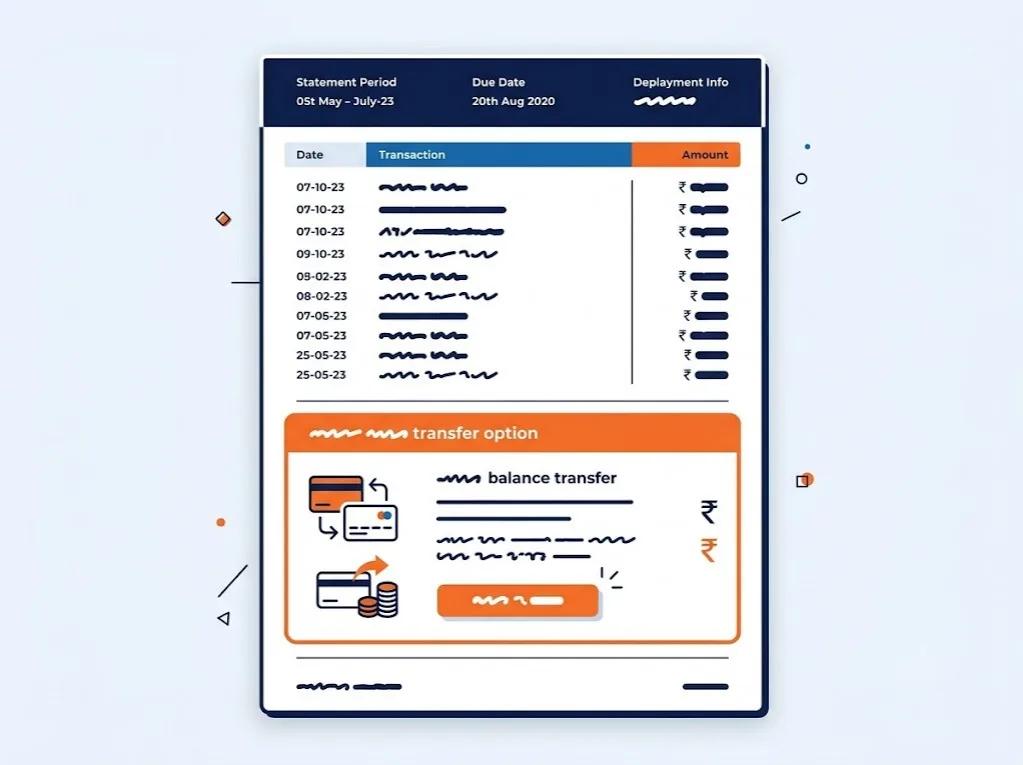
A Kotak credit card balance transfer moves your outstanding dues from another bank's credit card onto your Kotak card, The standard Balance Transfer option currently carries 0% monthly interest for the 90-day promotional period, while a one-time processing fee still applies.
IndusInd Credit Card Balance Transfer: Process & Charges
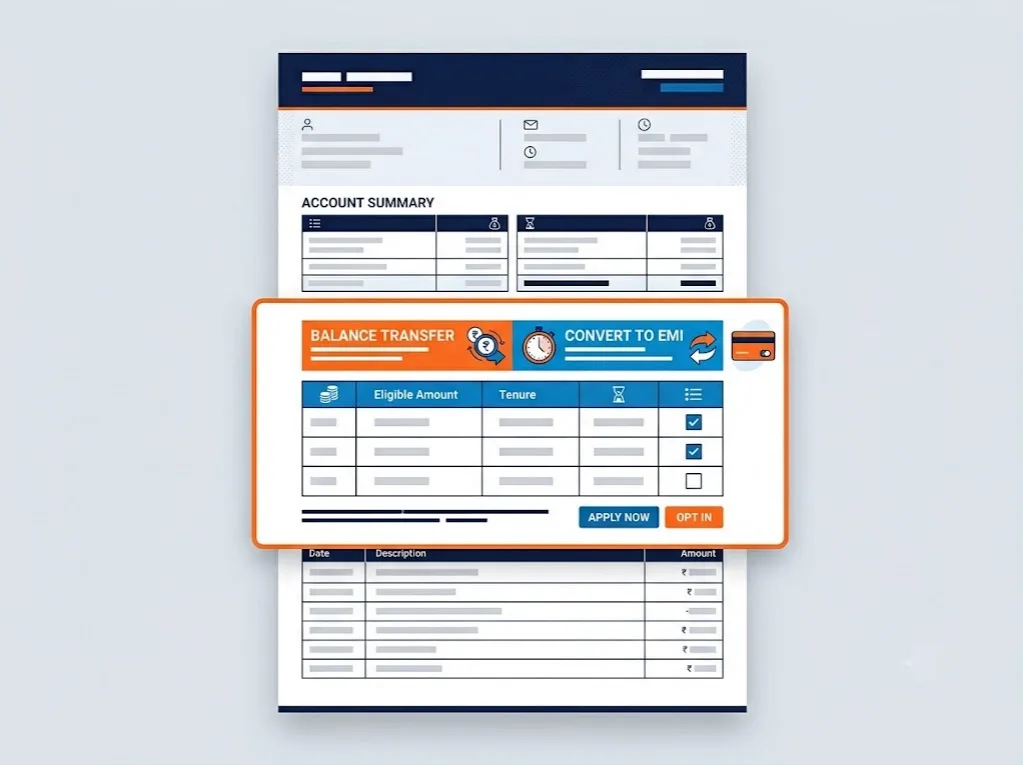
IndusInd's Balance Conversion, commonly referred to as Balcon, allows eligible cardholders to convert certain outstanding purchase amounts on their IndusInd credit card into EMIs. But in case of balance conversion (Balcon), the card will be blocked for further usage until all EMIs are paid, and reactivation is subject to the bank's review and sole discretion.

Does Being a Guarantor Affect Your Own CIBIL Score?
Being a guarantor does not automatically mean your score drops. CIBIL confirms that the guaranteed loan can appear on the guarantor's report and that a principal borrower's default can affect the guarantor's score. It can drop significantly if the primary borrower misses payments or defaults, since under Section 128 of the Indian Contract Act, your liability is co-extensive with theirs, treated by the bank as if you were equally responsible.
CIBIL Score Rules: How Your Score Is Actually CalculatedCIBIL Score Rules: How Your Score Is Actually Calculated
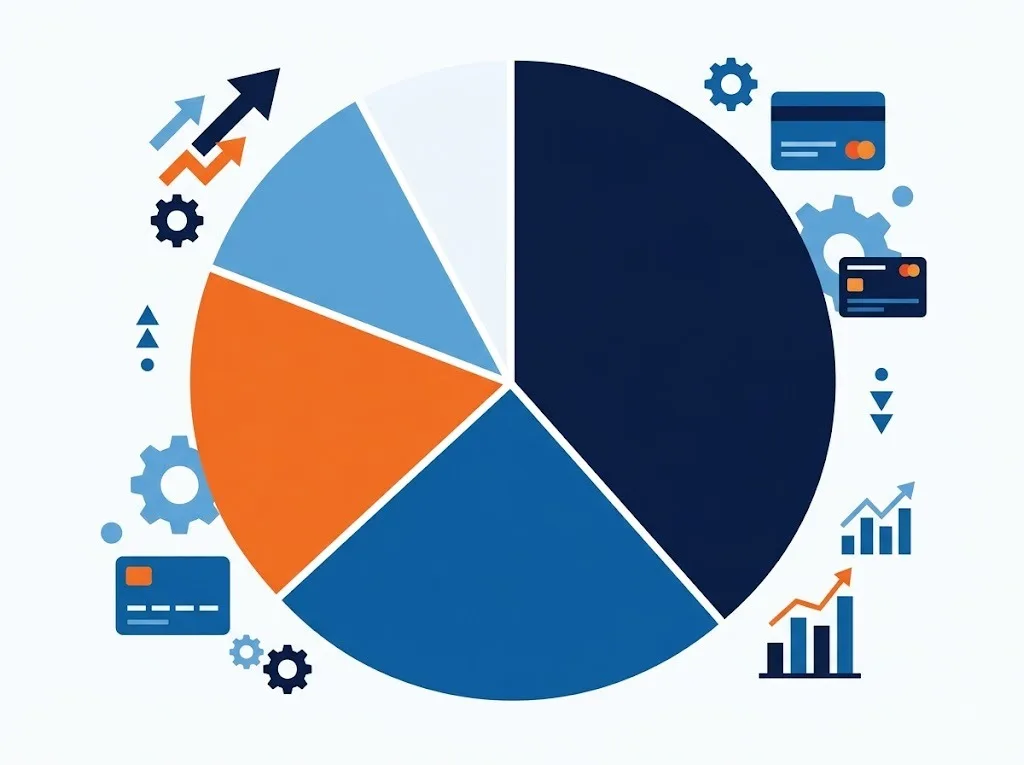
CIBIL score rules are the five factors CIBIL weights to calculate your 300 to 900 score. Payment history, at 35%, is the most important. Credit utilization, 30%, measures how much of your credit limit you're using. History length, 15%, reflects how long you've had credit. Credit mix, 10%, looks at the types of loans you manage. New inquiries, 10%, tracks recent loan applications. These factors are commonly discussed as important influences on credit scores, but the precise contribution of each factor to an individual's CIBIL Score is not publicly disclosed. Scores now update every 15 days, under an RBI rule effective January 2025. Understanding the major factors can help you make better credit decisions, but no one can reliably predict an exact score change from a single action.


Make smarter financial decisions.
Loan Settlement | Loan Consolidation | Credit Insights | FREED Shield
Get Started