CIBIL Score Rating Explained
CIBIL itself provides a numerical score rather than an official Poor-to-Excellent rating. For easier interpretation, scores are often grouped into informal bands such as Poor, Fair, Good and Excellent. It is not the same as a "credit rating" in the formal sense, which uses letter grades like AAA to D for companies and bonds, not individuals. For people, the rating is just a simpler way of reading where your 300-900 score falls.
Mohit Juneja
Reviewed by FREED India, Debt Resolution Specialists

 4.7/5
4.7/5 ₹3,200Cr+
 20,000+
 20,00,000+4.7/5₹3,200Cr+20,000+20,00,000+
KEY TAKEAWAYS

A CIBIL score rating is a plain-language label (Poor to Excellent) attached to your 300-900 score.
This is different from a formal "credit rating" (AAA to D), which applies to companies and bonds, not individuals.
750+ is generally rated Excellent, 700-749 Good, 650-699 Fair, below 650 Poor. The rating itself doesn't get reported anywhere, it's a reading aid, lenders see the actual number.
Consistent, timely repayments can support a healthier credit profile over time.
What Is a CIBIL Score Rating?
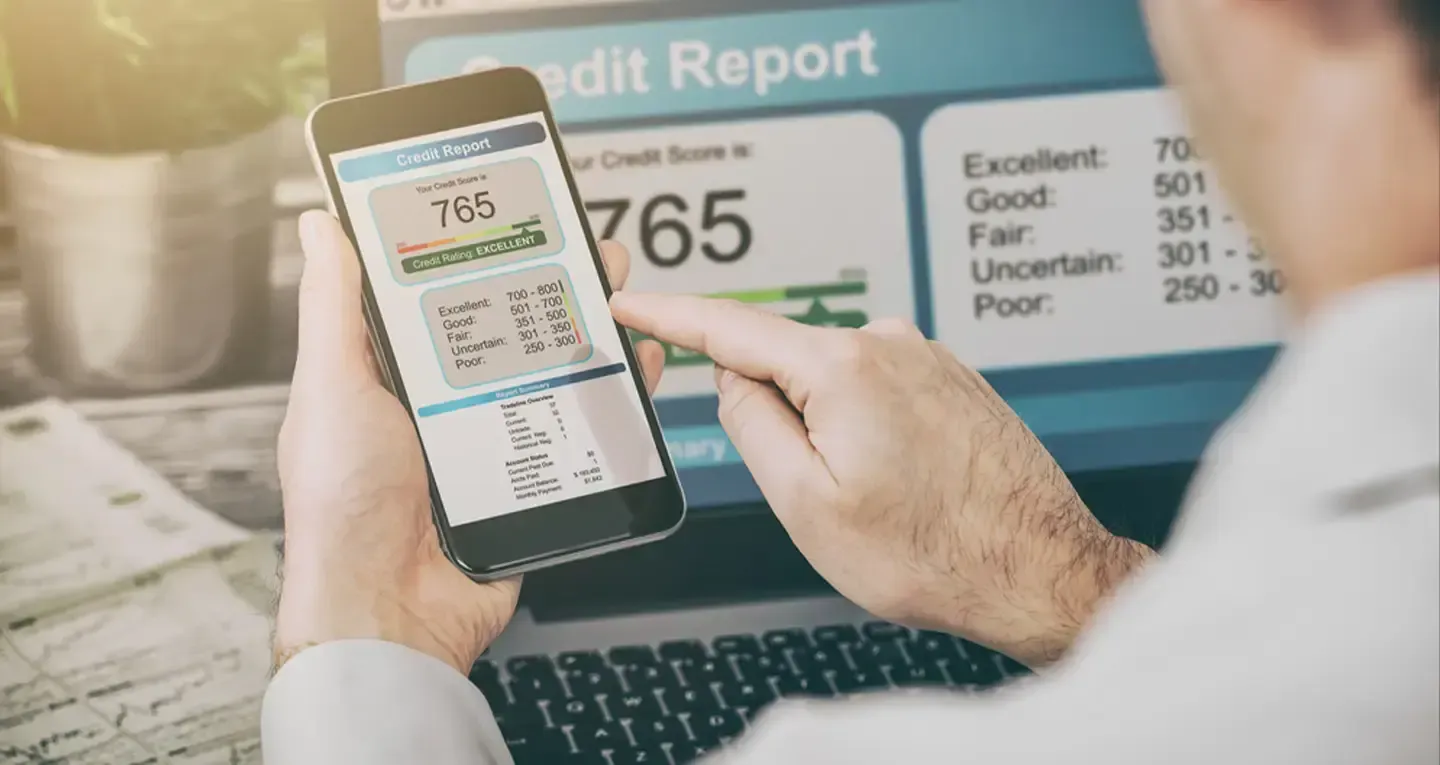
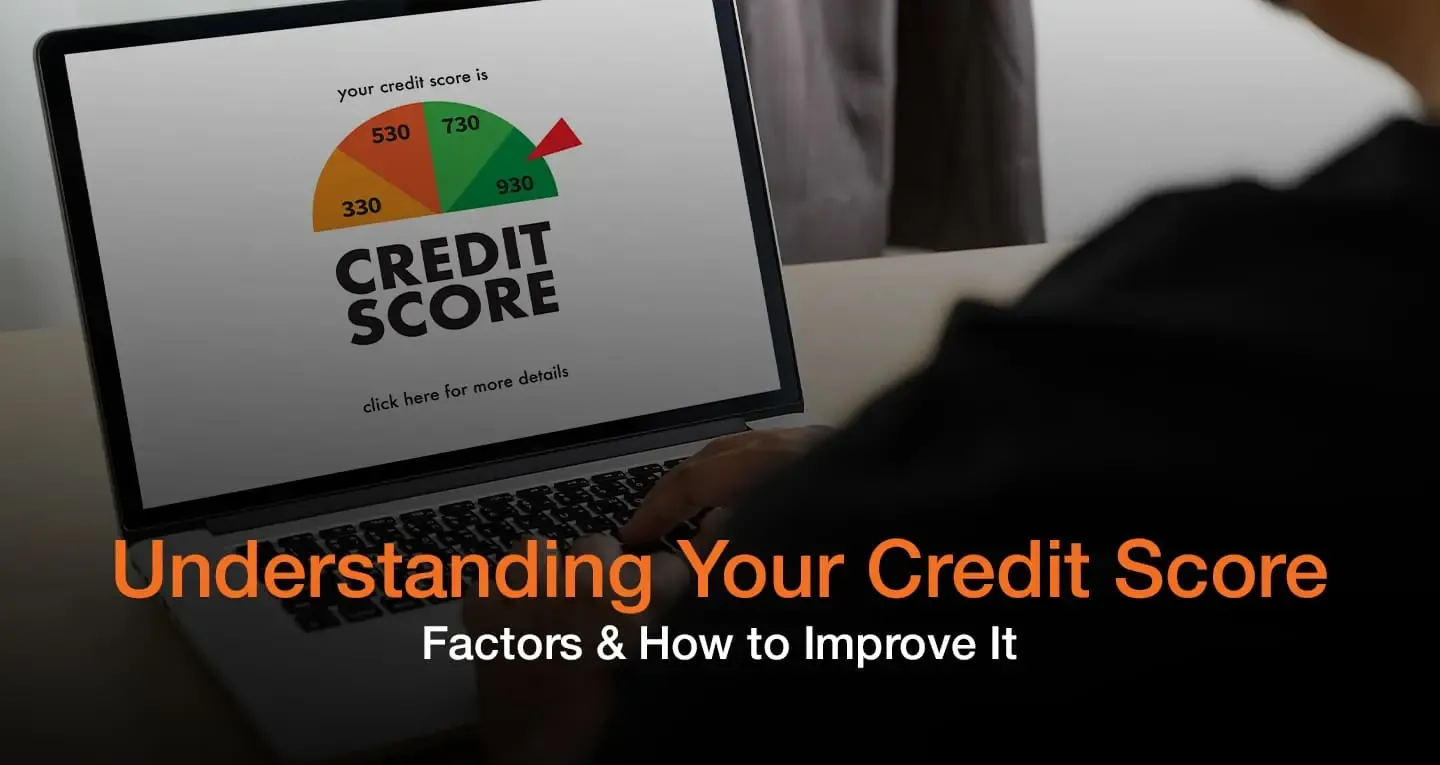
Two words that sound almost identical, "score" and "rating," actually describe two different things once you look past everyday usage. Your CIBIL score is a number, somewhere between 300 and 900. A CIBIL score rating is the informal label people attach to that number, Poor, Fair, Good, or Excellent, to make it easier to talk about without quoting the exact digits.
That's a completely different system from what's formally called a "credit rating." A credit rating uses letter grades, AAA, AA, A, all the way down to D, and it applies to companies, bonds, and debt instruments, not individual borrowers. A credit rating uses letter grades...and it applies to companies, bonds, and debt instruments. A company's bond might carry an AAA rating from an agency like CRISIL. Your personal CIBIL score never gets an AAA or a D, that scale simply doesn't exist for individuals in India.
So when someone says "My CIBIL rating is good," what they actually mean is "my score falls in a range that's informally labelled 'good'." Nobody's issuing you an official rating certificate, this is shorthand, not a separate credit product.

What the Law Says
RBI guidelines entitle every individual to one free full credit report from each licensed bureau every calendar year.
Talk to FREED About Your ScoreWhy Do People Mix Up Score and Rating?
This confusion isn't a sign of not understanding credit, the terminology genuinely overlaps in everyday use, and Indian financial media doesn't help by using both words loosely and interchangeably. It's the same kind of mix-up behind a lot of other common credit confusion, worth a look at our piece debunking common credit score myths if this is the first misconception you've caught yourself in.
Both terms are ultimately trying to answer the same underlying question, "how good is my credit standing?" Both use grades or labels to communicate an answer quickly, a number on its own doesn't mean much to most people without some kind of label attached to it. A headline that says "check your credit rating" and one that says "check your credit score" are, in casual usage, talking about the exact same action, even though only one of those terms has a precise formal meaning outside personal finance.
None of this is the reader's fault. If a bank's own marketing material, a news article, or a lending app all use "rating" and "score" as if they're synonyms, there's no reasonable way to have picked up the distinction on your own. The rest of this piece exists specifically to clear
CIBIL Score Rating Chart: Quick Reference
Rating Label | Score Band | What It Typically Means |
Excellent | 750-900 | Strong approval odds, best available rates |
Good | 700-749 | Generally workable, decent terms |
Fair | 650-699 | Selective approval, higher rates likely |
Poor | 550-649 | Limited options, mostly NBFCs |
Very Poor | 300-549 | Approval difficult across most lenders |
These labels are informal and are provided for easy interpretation; CIBIL reports a numerical score rather than an official
This is a compressed reference, not the full picture. For a deeper breakdown of what each band means for different loan types and how lenders actually weigh the number within a band, our full guide to credit score ranges covers that in much more depth than makes sense to repeat here.

Does Your Rating Affect Your Loan the Same Way Everywhere?
Not necessarily, and this is where the informal nature of the rating label really shows. Someone rated "Fair" at one NBFC might sail through approval, while the exact same rating gets a flat rejection at a traditional bank. The label itself doesn't carry any binding weight, it's a rough guide for you to read your own standing, not a formal classification any lender is obligated to follow uniformly.
Two people can both sit comfortably inside the "Fair" band, 650 and 699, twenty points apart from top to bottom of the same label, and still get meaningfully different offers from the same lender, because the lender is looking at the actual number, plus income, plus a handful of other factors, not just which informal bucket you happen to fall into.
Treat the rating as a starting orientation, useful for a quick gut check, not as the figure that actually decides your outcome.
How to Check Your Actual Score, Not Just the Rating
The point here is simple: don't stop at knowing your rating label, go look at the real number underneath it.
- Pick a bureau. Go to CIBIL, Experian, Equifax, or CRIF High Mark's official site or app.
- Enter your details. Enter the identification details requested by the bureau and complete its verification process.
- Verify your identity. Confirm via OTP or a couple of security questions.
- Read the actual number. Note the exact score, not just which band it falls in.
- Check for errors. Wrong entries can be disputed and corrected before you rely on the rating at all. If you spot one, our guide on fixing wrong entries through a CIBIL dispute walks through exactly how to raise it with the right bureau
PAN, name, and date of birth are usually enough to pull your report.

Freed Expert Tip
Don't stop at your rating label, check the actual number, two "Fair" scores can be far apart and get very different loan offers.
Check My Credit NowWhat If Your Rating Is Low Because of Existing Debt?
Two genuinely different situations can land you in a low rating band, and they call for different responses.
If your rating is low because your credit history is still short, or because of an old, now-stabilised slip that's long behind you, the answer is simple: keep paying on time and the rating naturally climbs over time. Nothing more urgent is needed here, this is a building phase, not a problem to solve.
If your rating is low because existing EMIs or card dues have genuinely become too heavy to manage, that's a different situation entirely, and "just wait for it to improve" isn't realistic advice for it. This is an active financial stretch that needs addressing directly, not something that resolves itself with time alone.
If the second situation sounds like where you actually are, the next section is specifically for you.
How Does FREED Help With Your Score?
For most readers here, the starting point is simply seeing the real number clearly. FREED's Credit Insights, consumer label "Check My Credit," does exactly that. It's open to everyone, not gated to FREED programme customers, and no minimum income or CIBIL threshold applies.
Credit Insights pulls your report from Experian specifically and gives you three things: your actual score, not just a rating label, a clear breakdown of what's affecting it, and step-by-step recommendations for what to work on first. Credit Insights is available as a short-term subscription; check the current product page for pricing and terms.
For the smaller group of readers whose low rating traces back to existing debt that's become genuinely hard to manage, rather than a short history or an old resolved slip, there are two further paths worth knowing about, in the right order. FREED's Loan Consolidation Plan may consolidate eligible debts into a structured repayment, subject to eligibility and lender approval. If full repayment is no longer realistically manageable, a lender-approved settlement may be one option to consider, depending on the borrower's circumstances.

Tips to Move Into a Better Rating Band

Mohit Juneja
Mohit Juneja writes educational content at FREED on debt management, credit scores, loan repayment, and borrowing best practices. His content is shaped by expert insights and industry knowledge, helping readers better understand their financial options and make informed decisions.
mohit.juneja@freed.care

FREED is India's trusted loan management platform. Founded in 2020 and headquartered in Gurugram, FREED has counselled 20 lakh+ people on personal loans, credit cards, and app loans. FREED charges fees only on successful settlement, not upfront. FREED does not handle secured loans (home loans, car loans, gold loans).
Media Mentions