Understanding Your Credit Score: Factors & How to Improve It
Your credit score decides whether you get a loan - and at what interest rate. But most people don't really know what it means or what affects it. This guide explains everything in plain, simple language.
Mohit Juneja
Reviewed by FREED India, Debt Resolution Specialists
 4.7/5
4.7/5 ₹3,200Cr+
 20,000+
 20,00,000+4.7/5₹3,200Cr+20,000+20,00,000+
Key Takeaways

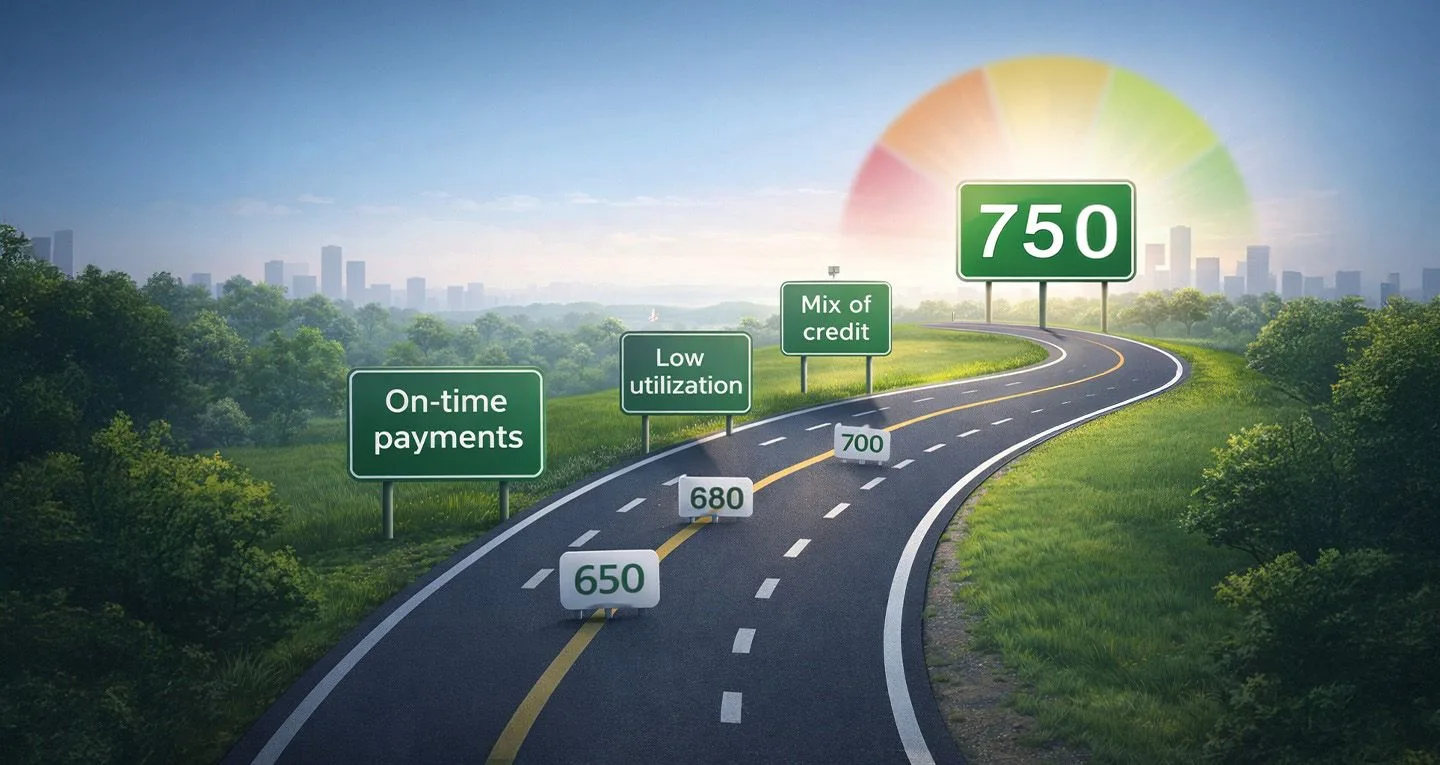
Your credit score is a 3-digit number between 300 and 900. Higher is better. 750+ is considered good by most banks in India.
Your payment history - whether you pay EMIs and credit card bills on time - has the biggest impact on your score (35%).
Keeping your credit card usage below 30% of your limit is one of the fastest ways to improve your score.
Applying for too many loans in a short time hurts your score - space out applications by at least 3–6 months.
You can check your credit report for free once a year from CIBIL, Experian, or CRIF - and dispute any errors that may be pulling your score down unfairly.
What is a Credit Score?
A credit score is a 3-digit number. It goes from 300 to 900.
This number tells banks and lenders one simple thing - can we trust this person to repay a loan?
The higher your score, the more trustworthy you look to lenders. A high score means you get loans faster, at lower interest rates, and with better terms. A low score means rejection - or loans that cost much more.
Your score is calculated by credit bureaus - companies like CIBIL, Experian, and CRIF High Mark. Banks share your repayment data with these bureaus every month. The bureaus use that data to calculate your score.
According to CIBIL, the average credit score in India is 682. Most banks consider anything below 650 as poor.
What is a Good vs Bad Credit Score?
Here's a simple breakdown:
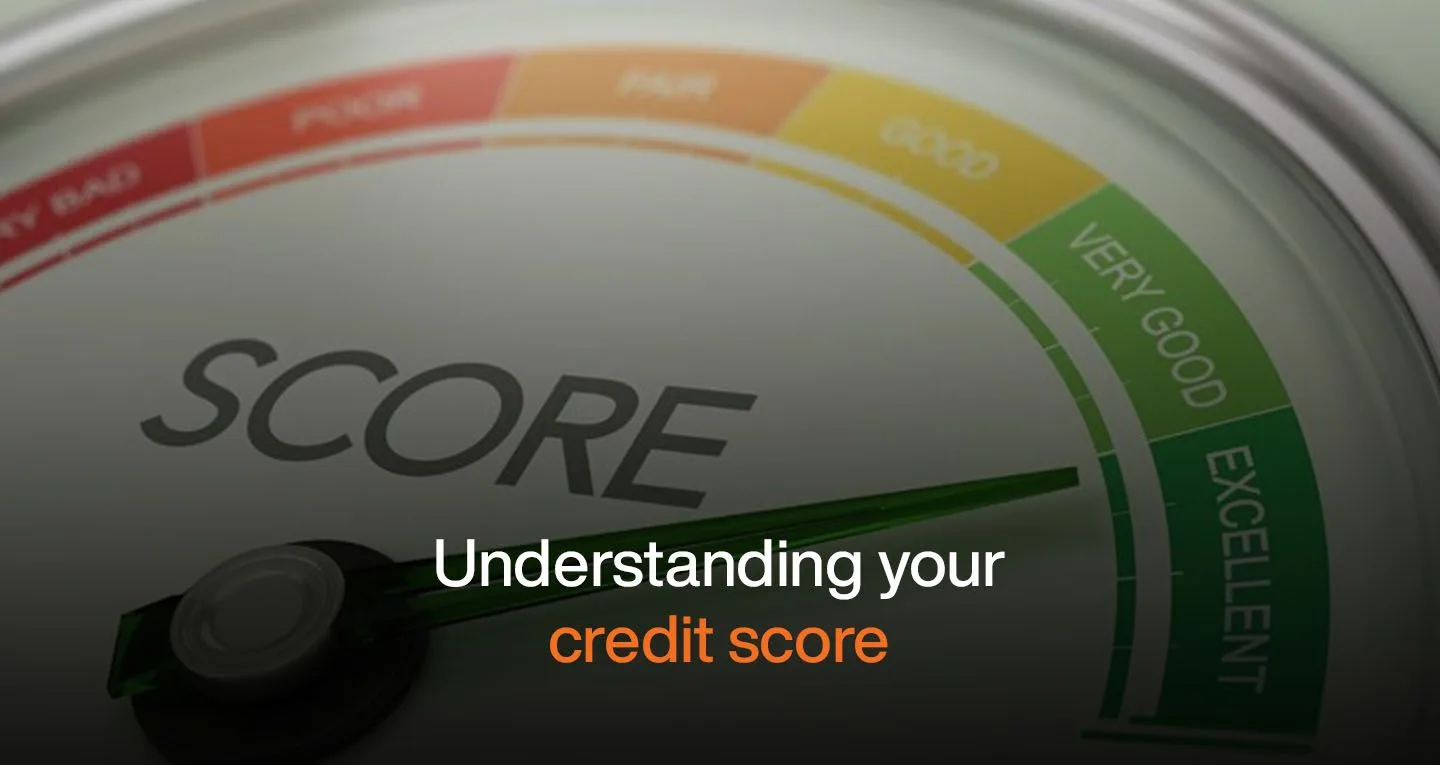
Score Range | Rating | What It Means for You |
300 – 549 | Poor | Almost no chance of loan approval |
550 – 649 | Below Average | Very hard to get a loan - high interest if approved |
650 – 699 | Average | Some lenders may approve - but rates will be higher |
700 – 749 | Good | Most lenders will approve - decent interest rates |
750 – 900 | Excellent | Best rates, fastest approvals, best terms |
The target to aim for is 750 and above. That's where you get real benefits - lower interest, higher loan amounts, faster approvals.
If you're below 650 right now - don't panic. It can be fixed. And this blog will tell you exactly how.
The 5 Factors That Decide Your Credit Score
Your credit score is not random. It is calculated based on 5 specific things. Understanding these is the key to improving your score.
Factor 1: Payment History - 35% of Your Score
This is the single biggest factor. More than anything else, banks want to know - do you pay on time?
Every EMI payment, every credit card bill - paid or missed - goes on your record. Even one missed payment can drop your score by 25–50 points. Consistent on-time payments slowly push it up.
This is why setting up auto-debit is so important. It removes the risk of forgetting a due date.
Factor 2: How Much You Owe - 30% of Your Score
This is about credit utilisation. How much of your available credit limit are you actually using?
If your credit card limit is ₹1,00,000 and your outstanding balance is ₹80,000 - that's 80% utilisation. That signals financial stress to lenders.
Keep it below 30%. That means if your limit is ₹1,00,000 - keep your balance under ₹30,000. This one change can meaningfully improve your score.
Factor 3: Length of Credit History - 15% of Your Score
The longer you've had credit - and managed it well - the better your score.
An old credit card that you've been using responsibly for 5 years is actually helping your score. This is why closing old credit cards is usually a bad idea. More on this below.
Factor 4: Credit Mix - 10% of Your Score
Having a mix of secured loans (home loan, car loan) and unsecured credit (credit cards, personal loans) looks better to lenders than having only one type.
It shows you can handle different kinds of credit responsibly. You don't need to take new loans just to improve this - but keeping a healthy mix over time helps.
Factor 5: New Loan Applications - 10% of Your Score
Every time you apply for a new loan or credit card, the lender checks your credit report. This is called a hard inquiry - and it temporarily lowers your score.
Applying to 4–5 lenders in a month because you got rejected sends a bad signal. It looks like you are desperate for credit.
Apply only when you need to. And space out applications by at least 3–6 months.
How to Improve Your Credit Score - Step by Step
- 1
Step 1 - Pay Every Bill on Time, Every Month
This is non-negotiable. Payment history is 35% of your score. Nothing else comes close. Set up auto-debit for every EMI and credit card. If auto-debit isn't possible, set a phone reminder 3 days before every due date. Pay at least the minimum due every time - but always try to pay the full amount. Paying only the minimum means heavy
- 2
Step 2 - Keep Your Credit Card Usage Below 30%
Check your credit card limit right now. Multiply it by 0.30. That's the maximum outstanding balance you should have at any time. If your balance is higher - pay it down as fast as you can. Even partial payments that bring your utilisation below 30% will help. If you can't pay it down quickly - call your bank and ask
- 3
Step 3 - Check Your Credit Report for Errors
This step is free - and often gets overlooked. But errors on credit reports are more common than people think. Get your free credit report from: CIBIL: cibil.com Experian: experian.in CRIF High Mark: crifhighmark.com You get one free report per year from each bureau. Look for: Payments showing as missed when you actually paid Loans you never took - possible
- 4
Step 4 - Don't Close Your Old Credit Card Accounts
This surprises many people. Shouldn't you close accounts you don't use? No. Old credit card accounts that have no outstanding balance are actually helping your score. They contribute to your credit history length - which is 15% of your score. If an old card has no annual fee - keep it open. Use it for one small purchase every few
- 5
Step 5 - Don't Apply for Multiple Loans at Once
If you got rejected for a loan, don't immediately apply to 5 other banks. Each application triggers a hard inquiry. Multiple hard inquiries in a short time drop your score further - and make future approvals even harder. Instead, wait 3–6 months. Work on improving your score first. Then apply again - to one lender at a time, after checking
- 6
Step 6 - Build a Healthy Mix of Credit Over Time
You don't need to do this immediately. But over time, having both secured loans (like a home or car loan) and unsecured credit (like a credit card or personal loan) improves your score. If you only have credit cards, consider a small secured loan - like an FD-backed loan or gold loan - and repay it on time. This adds
Are You in a Loan Trap? Quick Check
Move the slider to your total EMIs as a % of monthly salary. See your debt stress level instantly.
EMIs as % of Monthly Salary
A Closer Look at Credit Utilisation - Why It Matters So Much
Credit utilisation is one of the most misunderstood parts of a credit score. Let's break it down clearly.
Your total credit limit is the maximum you can borrow across all your credit cards combined.
Your current balance is what you actually owe right now.
Credit Utilisation = (Current Balance ÷ Total Limit) × 100
Example:
Credit Card | Limit | Current Balance | Utilisation |
Card A | ₹50,000 | ₹35,000 | 70% - Too High |
Card B | ₹1,00,000 | ₹20,000 | 20% - Good |
Combined | ₹1,50,000 | ₹55,000 | 37% - Slightly High |
In this example, even though Card B looks fine - the combined utilisation is 37%, which is slightly over the ideal 30%.
The fix: Pay down Card A aggressively. Even bringing the combined utilisation to 30% (₹45,000 outstanding on ₹1,50,000 limit) will noticeably improve the score.

What the Law Says
Under the Credit Information Companies (Regulation) Act, 2005, every Indian citizen has the legal right to dispute incorrect information on their credit report. Credit bureaus like CIBIL are required to investigate your dispute and respond within 30 days. This is a free legal right - use it if you find any error on your report.
[How to raise a CIBIL dispute online - step by step →]Why Your Credit Report and Score Are Not the Same Thing
People often confuse these two.
Your credit report is the full document - every loan you've ever taken, every payment you've made or missed, every credit card, every inquiry. Think of it as your financial report card with all subjects listed.
Your credit score is a single number calculated from that report. Think of it as your overall grade.
To improve your grade - you need to first understand what's in your report. That's why checking your report regularly is important. Your score can sometimes be low not because of your behaviour - but because of an error in the report.
Always check both.
What Happens to Your Score When You Take a New Loan?
Many people are scared to take a new loan thinking it will damage their score badly.
Here's the truth - a new loan does cause a small, short-term dip in your score. But if you manage it well, your score recovers and then goes higher than before.
Here's the journey:
Month 1 - New loan application triggers hard inquiry. Score dips slightly.
Month 1–3 - New account appears. Credit history mix improves.
Month 3–6 - Consistent on-time payments start showing positive impact.
Month 6–12 - Score recovers and starts improving.
Month 12+ - Score is likely higher than before the loan - if you've paid on time consistently.
The key is always the same: pay on time, every month, without fail.
Struggling With Debt While Trying to Improve Your Score?
This is a very common situation. You want to improve your CIBIL score - but you also have loans you're struggling to pay. The two goals feel like they're fighting each other.
Here's the honest truth: if you're missing EMIs because your debt load is too high - no tip about credit scores will help until you fix the debt problem first.
That's where FREED comes in.
If you have multiple loans making it hard to pay on time - FREED's Debt Consolidation Program can combine them into one lower EMI. Lower EMI means you can pay on time. Paying on time rebuilds your score.
If you've already defaulted and your score has dropped badly - FREED's Debt Resolution Program helps you settle the debt and start fresh. Then we guide you on rebuilding your score from there.
We don't just talk about credit scores. We help you fix the root cause - the debt - and then build your score back up properly.
About FREED
FREED is India's first and leading Debt Relief Platform. We help people who are struggling with loans, credit card debt, and EMIs find a clear, legal, stress-free path to financial freedom.
We offer two programs - Debt Consolidation (for people who need a lower, manageable EMI) and Debt Resolution (for people who genuinely cannot repay the full amount). Our certified debt counsellors also guide you on rebuilding and improving your credit score after your debt is resolved.
Over 60,000 Indians - from Lucknow to Surat, Bhopal to Patna - have trusted FREED to get their financial life back on track.
No judgement. No hidden charges. Just honest, practical help.
How to Improve Your Credit Score - Step by Step
Now that you know what affects your score - here's exactly what to do to improve it.
Step 1 - Pay Every Bill on Time, Every Month
This is non-negotiable. Payment history is 35% of your score. Nothing else comes close.
Set up auto-debit for every EMI and credit card. If auto-debit isn't possible, set a phone reminder 3 days before every due date.
Pay at least the minimum due every time - but always try to pay the full amount. Paying only the minimum means heavy interest keeps building up on the rest.
Six months of clean payments starts showing results. Twelve months makes a real difference.
Step 2 - Keep Your Credit Card Usage Below 30%
Check your credit card limit right now. Multiply it by 0.30. That's the maximum outstanding balance you should have at any time.
If your balance is higher - pay it down as fast as you can. Even partial payments that bring your utilisation below 30% will help.
If you can't pay it down quickly - call your bank and ask for a credit limit increase. If they approve it and you don't increase your spending - your utilisation ratio drops automatically.
Step 3 - Check Your Credit Report for Errors
This step is free - and often gets overlooked. But errors on credit reports are more common than people think.
Get your free credit report from:
CIBIL: cibil.com
Experian: experian.in
CRIF High Mark: crifhighmark.com
You get one free report per year from each bureau.
Look for:
Payments showing as missed when you actually paid
Loans you never took - possible fraud or data error
Accounts that are closed but still showing as active
Wrong personal details - name, PAN, address
If you find an error, raise a dispute online directly with the bureau. Corrected errors can give your score an immediate boost - without any other change in behaviour.
Step 4 - Don't Close Your Old Credit Card Accounts
This surprises many people. Shouldn't you close accounts you don't use?
No. Old credit card accounts that have no outstanding balance are actually helping your score. They contribute to your credit history length - which is 15% of your score.
If an old card has no annual fee - keep it open. Use it for one small purchase every few months. Pay it off in full. That keeps the account active and your credit history long.
Only close an account if it has a high annual fee that isn't worth it.
Step 5 - Don't Apply for Multiple Loans at Once
If you got rejected for a loan, don't immediately apply to 5 other banks. Each application triggers a hard inquiry. Multiple hard inquiries in a short time drop your score further - and make future approvals even harder.
Instead, wait 3–6 months. Work on improving your score first. Then apply again - to one lender at a time, after checking your eligibility.
Step 6 - Build a Healthy Mix of Credit Over Time
You don't need to do this immediately. But over time, having both secured loans (like a home or car loan) and unsecured credit (like a credit card or personal loan) improves your score.
If you only have credit cards, consider a small secured loan - like an FD-backed loan or gold loan - and repay it on time. This adds to your credit mix and slowly improves your score.
Don't take unnecessary loans just for this reason. But if you need a loan anyway - choose one that adds to your credit mix.

Mohit Juneja
Mohit Juneja writes educational content at FREED on debt management, credit scores, loan repayment, and borrowing best practices. His content is shaped by expert insights and industry knowledge, helping readers better understand their financial options and make informed decisions.
mohit.juneja@freed.care

FREED is India's trusted loan management platform. Founded in 2020 and headquartered in Gurugram, FREED has counselled 20 lakh+ people on personal loans, credit cards, and app loans. FREED charges fees only on successful settlement, not upfront. FREED does not handle secured loans (home loans, car loans, gold loans).
Media Mentions