Let’s talk
about Loans
















75,000+
Customers served

₹450 Cr+
Total savings

4.8/5
Google rating
Browse Topics
5 CategoriesLatest Articles

When Does Your CIBIL Score Update?
Your CIBIL score updates when your lender reports fresh credit information to the bureau, not immediately after you make a payment. Under the current RBI reporting framework, lenders report credit data every 15 days, although the exact reporting date may vary by lender.

How to Check CIBIL Score on Google Pay: Step-by-Step Guide
Checking your CIBIL score on Google Pay means opening the app, tapping the credit score section, and viewing your score for free within a few taps, without needing to visit the official bureau website or enter your PAN card details separately.
What Counts as a Late Payment and How It Affects Your Credit Score
Yes. Even one EMI or card bill paid 30 days late can lower your score and stays on your report as days past due, so lenders see it long after you've paid. How much it hurts depends on how late it was, how recent it is, and how clean the rest of your history looks. Last reviewed October 2026.

Debt Recovery Agent Certificate: Your Shield Against Harassment
A Debt Recovery Agent (DRA) certificate is a mandatory qualification issued by the Indian Institute of Banking and Finance (IIBF), under RBI rules. It certifies that a person has completed 50 or 100 hours of training and passed an exam covering banking laws, borrower rights, and ethical recovery conduct. No bank or NBFC can use an uncertified person for loan recovery.

What Is a Moratorium Period? Meaning, Benefits and Examples
A moratorium period is a short break, agreed with your bank, when you don't have to pay your loan EMIs. Interest usually keeps adding up during the break, so the loan costs more overall. Banks offer it for education loans, during crises, or on request when your income stops for a while.
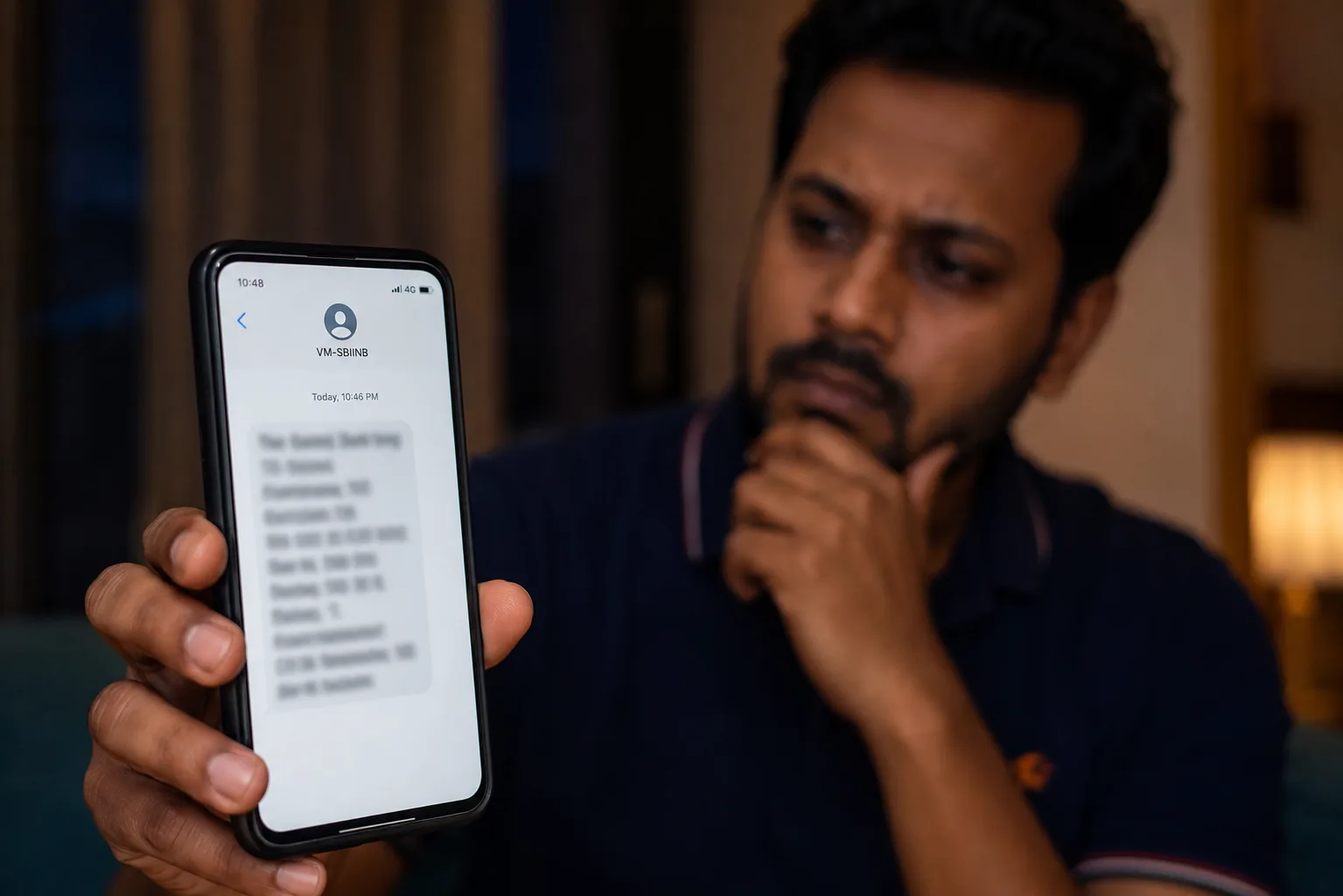
EMI Bounce Charges: What Actually Happens When Your EMI Bounces?
EMI bounce charges are the fees you pay when your monthly loan EMI auto-debit fails to go through. Three things hit you at the same time: the bank's return fee (usually a few hundred rupees), the NBFC's bounce charge (a bit higher), and penal interest on the unpaid EMI (charged monthly until you clear it). Good news: if you fix it within 30 days, your CIBIL score usually stays safe.
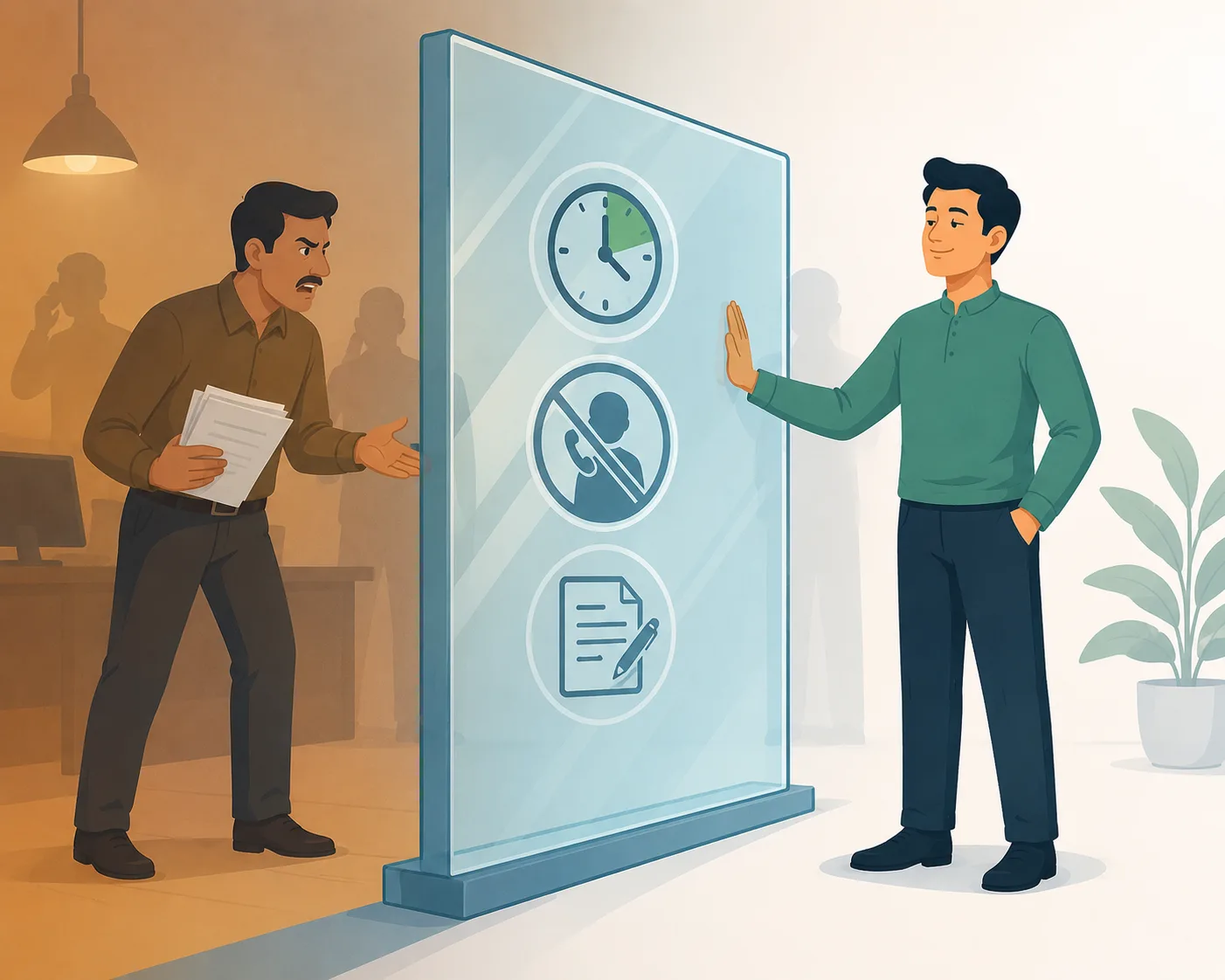
When Does Loan Recovery Start, and What Changes From 1 January 2027 Under RBI Guidelines?
When does the loan recovery process start, and what changes from 1 January 2027? This guide explains the start of recovery, the current RBI rules, and the new conduct rules lenders must follow next year.
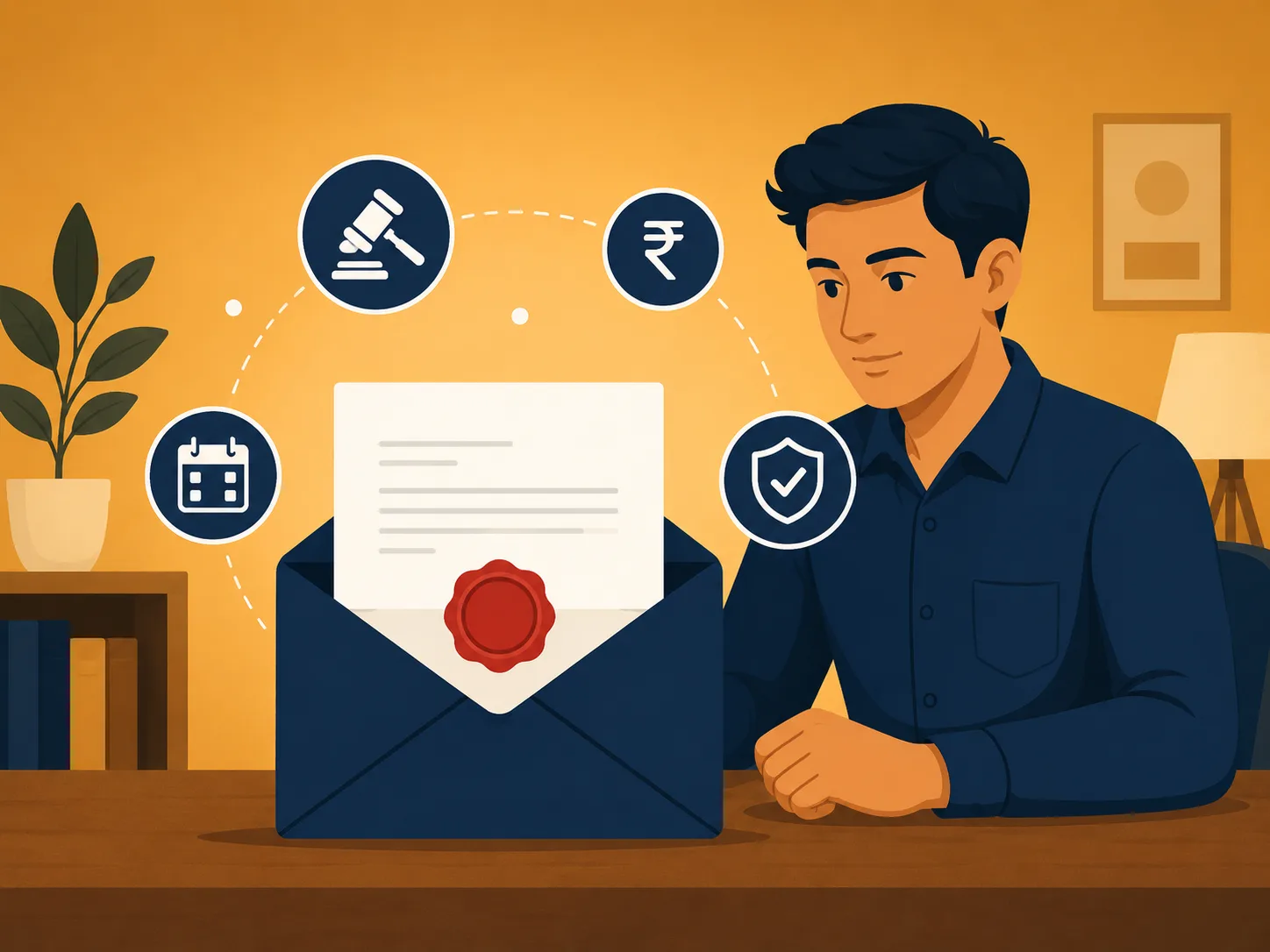
Legal Notice for Recovery of Loan What It Means and How to Respond (2026 Guide)
A legal notice for recovery of loan is a formal written demand from a bank, NBFC, or their lawyer. It asks you to pay your outstanding dues within a fixed time, usually 15 to 30 days. It is the last warning before court action begins. It is not a court order itself. You still have time to respond, negotiate, or settle.


Make smarter financial decisions.
Loan Settlement | Loan Consolidation | Credit Insights | FREED Shield
Get Started