Let’s talk
about Loans
















75,000+
Customers served

₹450 Cr+
Total savings

4.8/5
Google rating
Browse Topics
5 CategoriesLatest Articles

Using a Personal Loan to Consolidate Debt: Does the Math Work?
Using a personal loan for debt consolidation means taking one new loan to pay off several existing debts, credit cards, other personal loans, at once. Whether it actually saves money depends on comparing the total remaining cost of your existing debts with the total cost of the new loan, including interest, fees and any applicable prepayment charges. It isn't automatic, and the math is genuinely worth checking before applying.

Personal Loan Consolidation Companies: What to Know Before You Decide
Personal loan consolidation companies help borrowers combine multiple existing loans or credit card dues into a single new loan with one EMI, usually at a lower overall interest rate. They work by matching you to a lender, not by lending you money directly themselves, an important distinction most people miss.
Personal Loan for CIBIL Score of 500: What It Really Costs
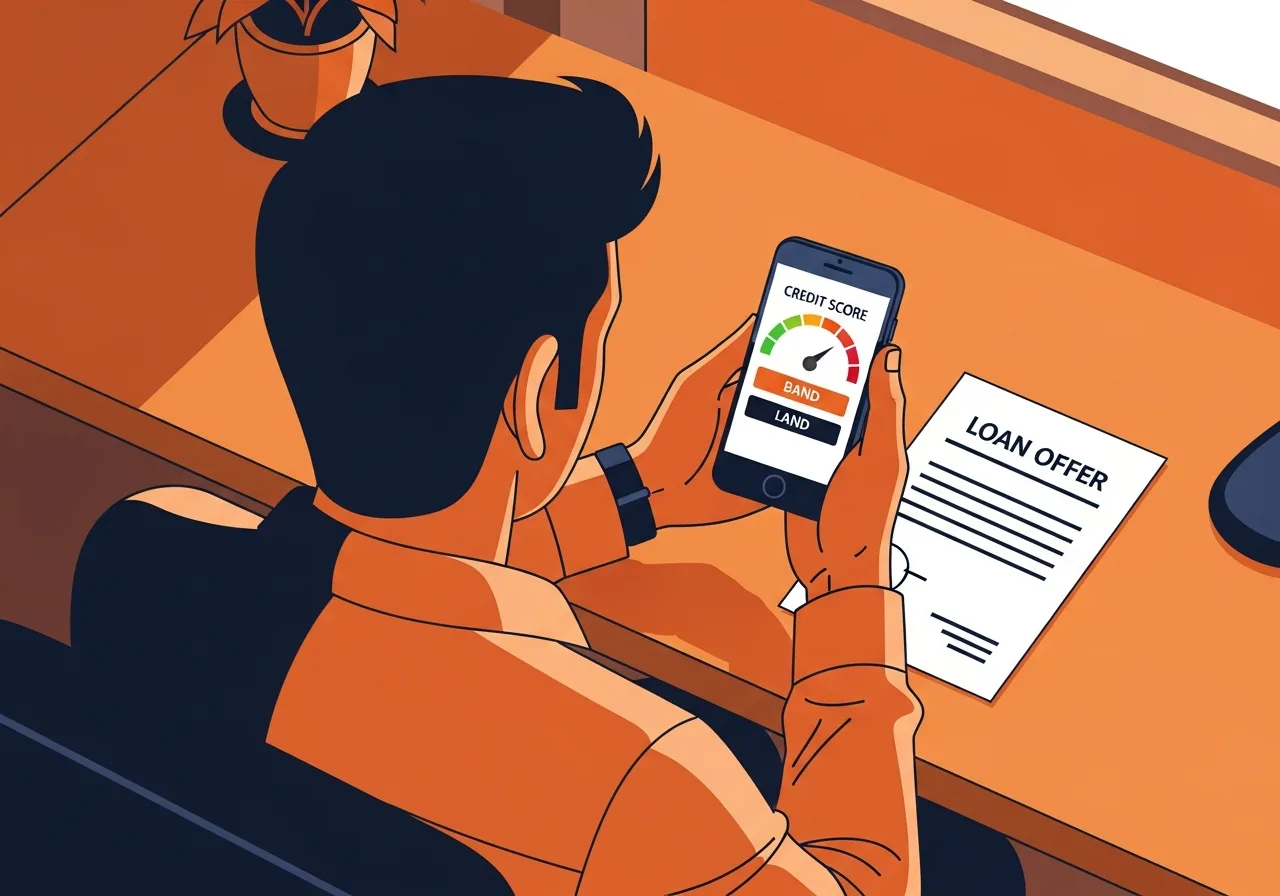
A CIBIL score of 500 is generally considered a weak credit profile by many lenders, although lending policies vary. These loans usually carry interest rates between 24% and 36% a year, well above what a good credit borrower pays.
Signs Your CIBIL Score May Hurt a Personal Loan Application, and How Banks Check Eligibility
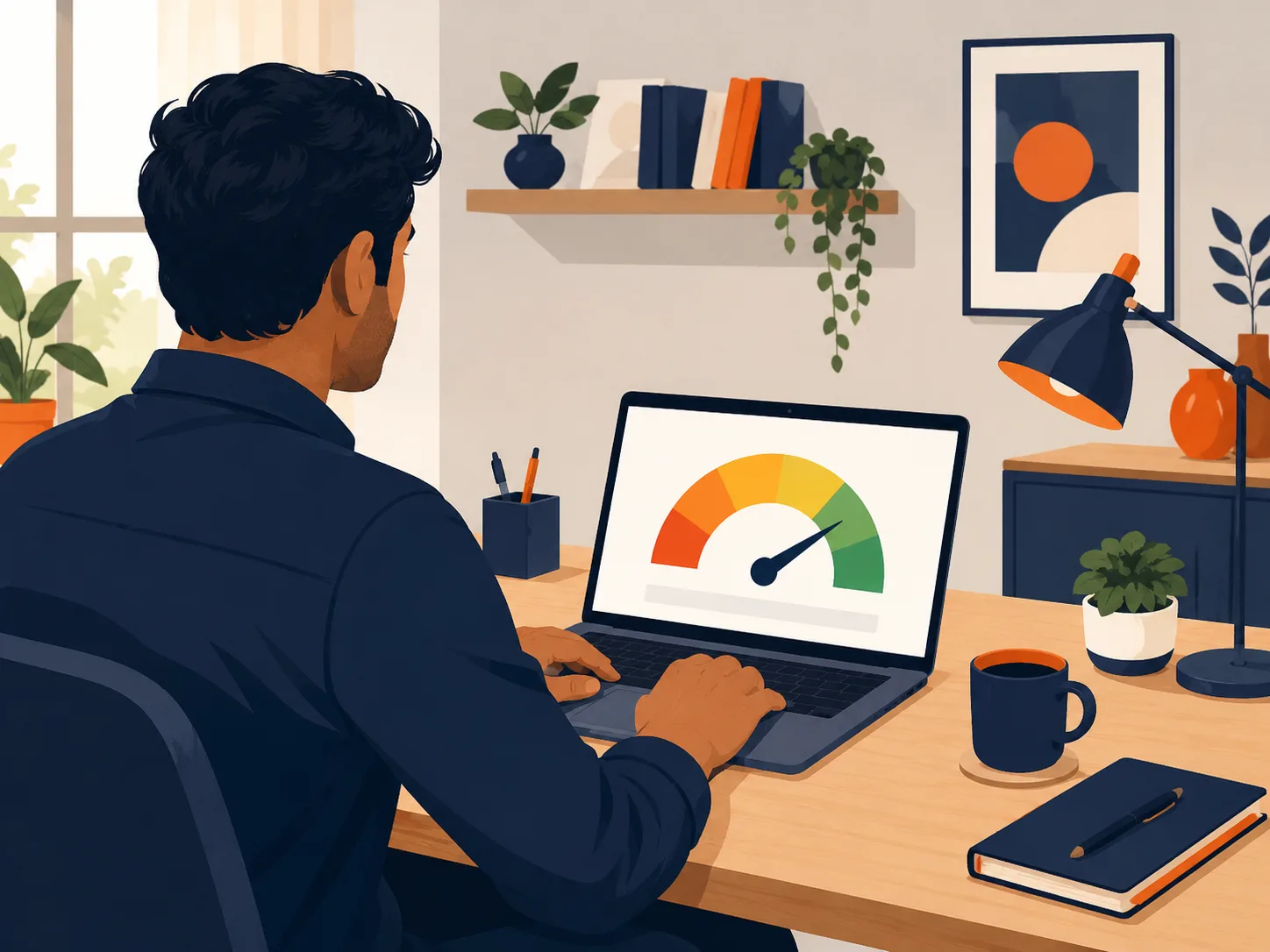
Your personal loan eligibility based on CIBIL score comes down to one number banks check first: your 3-digit score, somewhere between 300 and 900. A score of 750 or above usually means faster approval and a better rate. Below 650, most banks hesitate, and you may need to look at an NBFC or bring in a co-applicant. But the score alone doesn't decide anything. Your income, your existing EMIs, and your job type get checked right alongside it.

Personal Loan Balance Transfer Interest Rate: How to Compare and Negotiate
Personal loan balance transfer interest rate is the fresh rate a new bank or NBFC offers when it takes over your existing personal loan. It is usually lower than your current rate, but the real saving depends on your CIBIL score, the processing fee, and how much tenure is left. Comparing rates the right way, not just the headline number, decides whether a transfer actually saves you money.

ICICI Personal Loan Balance Transfer: Eligibility and Process
Personal Loan Balance Transfer to ICICI happens when you shift the outstanding balance of an existing personal loan from another bank or NBFC to ICICI Bank on revised loan terms.

Personal Loan Balance Transfer Eligibility: Who Can Apply
Personal loan balance transfer eligibility is the set of conditions a lender checks before agreeing to take over your existing personal loan. It usually covers your age, income, CIBIL score, employment stability, and repayment record on the loan you want to move. Some lenders may apply additional checks for balance transfer applications because they assess both the borrower and the existing loan.

Personal Loan Balance Transfer: How to Move Your Loan to a Lower Interest Rate
Personal loan balance transfer is the process of moving your existing personal loan's outstanding amount from your current bank or NBFC (non-bank loan company) to a new one offering a lower interest rate. The new bank pays off your old bank, and you start repaying the new bank at a lower rate. It reduces your EMI and total interest, if done at the right time.


Make smarter financial decisions.
Loan Settlement | Loan Consolidation | Credit Insights | FREED Shield
Get Started