Personal Loan for CIBIL Score of 500: What It Really Costs
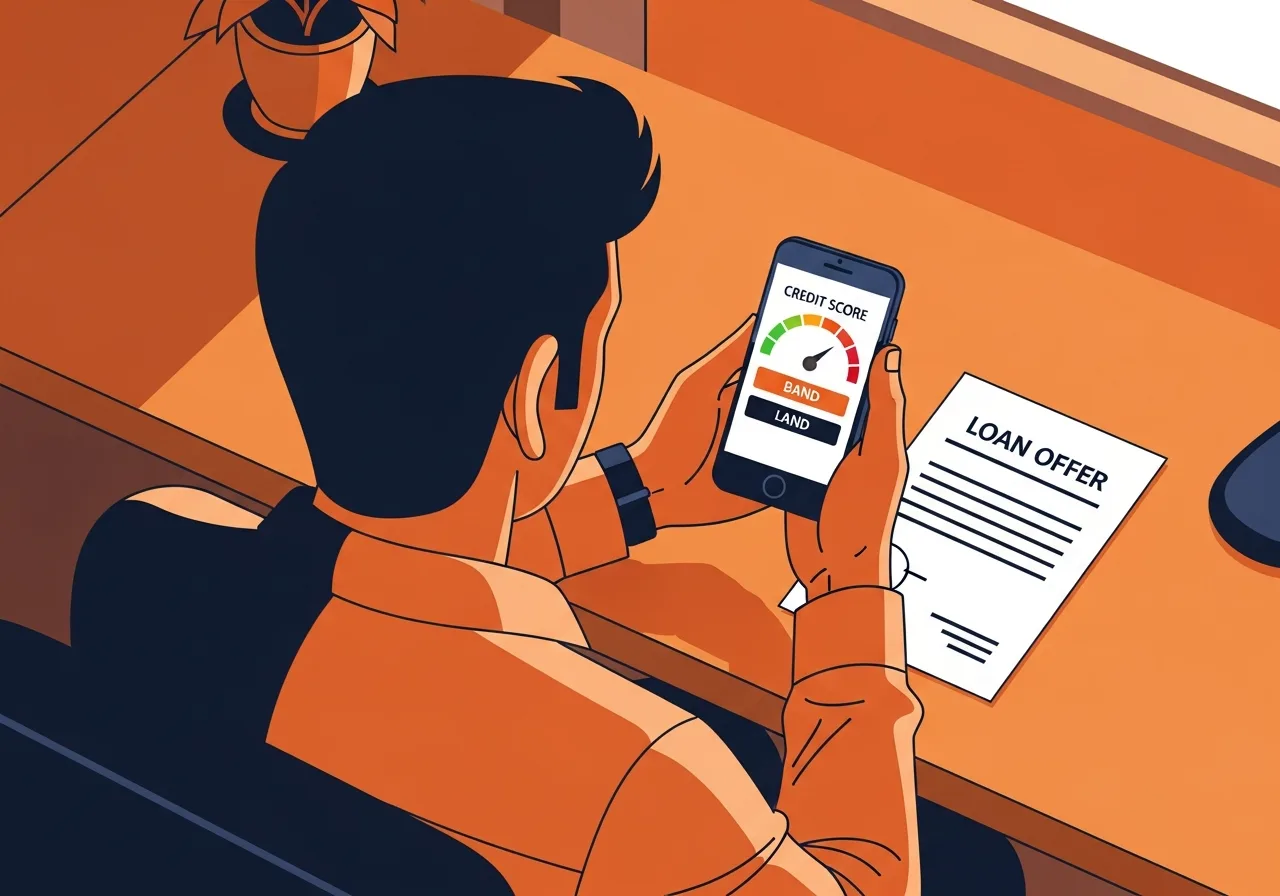
A CIBIL score of 500 is generally considered a weak credit profile by many lenders, although lending policies vary. These loans usually carry interest rates between 24% and 36% a year, well above what a good credit borrower pays.
Mohit Juneja
Reviewed by FREED India, Debt Resolution Specialists
 4.7/5
4.7/5 ₹3,200Cr+
 20,000+
 20,00,000+4.7/5₹3,200Cr+20,000+20,00,000+
Key Takeaways

A personal loan for CIBIL score of 500 is available mainly from NBFCs and digital lenders, rarely from traditional banks.
Interest rates at this score band typically run 24% to 36% a year, compared to 12% to 15% at a 650+ score.
A missed EMI is reported to the credit bureaus and may affect how future lenders assess your credit profile.
Consistent, on-time repayment helps build a positive repayment history that future lenders may consider.
If old settled or written off accounts caused the drop, resolving those may matter more than taking a new loan.
Can You Get a Personal Loan With a CIBIL Score of 500?
Yes, many banks generally apply stricter eligibility criteria to applicants with weaker credit profiles, although internal requirements vary by lender. A score of 500 sits in what's generally classified as the "very poor" band, well below that threshold, which means a bank's standard underwriting process is very likely to reject the application before it even reaches a human reviewer.
That doesn't mean you're completely out of options, it means the type of lender changes. NBFCs (non-banking financial companies) and digital lending apps have built their entire underwriting models around exactly this kind of profile. They're not ignoring the score, but they weigh it alongside other signals, income stability, bank statement patterns, existing obligations, in a way traditional banks generally don't for unsecured lending.
What you should expect going in is a genuinely different deal than what a well-qualified borrower gets. Smaller loan amounts, shorter tenures, and meaningfully higher interest rates are the norm at this score band, not the exception. This blog walks through exactly what that costs in real numbers, how to approach the application honestly, and importantly, whether taking a new loan is even the right move for your specific situation, since sometimes it isn't.

Not sure if a new loan is the right move at your score?
Get a clear picture of your real options first.
Check My scoreWhat Does a Loan at CIBIL 500 Actually Cost You?
This is the number that matters most, and it's worth sitting with the actual rupee figures rather than just the percentage. At a score below 500, interest rates from NBFCs and digital lenders typically run 24% to 36% a year. At a score of 650 and above, the same type of loan from a bank or NBFC typically runs 12% to 15%.
Here's what that gap looks like in practice. Take a ₹1,00,000 personal loan repaid over 24 months. At 14% interest (roughly what a 650+ score would get), total interest paid over the tenure comes to approximately ₹15,300. At 30% interest (a realistic rate at a 500 score), that same loan's total interest paid comes to roughly ₹35,600, more than double, for the exact same principal and the exact same tenure. That's a gap of over ₹20,000, on a loan of just ₹1 lakh, purely because of where your score sits.
This isn't a reason to avoid a loan entirely if you genuinely need one. It's a reason to go in with your eyes open about the real cost, and to run this same calculation on whatever specific offer you're looking at before signing anything, since the EMI amount alone doesn't tell you the full story.

FREED Expert Tip
Before taking a loan at a 500 score, calculate the total interest over the full tenure. At 30% a year, the extra cost often outweighs the emergency it's meant to solve.
Talk to a FREED Expert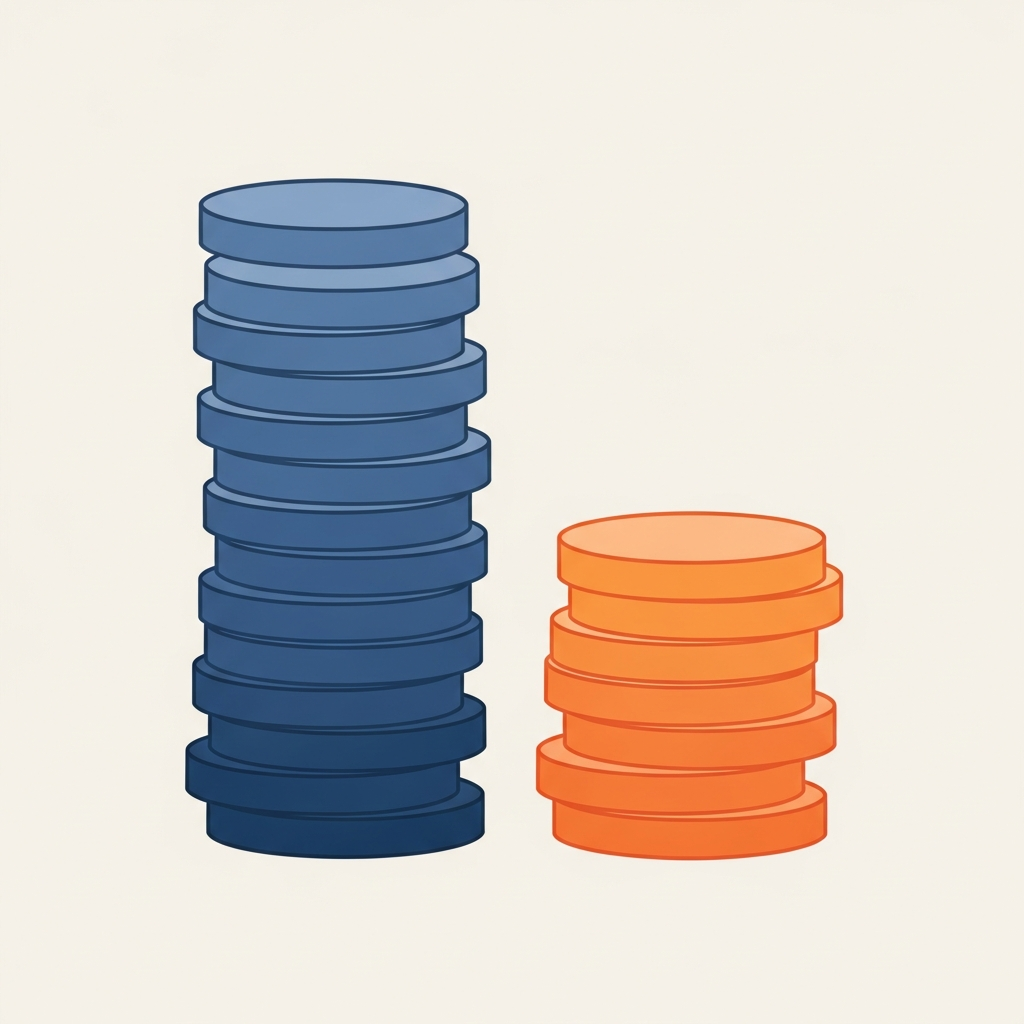
Why Does a CIBIL Score Drop to 500 in the First Place?
A score of 500 rarely happens from one single event; it's usually the accumulation of a few compounding factors, and understanding which ones apply to you matters for deciding what to do next, not just for taking a loan.
Missed EMIs are the most common and direct cause. Missed payments and unresolved settled or written-off accounts remain part of your credit history and may influence how future lenders assess your credit profile. Miss two or three payments across different accounts, and a score that started in the 650s can realistically land at 500 within a few reporting cycles.
Settled or written-off accounts compound this further. If an old loan reached a point where it was settled for less than the full amount, or written off by the lender entirely, that status stays on your report and continues to weigh the score down every month it remains unresolved, independent of anything else you do afterward.
High credit utilisation and a cluster of loan applications in a short window round out the usual picture. Someone running most of their card limits close to the maximum, while also having applied to three or four lenders in recent months chasing approval, is stacking multiple negative signals at once, each one compounding the others.
How to Apply for a Personal Loan With a CIBIL Score of 500
If you've decided a new loan is genuinely the right move for your situation, here's the realistic process, in order.
- 1
Check your full report first, not just the score.
Before applying anywhere, know exactly what's on your report. Correcting inaccurate credit-report information ensures lenders assess accurate credit information before you apply.
- 2
Expect to approach NBFCs or fintech lenders rather than banks.
Save yourself the time and rejection of applying to a traditional bank first. Go directly to the lender category that's actually built for this score band.
- 3
Be ready for a co-applicant or collateral request.
Many lenders at this score band will ask for a co-applicant with a stronger score, or some form of security, to offset the risk they're taking on. Have this conversation with a potential co-applicant before you apply, not after a rejection.
- 4
Compare total repayment cost across offers, not just the EMI.
Two loans with similar-looking EMIs can have very different total interest costs depending on tenure and fees. Run the full-tenure math, like the example above, on every offer you're seriously considering.
- 5
Read the terms fully before signing, especially the fee structure.
Processing fees, foreclosure charges, and late payment penalties can add meaningfully to the real cost, and these are often buried in the fine print rather than the headline rate.
Signs This Loan Could Trap You Deeper Instead of Helping
Not every offer available at a 500 score is a reasonable one, and a few warning signs are worth watching for before you sign anything.
If approval feels instant with no real income check at all, be cautious. Legitimate lenders, even the ones built for lower scores, still verify income and repayment capacity in some form. An offer with zero verification is often structured to extract fees rather than genuinely assess whether you can repay.
A very high effective borrowing cost, after including fees and charges, should be evaluated carefully before accepting the loan.
If the real purpose of this loan is to repay another existing EMI rather than a genuine new need, pause here. This is one of the clearest signs that the actual problem isn't a lack of credit access, it's an existing debt load that a new loan won't solve, it'll just add another layer to it.
And if you're not given written terms before disbursal, meaning the exact interest rate, fees, and repayment schedule in writing before the money hits your account, that's a serious red flag regardless of how urgently you need the funds.
Is a New Loan the Right Move at a 500 Score?
This is the question worth answering honestly before applying anywhere, because the right next step genuinely depends on how your score got to 500 in the first place, not just on whether a lender will approve you.
If your score dropped because you're current on your payments but stretched thin across multiple active EMIs, several small loans or credit cards all drawing from the same monthly budget, a new high-interest loan usually makes this worse, not better. Debt Consolidation may combine eligible debts into a single repayment, depending on the approved loan terms.
If, instead, your score dropped because of a genuine default or because of an old, settled or written-off account still sitting unresolved on your report, taking a fresh loan at 30% interest doesn't address that underlying problem at all. The old account keeps dragging your score down regardless of how well you manage a new loan, and resolving that account directly usually matters far more than any new credit you could take on.
Think of it as a simple ladder: first, understand which of these two situations actually applies to you. Second, address that root cause specifically: consolidation for the stretched-but-current borrower and resolution for the old unresolved default. Only after that root cause is handled does it make sense to consider whether a genuinely new loan, for a genuinely new need, is worth its cost at this score band.
Are You in a Loan Trap? Quick Check
Move the slider to your total EMIs as a % of monthly salary. See your debt stress level instantly.
EMIs as % of Monthly Salary
Comparison Table: Interest Rate and Approval by Score Band
CIBIL Score Band | Typical Interest Rate | Lender Type | Approval Chance |
Below 500 | 24% to 36% | Select NBFCs and fintechs only | Low income and collateral are heavily scrutinised |
500 to 600 | 20% to 30% | NBFCs and digital lenders | Moderate, with stricter documentation |
600 to 650 | 15% to 22% | NBFCs, some private banks | Improving, still limited amounts |
650 and above | 10% to 15% | Banks and NBFCs | Standard approval process |
FREED is not a Loan Provider. Rates shown are indicative and vary by lender and individual profile. Please verify current rates directly with the bank or NBFC.
The pattern across this table tells the same story as the earlier rupee example: every step down in score band adds real, compounding cost, not just a marginally worse deal. That's exactly why understanding the root cause of a 500 score, rather than just chasing the next available loan offer, is worth the extra step before applying anywhere.
Not sure a new loan is worth it at this score?
Get a free assessment of your actual options.
Get My Free Debt AssessmentHow FREED Helps at This Score Band
FREED's approach at this score band starts with figuring out which of the two situations above actually applies, rather than assuming every borrower at 500 needs the same solution.
Debt Consolidation may combine eligible debts into a single repayment, depending on the approved loan terms, repayment behaviour, and lender reporting.
Settlement is not something a borrower chooses out of preference. For borrowers whose score reflects an old default, or a settled or written off account still sitting unresolved, FREED's Debt Resolution Program works differently: the in-house team negotiates directly with the lender toward a formal settlement agreement, generally through what's called an SPA (Settlement Proposal Agreement), and follows up specifically to ensure CIBIL reflects the corrected status once the agreement is honoured.
Both programs work on a success-based fee structure, meaning there's no cost unless FREED is actually able to help resolve the specific situation. Which program applies depends entirely on the root cause, current-but-stretched calls for consolidation, old-and-unresolved calls for resolution, and FREED's team assesses this directly with you before recommending either path.

Old settled or written off loan pulling your score down?
See how FREED can help resolve it properly.
Book My Free CallWhat Helps Before You Take a Loan at This Score
A few checks, done before you apply anywhere, meaningfully change the outcome.
Pull your full credit report and check it for errors before doing anything else. A wrongly reported account or an outdated status could be quietly holding your score down, and correcting it costs nothing but a dispute filing.
Calculate the total repayment cost over the full tenure for any offer you're seriously considering, using the same math as the earlier ₹1,00,000 example, not just the monthly EMI figure a lender leads with.
Avoid applying to several lenders at once. Multiple loan applications create multiple hard enquiries that future lenders may consider during credit assessments. And if, after reading through this, it's becoming clear that old debt rather than a genuinely new need is the real driver behind your score, it's worth talking to FREED before applying for anything new. Understanding the real cause first often changes the entire decision.

Mohit Juneja
Mohit Juneja writes educational content at FREED on debt management, credit scores, loan repayment, and borrowing best practices. His content is shaped by expert insights and industry knowledge, helping readers better understand their financial options and make informed decisions.
mohit.juneja@freed.care

FREED is India's trusted loan management platform. Founded in 2020 and headquartered in Gurugram, FREED has counselled 20 lakh+ people on personal loans, credit cards, and app loans. FREED charges fees only on successful settlement, not upfront. FREED does not handle secured loans (home loans, car loans, gold loans).
Media Mentions