How to Get a Loan with Low CIBIL Score: Your Options, Their Real Costs & What FREED Recommends
Yes, you can still get a loan with a low CIBIL score. But before you take one, see what it actually costs and whether a new loan is really what you need.
Mohit Juneja
Reviewed by FREED India, Debt Resolution Specialists
 4.7/5
4.7/5 ₹3,200Cr+
 20,000+
 20,00,000+4.7/5₹3,200Cr+20,000+20,00,000+
Key Takeaways

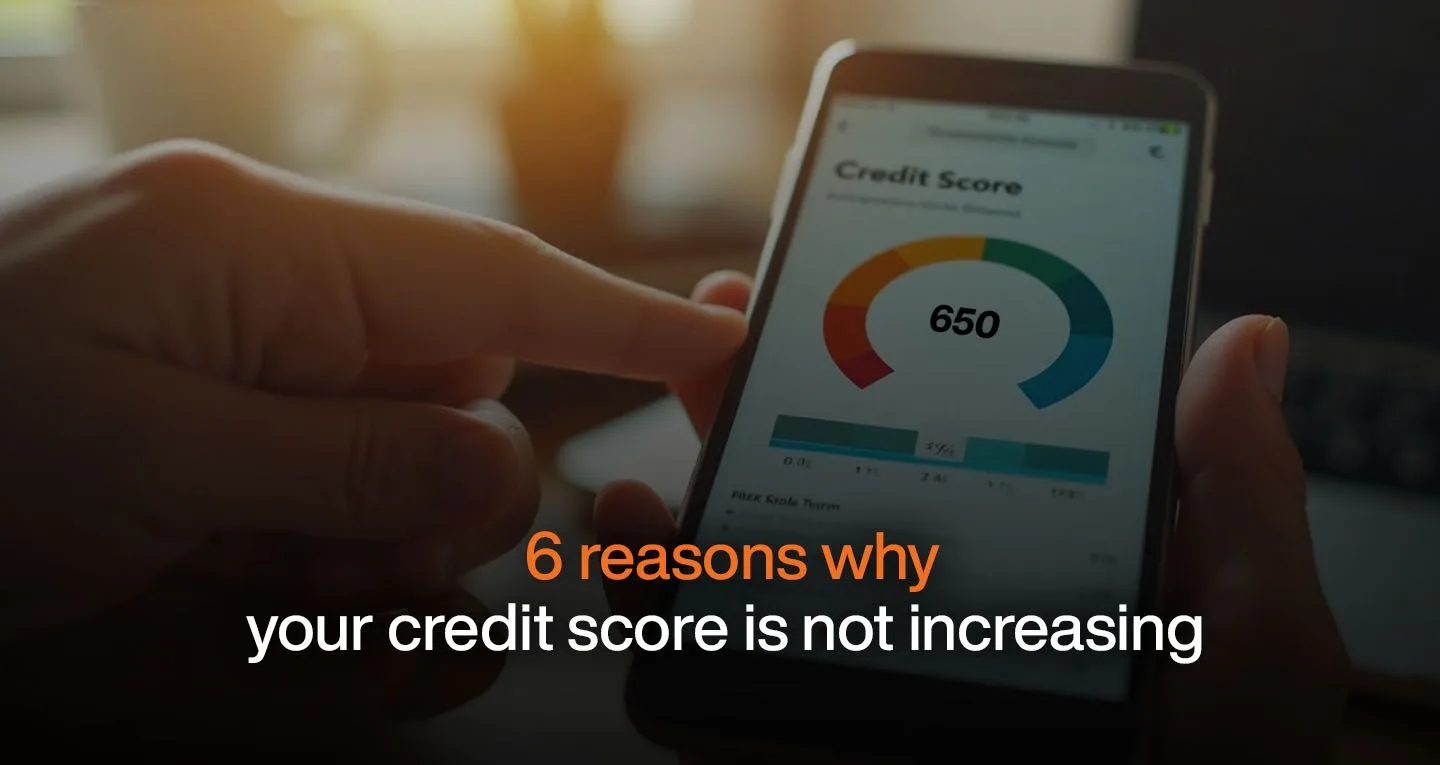
A "low" CIBIL score in India means anything below 650. Below 550 is very low.
You have 4–5 main loan paths if your score is low, but each one is more expensive than a regular loan.
App-based instant loans are the most dangerous. Some end up costing over 120% per year when fees are added.
If you already have 2 or more EMIs, another loan usually deepens the problem.
At FREED, we offer a free 10-minute counselling call to check if a new loan or settling old ones suits your situation better.
What Counts as a "Low" CIBIL Score in India?
Your CIBIL score is a number between 300 and 900. The higher the better. Most banks and financial companies use it to decide if they should give you a loan.
Here is the simple band reference:
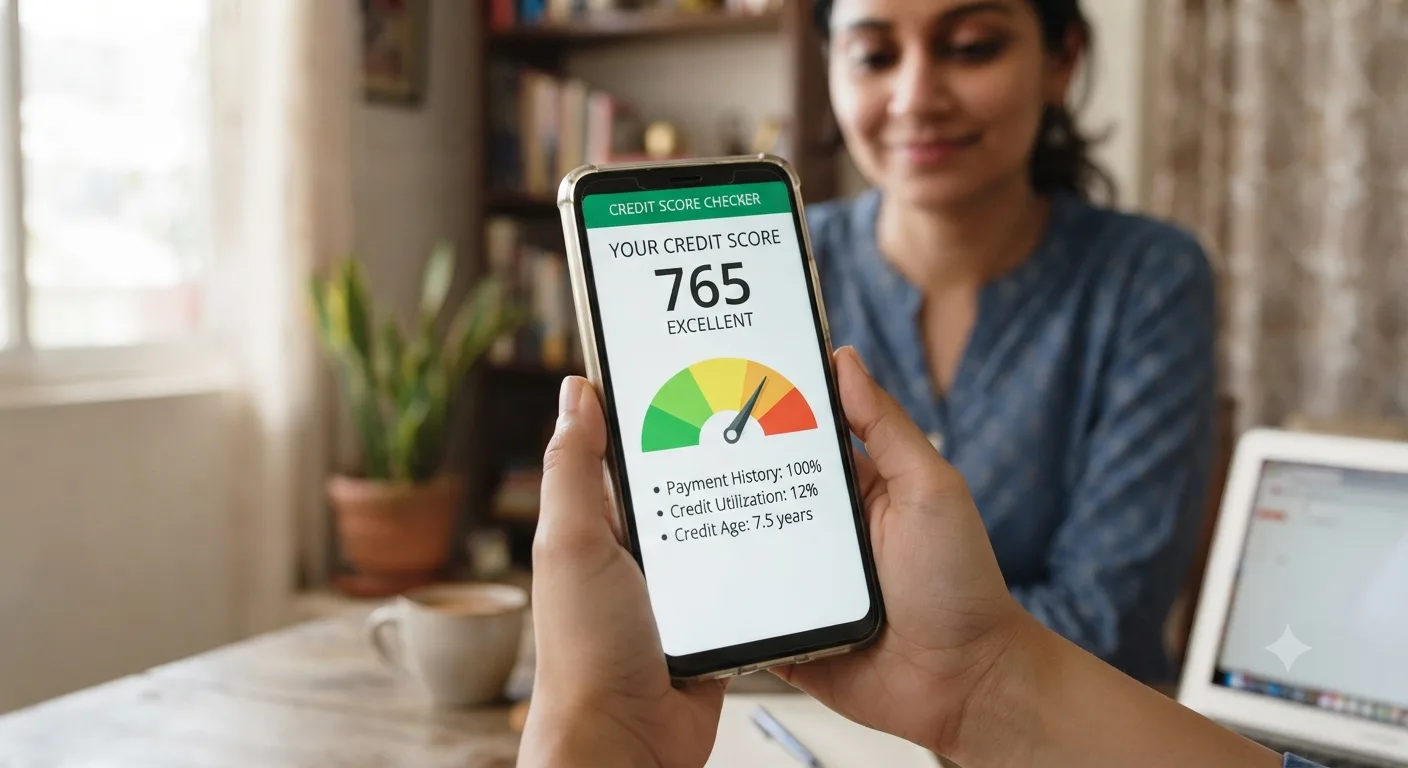
● 750 and above Excellent. You'll get the best rates.
● 700 to 749 Good. Most loans go through easily.
● 650 to 699 Fair. You may still get a loan, but at a higher cost.
● Below 650 Low. Most banks will say no.
● Below 550 Very low. Only specific banks and financial companies will consider you.
You are not alone if you fall in the low band. According to TransUnion CIBIL data, around 25% of Indian loan applicants have a score below 700.
A low score does not mean you are a bad person. It usually means you missed a few EMIs, used your credit card too heavily, or applied for too many loans in a short time. These things can be fixed.

Not sure if a new loan is even the answer
Get a free 10-minute debt assessment with FREED
Talk to a FREED ExpertCan You Actually Get a Loan with a Low CIBIL Score? (Short Answer: Yes, But…)
Yes, you can get a loan even if your CIBIL score is low. But the loan will come with conditions.
You will likely get a smaller amount than you asked for. The interest rate will be higher. The bank or financial company may ask for more documents. In many cases, you'll need to bring something as security, like gold or an FD. Or you'll need to add a family member with a good score as a co-applicant.
So the question is not really "can I get a loan?" The real question is "should I take one, given how much extra it will cost me?"

FREED Expert Tip
Every time you apply and get rejected, your score drops a little more. Don't keep applying randomly. Use eligibility checkers that don't trigger a hard inquiry. (Indicative information. Each bank or financial company decides their terms. FREED is not a bank or financial company and does not guarantee approval. Please verify with the bank or financial company directly.)
Talk to a FREED ExpertYour 5 Real Options for a Loan with Low CIBIL Score (and What Each One Costs You)
These are some of the main routes that people take when they’re turned down by banks. Each has its own trade-offs.
1. NBFCs and Digital banks and financial companies What it is: Non-Banking Financial Companies (NBFCs) are companies that give loans but are not full banks. They usually look at your income flow, not just your CIBIL score.
Who it works for: Salaried people with regular income but a damaged score.
What it costs: Interest typically falls in the 18% to 28% range.
The catch: Lower loan amounts, shorter repayment time, and higher processing fees than banks.
2. App-Based Instant Loans / Payday Loans What it is: Small loans approved within minutes through a mobile app. Who it works for: Honestly, pretty much nobody. Only use in a genuine emergency. What it costs: These are usually the costliest option on this list. The interest, the fees, and the short repayment time can stack up very fast far higher than what the headline rate on the app screen suggests. The catch: These apps often access your contacts, harass you and your family, and trap you in a borrowing cycle. This option is the most dangerous choice on this list.
3. Secured Loan Against Gold, FD, or Insurance Policy What it is: You give the bank or financial company an asset as security. They give you a loan against it. Who it works for: People who own gold, have a fixed deposit, or hold a long-running insurance policy. What it costs: Rates are much lower, broadly in the 9% to 14% range. The catch: If you don't repay, you lose the asset. Your gold or FD is gone.
4. Loan with a Co-Applicant or Guarantor What it is: A family member with a good CIBIL score applies along with you. Who it works for: People with a spouse, parent, or sibling willing to share responsibility. What it costs: Rates may be closer to normal, since the bank or financial company's risk drops. The catch: If you miss an EMI, their score also takes a hit. Family relationships can suffer.
5. Smaller Loan from Your Existing Bank What it is: You ask your salary account bank for a smaller, more manageable loan. Who it works for: Salaried people with a long banking relationship at one place. What it costs: Slightly higher than advertised rates, since they account for your low score. The catch: They can still reject you. The rate may still be higher than what their billboards say.
Notice something? Every option costs you more than someone with a good score. You are paying a kind of "low CIBIL tax" on top of the loan itself.
The Hidden Math: What a Low CIBIL Loan Actually Costs You
Let us look at the real numbers, no specific bank mentioned, just plain math.
Suppose you borrow ₹2 lakh for 2 years.
At a 13% interest rate (what a good-CIBIL borrower might get), you'll repay roughly ₹2.28 lakh in total. The extra ₹28,000 is your interest cost.
At a 32% interest rate (what a low-CIBIL borrower often pays), you'll repay roughly ₹2.74 lakh. That is ₹74,000 in interest alone.
The difference between a 13% and a 32% loan, on the same ₹2 lakh, is over ₹46,000. That’s almost 25% of your loan amount paid out as a low-CIBIL penalty.
A Good CIBIL Loan
● Lower interest rate
● Lower EMI
● More of every EMI goes to clearing the principal
● Your CIBIL score improves as you repay
A Low CIBIL Loan
● Much higher interest rate
● Higher EMI strain on your salary
● Most of every EMI gets eaten by interest
● One missed payment can drop your score further
● Recovery pressure starts faster
So before you borrow, ask yourself this: am I taking this loan because I need money, or because I'm trying to plug a hole made by an older loan? If it's the second one, please read the next section carefully.
The Trap Most People Don't See Coming
Here is the cycle that catches most people:
You have one or two EMIs already. You're falling slightly behind. So you take a new loan to pay the old one. But because your CIBIL is low, the new loan has a much higher rate. Now your total monthly EMI burden is bigger than before. You miss the new EMI too. Your CIBIL drops again. And the cycle tightens.
Let us be honest with you.
If you already have 2 or more EMIs and you're searching how to get a loan with low CIBIL score, the loan probably isn't the answer. The debt is.
At FREED, we look at the full picture first and tell you honestly whether borrowing more makes sense, or whether settling what you owe is the smarter move.
Borrowing more isn't always the answer.
Talk to a FREED counsellor and find out, free, whether a new loan or settling old ones makes more sense for you.
Get My Free Assessment→The Smarter Path: Settle Existing Debt to Fix Your CIBIL (and Free Up Cash)
Why settlement, not another loan, is what most people in this situation actually need
When someone is already stuck with many EMIs and paying in full has become genuinely impossible, banks and Non-Banking Financial Companies (NBFCs) are sometimes open to something called a One Time Settlement (OTS). This is when the bank or financial company agrees to accept a reduced amount as full and final payment.
Settlement is not something you can opt into by choice. It is meant only for borrowers facing genuine financial hardship where repaying the full amount has truly become impossible. It is a last resort, not a money-saving move. It will leave a "Settled" mark on your credit report for up to 7 years.
Settlement reduces your total outstanding amount. It ends the recovery calls. It gives you breathing room to actually live again. And once it's done, you can start rebuilding your CIBIL score from a clean base.
Why settlement is not a do-it-yourself job
The settlement amount, once agreed upon, usually has to be paid as a lump sum. For someone who is already going through a difficult money situation, arranging that lump sum is often the hardest part of all. This is exactly where FREED comes in.
At FREED, we first understand your situation what you owe, what you can afford, and the timing that works for you. Based on that, we build a personalized plan that fits your budget, so the lump sum becomes manageable instead of impossible.
We then negotiate with the bank or financial company on your behalf and work to get you a settlement offer that is up to 50%* less than what you owe, an outcome a borrower negotiating alone usually does not get.
There is also the matter of the settlement letter itself. Once the bank or financial company sends it, every loan number, amount, and final-status wording must be checked carefully before any money is paid. A small error here can mean the matter is not actually closed on your record. FREED helps you verify this letter line by line, so the settlement actually does what it is meant to do.
What FREED actually does for you
● We look at all your loans together and tell you honestly which ones can be settled.
● We negotiate directly with your banks and financial companies, in your name, in writing.
● We work to get reductions on your outstanding balance that direct borrowers rarely manage on their own.
● We offer support against recovery harassment. If calls or visits cross the limits set by RBI rules, we guide you on how to raise the right complaint.
● We help you rebuild your CIBIL once the settlement is done.
● You pay nothing to talk to us first.
What Law Says:
RBI rules don’t give any bank or financial company (including loan apps) permission to threaten, abuse or harass you for recovery. They cannot contact your family, employer or co-workers without your permission. If any bank or financial company or app is doing this, you have the right to lodge a complaint with the RBI Ombudsman. At FREED, we walk our customers through this process when they need us to.
How FREED Compares to Doing It Yourself
We will be fair here. DIY can work for some people. But for most, it's worth getting expert help. Look at the difference.
With FREED
● We call the bank or financial company for you
● We negotiate to the bank or financial company's internal cap
● We become your single point of contact
● Legally reviewed paperwork
● Help with CIBIL rebuild after settlement
Doing It Yourself
● You call the bank or financial company directly
● First quote is usually the offer you accept
● You speak to recovery agents alone
● Verification of the settlement letter is on you
● No support once settlement is done
DIY settlement can work for someone dealing with just one small loan. For most people with multiple loans piling up, expert help is worth it.
Stop guessing whether a new loan is the answer.
Get a free 10-minute call with a FREED counsellor. Honest plan. No sales pressure.
Talk to a FREED Expert →Quick Steps If You Still Want to Try for a Loan with Low CIBIL
If you have thought it through and a loan is genuinely necessary, here is how to do it carefully.
- Check Your CIBIL Report for Errors First Many borrowers have wrongly reported defaults dragging their score down. Fixing them is free.
- Don't Apply to Many banks and financial companies in One Week Each application creates a hard enquiry that drops your score further.
- Ask for a Smaller Amount Than You Think You Need A smaller loan is easier to get approved and much easier to repay.
- Add a Co-Applicant Only If You're Sure You Can Repay Their CIBIL score is on the line too, so this is a serious commitment.
- Read the Fine Print on Processing Fees Sometimes a "low interest" loan comes with a 5% upfront fee that pushes up the real cost.
- Compare APR (Annual Percentage Rate), Not Just the Interest Rate APR includes all charges. That is the real cost of the loan.
When to Walk Away from a Loan Offer (Even If You Got Approved)
Sometimes an "approval" is a red flag, not good news. Walk away if any of these are true:
● The bank or financial company asks for any upfront payment before disbursing the loan. This is a scam signal.
● The app demands access to your contacts, gallery, or call logs.
● The total EMI commitment crosses 50% of your monthly take-home salary.
● The approval feels too easy and too fast for your CIBIL score band.
● There is no clear written agreement before the money hits your account.
● The interest works out to more than 36% per year once all fees are included.
If you are seeing 2 or more of these and still considering the loan, please call us before you sign anything. At FREED, we offer free counselling.

Mohit Juneja
Mohit Juneja writes educational content at FREED on debt management, credit scores, loan repayment, and borrowing best practices. His content is shaped by expert insights and industry knowledge, helping readers better understand their financial options and make informed decisions.
mohit.juneja@freed.care

FREED is India's trusted loan management platform. Founded in 2020 and headquartered in Gurugram, FREED has counselled 20 lakh+ people on personal loans, credit cards, and app loans. FREED charges fees only on successful settlement, not upfront. FREED does not handle secured loans (home loans, car loans, gold loans).
Media Mentions