ICICI Personal Loan Balance Transfer: Eligibility and Process
Personal Loan Balance Transfer to ICICI happens when you shift the outstanding balance of an existing personal loan from another bank or NBFC to ICICI Bank on revised loan terms.
Mohit Juneja
Reviewed by FREED India, Debt Resolution Specialists
 4.7/5
4.7/5 ₹3,200Cr+
 20,000+
 20,00,000+4.7/5₹3,200Cr+20,000+20,00,000+
Key Takeaways

Personal Loan Balance Transfer to ICICI generally needs 12 EMIs paid on your existing loan first.
Minimum transfer amount is around ₹50,000 principal balance, per ICICI's published norms.
A healthy repayment history and a credit score above 700 improve your approval odds.
RBI's Key Fact Statement (KFS) rule means the bank must show you the full cost upfront before you sign anything.
Juggling 3 or more loans? A single balance transfer rarely fixes that. Consolidation does.
What is a personal loan balance transfer to ICICI?
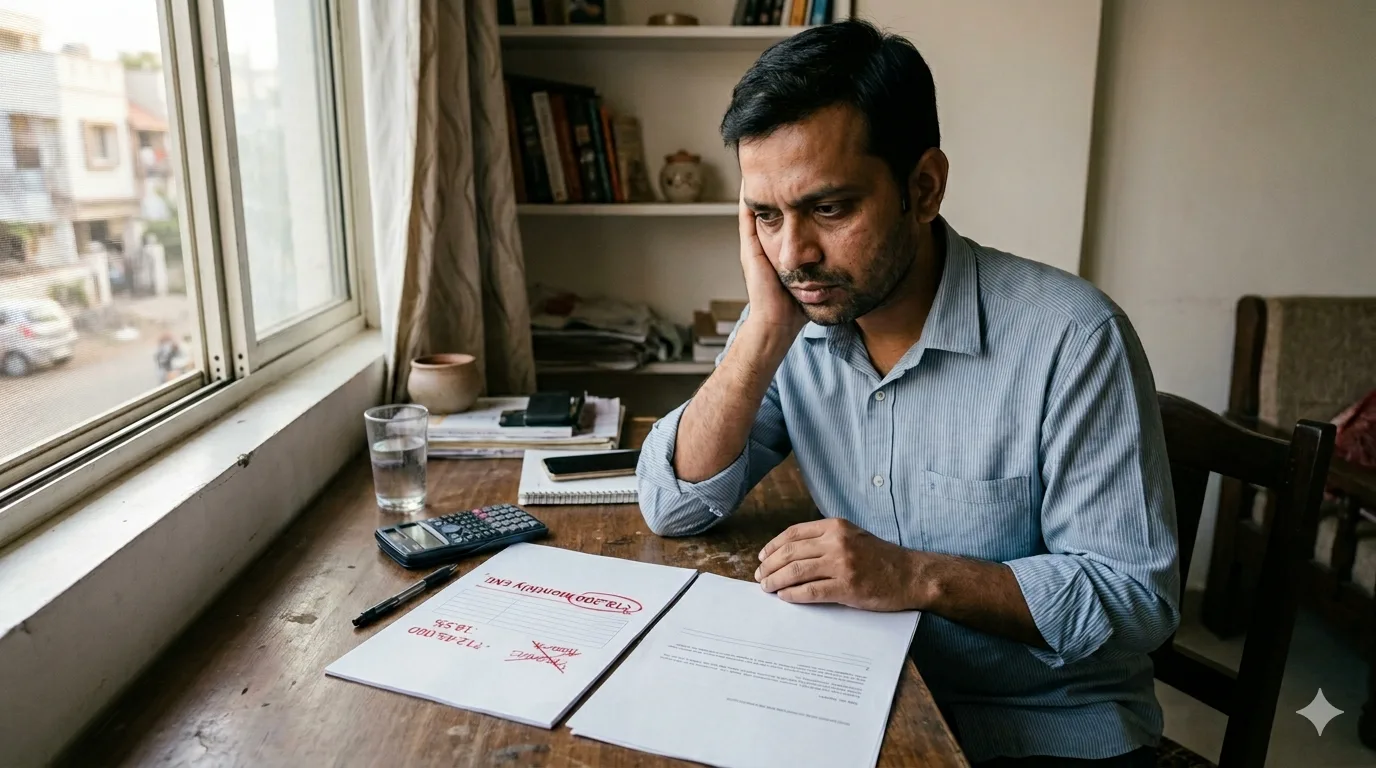
The mechanic is simple enough. You've got a personal loan running with another bank or NBFC. ICICI agrees to take over the outstanding balance, pays off your existing lender directly, and issues you a fresh loan on its own terms, usually at a lower rate than what you're paying right now.
Nothing gets pledged in this process. The loan stays unsecured throughout, same as your original one probably was. ICICI's published minimum sits around ₹50,000 in outstanding principal, so if your balance is smaller than that, the bank likely won't process a transfer, and honestly, there wouldn't be much to save on anyway.
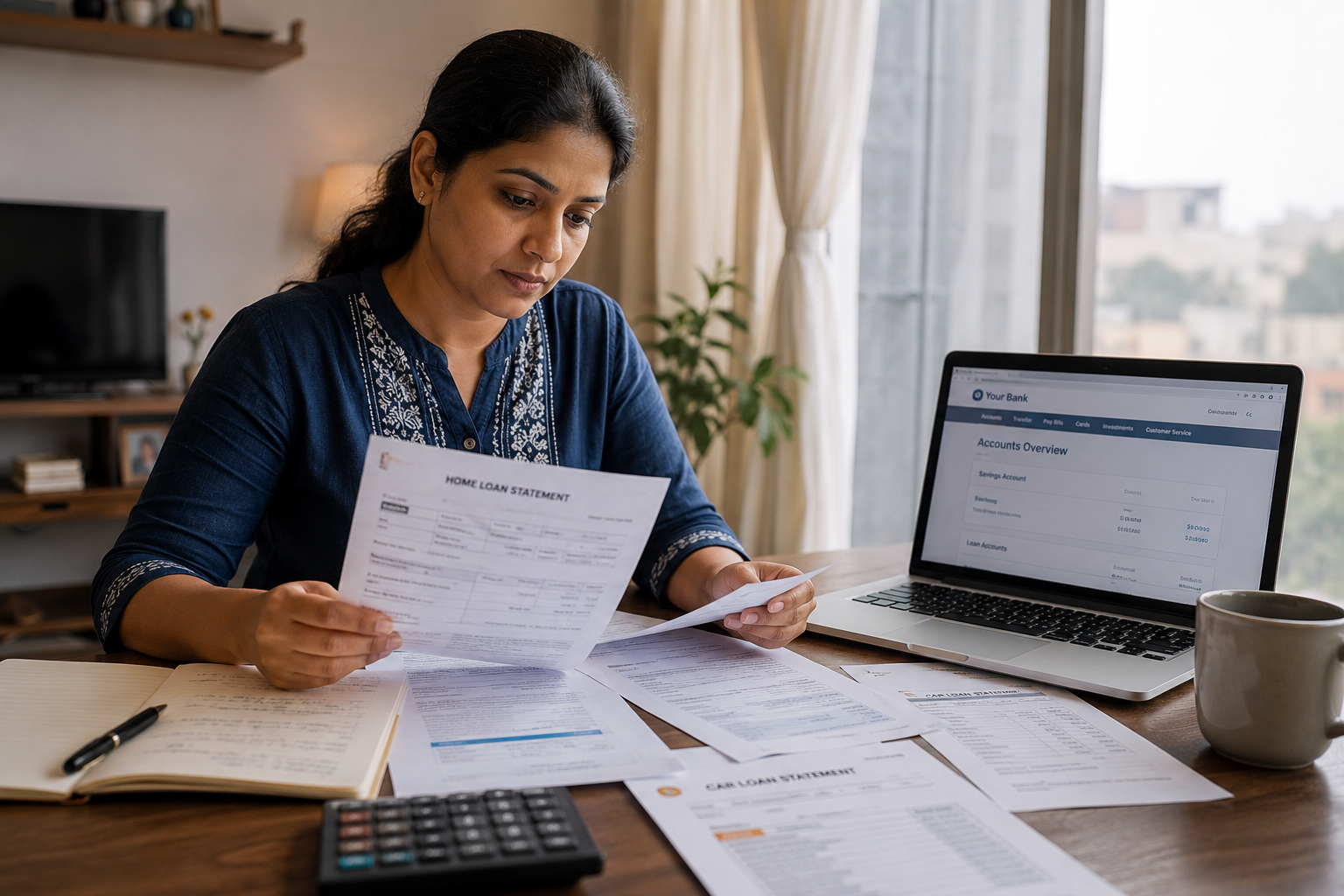
Here's where people get tripped up, and it happens constantly: a balance transfer moves one loan. That's it. A swap, not a merge. If you're carrying several loans across different lenders and want them pulled into a single EMI instead, you're looking at a different product entirely, debt consolidation, covered in full further down with a direct comparison against what's on this page.
Why borrowers consider a balance transfer
No single trigger drives this, but a few situations keep showing up.
Someone's been paying diligently, every EMI on time, for a year or more. The rate they locked in back then just doesn't match where they stand today. Maybe it was an NBFC loan taken when their credit history was thin, often somewhere in the 14% to 20% range for that category. Now, with a stronger score and a longer track record behind them, a bank like ICICI is willing to offer meaningfully better terms. Worth checking the current published rate directly on ICICI's site rather than trusting any number quoted here, since these shift with market conditions.
Sometimes it's less about rate comparisons and more about how the EMI just feels heavier than it used to, income or expenses having shifted since the loan was first taken. Or a friend mentioned their own lower rate. Or an ICICI ad caught someone's attention at the right moment. None of this reflects poor judgment on the borrower's part, to be clear. A loan priced a year or two back reflects the borrower you were then. Wanting terms that match who you are now, without touching your CIBIL negatively along the way, is a reasonable thing to want.
Signs a balance transfer could help
A few markers tend to line up when a transfer genuinely makes sense, rather than just sounding appealing on paper.
- 12 or more EMIs paid on time on your existing loan, roughly the point where most lenders, ICICI included, start seriously considering an application.
- Your current rate feels noticeably high against what's available in the market right now, not a marginal gap, a real one worth acting on.
- One loan, not several. A transfer optimises a single loan, it doesn't restructure a whole portfolio.
- CIBIL score stable or climbing, which strengthens both your negotiating position and your approval odds.
- No missed EMI in the last 3 months. A recent miss is one of the more common reasons applications get declined outright.
Most of these describe you? Worth exploring further. Don't quite fit, especially the single-loan point? The consolidation section further down is probably more relevant.
How the ICICI balance transfer process works
The shape of this stays fairly standard, though exact screens and paperwork shift a bit depending on whether you're applying online or through a branch.
It starts with an eligibility check, either on ICICI's website or at a branch, confirming you've cleared the 12-EMI minimum and that your outstanding balance sits above ₹50,000. From there, the application goes in along with supporting documents, KYC papers, your latest loan statement from the existing lender, bank statements, salary slips.
Verification comes next. Typically a KYC check, video or biometric depending on the channel, alongside a CIBIL pull to assess where you stand. Some applications also involve a physical or office verification step, particularly for larger amounts, though this isn't universal, it varies by applicant profile.
Once verification clears, the bank presents a formal offer, laying out the revised amount, tenure, rate, and EMI date. Read everything carefully here, including the Key Fact Statement, before signing. After signing, ICICI settles the balance directly with your old lender, demand draft or direct transfer, and your original loan starts moving toward closure. Your job at that point: collect closure proof from the old lender and confirm the account shows closed on your credit report.
ICICI eligibility criteria and documents required
Eligibility isn't one hard cutoff, it's a handful of factors assessed together. Worth knowing what banks typically look for rather than assuming a fixed rule governs everything.
Age generally falls within 20 to 58 years at loan maturity for salaried applicants, though this shifts slightly by product variant. Banks also want to see a minimum stretch of employment stability, plus steady, verifiable income, since both feed into how comfortably you're expected to manage the new EMI.
On paperwork: standard KYC (PAN, Aadhaar, address proof), your latest loan statement showing the current outstanding balance, 6 months of bank statements that clearly show your repayment pattern, and your most recent salary slips. A foreclosure letter and NOC from your current bank round out the list, ICICI can't settle that old loan without them.
Worth being upfront rather than promising a number that isn't real: there's no single guaranteed CIBIL cutoff across every applicant. Banks weigh this alongside income and existing obligations. A score above 700 generally helps your odds meaningfully. It's not an absolute gate on its own, though.

What the Law Says
Under RBI's Key Fact Statement (KFS) rule, every bank must give you a clear summary before sanctioning any balance transfer loan, showing the full rate and fees involved.
Know your rights before signingWhat are your options?
One loan, fits the signs above? A balance transfer to ICICI answers exactly the question this guide opened with. It's a well-established product, the process has become fairly standardised, and for the right borrower it can lower what you're paying every month without much downside.
But sit with this one line before moving forward. If you're actually managing more than one active loan, or credit card debt spread across several lenders alongside a personal loan, a single transfer to ICICI fixes that one loan. Everything else stays exactly as complicated as it was, just with one account costing slightly less now. FREED's Debt Consolidation Program exists precisely for that situation, addressing the whole picture instead of polishing one piece of it.

See If Consolidation Fits You Better
One assessment covers all your loans, not just one.
Check My Free EMI Assessment
How FREED helps
This is for the reader whose situation doesn't fit neatly into a single-loan transfer, someone managing a full loan profile rather than just one account that happens to carry a high rate.
FREED starts by looking at everything, every loan, every card, not just whichever one is top of mind right now, and matches you to a suitable lending partner if multiple loans genuinely need merging. From there FREED runs the coordination between your existing lenders and the new one end to end, so you're not stuck managing five separate conversations at once.
What's left afterwards is one EMI and one due date. The final EMI depends on the lending partner's assessment and loan terms. The impact on your credit profile depends on your repayment behaviour and individual circumstances. Fee's success-based throughout, charged only once consolidation is actually completed and disbursed. Less insider bank knowledge, more FREED doing the tedious legwork of coordinating multiple lenders so you don't have to.
Compare balance transfer vs consolidation before deciding
Feature | Balance Transfer to ICICI | FREED Debt Consolidation Program |
Best for | One loan, want a lower rate | 2+ loans, want one EMI |
What moves | Single existing loan | All eligible unsecured loans and card dues |
CIBIL impact | Neutral to positive if managed well | Impact depends on the borrower's repayment behaviour and individual circumstances. |
Who arranges it | You apply directly to ICICI | FREED matches you to a lending partner and facilitates the process |
Fee | ICICI processing and foreclosure fees apply | Success-based, charged only when done |
Rates and terms shown are indicative, verify directly with the bank. No bank is presented as universally better than another.
Are You in a Loan Trap? Quick Check
Move the slider to your total EMIs as a % of monthly salary. See your debt stress level instantly.
EMIs as % of Monthly Salary
What helps during the balance transfer process
A few habits change how smoothly this goes, and how much you actually end up saving once every cost gets counted.
Compare the total cost, not the headline rate alone. Processing fees and foreclosure charges quietly eat into savings that looked substantial when you were only staring at the interest rate difference. Add both before deciding the transfer's worth it.
Think twice on a top-up offer bundled with the transfer. Easy to say yes since the paperwork's already moving, but a top-up adds fresh debt on top of what you're already restructuring. Take it only if you genuinely need the extra funds for something specific.
Skip transferring in the last 30% of your loan tenure. Most of the EMI's already going toward principal by that stage, so a lower rate barely moves the needle, sometimes the fees outweigh whatever benefit remains.
Keep the old loan account active until closure is actually confirmed. Don't assume it's done just because the new EMI has started at ICICI, follow up until confirmation's in hand.
And ask for the Key Fact Statement before signing anything. It exists specifically to show you the real, all-in cost in one place instead of leaving you to piece it together from scattered terms.

FREED Expert Tip
Always compare the total cost of a balance transfer, processing plus foreclosure fees, not just the headline interest rate.
See how consolidation compares
Mohit Juneja
Mohit Juneja writes educational content at FREED on debt management, credit scores, loan repayment, and borrowing best practices. His content is shaped by expert insights and industry knowledge, helping readers better understand their financial options and make informed decisions.
mohit.juneja@freed.care

FREED is India's trusted loan management platform. Founded in 2020 and headquartered in Gurugram, FREED has counselled 20 lakh+ people on personal loans, credit cards, and app loans. FREED charges fees only on successful settlement, not upfront. FREED does not handle secured loans (home loans, car loans, gold loans).
Media Mentions