Let’s talk
about Loans
















75,000+
Customers served

₹450 Cr+
Total savings

4.8/5
Google rating
Browse Topics
5 CategoriesLatest Articles
Why Does My Credit Score Drop Even Though I Pay On Time?
You have not missed a single payment. Every EMI is on time. Every credit card bill is paid. And yet your credit score dropped. Confusing? Frustrating? You are not alone. Here is exactly why this happens and what you can do about it.
How the Debt Collection Process Works in India
Missing a payment does not mean immediate legal action. The process follows defined stages, and knowing each one helps you stay calm, respond early, and protect your rights throughout.

Does Checking Your CIBIL Score Reduce It?
Checking your CIBIL score yourself does not reduce it. This is called a soft enquiry, a check that only you can see, and it has zero impact on your score. Only a hard enquiry is created when you formally apply for credit. Future lenders may consider these enquiries during credit assessment.
What Is Borrowing Cost? Meaning and How to Calculate the True Cost of a Loan
Borrowing cost is the total price of taking a loan, not just the interest rate you're quoted, but every fee, charge, and cost layered on top of it: processing fees, documentation charges, insurance, and penalties. The interest rate alone almost always understates what a loan actually costs. This is distinct from "borrowing cost" as used in accounting standards like Ind AS 23, which covers how companies capitalise interest on qualifying assets; this article is about the personal cost of taking a loan.
Can Loan Foreclosure Impact Your Credit Score?
Does loan foreclosure have a negative effect on your CIBIL or credit score? This is the real answer, coupled with situations where foreclosure is profitable.

Wilful Default vs Genuine Default: Meaning, Rules and Consequences in India
A wilful defaulter, as defined by the RBI, is a borrower who has the financial ability to repay a loan but deliberately refuses to do so, or who diverts, siphons, or misuses the borrowed funds. The focus is on intent, not hardship. Genuine inability to repay due to job loss, medical emergency, or business failure is not wilful default.
SMA in CIBIL: What SMA-0, SMA-1, SMA-2 Mean and How It's Reported
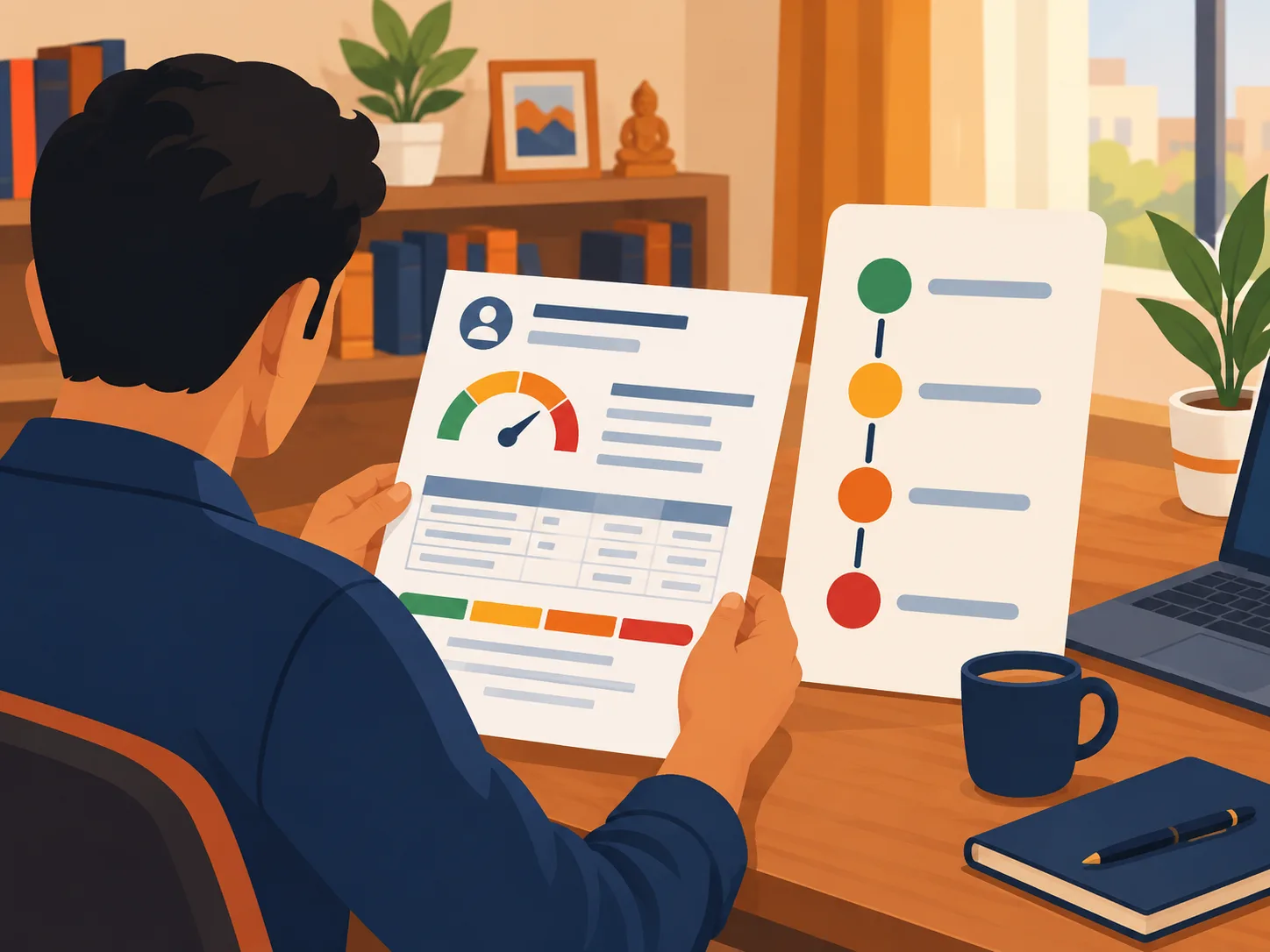
SMA in CIBIL refers to Special Mention Account, RBI's early-warning classification for loans that have missed a payment but haven't yet crossed the 90-day NPA threshold. SMA-0 covers 1 to 30 days overdue, SMA-1 covers 31 to 60 days, and SMA-2 covers 61 to 90 days, the last stage before an account is classified as an NPA.
Loan Waive Off vs Loan Write Off - Know the Difference
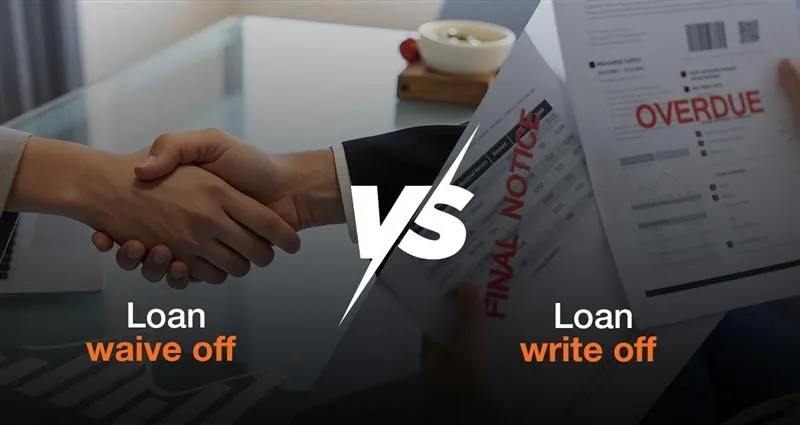
A loan write-off means the bank removes the loan from its books for accounting, but you still owe the money and it can still recover it. A loan waive-off means the bank cancels part or all of what you owe, so that part is no longer due. One changes the bank's books; the other changes your debt.


Make smarter financial decisions.
Loan Settlement | Loan Consolidation | Credit Insights | FREED Shield
Get Started