Let’s talk
about Loans
















75,000+
Customers served

₹450 Cr+
Total savings

4.8/5
Google rating
Browse Topics
5 CategoriesRecovery Harassment

Debtor is a person, not an object!
Being in debt does not make someone less of a person. It does not reduce their dignity, their rights, or their worth as a human being. This is something the financial system often forgets and something every person carrying debt deserves to hear.

An Empowering Perspective on Handling Debt Recovery
Recovery calls. Legal notices. Agents at your door. The entire experience of debt recovery is designed to make you feel powerless. But you are not. Here is everything you need to know to handle debt recovery from a position of knowledge, dignity, and genuine control.

What is Recovery Harassment and How to Deal With It?
Getting threatening calls from recovery agents? Being abused or pressured to pay? You have legal rights - and they are being violated. This guide tells you exactly what is illegal, what to do, and how to make it stop.

Mental Harassment by a Bank: What Counts, What You Can Do
Mental harassment is not simply a label for an unpleasant recovery call. Depending on the conduct and the forum involved, borrowers may be able to seek redress for harassment, mental anguish or loss caused by improper recovery practices. It covers a pattern of conduct, repeated abusive calls, threats, or contact with your family, designed to cause psychological distress beyond the legitimate purpose of collecting a debt. It comes with a real compensation remedy, not just a complaint.

Loan Default Notice and Court Summons: What Each One Means
A loan default notice is a written warning from your bank or NBFC that EMIs are overdue and a legal step may follow. A court summons is different. It is an order from a court, after a case is filed, asking you to appear and reply. One is a warning. The other is a legal process.
Appointment of Recovery Agents: How the Process Should Work
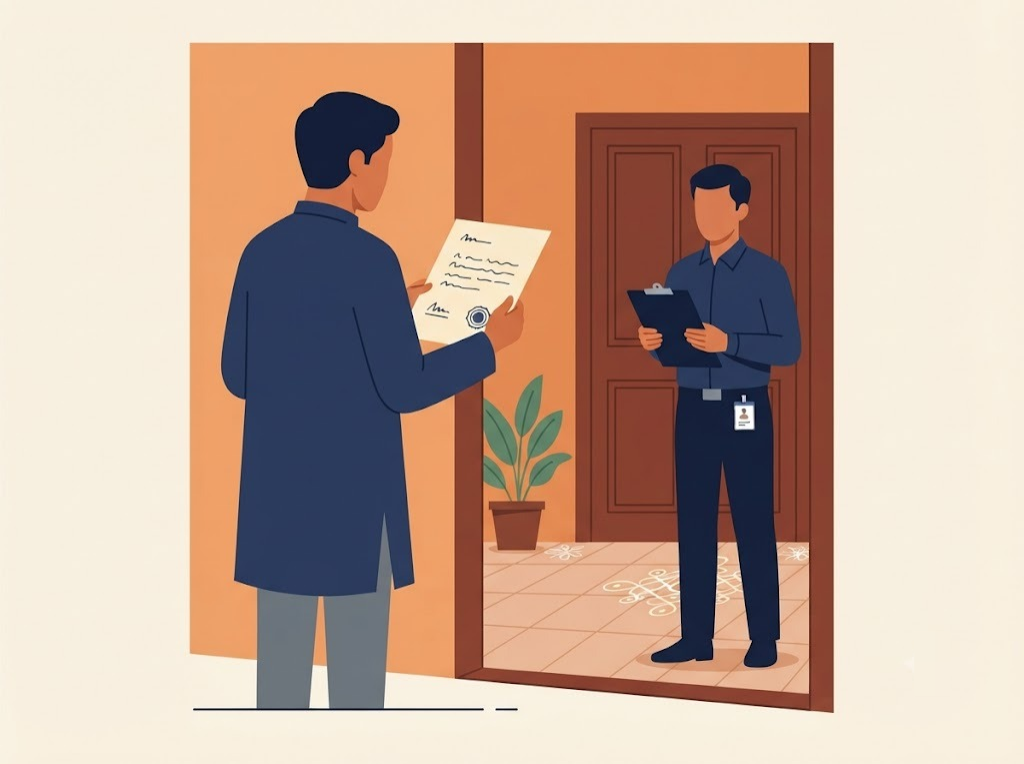
RBI fined RBL Bank ₹2.27 crore after finding it had skipped basic due diligence on its own recovery agents, no IIBF certification, no pre-employment police verification, borrowers never told which agency was handling their case. Banks and NBFCs must follow the recovery-agent engagement and conduct requirements applicable to their regulatory category. These may include due diligence, verification of antecedents, training, a code of conduct, and appropriate authorization and disclosure procedures.

HDFC Recovery Agents: Rules They Must Follow and What to Do If They Cross the Line
HDFC recovery agents follow up on overdue loan or card payments for the bank. They must carry ID, call only within RBI-set hours, and avoid threats and abuse. If they cross those limits, you can complain to the bank and RBI.
How is RBI making life easier for borrowers?
Getting threatening calls from recovery agents? Being harassed for a loan you're struggling to repay? The RBI has clear rules that protect you. Here's what they say and how to use them.


Make smarter financial decisions.
Loan Settlement | Loan Consolidation | Credit Insights | FREED Shield
Get Started