Appointment of Recovery Agents: How the Process Should Work
RBI fined RBL Bank ₹2.27 crore after finding it had skipped basic due diligence on its own recovery agents, no IIBF certification, no pre-employment police verification, borrowers never told which agency was handling their case. Banks and NBFCs must follow the recovery-agent engagement and conduct requirements applicable to their regulatory category. These may include due diligence, verification of antecedents, training, a code of conduct, and appropriate authorization and disclosure procedures.

Mohit Juneja
Reviewed by FREED India, Debt Resolution Specialists
 4.7/5
4.7/5 ₹3,200Cr+
 20,000+
 20,00,000+4.7/5₹3,200Cr+20,000+20,00,000+
KEY TAKEAWAYS

Appointment of recovery agents should be made by way of a Board-approved policy, due diligence, and a formal written agreement, not an informal arrangement.
This process exists specifically to filter out bad actors before they're ever allowed to contact a borrower.
When a recovery agent contacts you, ask for the authorization and identification details required under the applicable RBI guidelines. Verify the agent’s identity and engagement independently through the lender’s official contact channels.
Knowing this process gives you a practical way to verify whether an agent contacting you was actually legitimately appointed.
What Does "Appointment by Way Of" Actually Mean?
This refers to the formal steps a bank or NBFC must follow before engaging any recovery agent or agency at all, not what happens once one actually contacts you. If you're looking for what to do during a call or how to file a complaint about conduct you've already experienced, who a recovery agent actually is and the rights you have during that interaction are covered in depth elsewhere, this piece won't re-cover that ground.
Worth being plain about why this matters even though it happens entirely before contact: a properly appointed agent operates under real accountability, background checks completed, a written contract in place, a Code of Conduct they've signed off on. An improperly appointed one often doesn't, and that gap is exactly where the worst behaviour tends to come from. Why RBI mandates this specific process, rather than leaving it to each bank's discretion, is worth understanding directly.

Want to check whether an agent contacting you was properly appointed?
Talk to FREED about what you're seeing.
Book My Free CallWhy Does RBI Require This Process?
This requirement exists directly in response to past recovery-harassment abuses. Informal or poorly-vetted agents were a major source of the aggressive tactics that eventually forced RBI to tighten its rules considerably, cases where agents had no real accountability to anyone because the bank never properly vetted them in the first place.
The appointment process is meant to be the first line of defence, filtering out bad actors before they're ever handed a borrower's contact details at all. Recovery harassment specifically, the kind that eventually reaches an RBI complaint, very often traces back to exactly this gap, an agent who was never properly appointed or trained in the first place. Worth connecting this directly to your own situation: knowing this process matters because it isn't just bank-side bureaucracy, it directly shapes who's actually allowed to contact you and under what conditions. What the process itself actually involves is worth walking through in full.
What Does the Proper Appointment Process Involve?
Here's the sequence a bank or NBFC is required to follow before any agent makes contact with a borrower.
- Board-Approved Policy. The lender should maintain a recovery policy and follow the applicable RBI requirements governing the engagement, supervision, and conduct of recovery agents. Whether the policy must be Board-approved and published on the lender’s website should be verified against the directions applicable to that lender category.
- Due Diligence on the Agent or Agency. Background checks are conducted on the individual agent or the collection agency before engagement, including pre-employment police verification.
- Formal Written Agreement. A written contract is signed, setting out the agent's authority, permitted conduct, and explicit prohibitions.
- Code of Conduct Briefing. The agent is briefed on RBI's Fair Practices Code requirements, working hours, permitted communication, and prohibited tactics.
- Authorization Letter Issued. The agent is given a written authorization letter to carry and produce when contacting a borrower.
This is the minimum RBI-mandated process, individual banks can and often do add further internal checks on top of it.

What the Law Says
RBI requires banks and NBFCs to appoint recovery agents through a formal process, Board-approved policy, due diligence, and a written agreement, before that agent can contact a borrower on the lender's behalf.
Check your optionsWhat Should Be in the Written Agreement?
- Clear identification requirements. The agreement should specify exactly how the agent must identify themselves and the bank they represent on first contact, not leave it vague.
- Permitted conduct. Working hours, contact methods, and tone, all tied directly to RBI's Fair Practices Code rather than left to the agent's own discretion.
- Explicit prohibitions. No threats, no contacting third parties inappropriately, no visiting at unreasonable hours, spelled out rather than assumed.
- The agent's actual authority. What they can and cannot do or promise on the bank's behalf, since an agent overstepping this boundary is itself a violation worth knowing about.
The fuller RBI rulebook on recovery conduct covers what this agreement should translate into once an agent actually makes contact, worth reading alongside this piece. How knowing all of this actually helps you as a borrower is the real payoff worth spelling out.
How Knowing This Helps You as a Borrower
A properly appointed agent should be able to produce a written authorization letter on request, identifying them and confirming they're acting for that specific bank, this isn't an unreasonable ask, it's a document RBI requires them to carry.
If someone contacting you can't or won't produce this, that's a real signal worth taking seriously, not something to brush off out of politeness. This doesn't replace knowing your rights during an actual interaction, it's a first checkpoint before that conversation even gets going, a way to establish whether you're dealing with someone genuinely accountable to the bank at all.
Red Flags That an Agent Wasn't Properly Appointed
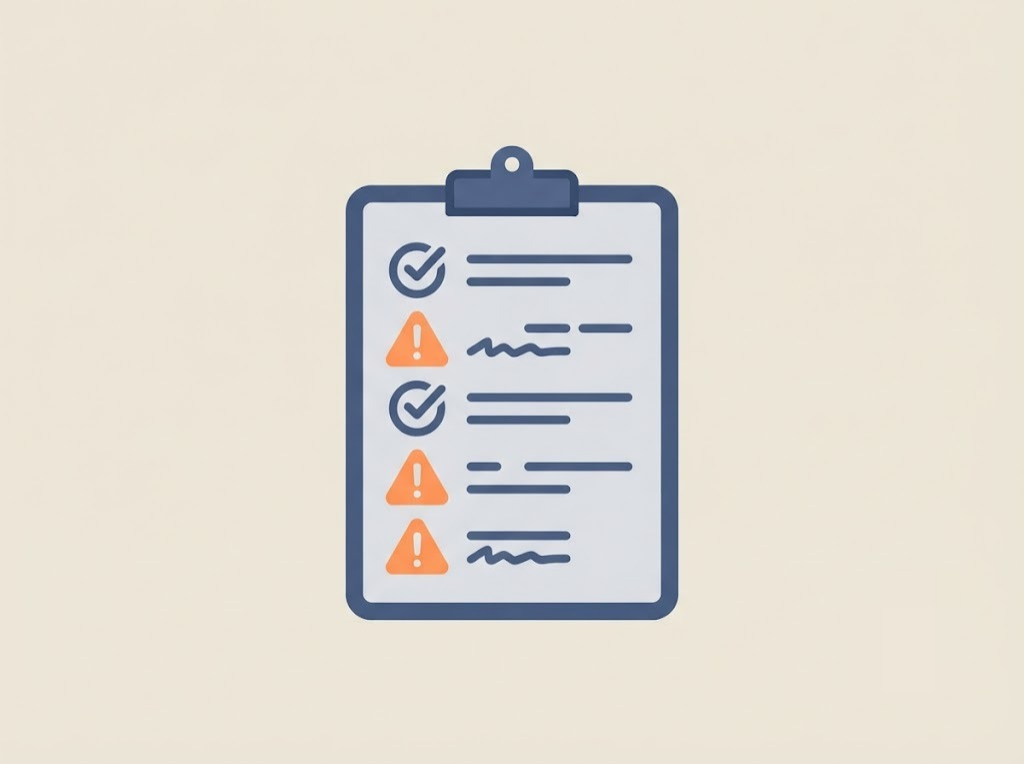
What to Do If You Suspect Improper Appointment
Ask directly for the authorization letter and note down the details if provided, the agent's name, the letter's date, the bank named on it. Verify independently with the bank or NBFC itself, calling their official number, not one the agent gave you during the call.
If something genuinely seems off after that verification, that's a legitimate complaint in its own right, not just a rights violation during a call. Where to actually file that complaint, the bank's grievance officer, the RBI Ombudsman, or further, and a sample complaint letter to draw from, are both covered in full elsewhere on the site.
How FREED Helps If Recovery Pressure Is Part of a Bigger Picture
If the reason recovery agents are contacting you at all is unresolved unsecured debt, personal loans or credit cards, verification and complaints address conduct, they don't touch the actual cause.
Depending on eligibility and creditor acceptance, FREED’s Loan Settlement Plan may help borrowers explore structured settlement options for eligible unsecured debt. Borrowers should understand the settlement terms, payment obligations, potential credit consequences, and whether the lender confirms closure of the account. Verification tells you whether the person on the phone is legitimate, resolving the debt is what removes the reason for the call in the first place.
Recovery Calls Getting Overwhelming?
FREED can negotiate directly with your lender to resolve the debt.
Start My Free AssessmentA Few Things Worth Knowing
Not Sure an Agent Contacting You Is Legitimate?
Free, confidential, no obligation.
Book My Free CallSources
Claim | Source |
Banks and NBFCs must maintain a Board-approved recovery agent policy, published on their website | RBI Master Direction on Fair Practices Code for lenders |
Lenders must issue recovery agents a written authorization letter before any field visit | RBI Circular RBI/2022-23/26 |
Lenders must conduct due diligence, including background verification, before engaging recovery agents/agencies | RBI Outsourcing Directions, 2025; RBI's proposed uniform recovery norms across all lenders, effective July 1, 2026 |
RBI fined RBL Bank ₹2.27 crore for failing to complete IIBF certification, pre-employment police verification, and borrower disclosure of the recovery agency's identity | RBI enforcement action, reported by Business Standard |

Mohit Juneja
Mohit Juneja writes educational content at FREED on debt management, credit scores, loan repayment, and borrowing best practices. His content is shaped by expert insights and industry knowledge, helping readers better understand their financial options and make informed decisions.
mohit.juneja@freed.care

FREED is India's trusted loan management platform. Founded in 2020 and headquartered in Gurugram, FREED has counselled 20 lakh+ people on personal loans, credit cards, and app loans. FREED charges fees only on successful settlement, not upfront. FREED does not handle secured loans (home loans, car loans, gold loans).
Media Mentions