Loan Full and Final Settlement Letter: Free Sample, Line by Line
A loan full and final settlement letter is the bank’s written confirmation that if you pay an agreed, reduced amount by a set date, it will treat your loan as fully and finally settled and won’t ask for anything more. Get it before you pay, and keep it permanently.

Mohit Juneja
Reviewed by FREED India, Debt Resolution Specialists
 4.7/5
 ₹3,200Cr+
 20,000+
 20,00,000+4.7/5₹3,200Cr+20,000+20,00,000+
Key Summary

A loan full and final settlement letter is your proof the bank will claim nothing more.
RBI treats a part settlement as restructuring, so insist on “fully and finally settled” wording.
The account will show “Settled”, not “Closed”, on your credit report for up to 7 years.
RBI requires a cooling period of at least 12 months before the same lender gives fresh non-farm credit.
A wrong credit entry must be fixed within 30 days of your complaint, or you’re owed ₹100 a day.

Can’t Repay in Full and Need It Settled Properly?
FREED negotiates with your bank and gets the settlement done in writing.
Settle My LoansWhat Is a Loan Full and Final Settlement Letter?
Settlement is not something a borrower chooses out of preference. Banks consider it only when repaying in full has become genuinely impossible, usually after EMIs have slipped for several months. If you’ve reached that point and the bank has offered a figure, the loan full and final settlement letter is the document that makes the deal real.
In plain words, it’s the bank’s written promise. It says that if you pay an agreed amount by a set date, the bank will treat the loan as fully and finally settled and won’t come after you for the rest. Without it, you’re relying on a phone call.
People often mix up three different documents. They aren’t the same:
Your request letter. This is what you send to the bank to ask for a settlement, explaining why you can’t repay in full. Here’s how to write a loan settlement letter to a bank.
The bank’s full and final settlement letter. This is what the bank sends you, confirming the amount, the deadline, and the terms. It’s the one this guide is about.
The NOC (No Objection Certificate, the bank’s clearance letter). The bank issues it after you’ve paid, confirming there are no dues left. Here’s more on the NOC after loan settlement.
One more distinction matters. A loan you repay in full is “Closed”. A settled loan ends with a “Settled” mark on your credit report instead. Settled and Closed are different statuses, and lenders read them differently.
The letter is the last step of a longer process. Here’s how loan settlement works from start to finish.
FREED’s Loan Settlement Plan follows that same process, and it ends with a settlement letter from the bank in your hands. More on that later.
So why must the letter come before any payment?
Why Should You Get the Settlement Letter Before You Pay?
Paying first and asking for paperwork later is the most common way settlements go wrong. Here’s why the loan full and final settlement letter has to come first:
It’s your only proof of the deal. A verbal promise made on a recovery call can’t stop future demands. If someone at the bank later says “we never agreed to that”, the letter is what settles the argument.
The wording decides what you’ve actually done. Under RBI’s 2023 framework for compromise settlements, a settlement is meant to fully settle the bank’s claim. A part settlement is treated as restructuring (changing the loan plan), which is a different thing. So the letter must say the whole account will be “fully and finally settled”. It’s also worth checking the payment timeline: under the same framework, settlements paid over more than 3 months are treated as restructuring too.
It protects where your money goes. The letter should name the bank’s own account or official payment channel. Never pay cash, and never pay into a personal account or an agent’s UPI ID, however official the caller sounds.
There’s one more quiet benefit. A written offer gives you time to read it properly, show it to someone you trust, and spot anything missing. A phone offer with a “pay by tonight” deadline gives you none of that.
FREED’s settlement process is built around the same idea. Your money doesn’t move until the bank’s offer is in front of you and you’ve said yes.
Before you agree, though, know what you’re signing up for.

What the Law Says
Under RBI’s 2023 framework, a compromise settlement must fully settle the bank’s claim. A partial settlement is treated as restructuring.
Settle My LoansWhat Should You Know Before Agreeing to a Full and Final Settlement?
A loan full and final settlement letter ends one problem, but it comes with consequences. Look at your options first, in this order:
Still paying, but stretched? Ask your bank about changing the loan plan. Here’s how loan restructuring works. Or look at consolidation (one new loan that pays off the rest, leaving one EMI). FREED’s Loan Consolidation Plan does this for unsecured loans, and it doesn’t hurt your score.
Genuinely unable to repay? Then settlement is the option that exists for your situation.
If settlement is the right path, go in knowing these:
The account shows “Settled” for up to 7 years. Lenders reading your report will see it, and new loans will be harder to get for a while. Here’s the full impact of debt settlement on your credit score.
The same lender has to wait before lending to you again. Under RBI’s framework, there’s a cooling period of at least 12 months before the same bank can give you fresh non-farm credit after a compromise settlement. Almost no guide mentions this.
Tax and guarantors depend on your case. Whether the waived amount has tax effects, and whether a guarantor is released, varies. Here’s what happens after loan settlement, covering both in full.
None of this means settlement is wrong for you. It means you should choose it with your eyes open, and get the paperwork right.
If you go ahead, here’s what the letter should look like.
Still Paying Your EMIs, but Only Just?
One EMI on one date may be a better route than settling.
Reduce My EMIWhat Does a Loan Full and Final Settlement Letter Look Like? (Free Sample)
This is an illustrative format. Your bank’s wording will differ, but every loan full and final settlement letter should contain these elements. Use it as a loan settlement letter format to check your own letter against.
[Bank name], [Branch address]
Ref. No.: [reference number]
Date: [DD/MM/YYYY]
To,
[Borrower’s full name]
[Co-applicant / guarantor name, if any]
[Borrower’s address]
Subject: Full and final settlement of [loan / credit card] account no. [account number]
Dear [Borrower’s name],
With reference to your request dated [date], the total outstanding on the above account as of [date] is ₹[amount], made up of principal ₹[amount], interest ₹[amount], and charges ₹[amount].
The bank agrees to accept ₹[settlement amount] (Rupees [amount in words] only) in full and final settlement of the above account.
This amount must be paid by [date] [or: in instalments of ₹[amount] on [date 1], [date 2], [date 3]] into [bank account name, account number, IFSC / official payment link] only.
On receipt of ₹[amount] by [date], the above account will be treated as fully and finally settled, and the bank will have no further claim against the borrower. The remaining balance of ₹[amount] will be waived, and no further recovery action will be taken.
The account will be reported to credit information companies as “Settled”. A no-dues certificate will be issued within [X] days of receipt of the final payment.
[This settlement also covers / releases the co-applicant / guarantor, [name], from all liability on this account.]
If the full amount is not received by [date], this offer will lapse, and the bank may proceed with recovery as per law.
For [Bank name]
[Signature]
[Authorised officer’s name], [Designation]
[Bank stamp]
Here’s what each line protects:
Line in the letter | Why it matters |
|---|---|
Letterhead, branch address, reference number, date | Shows the letter is official and traceable to a real branch. |
Borrower, co-applicant and guarantor names | Shows exactly who the settlement covers. |
Account number | Pins the settlement to one specific account, so it can’t be applied elsewhere. |
Total outstanding, split into principal, interest and charges | Shows what you owed, so the waiver is clear. |
Settlement amount in figures and in words | Stops “typo” disputes later. |
Payment deadline and mode | Fixes when and where to pay. If instalments run past 3 months, read the terms twice. |
The “fully and finally settled, no further claim” line | The core line. Without it, the bank could still claim the rest. |
Remaining balance waived, no further recovery | Confirms the leftover amount won’t be chased. |
Reported as “Settled” | The honest, expected status. It won’t say “Closed”. |
NOC within [X] days | Commits the bank to the clearance letter, on a timeline. |
Guarantor or co-applicant effect | Shows whether they’re released too. |
What happens if the deadline is missed | Usually, the offer lapses. Know this before you agree to a date. |
Authorised officer’s signature, name, designation, stamp | Proves a bank officer signed it, not just a recovery agent. |
This sample is illustrative only and doesn’t represent any real bank’s letter.
If any of these are missing from your letter, ask the bank for a corrected one before you pay a rupee.
FREED’s Loan Settlement Plan ends with exactly this kind of letter from the bank. FREED negotiates the terms, but the bank issues the letter, and nothing is paid until you approve the offer.
Want Your Settlement Letter Done Right the First Time?
FREED negotiates and gets the terms in writing from your bank.
Settle My LoansHow to Get a Loan Full and Final Settlement Letter From Your Bank
Here’s how to get a loan full and final settlement letter that actually protects you. Follow these 6 steps in order:
Ask for the offer in writing. Email the branch or the collections team, or send a letter. Verbal offers can’t be enforced later.
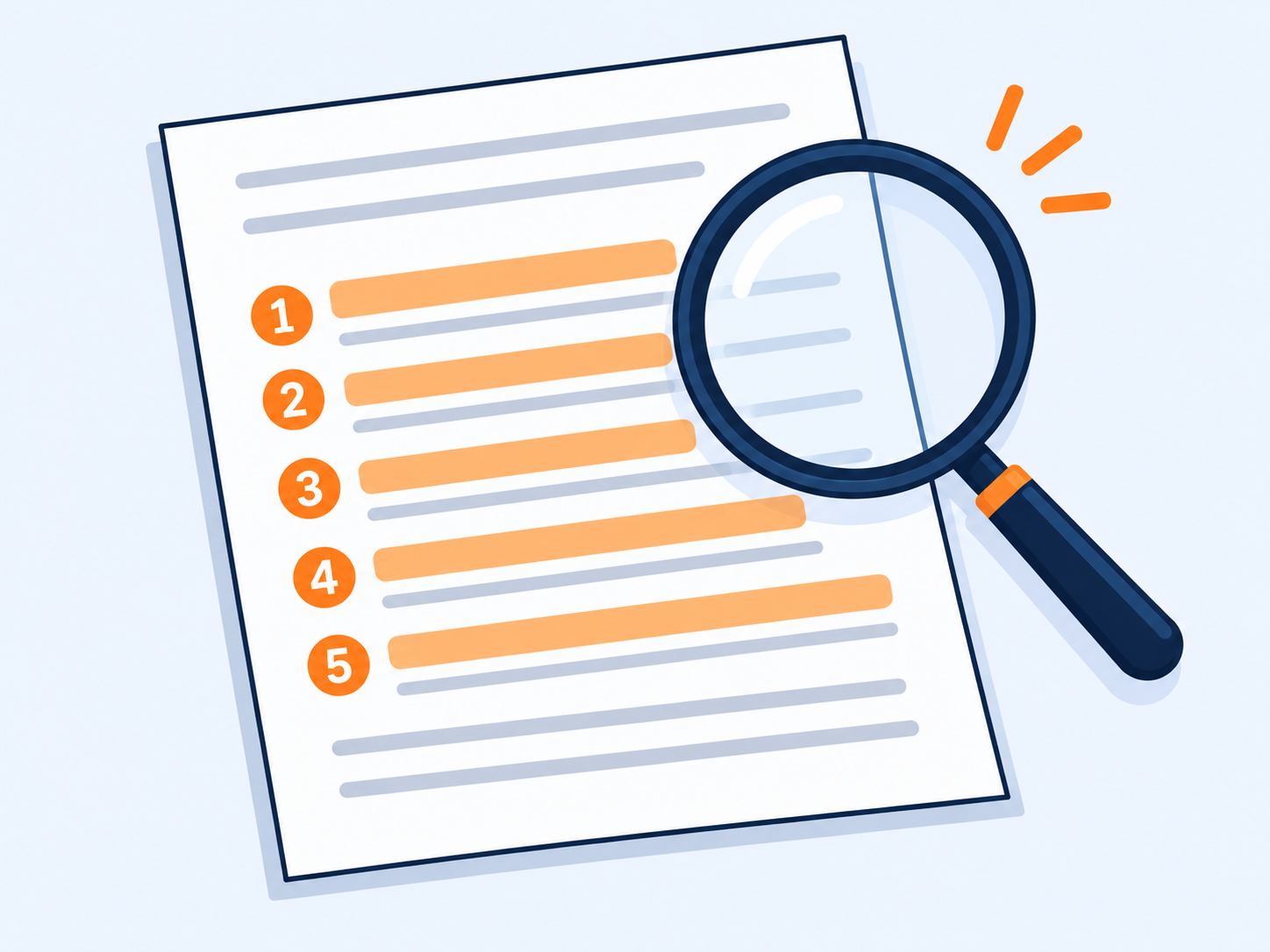
Check every line against the sample above. Tick off each element in the table. Missing lines are much harder to fix once you’ve paid.
Confirm it came from the bank. It should be on letterhead, or sent from an official bank email address. Fake settlement offers do exist, especially over WhatsApp.
Ask for corrections before paying. If the “fully and finally settled” line is missing, or the amount in words doesn’t match the figures, ask for a fresh letter. Once you’ve paid, you have far less leverage.
Pay only through the channel named in the letter, and keep the transaction reference. Save the UTR (Unique Transaction Reference) number or receipt. It’s your proof that the money reached the bank.
Request the final confirmation and NOC in writing once the payment shows. These two finish the record. Ask for both by email, so there’s a trail.
Watch for these red flags in any letter you’re sent:
No letterhead
Signed only by a recovery agent, not a bank officer
Settlement amount in figures only, not in words
No “full and final” line
Payment asked for in cash or to a personal account
For the full list of warning signs, here’s what to check in a loan settlement letter from your bank.

FREED Expert Tip
If an agent asks for the settlement amount in cash or by personal UPI, don’t pay. Ask for the bank’s written letter naming its own account.
Get FREED Shield SupportWhat Documents Should You Keep After a Full and Final Settlement?
Paying the amount in your loan full and final settlement letter isn’t the end of the paperwork. Collect and keep these 6 documents:
The bank’s settlement letter. It shows what was agreed, and it’s the first thing you’ll need if anything is disputed.
Your payment proof (UTR or receipt). It shows you paid the agreed amount, on time, into the right account.
The bank’s written confirmation that the account is fully and finally settled, with nil dues. It shows the bank received the money and accepted it as full settlement.
The NOC. It’s the bank’s formal clearance letter. Here’s more on the NOC after loan settlement.
A fresh credit report showing the account as “Settled” with zero outstanding. It shows the bureau has the right record, not an open balance.
Any guarantor release letter. If someone guaranteed the loan, it confirms they’re off the hook too.
Timing matters for document 5. Lenders report to credit bureaus at least every 15 days, so check your report about 4 to 6 weeks after the final payment. If it still shows an outstanding balance by then, something’s gone wrong. Here’s more on how long a CIBIL update takes.
Keep paper copies and scans, permanently. Settled accounts can come up years later, for example, when you apply for a new loan, and the lender asks about the “Settled” mark. The letter and NOC answer that question in seconds.
FREED’s Credit Insights can help with document 5. It shows how your settled account appears on your Experian report, and refreshes monthly, so you can confirm it reads “Settled” with a zero balance.
Want to See How the Settlement Shows on Your Report?
See your report in plain words, with a plan to rebuild.
Check My Credit InsightsWhat If the Bank’s Letter or Your CIBIL Report Is Wrong After Settlement?
Even with a proper loan full and final settlement letter, things can go wrong afterwards. Here are the three most common problems, and what to do:
Your report still shows an outstanding balance, or “Written-off”, after you paid. Raise a dispute with the credit bureau, and attach your settlement letter and payment proof. Write to the bank’s grievance team too. Under RBI rules, the fix must happen within 30 days of your complaint, or you’re owed ₹100 for every day of delay. Here’s how to dispute and fix wrong entries.
The NOC hasn’t arrived. Write to the bank with your payment proof, and keep a copy of what you send. If there’s no reply, escalate through the bank’s grievance process. Your settlement letter’s NOC timeline, if it has one, is your reference point.
The bank asks for more money after settlement. Reply in writing, attaching the settlement letter and your payment proof. Never pay again on the strength of a phone call. Ask for written reasons, and escalate through the bank’s grievance process if needed.
If recovery calls carry on after you’ve settled and turn abusive or threatening, FREED Shield is available to everyone. FREED helps you understand your legal rights as a borrower, report inappropriate recovery practices, and raise complaints with your lender. Here’s the full RBI complaint process for recovery agent harassment.
If the “Settled” mark itself is what’s bothering you, here’s a step-by-step guide on removing a settlement from CIBIL after loan closure.
What the Law Says
A wrong entry on your credit report must be fixed within 30 days of your complaint, or RBI rules entitle you to ₹100 a day.
Check My Credit InsightsHow FREED Helps If You Need Your Loans Settled
If you genuinely cannot repay your loans, FREED negotiates with your lenders to settle them for less than 50%* of your outstanding dues. FREED is India’s trusted loan management platform, and its founding team brings 50+ years of debt-resolution experience from the US. So far, FREED has settled 33,000+ accounts, worth more than ₹500 crore.
Here’s how the Loan Settlement Plan works, step by step:
FREED understands your full situation. That means your loans, income, essential expenses, and how much you can realistically repay.
It creates a personalised settlement plan. The plan is built around your money, not a fixed template.
You save a fixed monthly amount into a Special Purpose Account (SPA). The SPA is in your own name and held by an independent trustee, not by FREED.
Once enough has built up, FREED negotiates with the bank. It handles the back-and-forth on your behalf.
The bank decides the terms, and you decide whether to accept. No bank gets paid until you authorise the offer.
Once FREED negotiates a settlement offer, the bank provides written confirmation of the agreed amount, payment deadline, and settlement terms. After you approve the offer and complete the payment, you should obtain the bank’s final settlement confirmation and No Objection Certificate (NOC). The same kind of letter this guide walks you through.
That answers the biggest fear most people have, which is paying and still being chased. With FREED, your money sits in an account in your own name, and it only moves when you’ve seen the offer and said yes.
Be ready for the timeline, though. It isn’t instant. The first settlement typically happens within about 4 months of enrolling, and the full programme typically takes around 1.5 years.
On fees, FREED charges a success-based fee, only when a settlement is done. The evaluation fee is non-refundable.
*Rates and ranges shown are indicative. Final terms decided by the bank. FREED is not a Loan Provider. No outcome is guaranteed. Please verify directly with your bank.
See Where Your Finances Stand Before You Decide
Get a free EMI Score from 0 to 100 based on your earnings, savings, EMIs and what you still owe. No effect on your credit score.
Check My EMI ScoreWhat Helps You Keep Your Settlement Protected for the Long Run?
A loan full and final settlement letter is only useful if you can find it when you need it. These 5 habits keep your settlement protected for years:
Store originals and scans in two places. Keep the paper file at home, and scans in your email or cloud storage. Losing one copy shouldn’t mean losing your proof.
Check your credit report every year. Each bureau gives you one free full report a year. Use them to confirm the account still shows “Settled” with zero balance.
Keep the settlement letter ready when you apply for a new loan. Lenders will ask about the “Settled” mark. Showing the letter and NOC answers the question quickly.
Rebuild with small, on-time credit after the cooling period. A small secured card or loan, repaid on time, starts adding good history. Here’s how a loan after settlement affects your CIBIL.
Never repay a settled account on a verbal demand. Ask for any claim in writing, and reply with your letter and payment proof.
If you use FREED’s Credit Insights, its monthly refresh lets you confirm your settled account keeps showing correctly, without waiting for your yearly free report.
One letter, one payment proof, one NOC, kept safe. With those three in your file, you won’t have to argue about this loan ever again.

Ready to Start Rebuilding Your Score?
See what’s pulling it down and the steps to rebuild it.
Check My Credit Insights
Mohit Juneja
Mohit Juneja is FREED’s Content & Communication Lead with 12+ years of experience across content, media, advertising and digital communications. He holds a postgraduate diploma in Communications from Xavier Institute of Communications, Mumbai, and has worked with organisations including NDTV, The Indian Express, McCann Worldgroup and NABARD.
At FREED, he leads content and communication across loan management, debt resolution, debt consolidation and financial well-being. His work combines research, storytelling and consumer-focused communication to make complex financial topics easier to understand and act on. He has also scripted and produced 11 documentaries on rural development and agriculture for NABARD, with film's selected for the Mumbai International Film Festival.
mohit.juneja@freed.care

FREED is India's trusted loan management platform. We help India settle their loans, consolidate their EMIs, improve their credit score, and manage their loans better. Over 20 lakh people trust FREED. We have managed more than ₹3,500 crore in loans and saved our users over ₹450 crore.
Media Mentions