CIBIL Score Required for Personal Loan Approval
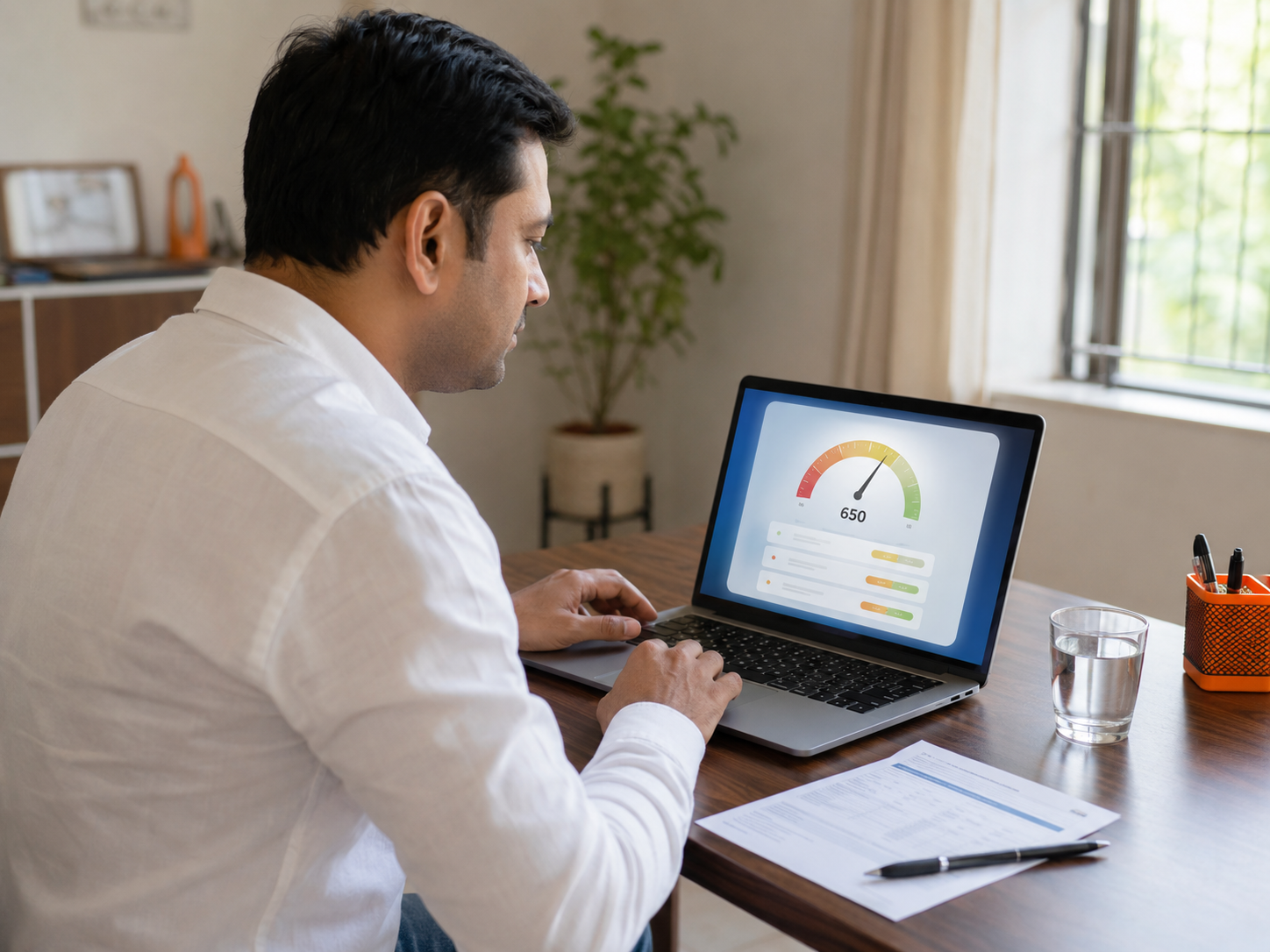
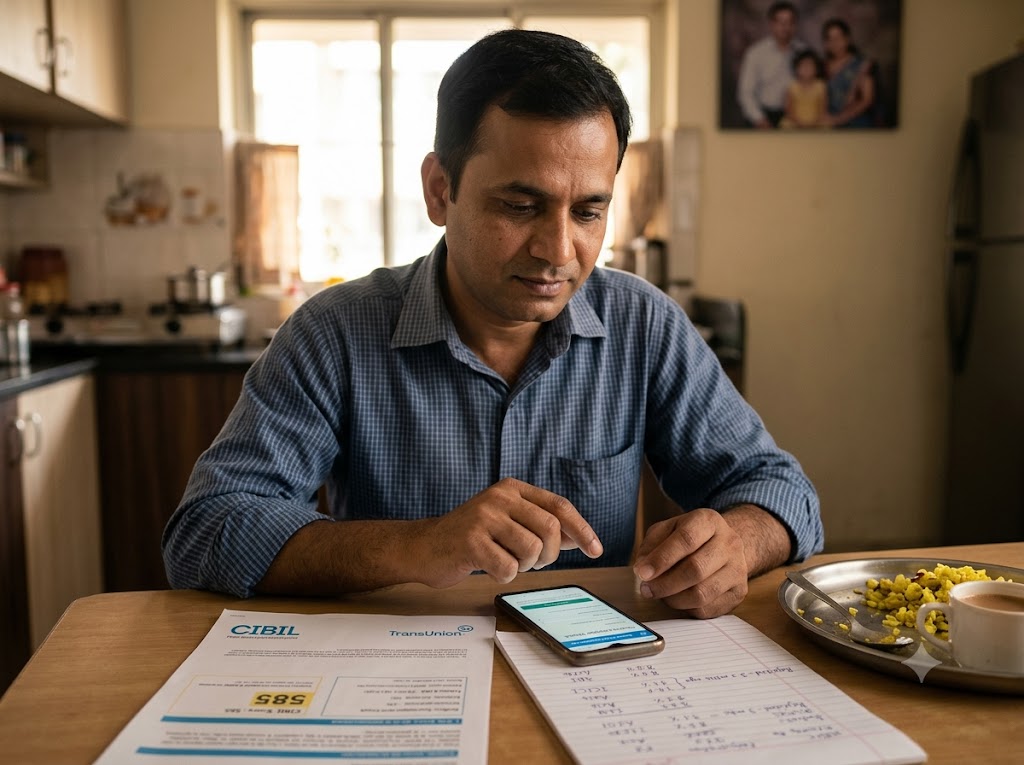
CIBIL score required for personal loan approval isn't one fixed number. There's no universal CIBIL threshold for personal loan approval. Each lender applies its own underwriting policy, and score is only one factor among several, alongside income, existing obligations, and repayment history. Score alone doesn't decide it. Income, job stability, and existing EMI load matter too.
Mohit Juneja
Reviewed by FREED India, Debt Resolution Specialists

 4.7/5
4.7/5 ₹3,200Cr+
 20,000+
 20,00,000+4.7/5₹3,200Cr+20,000+20,00,000+
KEY TAKEAWAYS

CIBIL score required for a personal loan: 750 or higher is ideal, 700 to 750 is workable at banks, 650 or higher is often enough at NBFCs.
CIBIL score runs from 300 to 900. A stronger credit profile may improve your chances of approval and may help you qualify for more favourable terms, depending on the lender.
Multiple hard enquiries within a short period can affect your credit profile and may influence how lenders assess your application.
What CIBIL Score Do You Need for a Personal Loan?
Most banks generally want 700 to 750, and some cite figures as specific as 710 or 750 depending on their internal policy. NBFCs and digital lenders tend to work with lower floors, often 650, sometimes as low as 600 for smaller-ticket amounts. The score itself runs on a scale from 300 to 900. It's worth reading how NBFCs handle personal loans for low CIBIL scores if that lower end of the range is closer to where you actually stand.
Here's the misconception worth clearing up first: there's no single universal minimum that applies across every lender. Each bank and NBFC sets its own internal policy, weighing its own risk appetite alongside the score itself. That's why two people with the same score can get very different outcomes depending on where they apply.
This splits into two kinds of readers here. Someone about to apply, looking to understand where they stand before submitting anything, and someone who's already been rejected and wants to know what actually went wrong and what comes next. Both angles get covered in the sections ahead.

Wondering Where You Actually Stand?
A clear read on your credit profile before you apply anywhere.
Talk to FREED's TeamWhy Lenders Set a Minimum CIBIL Score
Personal loans are unsecured, no collateral backs them, which makes your CIBIL score the main risk signal a lender has to work with.
The score reflects your past repayment behaviour, late EMIs and high credit utilisation both drag it down over time. A lower score reads as higher default risk to a lender, and that risk gets priced in, either through outright rejection or a steeper interest rate to compensate. None of this is personal or punitive. It's underwriting math, the same calculation every applicant goes through, regardless of the reasons behind a lower number. It helps to understand how your income and EMI load feed into this decision through FOIR, since score is only one half of what a lender is actually weighing.
Here's how to tell where you actually stand before you apply.
Signs Your CIBIL Score May Not Meet Personal Loan Requirements
Check these before you apply, not as a diagnosis, just a practical read on your odds.
- A recent EMI or credit card payment was missed or paid late.
- Your credit utilisation sits above 30% of your available limit.
- You've applied for multiple loans or cards in the last 3 to 6 months.
- Your credit history is thin or shows as NH or NA, meaning too little activity to generate a full score.
- An old settled or written-off account is still showing as active on your report.
- Your existing EMI obligations consume a large share of your take-home income.
That last one is worth sitting with. If it's the case, the real issue often isn't a low score at all, it's too many EMIs competing for the same income, which is a different problem with a different fix, covered further down.

Freed Expert Tip
let one clean repayment cycle season before reapplying after a rejection. Reapplying too soon just adds another hard enquiry on top of an already fresh one.
Check your credit before reapplyingHow Lenders Check Your CIBIL Score for a Personal Loan
The lender pulls your report, checks your score alongside your full repayment history, and verifies your income against your declared and existing EMI obligations before deciding to approve, reject, or offer reduced terms instead. The steps below walk through this in more detail, and it's worth reading whether checking your own CIBIL score actually reduces it if that's a concern before you start this process yourself.
Lender Pulls Your Report. As part of the application and underwriting process, the lender may access your credit report from one or more credit information companies. This is instant and automated.
Score Plus History Checked. Your score, repayment history, and open accounts get reviewed together, not the score alone in isolation.
Income and EMI Load Verified. FOIR, fixed obligation to income ratio, how much of your salary already goes toward EMIs, gets checked against what you've declared and what's actually on your report.
Decision: Approve, Reject, or Counter-Offer. You either get standard terms, a rejection, or a reduced amount at a higher rate instead.

What the Law Says
Under RBI's current framework, credit information is updated on a fortnightly basis, with reference dates of the 15th and last day of the month. The information may still take time to appear in your report after the lender submits it. It's worth reading when your CIBIL score actually updates for the full mechanics behind this timing.
Talk to FREED's team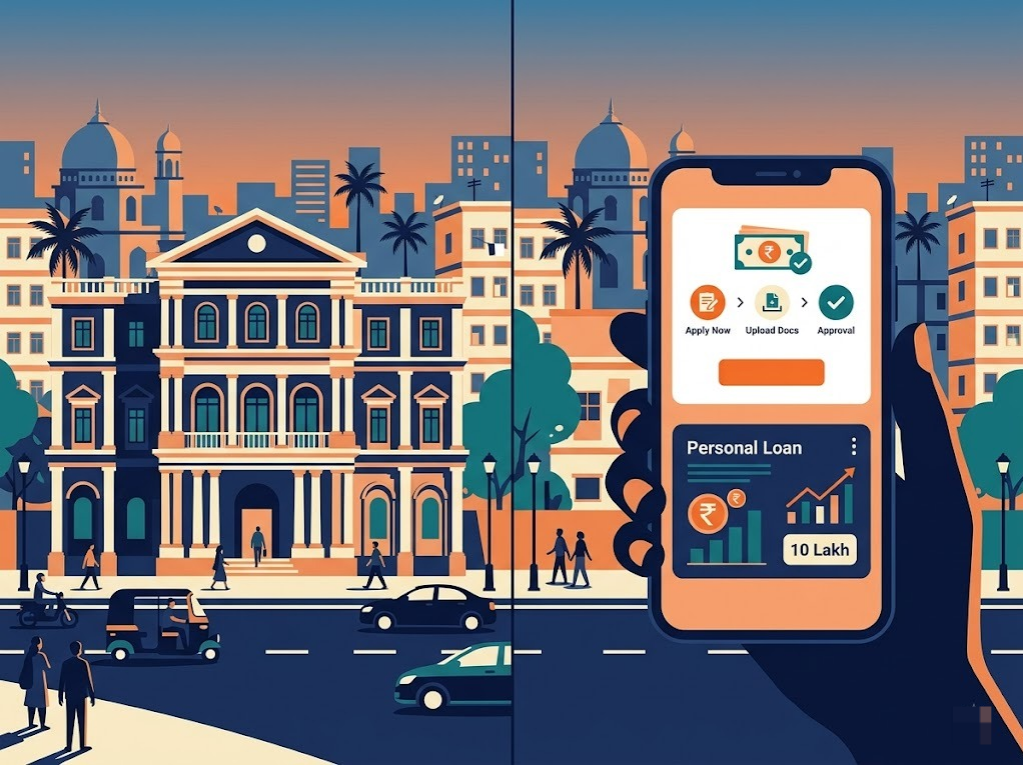
CIBIL Score Bands: What Banks vs NBFCs Actually Accept
Lender Type | Typical Minimum CIBIL | Rate Impact at Lower Scores |
Banks | 700 to 750+ | Interest rates aren't determined by CIBIL Score alone, lenders weigh it together with income, loan tenure, and their own risk policy. |
NBFCs | 650, sometimes lower | Higher rate, smaller loan amount |
Digital lenders | 600 to 650 for small-ticket | Highest rate band, steep premium |
Rates and ranges shown are indicative. Final terms are decided by the bank. FREED is not a Loan Provider. No outcome is guaranteed. Please verify directly with your bank.
See Where You'd Realistically Fit
Check your score against these bands directly.
Talk to FREED's Team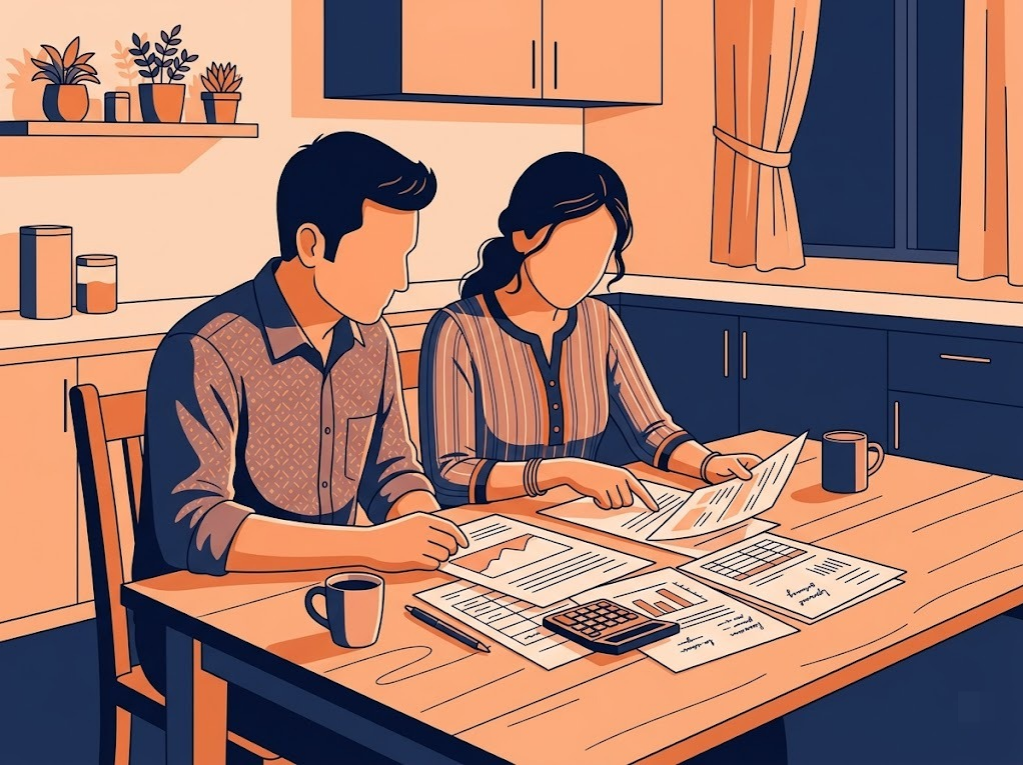
What Are Your Options if Your CIBIL Score Falls Short
Improving your score first is worth trying if time allows. On-time payments, keeping utilisation under 30%, disputing any errors on your report, and holding off on fresh applications for 3 to 6 months all genuinely move the number, just not overnight.
But if the real issue isn't one bad score, it's too many existing EMIs stretched across your income, debt consolidation is a different, often faster fix. Consolidation may simplify repayment and, if it helps you manage your obligations consistently, responsible repayment over time can support your credit profile. The effect on your CIBIL Score varies by individual circumstances. This applies to readers who are still current on their payments, not someone already in default. It's worth reading how a personal loan can still work even for CIBIL defaulters if your situation has already gone further than a simple score issue.
If repaying existing debts in full has become genuinely difficult, settlement is a separate debt-resolution option. It can have significant consequences for your credit profile and should not be treated as equivalent to normal loan closure. This reader is looking for a new loan, not resolving an old default, so that's as far as this section goes on that point.
See If Debt Consolidation Fits Your Situation
One lower EMI, better CIBIL over time.
Start My Debt AssessmentHow FREED Helps
FREED's Debt Consolidation Program, also called Reduce My EMI, starts with a full assessment of your financial profile, every loan, your income, your existing obligations. From there, FREED matches you to a suitable lending partner from its network, and that partner's loan pays off your existing eligible debts instantly. You're left with one loan, one EMI, one lender, instead of several competing for the same income every month.
FREED gets the consolidation done for you, rather than simply handing over advice and leaving the rest to you. The fee is success-based, charged only once the consolidation is actually completed. Successful consolidation does not guarantee an immediate improvement in your CIBIL Score. Over time, consistent repayment and lower outstanding utilisation may support a healthier credit profile.
For anyone in genuine default rather than simply overloaded with EMIs, FREED's Debt Resolution Program is the separate path for that, worth exploring on its own rather than folded into this one. FREED has counselled over 20,00,000 customers, settled more than 20,000 accounts, and managed over ₹3,200 Cr in debt across both programs.
Are You in a Loan Trap? Quick Check
Move the slider to your total EMIs as a % of monthly salary. See your debt stress level instantly.
EMIs as % of Monthly Salary
Tips to Improve Your CIBIL Score Before You Apply
- Pay every EMI and bill on time, ideally through auto-debit so nothing slips.
- Keep your credit utilisation under 30% of your available limit.
- Avoid applying to multiple lenders in a short window, each hard enquiry costs roughly 5 to 10 points.
- Check your report for errors and dispute anything incorrect directly with the bureau.
- Let your score season for a few months before reapplying rather than going straight back in after a rejection.
Hard enquiries are recorded on your credit report and can affect your credit profile. Avoid unnecessary applications. If you're starting from a genuinely low number, it's worth reading the fuller path on increasing a CIBIL score from 300 to 750, since that covers the longer rebuild in more depth than fits here.
Sources
Claim | Source |
|---|---|
CIBIL scale runs from 300 to 900 | Credit bureau standard (CIBIL/Experian/Equifax) |
Most banks want 700 to 750+ for personal loans | Market convention + FREED customer underwriting data |
Some banks cite specific minimums like 710 or 750 | Bank-specific internal policy (market observation) |
NBFCs work with 650, sometimes as low as 600 | FREED underwriting + NBFC market practice |
Digital lenders accept 600–650 for small-ticket loans | Fintech lending market standard |
Hard enquiry drops score by roughly 5–10 points | Credit bureau impact methodology + banking industry standard |
Personal loans are unsecured, no collateral backs them | Lending product definition |
FOIR (fixed obligation to income ratio) is checked during underwriting | RBI lending framework + bank underwriting practice |
Under RBI's framework, credit info updates fortnightly (15th and last day of month) | RBI regulatory guidelines |
Late EMIs and high credit utilisation drag down score over time | Credit bureau scoring methodology |
Lower score reads as higher default risk to lenders | Lending risk assessment standard |
Consolidation does NOT damage CIBIL score; score improves after consolidation | FREED program outcomes + customer data |
Settled status stays on credit report up to 7 years | RBI guidelines + CIBIL reporting policy |
On-time payments, low utilisation under 30%, avoiding multiple applications move the score | Credit bureau scoring factors + market practice |
Checking your own CIBIL score is a soft enquiry, doesn't lower score | Credit bureau policy + RBI framework |
A lender's hard enquiry during application may affect credit profile | RBI/credit bureau standard |
FREED has counselled 20,00,000+ customers | FREED internal company data |
FREED has settled 20,000+ accounts | FREED internal company data |
FREED has managed ₹3,200 Cr+ in debt | FREED internal company data |

Mohit Juneja
Mohit Juneja writes educational content at FREED on debt management, credit scores, loan repayment, and borrowing best practices. His content is shaped by expert insights and industry knowledge, helping readers better understand their financial options and make informed decisions.
mohit.juneja@freed.care

FREED is India's trusted loan management platform. Founded in 2020 and headquartered in Gurugram, FREED has counselled 20 lakh+ people on personal loans, credit cards, and app loans. FREED charges fees only on successful settlement, not upfront. FREED does not handle secured loans (home loans, car loans, gold loans).
Media Mentions