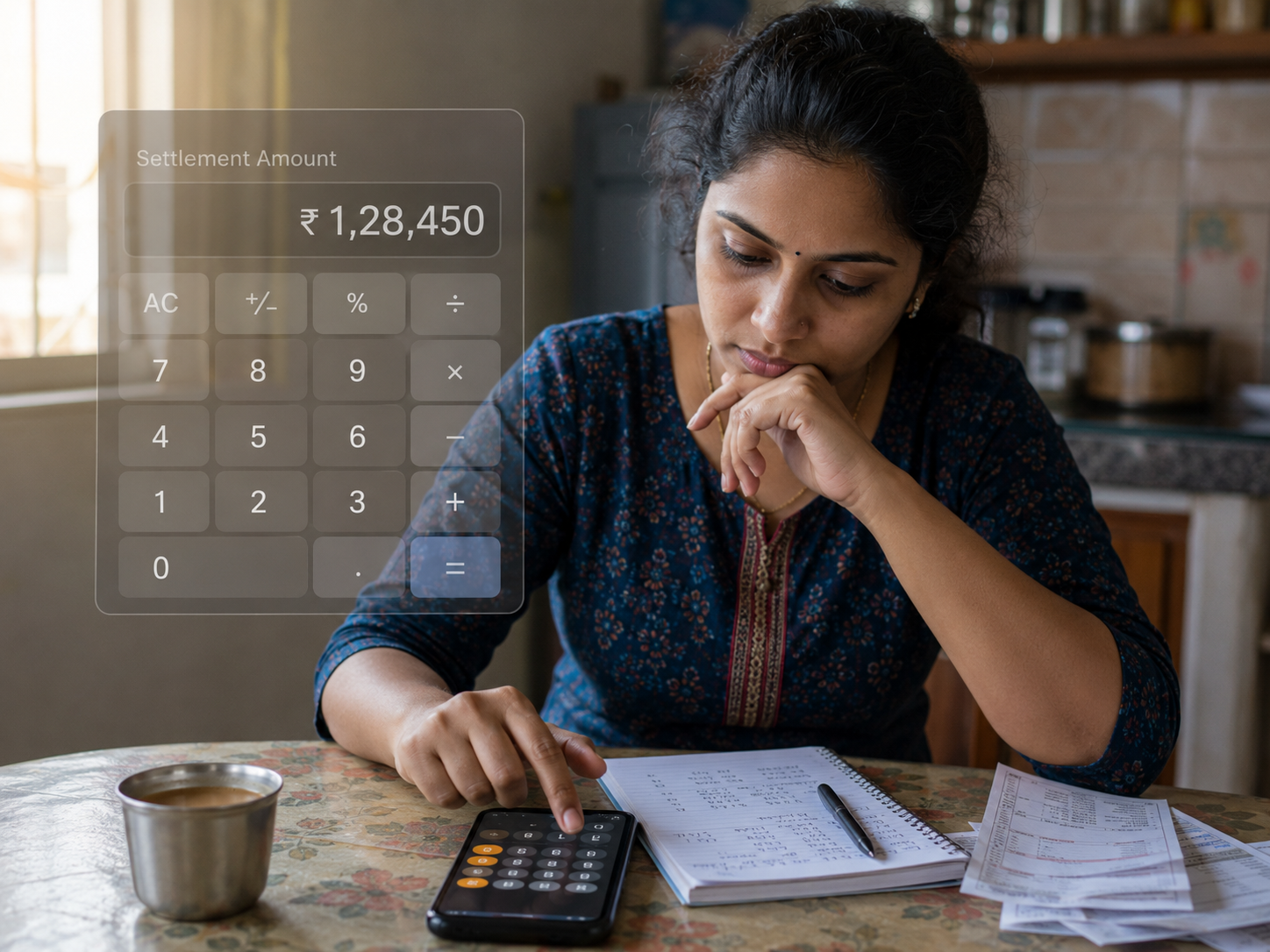
How to Get a Personal Loan for CIBIL Defaulters
How to get a personal loan for CIBIL defaulters means finding banks or NBFCs that look beyond your credit score, using your income, a co-applicant, or collateral to assess your ability to repay. Traditional banks mostly say no. But NBFCs, secured loans, and peer lending offer real paths, even with a damaged credit history.
Mohit Juneja
Reviewed by FREED India, Debt Resolution Specialists
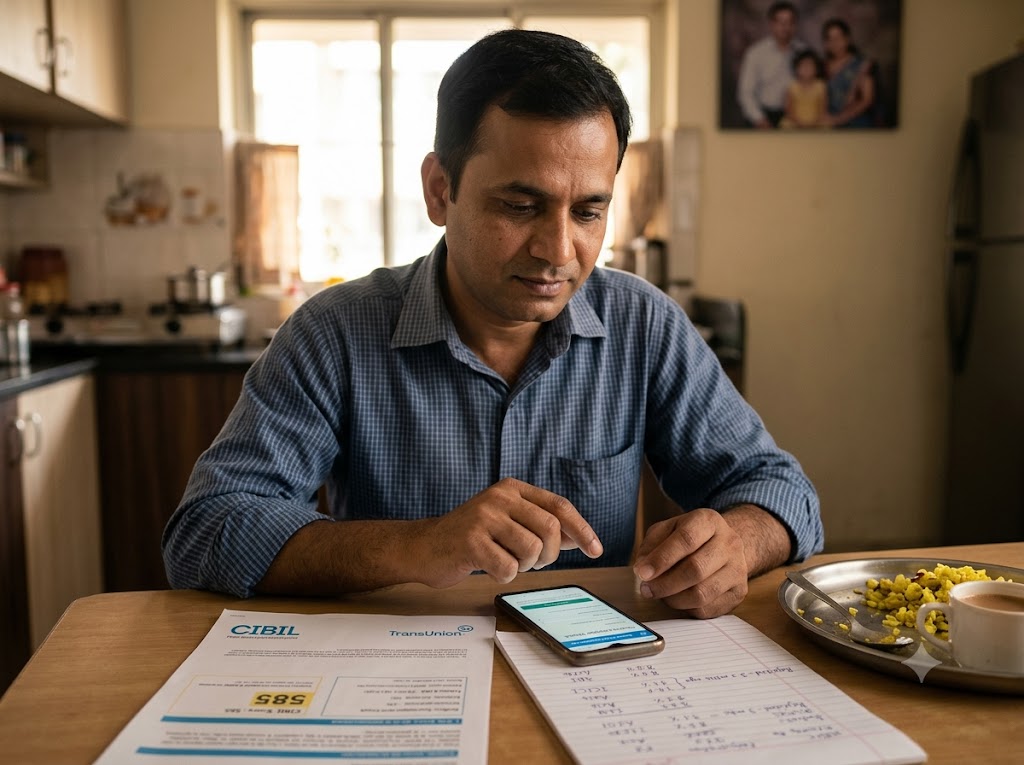
 4.7/5
4.7/5 ₹3,200Cr+
 20,000+
 20,00,000+4.7/5₹3,200Cr+20,000+20,00,000+
Key Takeaways

Getting a personal loan as a CIBIL defaulter is hard but not impossible. NBFCs and fintech lenders have more flexible criteria than traditional banks
Lower CIBIL scores generally make unsecured loan approvals more difficult, although eligibility varies by lender
Secured loans against gold, fixed deposits, or property remain available even with a poor score
A co-applicant with a good credit history can significantly improve your approval chances
Getting another loan before resolving your existing default often makes things worse, not better
Why Do Banks Reject Personal Loans for CIBIL Defaulters?
Your CIBIL score is a number between 300 and 900. It is the first thing any bank or NBFC (non-banking financial company) looks at when you apply for a loan. Most banks need a score of 685 or above for unsecured personal loans. Below 600, you are classified as high-risk and most unsecured loan doors close.
The word "defaulter" has a specific meaning. It refers to borrowers who have missed EMIs for 90 or more days. Banks track this as DPD 90+ (days past due, meaning you are 90 or more days late on payment). Once that threshold is crossed, the bank reports it to CIBIL and your score drops. Depending on your starting point and the size of the loan.
One thing many people do not know: CIBIL does not maintain a separate "CIBIL defaulter list." It only stores what your bank reports. The RBI Wilful Defaulter List is different and only applies to borrowers who have deliberately refused to repay amounts above Rs. 25 lakh. Most personal loan defaulters are not on this list.
So no, you are not permanently blacklisted. Your score is damaged, but it is not frozen forever.
What Loan Options Are Available for CIBIL Defaulters?
You have fewer options than a borrower with a clean credit history. But you are not out of options entirely. Here is what actually exists, from lowest risk to highest cost.
- 1
Secured loans, gold, FD, property
These loans use an asset you own as security. The bank holds that asset and is more willing to approve the loan even if your CIBIL score is low, because they can recover the money from the asset if you miss payments. Gold loans process the fastest, often the same day, and most do not require a credit check at
- 2
NBFC loans
NBFCs (non-banking financial companies) have softer eligibility rules than banks. Some accept CIBIL scores of 650 or even lower if your income is stable and the default is not very recent. The trade-off is cost. NBFCs typically charge 3 to 7% more than standard bank rates. Examples of NBFCs that work with lower scores include Bajaj Finserv, Muthoot Finance, and
- 3
Co-applicant or guarantor loan
Adding someone with a strong CIBIL score and stable income as a co-applicant changes the risk picture for the bank. Your score matters less when a creditworthy co-applicant is on the application. Be honest with the co-applicant: they are jointly liable for the loan. If you miss payments, it damages their credit too.
- 4
Peer-to-peer (P2P) lending
P2P lending in India connects borrowers to individual lenders online. The RBI has regulated P2P lenders. Amounts are smaller and interest rates are high, sometimes 20 to 36% or more. It is not an ideal first choice, but it exists when other doors are closed.
- 5
Start small and build a track record
Applying for a small loan of Rs. 50,000 to Rs. 1,00,000 from an NBFC, repaying it on time, then applying for more creates a positive credit trail. It takes time, but it works.

FREED Expert Tip
If a large share of your take-home salary is already going toward loan repayments , taking a new loan adds more pressure, not less. Talk to FREED first to understand whether resolving existing debt is a better step than borrowing more.
Talk to a FREED ExpertHow to Improve Your Chances of Loan Approval With a Low CIBIL Score
Before you apply anywhere, do these things. They will not fix your CIBIL overnight, but they make a real difference to your approval odds.
Pull your CIBIL report first. You are entitled to one free report per year under RBI rules. Read it carefully. Banks are required to update credit bureau records within 30 days of any status change. Errors do happen, and a wrongly reported default or an account that was settled but still shows as active can be disputed and corrected for free.
Clear smaller overdue dues first. If you have multiple accounts in default, even partially clearing a smaller one changes its status on the report. Every positive update helps.
One application at a time. Each time you apply for a loan, the lender runs a hard inquiry on your CIBIL report. Multiple loan applications in a short period may affect how lenders assess future applications.
Show your income clearly. When CIBIL is low, NBFCs weigh income stability heavily. Bring salary slips, bank statements, and GST filings if self-employed. The stronger your income proof, the better your case looks beyond the score.
Apply for a lower amount. A smaller loan request is a lower risk for the lender. Start with what you genuinely need, not what you hope to get.
These steps improve your chances of getting a new loan approved. They are not the same as resolving the underlying default. That is a separate process covered below.
Are You in a Loan Trap? Quick Check
Move the slider to your total EMIs as a % of monthly salary. See your debt stress level instantly.
EMIs as % of Monthly Salary
What Happens If You Take a Loan Without Resolving the Default?
This is the part most loan guides skip. Taking a new loan on top of an unresolved default usually makes things worse.
Here is why. The existing bank keeps reporting the default to CIBIL every single month. The default continues to remain on your credit report. The new loan adds to your monthly EMI burden. If you struggle to repay the new loan too, you now have two active defaults instead of one. The spiral moves faster.
The right order is: resolve the existing default first, then borrow fresh.
If repaying the full outstanding amount is genuinely not possible, settlement may be the right path. Settlement is not something a borrower chooses out of preference. Banks and financial companies only consider it when you are in genuine financial difficulty and are truly unable to repay the full amount. It is a last resort, not a shortcut.
FREED helps people understand whether settlement makes sense for their situation and handles the process if it does. No pressure, no commitment to start.

Is a New Loan the Right Move for You?
Talk to a FREED counsellor, understand your options before borrowing more.
Get My Free ConsultationHow Loan Settlement Helps Clear a Default and Rebuild CIBIL
Settlement resolves the default by having the bank accept a reduced lump sum as the final payment. The account is then marked "Settled" on your CIBIL report.
"Settled" is not the same as "Closed." Closed means you paid in full, no mark. "Settled" means the bank accepted less than the full amount. The "Settled" status stays on your CIBIL report for up to 7 years from the date of closure, not from the date of the original default. This distinction matters.
FREED's role in this is specific. FREED handles the back-and-forth with the bank or NBFC, prepares the required documents, and guides the full settlement process from start to finish. FREED helps borrowers settle their unpaid/overdue loans at up to 50%* less. . The exact figure depends on the outstanding amount and the bank's assessment.
*Settlement waiver up to 50% is indicative, not a guarantee.

What the Law Says
Under RBI guidelines, banks and financial companies must update credit bureaus within 30 days of any status change. If your settled account has not been updated on your CIBIL report, you can file a dispute directly with CIBIL to get it corrected.
Talk to a FREED ExpertTips That Actually Help When Applying as a CIBIL Defaulter
Start with your CIBIL report, not the loan application. Check for errors first. A wrongly reported account or an outdated status can drag your score down without any actual new default on your part. Fixing errors is free and often fast.
Apply to one lender at a time. Multiple applications in a short period look bad to every lender who sees your report and each one adds a hard inquiry that drops your score slightly. One application, wait for the outcome, then decide next steps.
Income proof is your strongest card when CIBIL is low. Salary slips, three to six months of bank statements, GST returns if self-employed. Show stable cash flow clearly. NBFCs weigh this heavily when the score is not great.
If a co-applicant is not possible, a guarantor works similarly. The legal liability structure is slightly different, but the effect on the application is the same: a creditworthy name alongside yours reduces the lender's risk.
Do not borrow to repay a loan. That cycle compounds the problem fast. If the existing debt feels unmanageable, talk to FREED before adding to the stack.
Already Defaulted?
Understand Your Options. FREED helps you figure out the fastest way out of this.
Book a Free Call
Mohit Juneja
Mohit Juneja writes educational content at FREED on debt management, credit scores, loan repayment, and borrowing best practices. His content is shaped by expert insights and industry knowledge, helping readers better understand their financial options and make informed decisions.
mohit.juneja@freed.care

FREED is India's trusted loan management platform. Founded in 2020 and headquartered in Gurugram, FREED has counselled 20 lakh+ people on personal loans, credit cards, and app loans. FREED charges fees only on successful settlement, not upfront. FREED does not handle secured loans (home loans, car loans, gold loans).
Media Mentions