Let’s talk
about Loans
















75,000+
Customers served

₹450 Cr+
Total savings

4.8/5
Google rating
Browse Topics
5 CategoriesLatest Articles

Free Debt Consolidation Services: What Is Really Free
Free debt consolidation services are help with combining loans that costs you nothing at that step, such as an annual credit report or a counselling talk. The consolidation loan itself always costs interest, and fees may apply, so “free” needs checking.

How Debt Management Companies Make Money (and What They Charge)
Debt management companies make money by charging you a fee, being paid by the lender, or both, for services like counselling, a repayment plan, loan matching or settlement. The fee model decides how much you pay and what you risk if it doesn’t work.

Top Debt Management Programs in India
The top debt management programs in India fall into five types: credit counselling, a plan change with your bank, debt consolidation, debt settlement and legal routes. The best one depends on whether you can still repay, and no single program is best for everyone.

Are Debt Management Companies a Good Idea?
Debt management companies are a good idea when they do something you can’t do yourself, at a cost you can see in writing, with your money kept safe. They’re not a good idea when the fee is unclear, the plan only stretches your loan, or your bank would help if you asked.

Personal Loan for CIBIL Score of 650: Which Banks and NBFCs Will Approve & at What Rate?
You searched this because something already feels off. Maybe a few EMIs slipped over the last few months. Maybe a credit card bill kept rolling for a while. And now your CIBIL says 650 and you're wondering if anyone will still lend to you. Yes, they will. But before you take another loan, you deserve to know what it actually costs, and whether it actually helps.

Mardia Chemicals and Section 17(2): How the Pre-Deposit Rule Was Struck Down
Under the original Section 17(2), an applicant was required to deposit 75% of the amount of debt due, subject to the statutory formulation, before the application could be entertained. The Supreme Court struck that down as unconstitutional, in the same landmark ruling that otherwise upheld SARFAESI entirely. Here's that history, and what a borrower actually faces today.
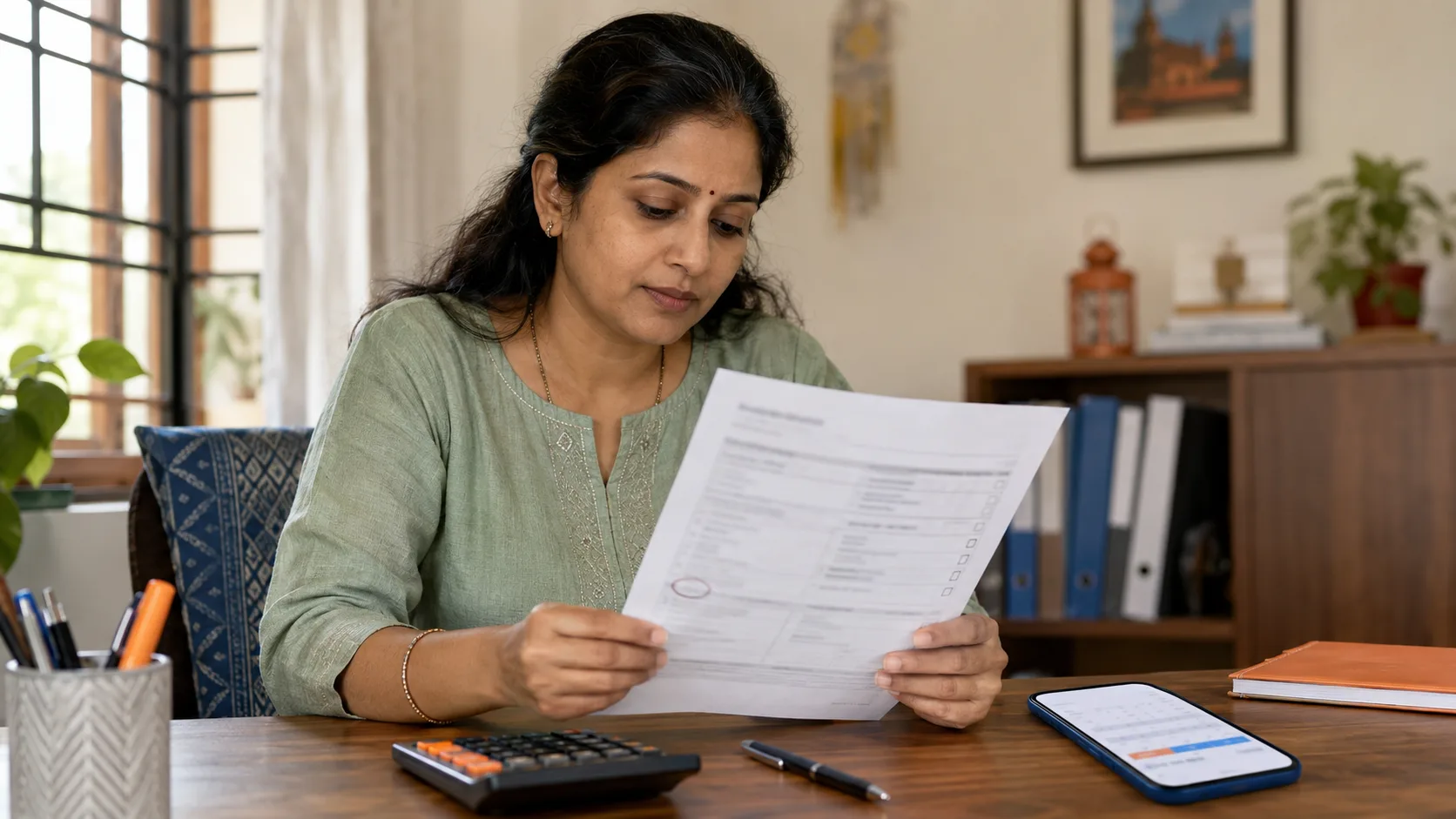
SBI EMI Moratorium: Eligibility, Process, and What It Actually Costs
An SBI EMI moratorium is a formal approval from State Bank of India that lets you temporarily pause EMI payments on a home loan, personal loan, auto loan, or education loan during a period of genuine financial difficulty. The pause does not cancel the debt. Interest continues to build on the outstanding principal every day and gets added to what you owe.

Unlock the secret to a good credit mix
Credit mix is one of the five official factors in a credit score, and also one of the most commonly overcorrected. Here is what it actually means, how much it genuinely contributes, and why taking on a loan purely to "improve" it is usually the wrong move.


Make smarter financial decisions.
Loan Settlement | Loan Consolidation | Credit Insights | FREED Shield
Get Started