Let’s talk
about Loans
















75,000+
Customers served

₹450 Cr+
Total savings

4.8/5
Google rating
Browse Topics
5 CategoriesLatest Articles

Small Steps Big Changes : Setting Realistic New Year Goals for Debt Relief
New Year resolutions about debt rarely stick because they are too big and too vague. Here is how to set realistic, achievable debt relief goals for the year ahead, broken into small steps that actually compound into real financial change.

Understanding and Escaping Debt Trap
Learn about Debt Traps, their causes, real-life scenarios, myths, and strategies to escape and prevent them. Secure your financial future with informed decisions and expert guidance from FREED, India’s 1st Debt Relief Platform.

Financial Freedom: Here's Everything You Need to Know
Imagine waking up without worrying about your next EMI. Or planning a trip without checking your bank balance five times. That's financial freedom -and it's more achievable than you think. Here's your simple guide to getting there.
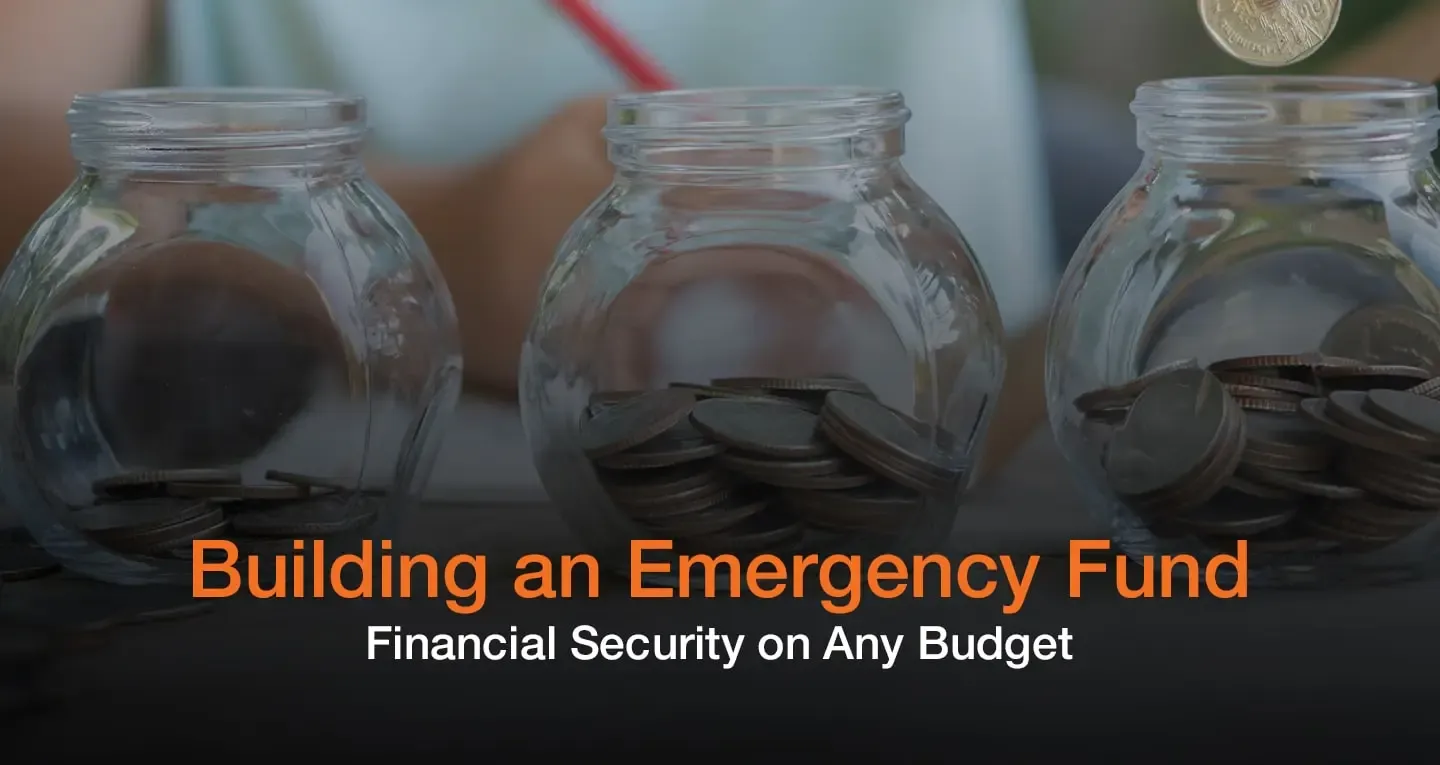
Building an Emergency Fund: Financial Security on Any Budget
Job loss. Medical bill. Bike breakdown. Life throws surprises and without a safety net, one bad month can push you into debt. Here's how to build an emergency fund, even if money is tight.
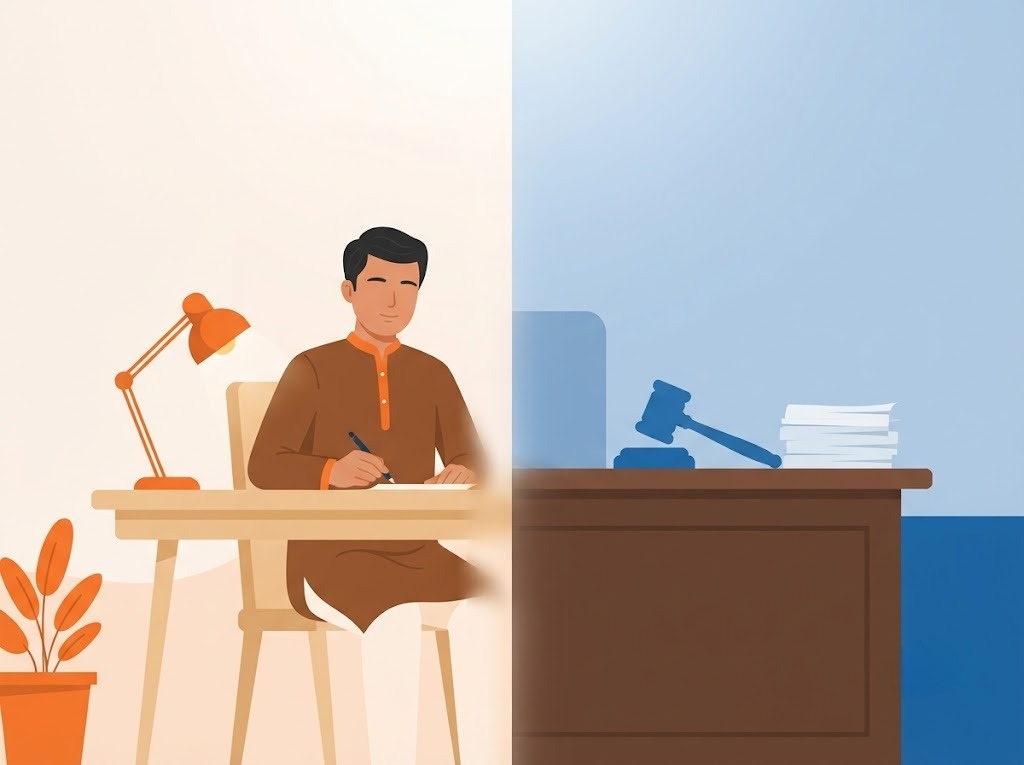
Debt Settlement vs Bankruptcy in India: Which One Is Right for You?
Debt settlement vs bankruptcy: both are paths out of a debt crisis, but they work completely differently. Debt settlement (also called OTS, or One Time Settlement) is a private negotiation where you pay a reduced lump sum to settle a loan. Bankruptcy, or personal insolvency under the IBC (Insolvency and Bankruptcy Code, 2016), is a court process where a tribunal manages your debts and assets. Settlement is faster, private, and keeps your assets intact. Insolvency is slower, public, and can involve losing property.
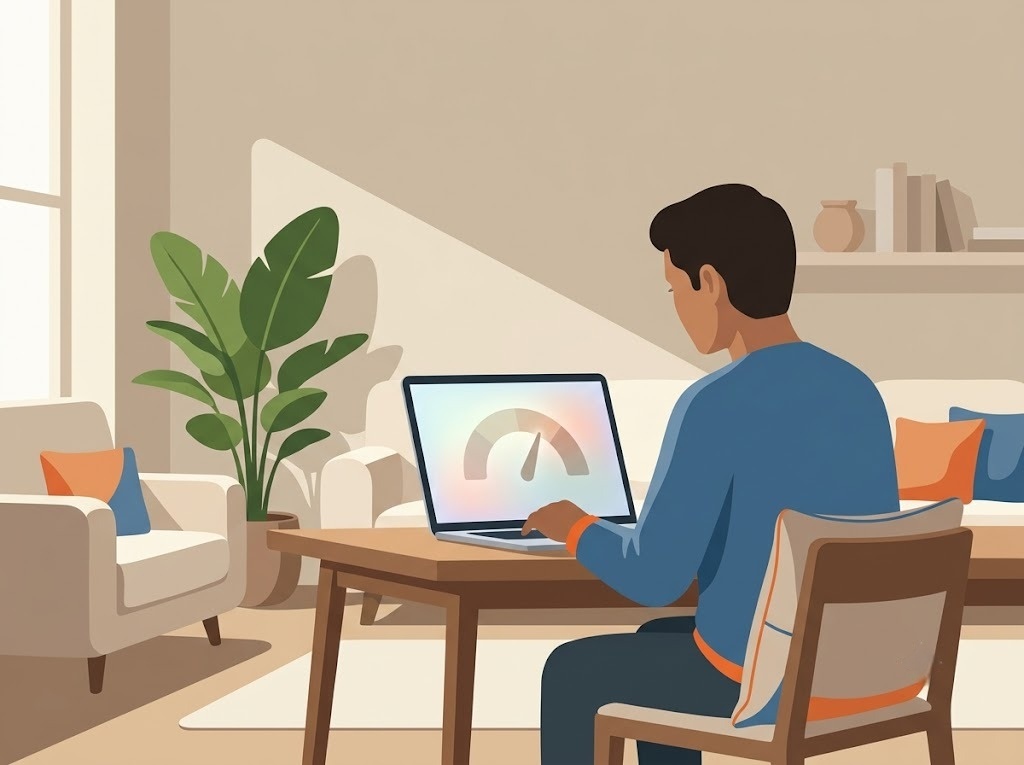
Personal Loan Options for a 650 CIBIL Score in India
Getting a personal loan with a CIBIL score of 650 is possible in India. NBFCs (non-bank loan companies) and fintech platforms approve from this level. Many banks generally prefer applicants with stronger credit profiles, although eligibility varies by lender. Approval at 650 is achievable, but it comes at a meaningfully higher cost than at 700 or above.
बकाया राशि का हिंदी में मतलब: कर्ज और क्रेडिट कार्ड दोनों के लिए
बकाया राशि माने आज की तारीख में आप बैंक को कितना पैसा देने वाले हैं: वह पूरी रकम जो अभी भी बाकी है। कर्ज में यह वह मूल राशि और ब्याज होता है जो अभी चुकाया नहीं गया। क्रेडिट कार्ड में यह वह रकम होती है जो आपने खर्च की लेकिन पूरा भुगतान नहीं हुआ। यह नंबर रोज बदलता है।

What Is Minimum Due in ICICI Credit Card And What Does It Actually Cost You?
The minimum due in an ICICI credit card also called Minimum Amount Due or MAD is the smallest payment you can make each month to avoid a late payment charge. For most ICICI cards, this is 5% of the total outstanding balance, plus any unpaid EMI (equated monthly instalment) principal, interest, fees, and previous unpaid dues. Paying MAD keeps your account active. But interest keeps running on the rest.


Make smarter financial decisions.
Loan Settlement | Loan Consolidation | Credit Insights | FREED Shield
Get Started