Let’s talk
about Loans


75,000+
Customers served

₹450 Cr+
Total savings

4.8/5
Google rating
Browse Topics
5 CategoriesCredit Score

How to Build a Credit Score: What Counts and Your First 12 Months
How to build credit score comes down to one thing: borrowing a small amount and repaying it on time, every time, so banks can see your record. Your credit score is built from credit accounts reported by lenders to credit bureaus. If you have no credit history, a first credit card or loan that is reported and repaid responsibly can help establish one. The time taken for a score to appear varies by lender reporting and bureau requirements.

CIBIL Score Check Karna Hai? Free Step-by-Step Guide
CIBIL score check karna hai? You only need your PAN card, the mobile number linked to it, and 2 minutes. CIBIL’s official website gives one full report free every year. Your bank’s app and FREED’s Credit Insights also show your score for free. Checking your own score never lowers it.
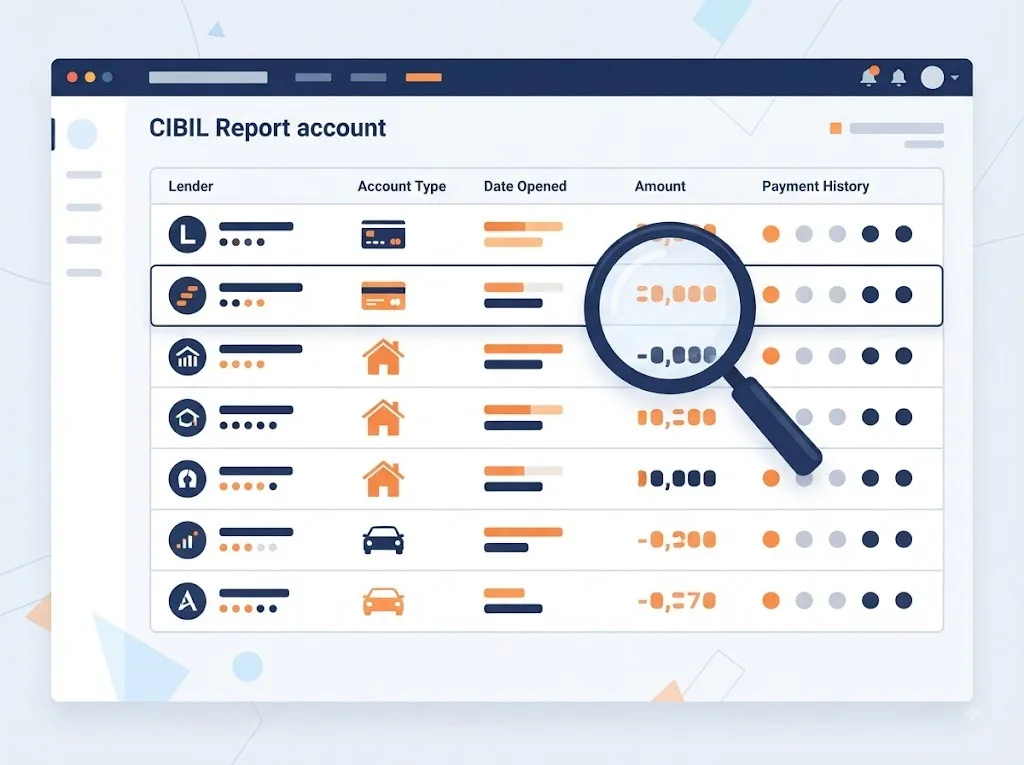
CIBIL Report Details: What Each Section Means
Your CIBIL Report combines your CIBIL Score with personal, contact, employment, account and enquiry information. The Accounts and Enquiries sections contain the credit-behaviour information used to calculate your score, while the other sections help identify and contextualise your credit profile. The report brings together your identity, employment and credit information. Your CIBIL Score is calculated from credit-behaviour information, particularly the Accounts and Enquiries sections.

780 CIBIL Score: What It Gets You & What Still Might Block You
Yes, 780 is a good CIBIL score. Lenders usually treat anything from 750 up as strong, and Google Pay's own CIBIL bands put 771 to 790 in the "prime plus or good" group. But a good score isn't a guaranteed yes. Approvals at 780 still fail for three common reasons: your income can't comfortably carry the new EMI, you've applied for credit too often recently, or the lender's own rules rule you out.
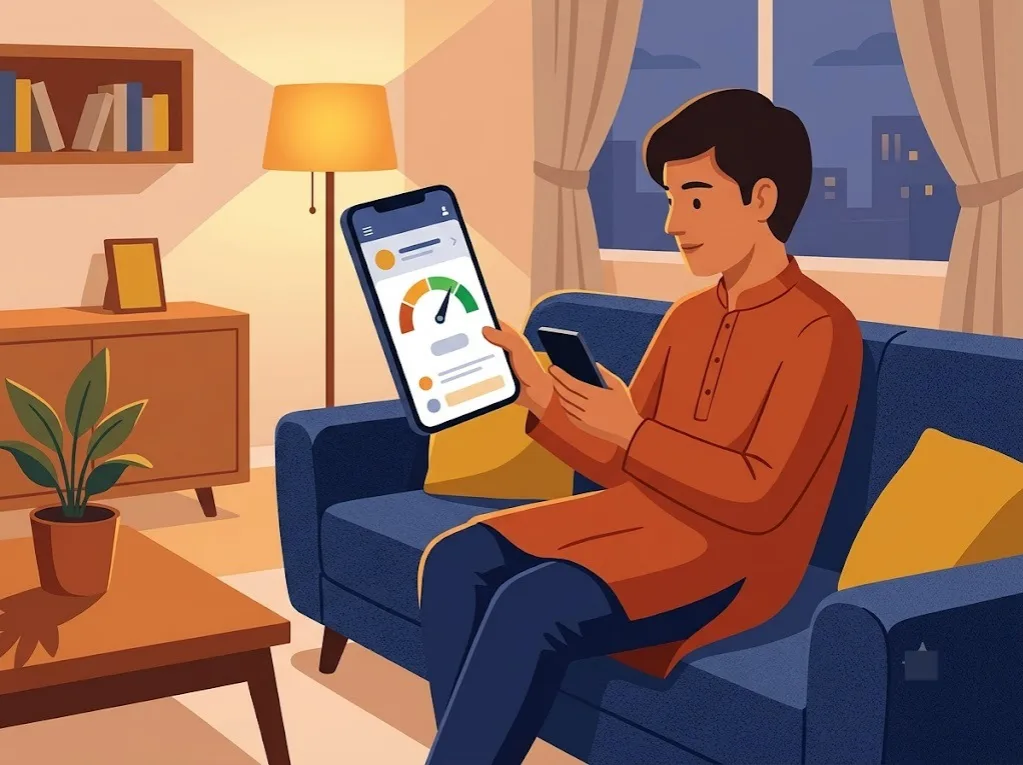
How to Check CIBIL Score on Google Pay: Step-by-Step Guide
Checking your CIBIL score on Google Pay means opening the app, tapping the credit score section, and viewing your score for free within a few taps, without needing to visit the official bureau website or enter your PAN card details separately.
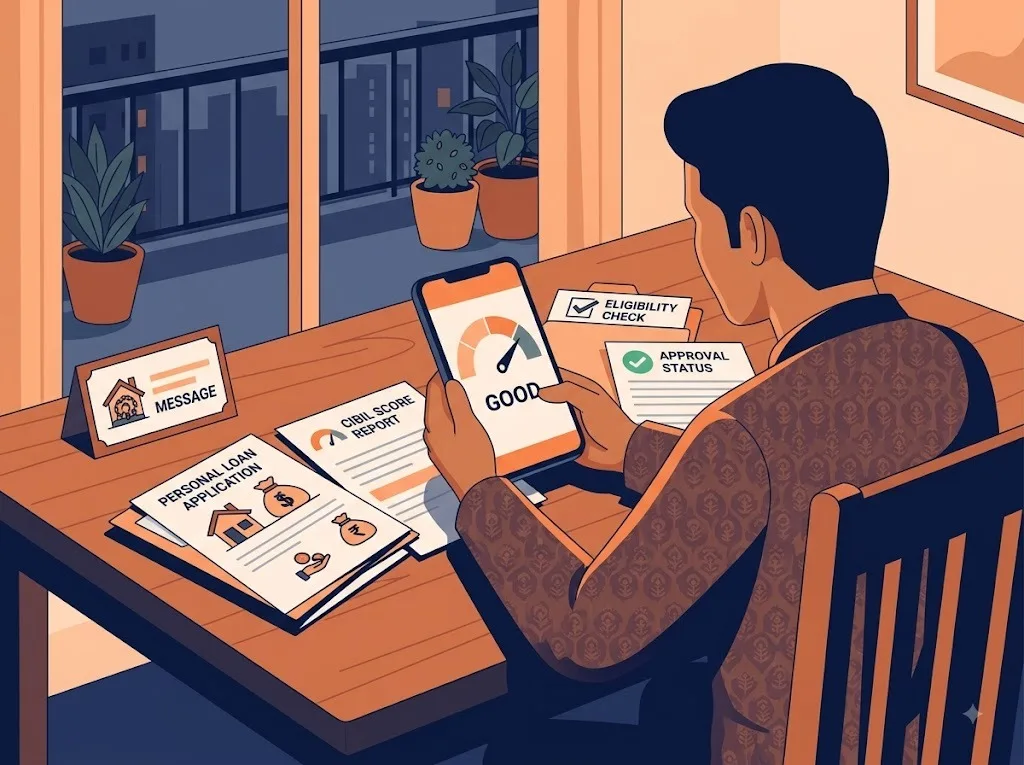
Bajaj Finserv CIBIL Score Requirements: What Lenders Actually Check
Bajaj Finserv asks for a CIBIL score of 685 or higher for its personal loan, according to its own website (as of October 2026). The score is only the first check: your income, existing EMIs and recent loan applications also decide the answer. FREED is not affiliated with Bajaj Finserv.

Experian Credit Report PDF Password: How to Find It
The Experian credit report PDF password is usually the first four letters of your first name in capital letters, followed by the last four digits of your registered mobile number. This format applies when your report arrives as an email attachment from a lending app or platform, not when you download it directly from Experian's own site.
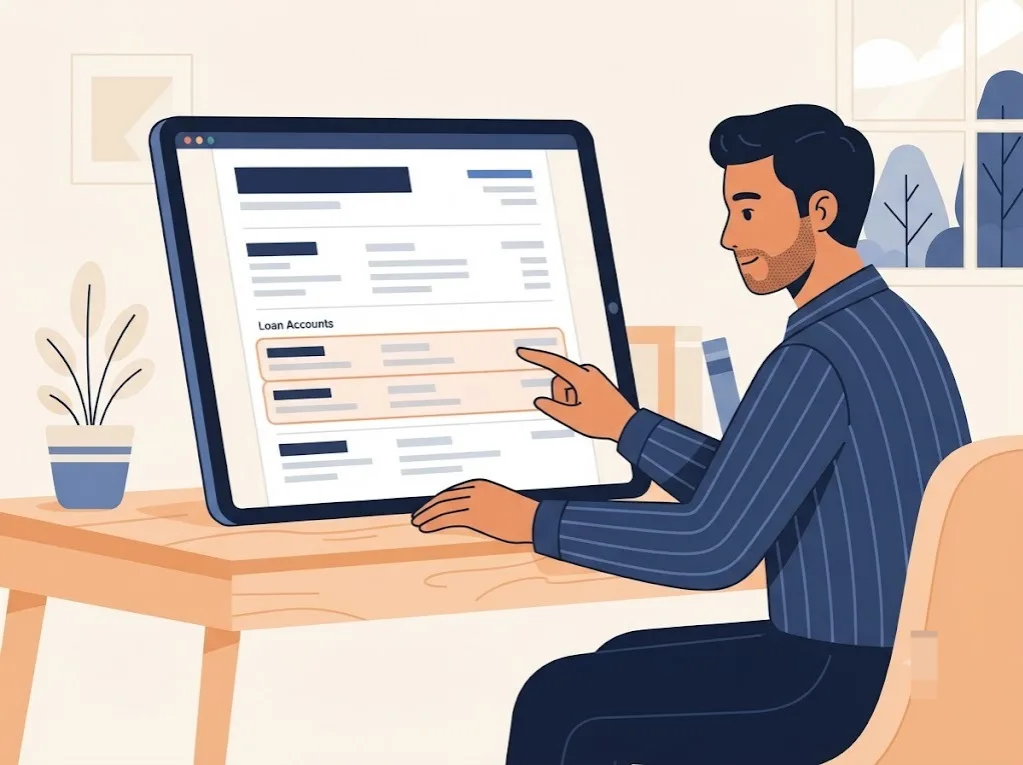
Why Does One Loan Account Show Up Multiple Times on Your Credit Report?
Sometimes it's a legitimate reason: a loan sold or transferred to another lender. Sometimes it's a genuine error inflating how much debt you appear to carry. Here's how to tell which one you're looking at.


Make smarter financial decisions.
Loan Settlement | Loan Consolidation | Credit Insights | FREED Shield
Get Started