Online Debt Consolidation Loans: Applying Without a Branch Visit
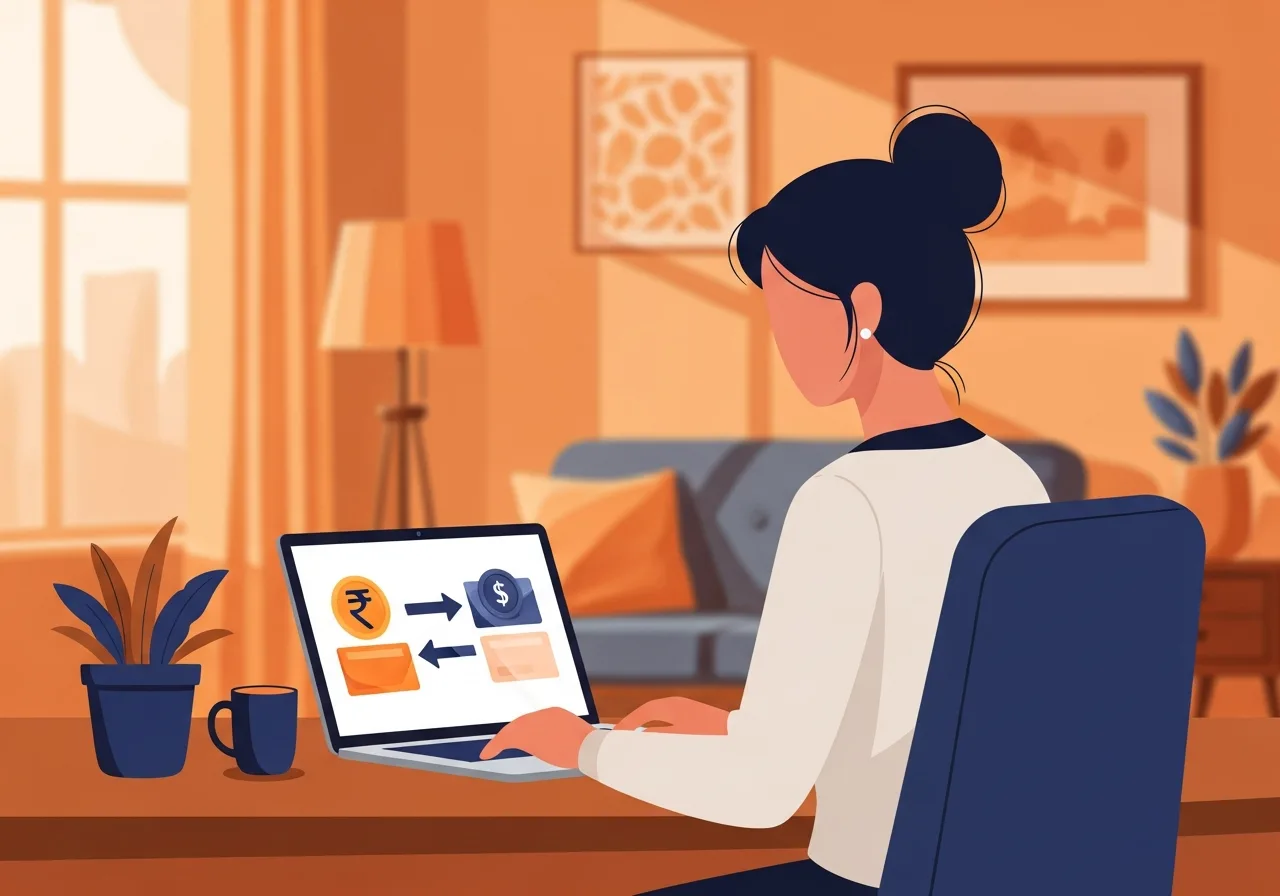
Online debt consolidation loans let a borrower merge multiple EMIs into one loan entirely through a website or app, with identity verification done over video instead of at a branch. The application, documents, and approval can all happen from home.

Mohit Juneja
Reviewed by FREED India, Debt Resolution Specialists
 4.7/5
4.7/5 ₹3,200Cr+
 20,000+
 20,00,000+4.7/5₹3,200Cr+20,000+20,00,000+
KEY TAKEAWAYS

Many debt consolidation loans can be applied for and completed online, including identity verification through V-CIP where supported by the lender. Some lenders may still require an in-person step.
RBI treats Video-based Customer Identification Process (V-CIP) as equal to in-person verification, not a lesser substitute.
Common documents include PAN, an accepted identity/OVD document such as Aadhaar where applicable, income proof and recent bank statements. Exact requirements vary by lender.
Where a lender or intermediary offers a soft-inquiry eligibility check, you can assess likely eligibility without that check itself affecting your CIBIL score. Confirm whether the check is soft before proceeding.
Some smaller NBFCs still want an in-person step. Confirm this directly with your specific lender rather than assuming.
What Does "Online" Actually Mean for a Debt Consolidation Loan?
Online does not necessarily mean every step is digital for every applicant. Depending on the lender, the process may include online application, document upload and V-CIP, while some cases may still require an additional physical step.
Online does not necessarily mean every step is digital for every applicant. Depending on the lender, the process may include online application, document upload and V-CIP, while some cases may still require an additional physical step.
Four stages of a consolidation loan can now happen entirely on a screen:
- Application, filled on a website or app rather than a paper form.
- Document upload, scans or photos instead of physical copies handed across a counter.
- Identity verification, done through Video-based Customer Identification Process (V-CIP) rather than an in-branch visit.
- Disbursal, the approved loan amount is released according to the lender's process, which may involve direct repayment of eligible existing debts.
"100% online" gets used loosely across lenders, and it doesn't mean the same thing everywhere. Not every lender has gone fully paperless. Some smaller NBFCs still want a physical signature step for certain loan sizes, so it pays to confirm this with the specific lender rather than assume. What makes V-CIP legally equal to walking into a branch is worth understanding next.

Talk Before You Apply Anywhere
Book a call and confirm what your lender actually needs.
Book My Call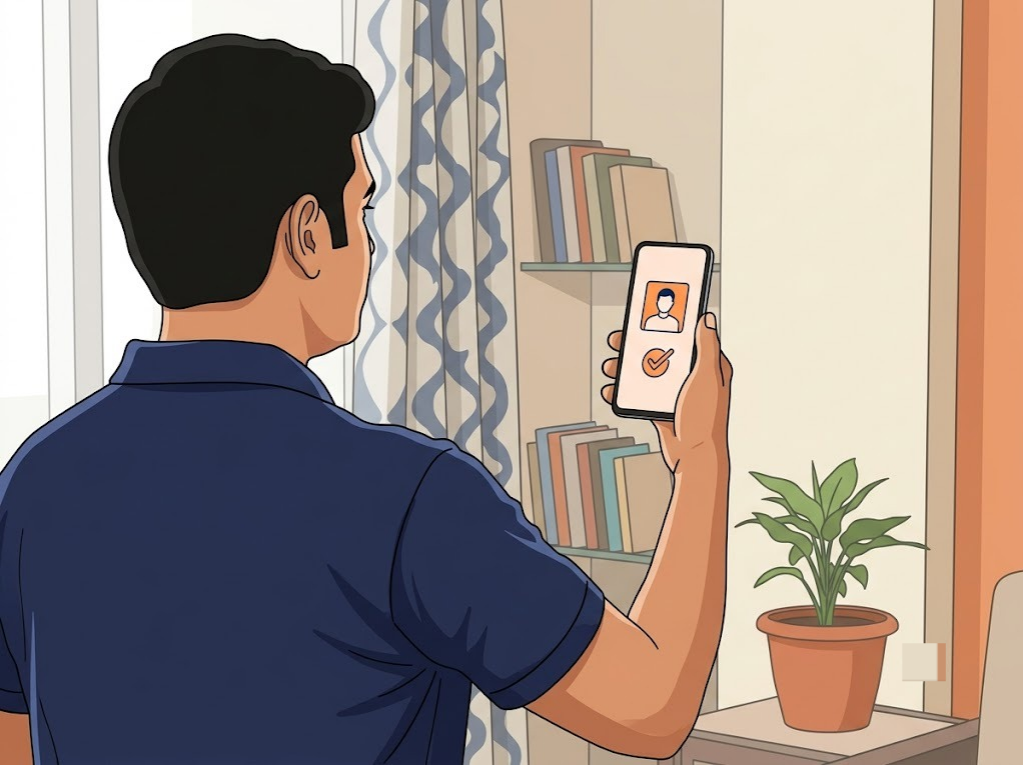
Is Video KYC a Real Substitute for a Branch Visit
Yes, and RBI's own rules explain why. Video-based Customer Identification Process (V-CIP) is a live, audio-visual, consent-based interaction between an authorised bank or NBFC official and the customer, and RBI treats it on par with face-to-face verification. For customer identification purposes under the RBI KYC framework, a compliant V-CIP is treated on par with face-to-face customer identification.
A V-CIP session runs with a live officer on the other end, a liveness check confirming a real person sits in front of the camera rather than a photo or a recording, and an encrypted, recorded session the lender must retain. RBI's 2025 update clarified that specific facial gestures like blinking or smiling aren't mandatory for that liveness check, a real accessibility point for anyone who found earlier video KYC flows awkward or exclusionary. This isn't a pandemic-era stopgap either.

What the Law Says
RBI treats Video-based Customer Identification Process (V-CIP) as equivalent to a face-to-face branch verification, not a lesser substitute.
Check My CreditDocuments You Need for an Online Debt Consolidation Application
The standard set doesn't change much whether you're salaried or self-employed, though a couple of items differ:
- PAN card.
- Aadhaar, or another Officially Valid Document (OVD), for identity.
- Address proof, if it's different from what's on your Aadhaar.
- Last 3 months of salary slips for salaried applicants, or ITR filings for self-employed applicants.
- Last 3 to 6 months of bank statements, showing income and existing EMI debits.
Gather these before you start the application, not partway through it. Having the required documents ready can reduce avoidable delays during the application.
Step-by-Step: How the Online Application Actually Works
Step 1 - Check Your Total Outstanding Debt
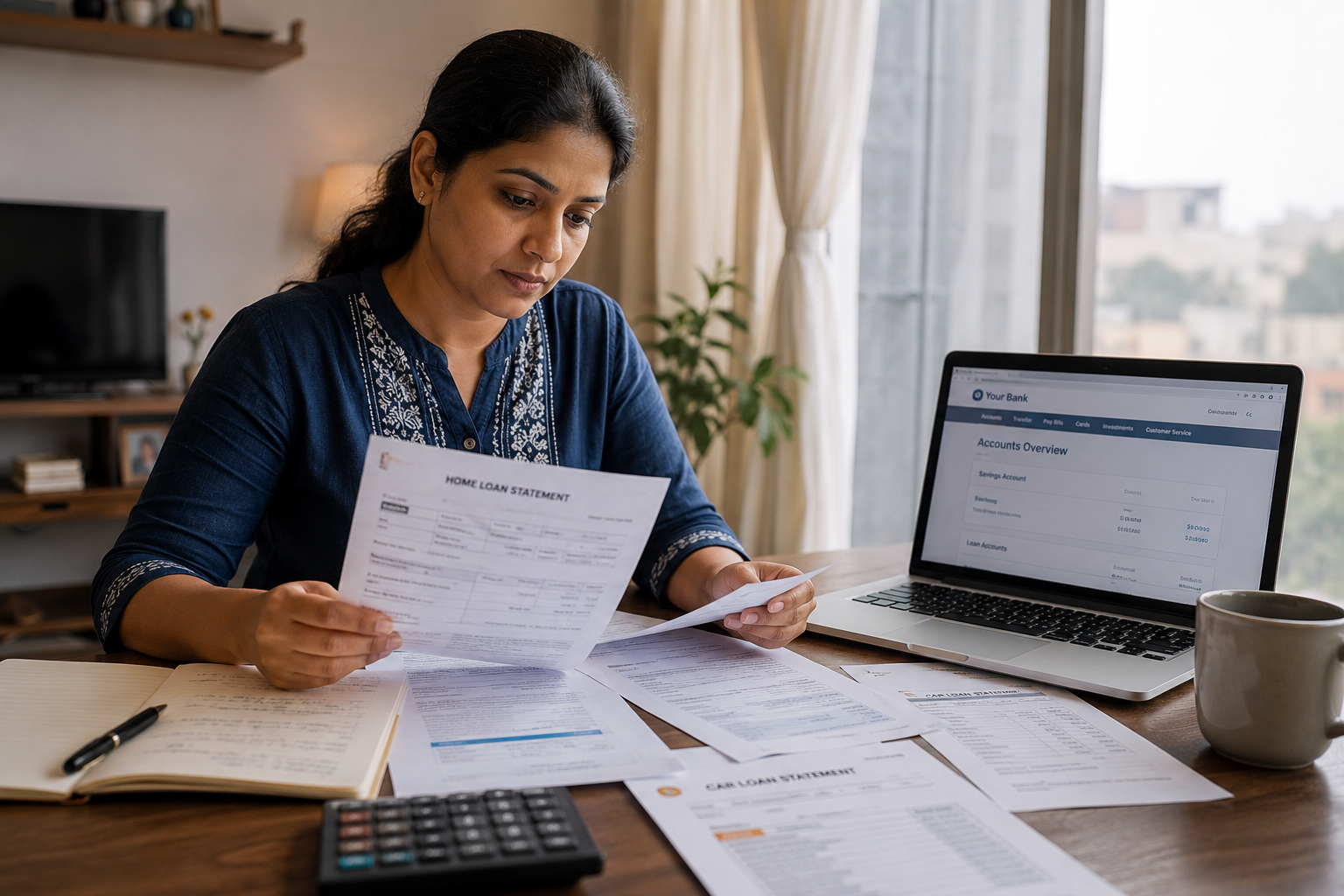
List every active loan and credit card balance. This is the number your consolidation needs to cover.
Step 2 - Run a Soft-Inquiry Eligibility Check
If the lender offers a soft-inquiry eligibility check, use it to assess likely eligibility before submitting a full application. Confirm that the check is a soft inquiry before proceeding.
Step 3 - Submit the Application and Upload Documents
PAN, Aadhaar, income proof, and bank statements, uploaded as scans or photos through the website or app.
Step 4 - Complete Video-Based Identity Verification
A live V-CIP session with a lender official replaces the branch visit entirely.
Step 5 - Review the Sanction Letter and Key Fact Statement
The KFS summarises key loan terms, costs and charges you should review before accepting the offer.
Step 6 - Disbursal and Payoff
Funds move to your bank account, and your existing eligible debts get paid off as part of the consolidation.
Approval timelines vary by lender and by profile, this isn't instant for everyone. What it does understand about how a hard enquiry affects your credit score is why Step 2 matters as much as it does.
Is an Online Debt Consolidation Loan Actually Cheaper?
An online application can make the process more convenient, but applying online does not automatically make the loan cheaper. Compare the new interest rate, processing fee, tenure, total interest and foreclosure terms with the cost of your existing debts. A lower EMI can sometimes result from extending the tenure rather than reducing the overall borrowing cost.
What Can Still Go Wrong in a Fully Online Application
The upside of going paperless gets most of the attention. A few real friction points deserve equal airtime:
- Document rejection, from a poor scan or details that don't match across PAN, Aadhaar, and bank statements. This can stall an otherwise-eligible application for days.
- V-CIP session failures, from weak internet connectivity or bad lighting. Poor connectivity, inadequate lighting or technical issues can cause a V-CIP session to fail or require another attempt.
- A hidden physical step, some lenders may still require an additional physical step for certain products, loan amounts or customer profiles.
None of this is a reason to avoid online applications. It's what to prepare for so the process goes smoothly the first time, rather than bouncing back to you for a fix mid-way.

Applying to Multiple Lenders Online, One at a Time
If you're managing several EMIs, applying to a handful of banks online at once looks tempting, since the forms take minutes each. Resist that. Every full application generates a hard inquiry, and several hard inquiries in a short window can lower your score right when you most need approval, making each subsequent lender see you as higher risk than you actually are.
The alternative: check eligibility through a soft inquiry across several lending partners at once, so you can narrow down the most suitable lender before submitting a full application and reduce the risk of multiple hard enquiries. It also helps to know what CIBIL score most lenders actually look for on a personal loan before you start applying anywhere, so you're not guessing at your own odds. FREED's matching process is designed to assess eligibility and identify a suitable lending partner before a full application is submitted.

Freed Expert Tip
Check eligibility with a soft inquiry before submitting full applications. It protects your CIBIL score while you compare lenders.
Check your optionsHow FREED Helps You Apply Without the Trial-and-Error
FREED's Loan Consolidation Plan, also called the Debt Consolidation Program or "Reduce My EMI," is built for people who can still repay but need a smarter way to manage what's spread across too many EMIs. FREED assesses your complete financial profile, income, existing obligations, repayment history, using a soft inquiry that doesn't touch your CIBIL score, then matches you to one suitable lending partner from its network instead of leaving you to guess and apply blind at multiple banks.
The whole process, from assessment to disbursal, happens online, and The new consolidated loan is used to repay eligible unsecured debts, subject to the lender's disbursal and repayment process. The impact on your CIBIL profile depends on how the application is processed and on your subsequent repayment behaviour. Consistent on-time payments on the consolidated loan can support healthier credit behaviour over time. FREED handles the matching and the process for you, this isn't a self-service comparison tool you're left to navigate alone. It builds on the same idea behind how debt consolidation reduces monthly financial stress more broadly, just applied specifically to getting the loan itself.
Are You in a Loan Trap? Quick Check
Move the slider to your total EMIs as a % of monthly salary. See your debt stress level instantly.
EMIs as % of Monthly Salary
Before You Apply Online: A Quick Checklist
A handful of habits that keep the whole process smooth:
- Gather all documents before starting, not partway through the application.
- Check your total EMI-to-income load first, so you know exactly what needs consolidating.
- Run a soft-inquiry eligibility check before submitting full applications anywhere.
- Keep the V-CIP session on a stable connection, good lighting, and a quiet space.
- Read the Key Fact Statement fully before accepting any offer, this is where the real cost lives.
A little preparation here separates a same-day approval from a week of back-and-forth. It's also worth clearing up a few common myths around how debt consolidation actually works before you assume you already know what to expect.

Mohit Juneja
Mohit Juneja writes educational content at FREED on debt management, credit scores, loan repayment, and borrowing best practices. His content is shaped by expert insights and industry knowledge, helping readers better understand their financial options and make informed decisions.
mohit.juneja@freed.care

FREED is India's trusted loan management platform. Founded in 2020 and headquartered in Gurugram, FREED has counselled 20 lakh+ people on personal loans, credit cards, and app loans. FREED charges fees only on successful settlement, not upfront. FREED does not handle secured loans (home loans, car loans, gold loans).
Media Mentions