Do You Need Debt Elimination Software? What It Actually Does in India
"Debt elimination software" isn't a distinct technical category, it's marketing language layered on top of the same tracking and calculation tools covered elsewhere (spreadsheets, payoff trackers, calculators). No software can legally or technically make a genuine debt disappear. This piece looks honestly at what these tools actually do, and when the word "elimination" itself is a warning sign.

Mohit Juneja
Reviewed by FREED India, Debt Resolution Specialists
 4.7/5
4.7/5 ₹3,200Cr+
 20,000+
 20,00,000+4.7/5₹3,200Cr+20,000+20,00,000+
KEY TAKEAWAYS

"Debt elimination" isn't a recognised technical function; at most, software can track your debts, calculate a payoff schedule, and send reminders, the same category as any payoff tracker.
The word "elimination" specifically echoes a known scam pattern, promising a debt can be made to legally disappear, which no legitimate service can actually deliver.
Genuine debt reduction, settlement or consolidation, is a negotiated, human process with a bank or NBFC, not something software performs on its own.
If a tool or service markets itself using "elimination" language plus guaranteed results, that combination is worth treating as a red flag, not a feature.
What "Debt Elimination Software" Actually Means as a Category
Search for this term and you'll find it's used loosely to describe ordinary debt payoff trackers, calculators, and budgeting apps, rebranded with more dramatic language. There's no distinct technical capability separating "elimination" software from an ordinary payoff tracker, both do the exact same underlying things, list your debts, apply a payoff method, project a timeline.
The fuller comparison of what these tools can genuinely do is worth reading directly rather than re-covering that ground here, it walks through the actual apps, trackers, and worksheets available and what each one honestly delivers. Why the specific word "elimination" is worth pausing on, rather than treating it as a harmless marketing flourish, is the more interesting question.

Freed Expert Tip
If a tool's marketing focuses more on the word "elimination" than on what it actually shows you (your numbers, your timeline), that's worth noticing on its own.
Talk to FREEDWhy "Elimination" Is a Loaded Word, Not a Neutral One
"Debt elimination" has a specific, documented history as scam language, particularly promises that debt can be made to legally disappear through some claimed legal loophole or a violation by the lender, a well-documented pattern
of fraud that predates most of the software marketed under this label today.
In the Indian context specifically, the closest equivalent red flag is a service or tool claiming it can "erase your CIBIL record" or eliminate a debt without the lender's cooperation at all. No legitimate process, software or human, can do this. Genuine debt reduction always involves the lender agreeing, through settlement, restructuring, or consolidation, none of these mean the debt is "eliminated" unilaterally, they mean it's resolved with the lender's active participation. Worth being fair here: not every tool using this word is fraudulent, some simply reach for loose, punchy marketing language without meaning anything sinister by it. But the word itself warrants a closer look at what's actually being promised underneath it. What a tool can honestly claim to do instead is worth spelling out plainly.

What the Law Says
Credit bureau data cannot be changed merely on request. If an entry is inaccurate, the correction has to be verified through the relevant lender or credit institution before the bureau updates the report.
Check My Credit ScoreWhat Software in This Category Can Honestly Do
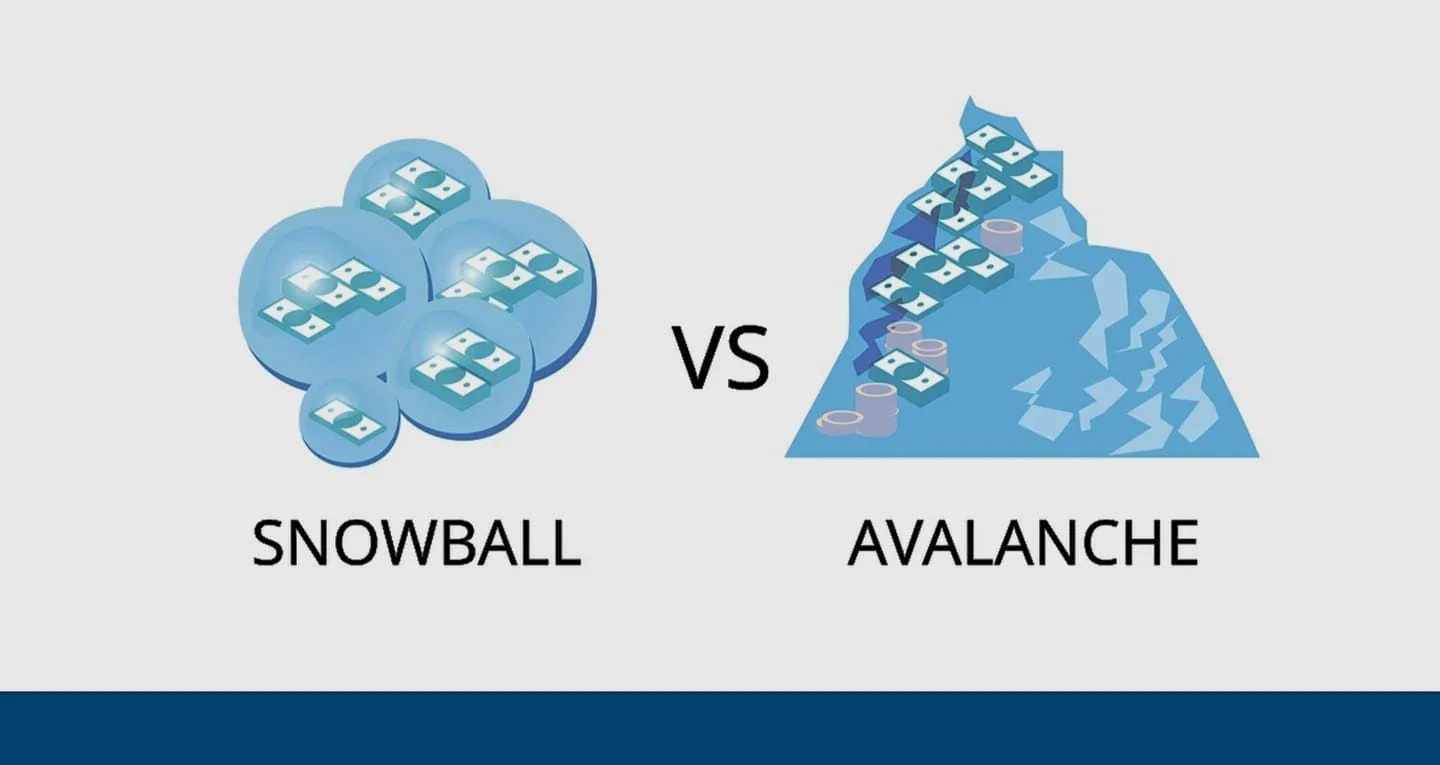
Track every debt you owe in one place, lender, balance, rate, minimum payment, all sitting together instead of scattered across statements and apps. Calculate a payoff schedule using a chosen method, snowball or avalanche, and project a realistic completion date based on the numbers you've actually entered.
Send reminders and show progress over time, the kind of steady, visible feedback that keeps a repayment plan from quietly falling apart. In some cases, connect you to a genuine debt resolution service, which is a separate, human-negotiated process, not something the software itself performs on your behalf. If a business rather than an individual is the one tracking obligations, a debt management and collections system works on the same underlying logic, organisation and calculation, scaled up for multiple accounts rather than one household's debts. Worth stating plainly: this is a genuinely useful, legitimate set of functions, none of it is "elimination" in any literal sense, and none of it needs to be dressed up as more than it is to be worth using. How to tell a legitimate tool from an overhyped one is the practical next step.
How to Evaluate a "Debt Elimination" Tool or Service Honestly
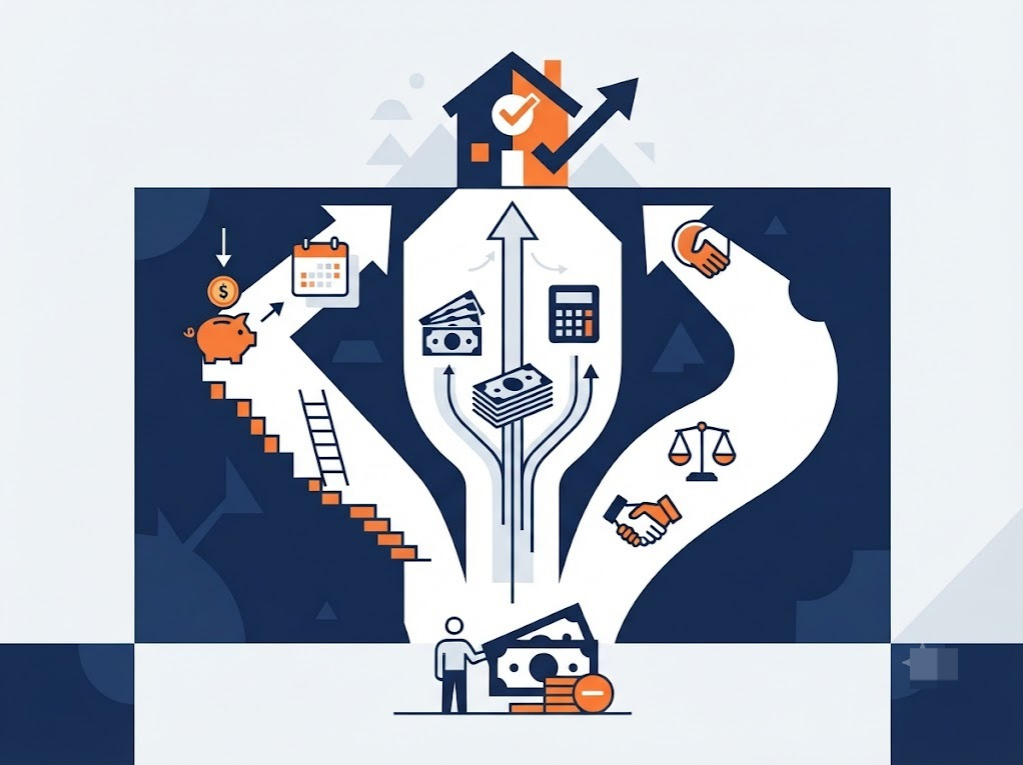
Read exactly what the tool claims to do beyond tracking and calculation. If it promises to make debt "disappear" without lender involvement, that's the red flag worth stopping on.
Check whether it charges upfront fees regardless of outcome, a pattern common to both software subscriptions and fraudulent settlement schemes alike. Look for a genuine, transparent explanation of the actual process, negotiation, restructuring, consolidation, rather than vague promises dressed up in confident language. Verify any company behind the software the same way you'd vet any debt solutions firm: registration, reviews, physical presence. The fuller vetting checklist covers exactly how to do this step by step. If you're specifically being pitched a paid "credit repair" or "score improvement" service rather than free tracking software, the same scrutiny applies there too, since that category shares many of the same red flags.

What Actually Reduces Debt in India
Paying it down faster through a tracked, disciplined payoff plan, this is precisely what tracking software genuinely supports, and it works because of consistency, not because of any clever technical trick. Escaping a genuine debt trap generally follows this same honest, step-by-step logic rather than any single dramatic fix. Consolidation, combining several unsecured debts into one lower-EMI loan through a partner lender, is a real, negotiated financial transaction between you and a lender, not something an app performs on its own.
Settlement, for genuine, sustained inability to repay, is the third path. Settlement is not something a borrower chooses out of preference, banks only consider it when someone is genuinely unable to repay in full, and it's a human negotiation, not a software function, regardless of how it gets marketed. None of these three paths are "elimination," they're structured, lender-involved resolutions, each with its own real process behind it.
How FREED Approaches This Honestly
FREED doesn't market itself as "elimination" software, because that's simply not what an honest debt resolution service does. FREED's Debt Consolidation Program and Debt Resolution Program are structured, lender-involved processes, a human negotiation and a real new loan, not a technical trick performed by an app behind the scenes.
FREED's own tools, like its Debt Calculator, do exactly what this piece describes software can honestly do: track and calculate, nothing more, and nothing dressed up as more.
See your real numbers, no "elimination" promises.
A free assessment shows your actual options.
Get a Free AssessmentTips for Using Any Debt Tool Wisely
Judge a tool by what it shows you, your numbers, your timeline, not by the drama of its marketing language.
Treat "guaranteed" and "elimination" together as a specific combination worth scrutinising, not just skimming past as harmless enthusiasm.
Use tracking software for what it's genuinely good at, organisation and motivation, and treat actual debt reduction as a separate, lender-involved conversation entirely.
Verify any company behind a tool the same way you'd vet any financial service, before trusting it with your account details or your money.
Drag
Freed Expert Tip
The best sign of a legitimate tool or service is that it tells you plainly what it can't do, not just what it promises.
Talk to FREED
Mohit Juneja
Mohit Juneja writes educational content at FREED on debt management, credit scores, loan repayment, and borrowing best practices. His content is shaped by expert insights and industry knowledge, helping readers better understand their financial options and make informed decisions.
mohit.juneja@freed.care

FREED is India's trusted loan management platform. Founded in 2020 and headquartered in Gurugram, FREED has counselled 20 lakh+ people on personal loans, credit cards, and app loans. FREED charges fees only on successful settlement, not upfront. FREED does not handle secured loans (home loans, car loans, gold loans).
Media Mentions