What Is the Best CIBIL Score You Can Have
There is no single CIBIL score that guarantees the best loan terms. A score of 750 or above is generally considered strong, but the score that gets you the best rate or approval depends on the lender, loan product and your overall financial profile. Above it, most banks already treat you as top-tier, chasing higher than that has very little practical payoff.

Mohit Juneja
Reviewed by FREED India, Debt Resolution Specialists
 4.7/5
4.7/5 ₹3,200Cr+
 20,000+
 20,00,000+4.7/5₹3,200Cr+20,000+20,00,000+
KEY TAKEAWAYS

The best CIBIL score to aim for is roughly 750 to 800, not the technical maximum of 900.
A strong score can improve your chances of accessing competitive interest rates, but lenders do not use a single universal score threshold for their best rates. There's little practical difference climbing further.
The five factors that get you into this range: payment history, credit utilisation, credit mix, credit age, and inquiry frequency.
A missed EMI or credit card payment can negatively affect a strong credit score, with the impact varying by the individual's credit profile and reporting.
Checking your own score is a soft inquiry, it never affects your score, no matter how often you check.
What Is the Best CIBIL Score You Can Have?
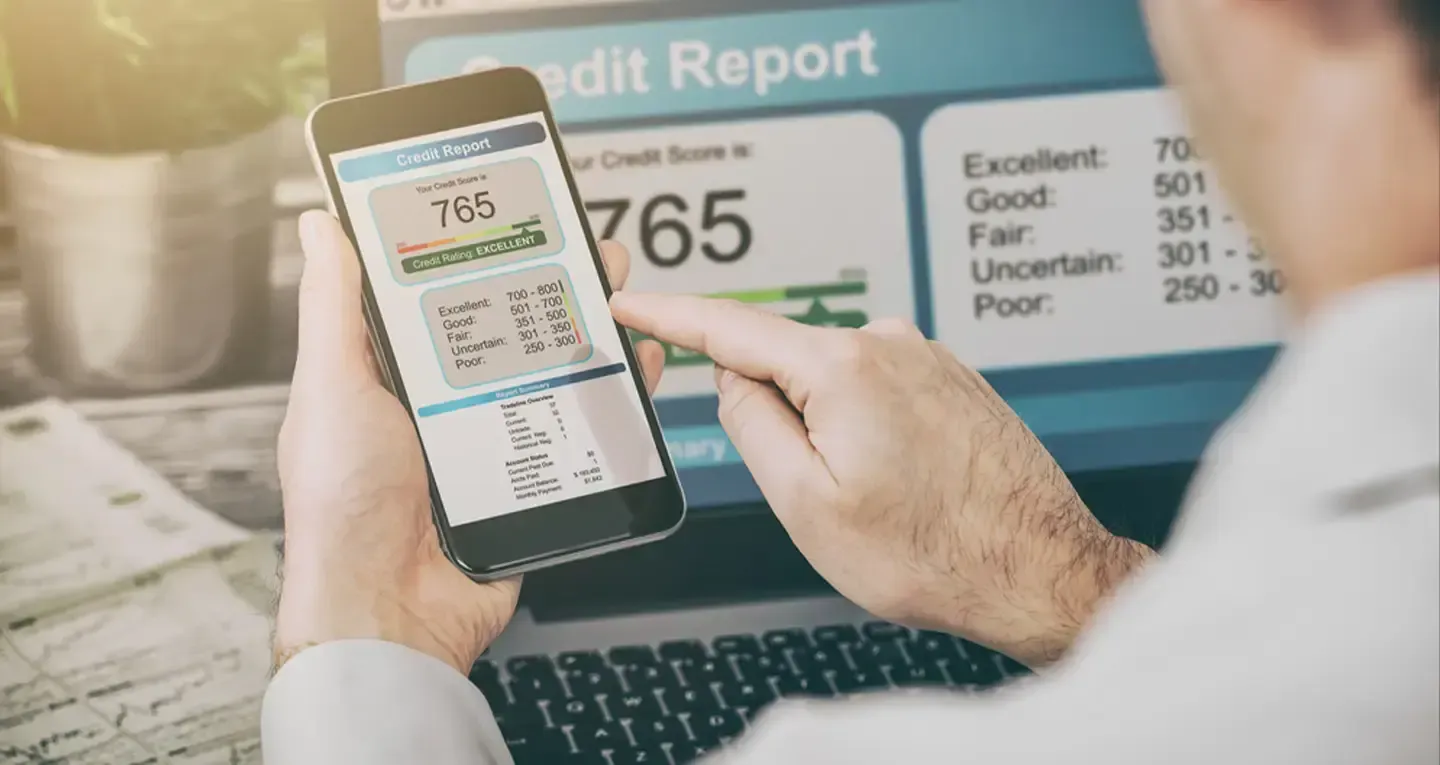
The practically "best" CIBIL score isn't 900, the technical top of the 300-900 scale. It's the range most lenders treat as their top tier, roughly 750 to 800. A strong score can strengthen your application, although lenders may still require income, employment, identity and other documentation. Climb higher than that, and there's little to no additional benefit waiting on the other side.
This corrects a fairly common assumption. A lot of people treat 900 as the finish line, as if every point above 750 is meaningfully improving their standing with a lender. In practice, that's not how most banks price risk. Once your score is already strong, additional points may not materially change the terms available to you. The actual rate and approval decision still depend on the lender and your overall credit profile. Understanding where CIBIL's full range actually breaks down helps put this specific 750-800 threshold in context against the scale as a whole.
Aiming for literally the highest possible number isn't the useful goal here. Clearing this practical threshold, and then maintaining the habits that keep you there, is. That distinction matters more than it sounds, because it changes what's actually worth your effort.

Is the Best Score the Same as the Highest Score?
"Highest" describes the ceiling of the scale, a flat 900, the maximum number CIBIL's model can technically produce. "Best" describes something different, the score actually worth pursuing, the point at which a lender's terms stop improving no matter how much higher you climb from there. These two words get used interchangeably in casual conversation, but they answer genuinely different questions.
Most banks build their pricing and approval decisions around bands, not the exact three-digit figure sitting on your report. For some lenders and products, moving from an already strong score to a substantially higher score may not materially change the terms offered. However, the difference depends on the lender's underwriting model and the rest of your application. The bank isn't running a finer-grained comparison between the two beyond that point, there's usually no product or pricing tier built to reward the extra 120 points.
This distinction is genuinely useful once you internalise it. It shifts the goal from "maximise the number forever" to "clear the threshold and then stop optimising for the score itself." That's not to say every point above 750 is worthless, understanding where the marginal value actually drops off matters more than chasing the number indefinitely. The next section walks through where that plateau applies and where it stops mattering.

What the Law Says
Checking your own credit score does not lower your CIBIL score. A self-check is treated differently from a lender's credit enquiry.
Check My CreditWhat Do You Actually Get at the Best Score Range?
The benefit of sitting in the 750-800 range isn't abstract, it shows up in specific, concrete ways every time you interact with a lender.
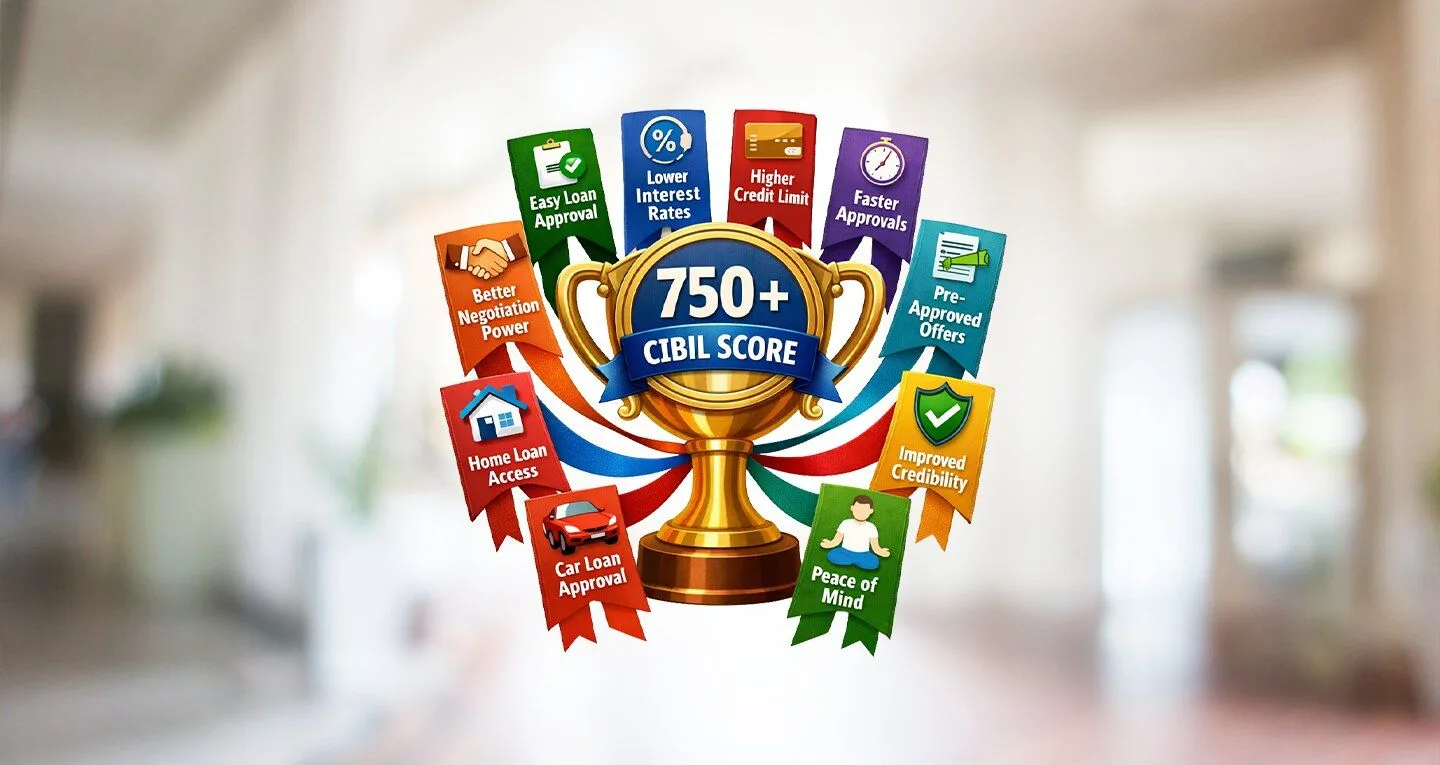
- A stronger chance of qualifying for competitive interest rates, whether you're applying for a personal loan, a home loan, or a car loan. Lenders reserve their headline rate for borrowers in this tier, and it's rarely extended below it.
- A strong score can support eligibility for higher loan amounts, but the sanctioned amount also depends heavily on income, repayment capacity, existing obligations and lender policy. Score is one input among several, not the sole determinant of the sanctioned amount.
- Potentially smoother approval, particularly where the lender uses automated credit-based underwriting; some lenders shorten or simplify verification steps in this range, though this isn't universal.
- Better credit card offers, including higher credit limits, are possible in this range, though not guaranteed; card issuers still weigh income and other factors.
- Priority and pre-approved offers. A strong credit profile may increase your chances of receiving pre-approved or targeted credit offers, depending on the lender and your overall relationship with it.
None of this requires reaching 900. It requires reaching, and then holding, this specific band.
What Actually Gets You Into This Range?
Five factors can influence your score, and they don't carry equal weight in practice, even though CIBIL doesn't publish an exact percentage breakdown for each.
Payment history is one of the most important factors in maintaining a healthy credit profile. Consistent, on-time payments across every loan and credit card you hold, month after month, does more to build and protect a strong score than anything else on this list. One missed EMI can undo months of careful progress.
Credit utilisation comes next, meaning how much of your available credit limit you're actually using at any given time. Keeping credit utilisation relatively low is generally considered healthier for your credit profile. There is no universal 30% threshold that guarantees a particular score.
Credit mix refers to the different types of credit in your profile. A diverse mix can be one factor considered in scoring, but you should not take a new loan simply to create a better credit mix. FREED's guide to building a good credit mix walks through how to build this out deliberately if you're starting from mostly card-based credit.
A longer history of responsibly managed credit can support your credit profile. Closing an old card may change factors such as available credit and the age or mix of accounts, so consider the wider impact before closing one. Closing an old card can reduce your available credit and may affect factors such as utilisation and the age of your credit history over time.
Inquiry frequency rounds out the list. Multiple hard inquiries in a short period can affect your credit profile and may signal increased demand for credit.
Credit Insights can help explain factors that may be affecting your current credit profile.

Freed Expert Tip
Before closing an old credit card, consider how doing so could affect your available credit, utilisation and credit history. If you keep it open, use it responsibly and avoid carrying unnecessary balances. Closing it shortens your credit history and can quietly pull a strong score down.
Check your optionsWhat's the Real Difference Between 750, 800, and 900 in Practice?
Comparison Table: What Changes as Your Score Climbs
Score | What Changes in Practice |
750-799 | Most lenders' best standard rate and approval odds already apply |
800-849 | A few lenders offer a marginally better tier for very large loan amounts |
850-900 | Essentially no additional benefit over 800 for most lending decisions |
At 750-799, you're already inside most lenders' top tier. Their best standard interest rate applies, and approval odds are strong across the board. At 800-849, a small number of lenders extend a slightly better tier specifically for very large loan amounts, a big-ticket home loan or a large business loan, for instance, but for the vast majority of borrowing decisions, the difference from 750-799 is marginal at best. At 850-900, there's essentially no additional practical benefit over 800 for almost any lending decision most people will actually make in their lifetime.
This matters because obsessing over pushing a score from 800 up toward 900 generally isn't worth the effort compared to simply maintaining the habits that got you into the 750-plus range in the first place. If you want the fuller picture of where every band on the 300-900 scale actually sits, including what the true technical ceiling looks like, that's covered in more depth elsewhere on FREED. Here, the practical takeaway is simpler: once you're past 750, your energy is better spent protecting that position than chasing a few more points.
How Do You Reach and Maintain This Range?
Getting into this range, and staying there, comes down to a small number of consistent habits rather than any single dramatic move.
Pay every EMI and credit card bill on time, every single cycle. Payment history is an important factor in maintaining a healthy credit profile. Consistently paying EMIs and card dues on time is one of the most important habits for protecting your score. If you regularly carry high card balances, paying them down before the balance is reported can help keep reported utilisation lower. The exact reporting date and methodology can vary by lender. Avoid applying for multiple loans or credit cards within a short window, spacing applications out reduces the inquiry-frequency signal that can quietly work against you. Check your own report periodically, it's a soft inquiry at no cost, and it's the fastest way to catch an error before it costs you an application.
None of this happens overnight. How long it takes depends on your starting score, payment history, utilisation, credit age and the issues affecting your report. There is no fixed timeline for reaching 750 or above. There's no legitimate shortcut or paid service that skips this timeline, anyone claiming otherwise is selling something that doesn't actually work the way they describe. A free credit check shows exactly where you currently stand against this range, which makes it easier to judge realistically how much runway you actually need.
How FREED Helps If Debt Is Holding Your Score Back
Most people reading a piece about the best CIBIL score range are working toward something, not managing an active crisis, and FREED's role here stays proportionate to that.
FREED's free Credit Insights check shows exactly which of the five factors covered above, utilisation, payment history, credit mix, credit age, or inquiry frequency, is currently affecting a specific score, rather than leaving someone to guess which lever actually matters most for their own file.
If multiple loans and credit cards are the real obstacle standing between a reader and this range, several EMIs stretching a budget thin enough that payments occasionally slip, FREED's Debt Consolidation Program, "Reduce My EMI," merges those into a single, lower monthly payment. FREED's Debt Consolidation Program may help eligible borrowers combine multiple debts into a single repayment arrangement. FREED's Debt Consolidation Program may help eligible borrowers combine multiple debts into a single repayment arrangement. The effect on your credit profile depends on the application and subsequent repayment behaviour.
If repayment has already stopped being realistic for someone reading this, that's a separate and later conversation entirely, not the default takeaway from a score-education piece. Settlement moves a score in the opposite direction from what this article is about, so it's worth being precise: this section is about protecting and building a strong score, not repairing one after distress.
What Helps You Stay in the Best Score Range Once You're There
- Set up auto-pay for every EMI and credit card bill. A single busy month shouldn't be the reason a strong score takes a hit. Auto-pay removes that risk entirely.
- Keep utilisation low even on cards you use often. Pay down balances mid-cycle if a particular month runs heavier than usual, rather than letting the balance sit until the due date.
- Resist opening several new credit lines just because you're pre-approved for them. Every new inquiry and every new account resets part of your credit age calculation, even when each individual offer looks appealing on its own.
- Check your report every few months as a habit, not just before a big loan application. Catching an error early, before it's sitting on your file the week you actually need a strong score, saves real stress later.
None of this requires constant vigilance once it's set up properly. A little structure early, auto-pay, a periodic check, some restraint around new credit offers, does most of the work on its own from there. If you're also managing existing debt while trying to hold this range, FREED's practical tips on managing and paying off credit card debt pair well with the habits above. FREED's free credit check is a simple way to confirm everything still looks the way you expect, every few months.

Mohit Juneja
Mohit Juneja writes educational content at FREED on debt management, credit scores, loan repayment, and borrowing best practices. His content is shaped by expert insights and industry knowledge, helping readers better understand their financial options and make informed decisions.
mohit.juneja@freed.care

FREED is India's trusted loan management platform. Founded in 2020 and headquartered in Gurugram, FREED has counselled 20 lakh+ people on personal loans, credit cards, and app loans. FREED charges fees only on successful settlement, not upfront. FREED does not handle secured loans (home loans, car loans, gold loans).
Media Mentions