What Is the Highest Credit Score You Can Have?
The highest credit score in India is 900. CIBIL, Equifax, and CRIF High Mark all use a 300 to 900 scale, with 900 marking a flawless repayment history and near zero credit risk. A score above 750 already qualifies most people for the best loan and credit card offers, so 900 is not required to get good deals.

Mohit Juneja
Reviewed by FREED India, Debt Resolution Specialists
 4.7/5
4.7/5 ₹3,200Cr+
 20,000+
 20,00,000+4.7/5₹3,200Cr+20,000+20,00,000+
Key Takeaways

The highest credit score possible in India is 900, on a scale that starts at 300.
Achieving a very high credit score generally requires a long history of responsible credit management.
Lenders already treat any score above 750 to 800 as excellent, so 900 gives little extra benefit.
Many borrowers with strong repayment histories maintain excellent credit scores without necessarily reaching 900.
Payment history and credit utilisation are the two biggest factors deciding how close you get to the top of the range.
What Is the Highest Credit Score in India?
900 is the top of the scale, and it's the same ceiling across all three major bureaus operating in India, CIBIL, Equifax, and CRIF High Mark. All three run on a 300 to 900 range, so a 900 from any of them represents the same thing, an essentially flawless repayment history with the lowest credit risk a lender can see.
300 sits at the other end, and it's worth knowing what that actually reflects. It's not where everyone starts, someone with no credit history at all typically shows up as -1 or NA on their report rather than a low number, since there's no data yet to score against. 300 specifically reflects a poor track record, not simply a lack of one.
Between those two ends is where almost everyone actually lives. Understanding the full range helps put your own number in context, rather than treating any score below 900 as somehow falling short.
Why Is 900 So Hard to Reach?
Getting close to 900 isn't just about avoiding mistakes, it's about avoiding the small, ordinary nudges that come with having any active credit life at all.
Every credit action leaves a trace, even good ones. Opening a new credit card, even for a genuinely useful reason, resets part of your average credit age, since the bureau now has to average in a brand-new account alongside your older ones. A hard enquiry is recorded when you formally apply for credit and may be considered by future lenders during credit assessment.
This is why most genuinely disciplined borrowers, people who pay on time without fail and keep their utilisation low, still tend to settle somewhere around 830 to 860, not 900. Reaching the very top of the range typically needs 15 to 20 years of an unbroken clean history, which is a long stretch for normal financial life to pass without a single new card, a single enquiry, or a single blip along the way.
Do You Actually Need a 900 Score?
Short answer, no. This is worth saying clearly because a lot of content online implies otherwise.
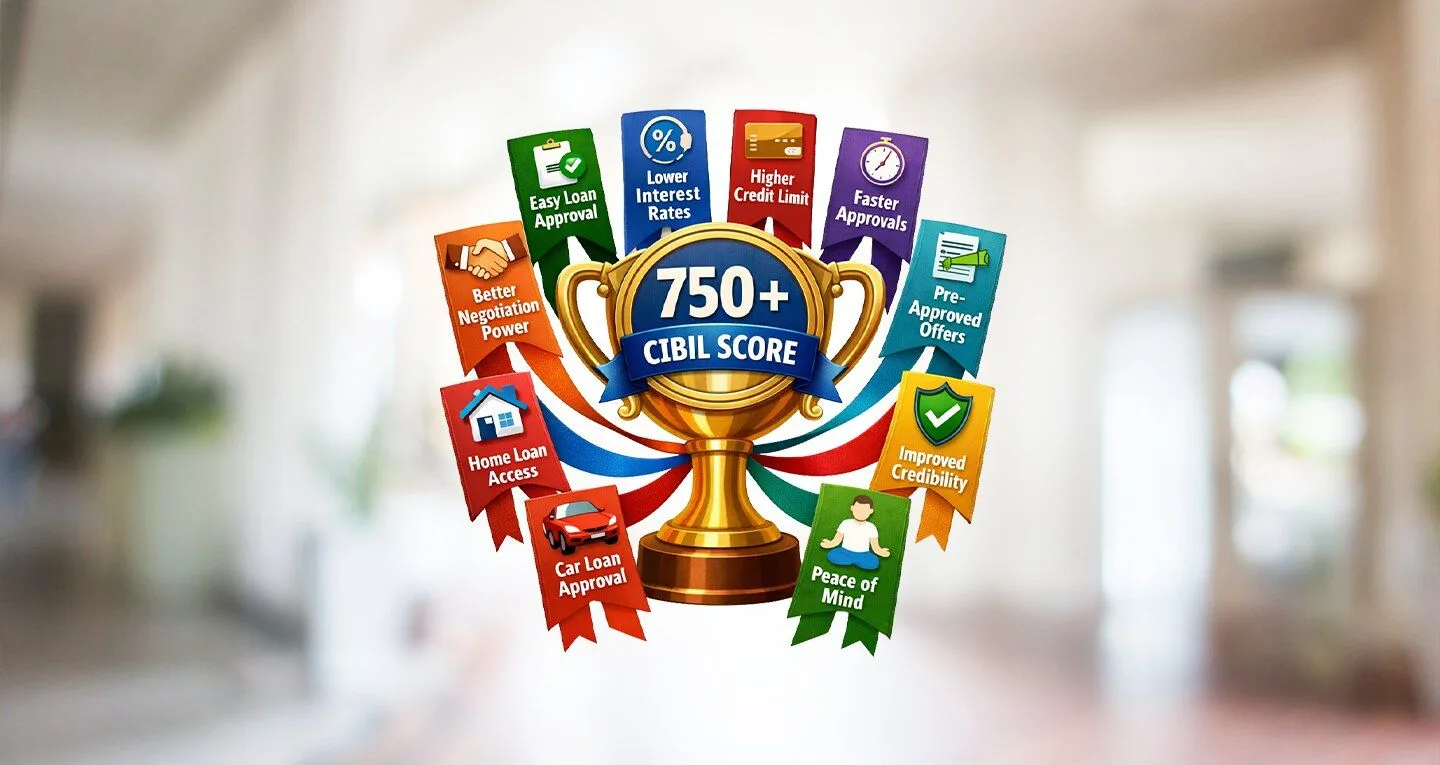
Most lenders already treat anything above 750 to 800 as excellent. At that level, you're getting the best interest rates, the fastest approvals, and the highest loan amounts on offer, the same treatment a 900 would get you. The jump from 800 to 900 doesn't meaningfully change what a bank or NBFC offers you, since you've already cleared their top tier well before reaching the ceiling.
Knowing the practical bands lenders actually use, covered in the table further down, matters more than fixating on the theoretical maximum. A stable 780 serves you just as well in practice as a 900 would.
What Factors Decide How High Your Score Can Go?
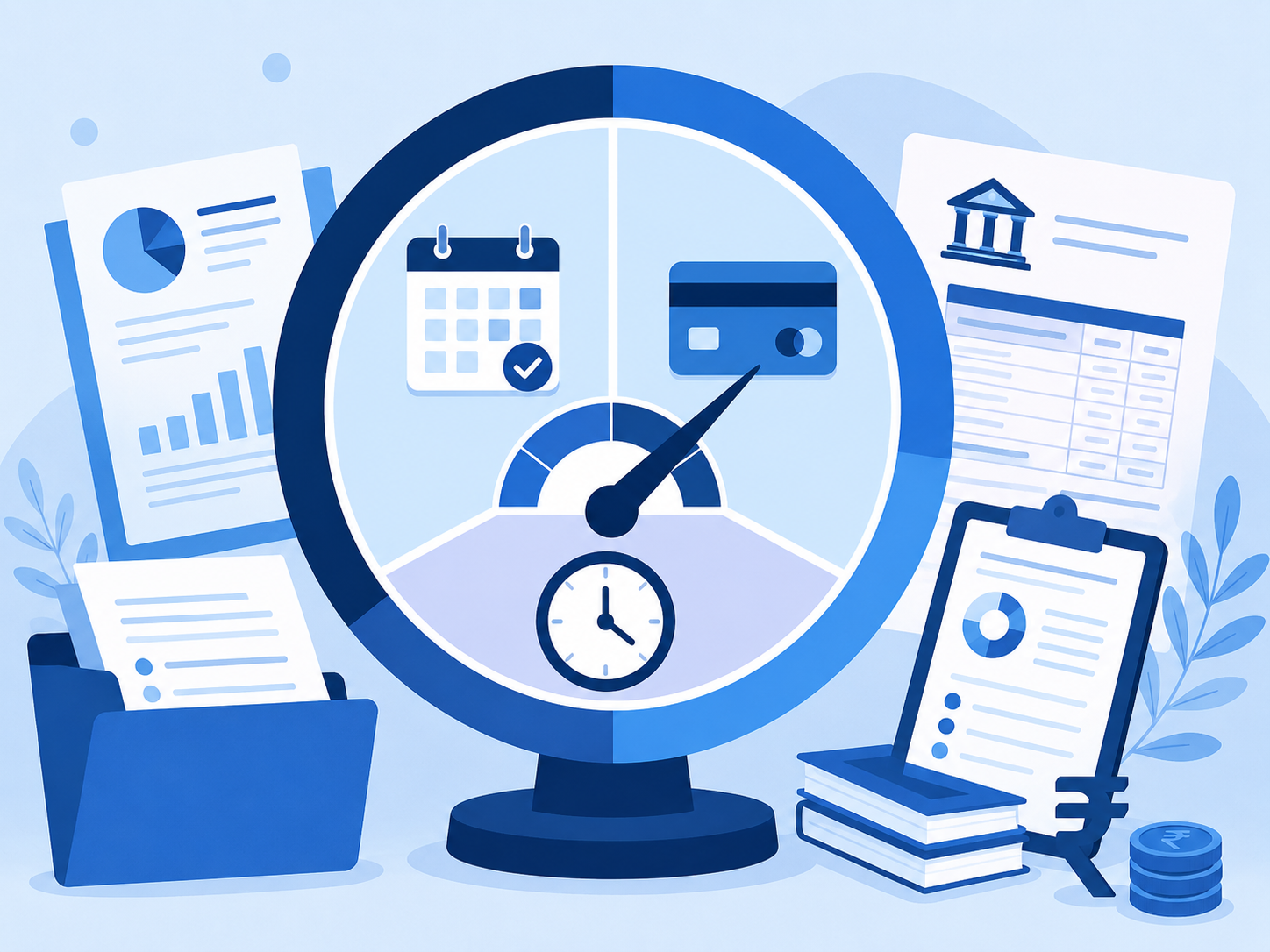
A handful of factors decide where in the range you actually land, and they don't all carry equal weight.
- Payment history is widely regarded as one of the most important factors considered in credit scoring. This tracks whether your EMIs and credit card bills have gone out on time, consistently, over your credit lifetime. Even one or two missed payments can hold this factor back for a while.
- Credit utilisation looks at how much of your available credit you're actually using at any given time. Staying well below your limit, rather than running close to it, works in your favour here.
- Length of credit history rewards accounts that have been open and active for a long time. This is part of why closing old accounts, even ones you don't use, can work against you.
- Credit mix considers whether you've responsibly handled a variety of credit types, cards, loans, rather than just one category repeatedly.
- Recent hard enquiries get factored in too. A cluster of enquiries close together reads as a signal of urgent credit need, even if each individual application was reasonable on its own.
Together, these five build the picture a bureau uses to place you somewhere on the 300 to 900 scale.
Are You in a Loan Trap? Quick Check
Move the slider to your total EMIs as a % of monthly salary. See your debt stress level instantly.
EMIs as % of Monthly Salary
What Can Accidentally Pull a High Score Down?
Even people actively trying to build a strong score sometimes work against themselves without realising it.
- Closing an old credit card is one of the more common ones. It feels like tidying up, but it shortens your average credit history and can reduce your available credit, both of which are generally considered less favourable in how lenders assess a credit profile.
- Applying for multiple loans or cards close together is another. Each application adds a hard enquiry, and several bunched into a short window can read as financial stress, even when the underlying reason was perfectly ordinary, comparing offers, for instance.
- Letting utilisation creep above 30% quietly undoes a lot of otherwise good habits. It's easy to let this happen gradually, a slightly higher balance one month, a slightly higher one the next, without noticing the cumulative effect on how your credit profile gets assessed.
None of these are dramatic mistakes, they're just the kind of small, easy-to-miss habits worth double-checking if your score seems stuck despite otherwise responsible behaviour.

FREED Expert Tip
Keep your oldest credit card open even if unused, closing it shortens your credit history and can pull your score down.
Understand What's Affecting Your ScoreHow Can You Move Toward a Higher Score?
A few consistent habits, applied over time, do more for your score than any single dramatic action.
1. Pay every EMI and bill on time, without exception. This is the single largest lever available to you, given how much weight payment history carries.
2. Keep utilisation below 30%, and below 10% if you're aiming for the very top bands. The lower and more consistent this stays, the better it reflects on your report.
3. Keep old accounts open, even ones you rarely use. A longer average credit history works in your favour, and closing accounts trims that average down.
4. Space out your credit applications. Rather than applying to several lenders in the same week while comparing offers, spread applications out where possible to avoid a cluster of hard enquiries hitting at once.
None of these require dramatic lifestyle changes, they're steady habits that compound over months and years rather than producing overnight results.

What the Law Says
RBI requires credit bureaus to update your report every 15 days, so improvements in your habits show up faster than before.
Track Your Progress with FREED
How FREED Helps You Track and Understand Your Score
If you're working toward a higher score and want to know exactly what to focus on rather than just watching the number, FREED's Credit Insights tool, which you might see referred to simply as "Check My Credit," is built for this. It's available to anyone, whether or not you're enrolled in any other FREED program.
Credit Insights pulls your report directly from Experian and gives you three things in return: your current score, a clear breakdown of what's actually influencing it, high utilisation on a specific card, a recent enquiry, an older account nearing closure, and step-by-step recommendations tailored to help you better understand and manage your credit profile. Get a flat 50% off on subscription or avail the subscription at flat 50% off.
Rather than applying to several lenders in the same week while comparing offers, spread applications out where possible to avoid a cluster of hard enquiries hitting at once.

Understand the factors influencing your credit profile.
Get your score, the reasons behind it, and clear next steps.
Check your optionsThe Bigger Picture: A Good Score Beats a Perfect One
Chasing 900 for its own sake tends to miss the actual point of building credit in the first place. A stable score in the high 700s or 800s already gets you the best rates and fastest approvals almost everywhere; the practical ceiling isn't really 900, it's wherever your specific lender's top tier begins.
What matters more than the number itself is consistency; a score that stays reliably strong over years protects you better against future loan stress than a brief peak near the theoretical maximum ever could. Steady habits, paid on time, kept simple, tend to serve you further than the pursuit of perfection.
Credit Score Bands and What They Mean
Score Range | Category | What It Means for Loans |
800 to 900 | Excellent | Best interest rates, instant pre-approved offers |
750 to 799 | Very Good | High approval odds, top-tier rates |
700 to 749 | Good | Reliable approval, standard competitive rates |
650 to 699 | Fair | Approval possible, higher rates likely |
Below 650 | Needs Attention | Conditional approval or rejection likely |
Note: Rates and ranges shown are indicative. Final terms decided by the bank. FREED is not a Loan Provider. No outcome is guaranteed. Please verify directly with your bank.

Mohit Juneja
Mohit Juneja writes educational content at FREED on debt management, credit scores, loan repayment, and borrowing best practices. His content is shaped by expert insights and industry knowledge, helping readers better understand their financial options and make informed decisions.
mohit.juneja@freed.care

FREED is India's trusted loan management platform. Founded in 2020 and headquartered in Gurugram, FREED has counselled 20 lakh+ people on personal loans, credit cards, and app loans. FREED charges fees only on successful settlement, not upfront. FREED does not handle secured loans (home loans, car loans, gold loans).
Media Mentions