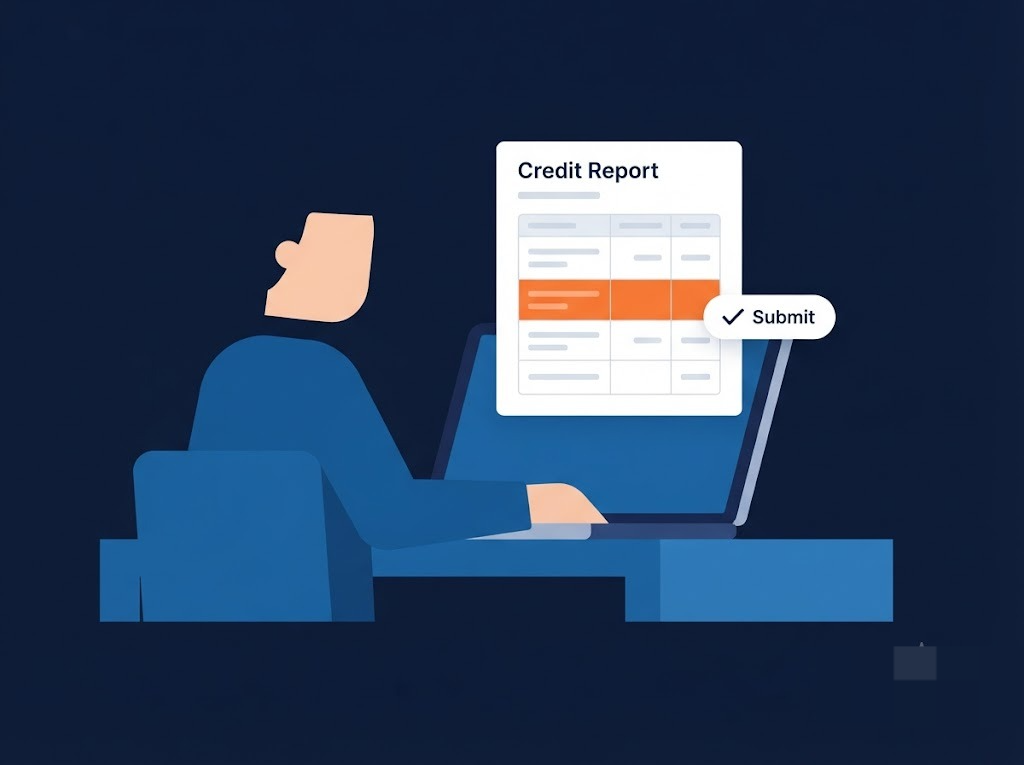
TransUnion CIBIL Login: Access Your Full Report & Disputes
TransUnion CIBIL login gives you access to your account on cibil.com, where you can view your score, download your full credit report, and raise a dispute if something on it looks wrong. The login itself takes a minute, the report and dispute process are where most of the useful detail actually is.
Mohit Juneja
Reviewed by FREED India, Debt Resolution Specialists
 4.7/5
4.7/5 ₹3,200Cr+
 20,000+
 20,00,000+4.7/5₹3,200Cr+20,000+20,00,000+
KEY TAKEAWAYS

TransUnion CIBIL login gives access to your score, your full report, and the dispute process, all in one account.
A full report provides detailed information about the credit accounts and enquiries reported to the bureau.
Common report errors include wrong loan status, incorrect DPD, or an account that isn't actually yours.
Disputes are typically investigated by the bureau contacting the lender who reported the entry.
Checking your own report or raising a dispute does not lower your score.
How to Log In to TransUnion CIBIL
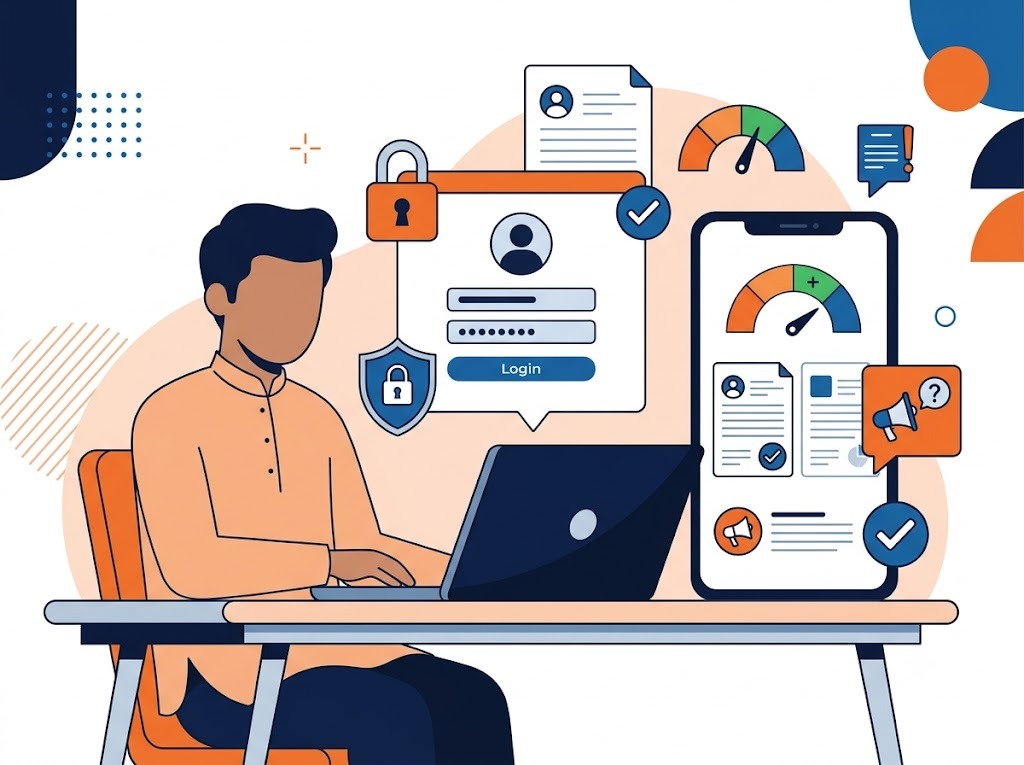
Logging in itself is quick. Go to cibil.com, then use your registered email or mobile number along with your password. If you've forgotten it, the "forgot password" flow on the same page resets it through an OTP or email link.
That's genuinely the extent of what this section needs to cover, since the complete login walkthrough already exists in detail elsewhere on this site, covering account creation, common login issues, and troubleshooting a locked account. Repeating all of that here would just duplicate what's already answered better in one place.
What this piece actually focuses on is what most login-focused content skips entirely: what to actually do once you're in, specifically pulling your full report rather than just the quick score view, and knowing exactly how to dispute something on it if it looks wrong. That's where the real value sits for most people who land here, not in the login screen itself.
The full report matters more than the login that gets you to it, and that's worth understanding clearly before diving into the steps.

Why You Might Need Your Full CIBIL Report, Not Just the Score
A quick score check gives you a number and a short summary, useful for a casual glance but not much beyond that. The full report is a different thing entirely, every account, every enquiry, and your complete payment history laid out in detail.
A few situations genuinely call for the fuller version rather than a quick check.
Preparing for a large loan application, a home loan especially, is one of the more common reasons. Knowing exactly what a lender will see before you apply beats finding out after a rejection.
Following up after an actual rejection is another. A quick score check won't tell you why an application was turned down, the full report often will, once you know what to look for.
Confirming a settled or closed loan is reflecting correctly is worth checking too. Checking the actual account entry is a useful way to confirm how the loan is currently being reported.
And simply confirming there's no unfamiliar account or enquiry sitting on your file is worth doing periodically, not just when something feels off. Catching something unexpected early is a lot easier to sort out than discovering it months later.
This isn't something to reserve only for moments of worry. Treating it as a routine check, the same way you'd glance at a bank statement, is a genuinely useful habit on its own. Knowing why the full report matters sets up recognizing when something in it actually looks off, which is exactly what comes next.

Freed Expert Tip
Download your full report every few months, not just when something feels wrong. Catching an error early makes it much faster to fix.
Understand what's on your reportSigns Your CIBIL Report Might Have an Error
Credit-report errors can happen, so reviewing the account, payment and personal-information sections carefully can help you identify anything that needs correction.
- An account you don't recognize or never opened. This could be a clerical mix-up on the lender's end, or occasionally a sign of identity misuse worth investigating properly.
- A loan marked as still active after you settled or fully repaid it. Status updates sometimes lag behind what actually happened, and the account keeps showing outdated information until someone corrects it.
- A DPD (Days Past Due, the figure showing how overdue a payment was) that doesn't match your actual payment record. This is one of the more common and most damaging errors, since it directly affects how your history reads to a lender.
- The same account appearing twice. Duplicate entries inflate how much debt it looks like you're carrying, even though it's really just one loan counted twice.
- Personal details, name spelling, date of birth, address, that are outdated or wrong. These seem minor but can occasionally cause mismatches during identity verification for a new application.
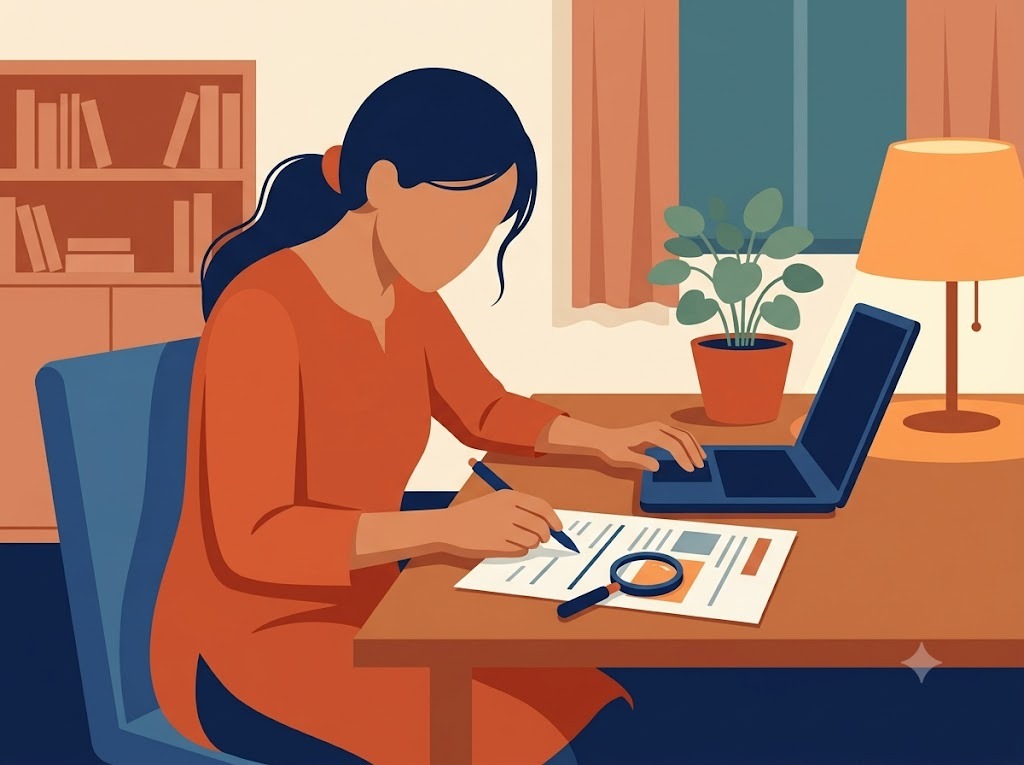
The fastest way to check for any of this is actually pulling the full report and looking closely, rather than guessing based on the score alone, confirming the score itself is even accurate starts with the same document.
How to Access Your Full TransUnion CIBIL Report, Step by Step
- Log In to Your Account. Use your registered email or mobile and password on cibil.com.
- Look for the Full Report or Download Option. This is usually separate from the quick score-summary view shown on the dashboard.
- Verify Your Identity Again if Asked. Downloading the full report sometimes requires a second identity check for security.
- Download the PDF. If the downloaded report is password-protected, follow the password instructions provided by TransUnion CIBIL on the download page or in the delivery message.
- Use the Correct Password Format to Open It. Most bureau report PDFs use a combination of your date of birth and PAN, confirm the exact format before assuming it's wrong.
That last step trips up more people than any other in this process. It's easy to assume a download failed or the file is corrupted when really the password format just wasn't entered exactly as the platform expects, spacing, capitalization, and the order of date of birth versus PAN can all matter depending on how the bureau structures it.
A couple of other things worth knowing before you start. The full report download sometimes takes a moment longer to generate than the quick score check does, since it's pulling considerably more data behind the scenes.
It's worth setting aside a few uninterrupted minutes for this rather than rushing through it between other tasks, mainly because the identity verification step can time out if you step away partway through, and starting over is mildly annoying rather than difficult.
None of these five steps require anything beyond what you already used to log in in the first place, no additional account to create, no separate registration. It's simply a different destination within the same account you're already sitting inside.
Having the report is only useful once you actually know how to read it, though, a downloaded PDF full of account codes and abbreviations doesn't help much on its own if none of it makes immediate sense. That's exactly what the next section walks through.

How to Read Your Full CIBIL Report
Four main sections make up most of what you'll see, and knowing roughly what each one covers makes the whole document far less intimidating.
Personal information. Your name, date of birth, PAN, and address as the bureau has them on file, worth checking first since errors here can cause downstream issues elsewhere.
Account information. Every loan and credit card you've held, current balances, and a full payment history laid out month by month. This is usually the longest and most detailed section, and where most actual errors tend to surface.
Enquiry information. Enquiry information records credit enquiries made by lenders, along with details such as the institution and date. This is where you'd spot an unfamiliar application you don't recognize.
Score section. The report may also include information about factors influencing your score, depending on the report format.
That's the general shape of it. A fuller breakdown of every single field and what it means is worth reading if you want to go deeper than this overview, but for most practical purposes, knowing these four sections exist and roughly what lives in each is enough to navigate the document confidently on your own. It helps to read through it once slowly the first time, rather than skimming for a specific number, since context from one section, an enquiry that lines up with an account you recognize, for instance, often explains something that looked odd in isolation.
With the report in hand and roughly understood, spotting and fixing an actual error is the next practical step, and that's where the real work of this whole process actually happens.
Disputes are expected to be resolved within a set timeline, though exact rules can vary, worth keeping realistic expectations about as you head into the process covered next.
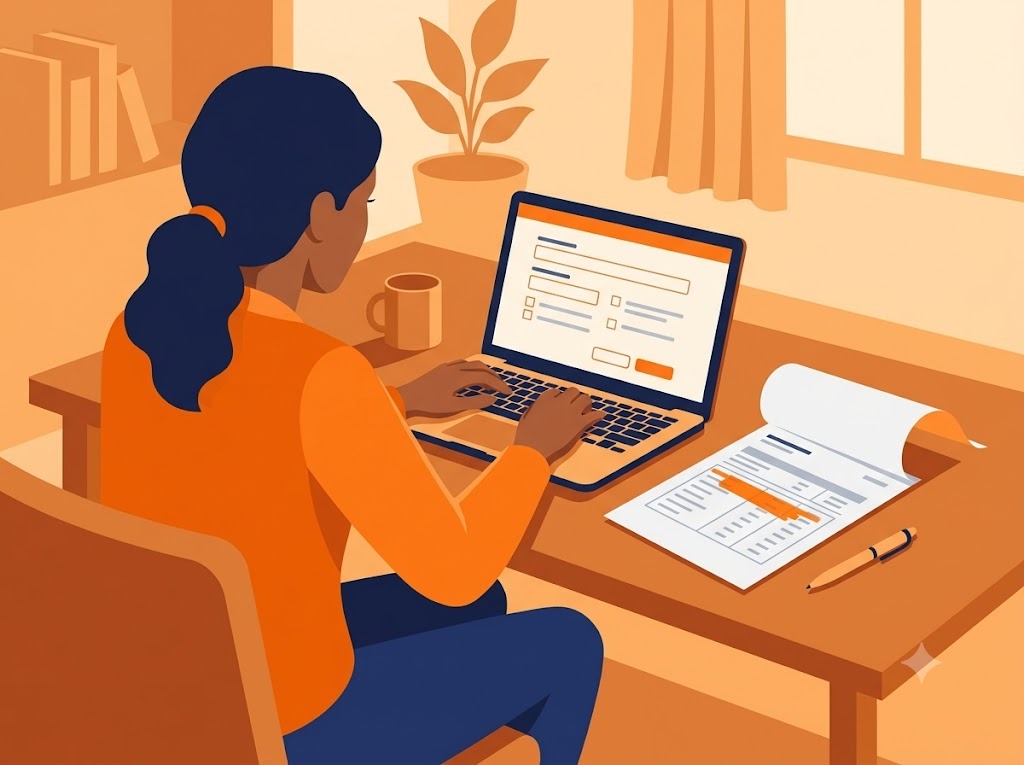
How to Dispute an Error on Your CIBIL Report, Step by Step
Channel | What It Does | When to Use |
Raise a dispute directly with TransUnion CIBIL | The bureau investigates by contacting the lender who reported the entry | First step for almost every error |
Contact the lender or bank directly | The lender can confirm the mistake and send a correction to the bureau | If the bureau's process feels slow or the lender is more responsive |
Escalate to the RBI Banking Ombudsman | An independent escalation path outside the bureau and lender | If the dispute remains unresolved past the standard timeline |
Exact resolution timelines should be confirmed against current bureau and RBI guidance, these can shift over time.
If the standard process stalls without movement, escalating through a formal complaint to the RBI Banking Ombudsman is an independent path that sits entirely outside both the bureau and the lender, worth knowing about even if you never end up needing it.
It's also worth resisting the urge to file a second dispute on the same entry while the first is still pending, this typically doesn't speed anything up and can occasionally create confusion about which submission is actually being tracked.
Getting the error corrected is the practical fix here. Keeping an eye on the report going forward, so the next error gets caught just as quickly, is the habit that actually matters after this specific one is resolved.
How FREED Helps You Understand What's on Your Report
A login gets you the raw report, a document full of account codes, dates, and figures that don't always explain themselves. FREED's Credit Insight tool translates that, showing what's currently helping or hurting your score in plain language, plus step-by-step recommendations.
It's open to everyone, no enrollment in any FREED program required, and no minimum income or score threshold to subscribe. The subscription runs 50%off, which is genuinely useful specifically for the moment right after downloading a raw report and not quite knowing what half of it means.
Worth being completely direct about one thing here: FREED does not file disputes on your behalf. Disputes are raised by you, the individual borrower, directly with the bureau, that's not something Credit Insights does or claims to do. What it does instead is help you understand your report clearly enough to know what's actually worth disputing in the first place, and to make sense of what changed once a dispute closes.
That distinction matters, and it's worth being upfront about it rather than implying something the product doesn't actually deliver. FREED's Credit Insight tool helps users understand information in their Experian credit report in simpler language, including factors that may be influencing their credit profile and suggested actions. It does not file CIBIL disputes on the user's behalf; disputes must be raised directly with the relevant bureau or lender.
Understand Your Report, Not Just Your Score
See what's helping and hurting, in plain language.
Check My Credit InsightsTips for Managing Your CIBIL Login and Report Safely
A few habits keep this whole process working safely, from the login itself through to confirming a fix actually landed.
Use a password manager, or write your login details down securely, rather than reusing an easy-to-guess password across accounts. Your credit report contains enough personal detail that this account deserves the same care as online banking.
Download and save your full report as a habit every few months, not only when something feels wrong. Building this into a routine means you're comparing against a recent baseline rather than trying to remember what things looked like a year ago.
Keep proof, screenshots, emails, of any dispute you raise until it's fully resolved. If something needs escalating later, having a clear record of what you submitted and when makes that conversation considerably easier.
Never share your login or the report's PDF password with anyone claiming to help "fix" your score for a fee. Do not share your CIBIL login password or report password with anyone claiming they can repair your score for a fee.
Check that a correction actually appears on a fresh report pull after a dispute closes. Don't assume it happened automatically just because the dispute status changed, the only way to confirm is looking at the report itself.
Your report is yours to check and correct. The login is just the door, the habit of actually looking is what protects you.

Mohit Juneja
Mohit Juneja writes educational content at FREED on debt management, credit scores, loan repayment, and borrowing best practices. His content is shaped by expert insights and industry knowledge, helping readers better understand their financial options and make informed decisions.
mohit.juneja@freed.care

FREED is India's trusted loan management platform. Founded in 2020 and headquartered in Gurugram, FREED has counselled 20 lakh+ people on personal loans, credit cards, and app loans. FREED charges fees only on successful settlement, not upfront. FREED does not handle secured loans (home loans, car loans, gold loans).
Media Mentions