Small Loan Without CIBIL: Options for Salaried Borrowers
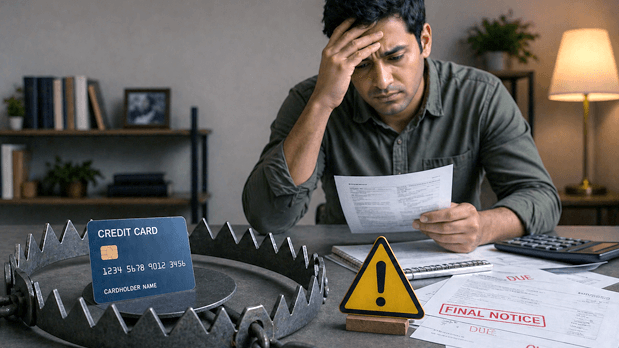
A small loan without a CIBIL history means borrowing money when you have little or no credit history for lenders to score, common for first-jobbers or anyone who's never taken a loan or used a credit card before. Salaried borrowers in this position still have real, lender-backed options, alongside a fast-growing set of instant-loan apps that look easy but often lead straight into a debt trap.
Mohit Juneja
Reviewed by FREED India, Debt Resolution Specialists
 4.7/5
4.7/5 ₹3,200Cr+
 20,000+
 20,00,000+4.7/5₹3,200Cr+20,000+20,00,000+
KEY TAKEAWAYS

A small loan without CIBIL history is still possible for salaried borrowers through salary-based NBFC loans, secured options, or a co-applicant.
RBI's Digital Lending Directions require regulated lenders to give a Key Fact Statement and a cooling-off period, with the minimum period depending on the loan tenor.
RBI bars recovery agents from calling before 8 AM or after 7 PM, one of the clearest signs of an unregulated lender.
A legit lender always disburses directly into your bank account, never through an agent or a third-party wallet.
Multiple small loans stacked together is the single biggest early warning sign of trouble ahead.
What "Loan Without CIBIL" Actually Means
No credit score doesn't mean no options. It means lenders can't pull up your repayment history and price the loan around it, so they lean on other proof instead.
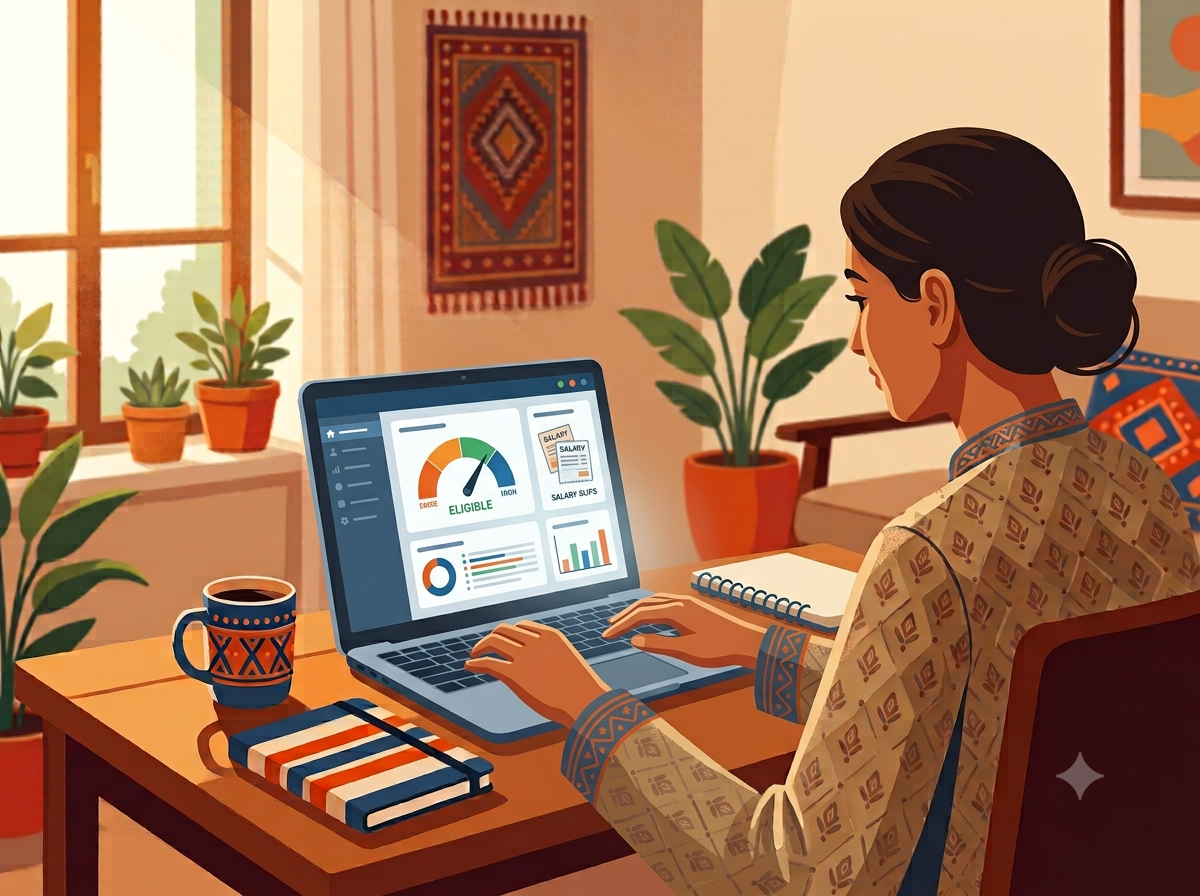
Four things typically stand in for a CIBIL report. Your salary slips and three to six months of bank statements show steady income coming in every month. Your employer matters too, a government job, a PSU, or a well-known private company reads as materially safer than a small, unlisted firm the lender has never heard of. Some newer lenders now look informally at your rent or utility payment history if you have nothing else to show. And if none of that is quite enough, a bit of collateral or a co-applicant who already has an existing file can close the gap.
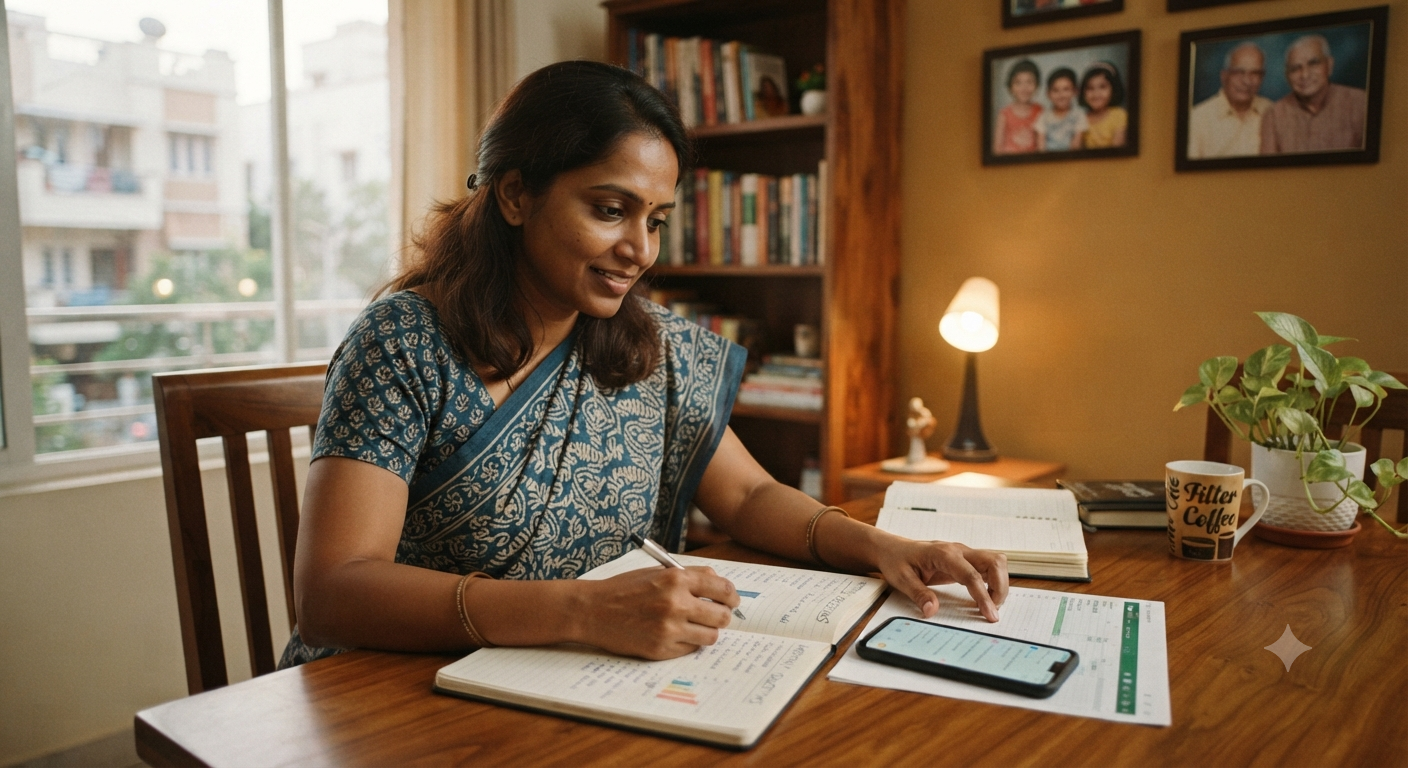
Who actually lands here? Someone one to three years into their first job with zero loans or cards to their name. A homemaker stepping back into paid work after years away. An NRI who's just moved back to India has a salary account here, but no Indian credit history because every loan they ever took was abroad.
It helps to separate the three situations people lump together. No file means you've never borrowed, so there's nothing on record. A thin file means you have a card or a small loan or two, repaid on time, but not enough history yet, and it already reads better to a lender than no file at all. A bad file means missed payments show up on the record. Lenders treat these three very differently, even though all three are typed into Google the same way.
None of this is a mark against you. It's a gap in data, not a failure of credit. But this same gap, easy to Google and hard to verify on your own, is exactly what most loan without CIBIL score searches are chasing, and it's also what predatory apps are built to exploit.
Why This Search Spikes Among Salaried Borrowers
Picture someone two years into their first job, taking home somewhere between thirty and forty-five thousand rupees a month. No credit card, no loan, nothing on file. Then a sudden expense lands, a medical bill, a rental deposit, money a family member back home needs urgently, and they need twenty-five to forty thousand rupees fast.
They search "loan without CIBIL." The first several results are app-based lenders promising approval in five minutes, with big banners that say no CIBIL check needed. Further down, the legitimate salary-based NBFC options look slower, ask for more paperwork, and barely register next to the instant-approval promise up top.
Under that kind of time pressure, speed feels like relief, and "no CIBIL check" feels like being let in rather than a warning sign. In practice, it's often the opposite. A lender skipping every check has to recover that risk some other way, and it usually shows up in the fine print.
There's a shorter version of this same pressure, too. Someone who has already taken one small loan needs a top-up before that first loan is even repaid. It sounds harmless in the moment, just a bit more, just until the next salary, but it's the same urgency compounding on itself.
This is worth sitting with because it's exactly this rush that makes it easy to skim past warning signs while reading fast, which the next section walks through directly. The same pattern shows up in personal loan options for salaried employees with a low CIBIL score: the safer route usually asks for more patience upfront, not less.

Freed Expert Tip
Before applying anywhere, check whether the lender is RBI-regulated and whether the app is associated with a regulated entity. RBI publishes a repository of digital lending apps reported by regulated entities.
Book My Free Call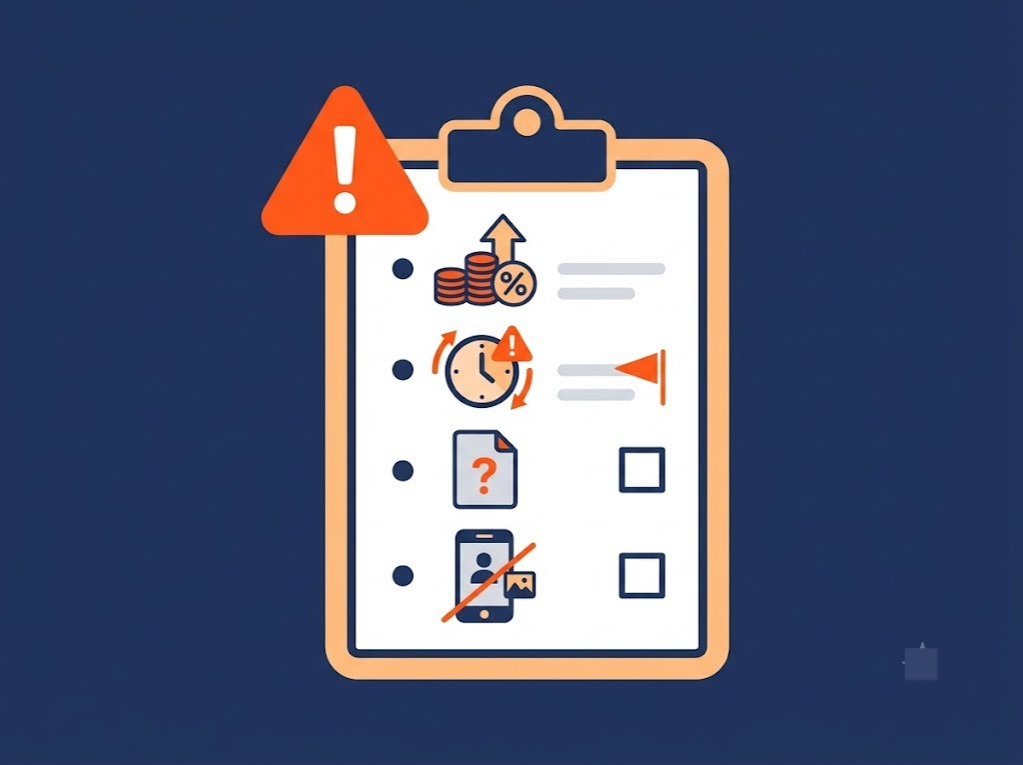
Signs You're Walking Into a Debt Trap
A few signs are worth checking against any app or lender before you accept money from them.
- The loan lands in your account in under fifteen to twenty minutes, with almost no document check at all.
- The app asks for camera, contacts, or gallery access to "verify" you. A properly regulated lender only needs this once, during KYC, not on an ongoing basis.
- There's no Key Fact Statement (KFS, a document showing your real interest rate and total cost) shown before you accept, just a headline processing fee that hides the actual math.
- Repayment is set up daily or weekly instead of monthly, which makes the real cost far harder to track.
- You can't find the lender's RBI registration number or a named grievance officer anywhere on the app or website.
- Calls or reminders come outside normal hours, or use pressure before you've even missed a payment.
- You're already covering one small loan by taking out another one to pay for it.
Any single sign here might have an innocent explanation on its own. Two or more together isn't a reason to panic, but it is a clear moment to stop and check the lender's registration first. The early signs of a debt trap usually show up exactly like this, small and easy to explain away individually.
How to Get a Small Loan Without CIBIL, Step by Step

What the Law Says
RBI's 2025 Digital Lending Directions require every regulated lender to disburse loans directly into your bank account, never through an agent or third-party wallet.
Check your optionsLegit Options vs. the Apps to Avoid
Most content on this topic lists "top five loan apps." That's the wrong frame because a list of names goes stale within months and doesn't actually protect you. Signals are what matter, not names.
A legitimate lender shows its RBI registration clearly on the app or website, lists a real physical address, and hands you the Key Fact Statement before you accept, not after. Repayment runs monthly; the app asks for the bare minimum permissions KYC needs, and there's a named grievance officer with contact details you can actually reach.
A red-flag app usually has no traceable company behind it beyond the app store listing. There's no grievance officer anywhere. Repayment is daily or weekly, which quietly obscures how expensive the loan really is. It asks for contacts, gallery, and camera access well beyond what KYC needs. Look at user reviews, and some mention the app contacting family members or workplaces, which regulated lenders are barred from doing.
It's not a coincidence that predatory apps specifically target searches like "zero CIBIL" or "no credit check." This audience usually has fewer loans to compare against and less room to negotiate, and the urgency that brought them here is already working in the app's favour before the conversation even starts.
The table below lays these signals out side by side. If you've already looked into a zero CIBIL score loan app and want to check it against these markers, that's a good next read. And if you've already taken one of these loans, the next section covers what your options look like from here.
Already Took More Than One Small Loan? Here Are Your Options
If you're reading this after already taking a loan or two, here's where most people land, and you don't need to guess which one fits you.
Path one: you're managing your payments fine, but the combined EMI load feels heavy every month. This is where consolidation fits, folding three or four small loans into a single lower monthly EMI with one lender instead of juggling several due dates.
Path two: you've missed a payment or two, but your job and income are otherwise stable. This calls for a direct conversation with your lender about restructuring or getting a short extension before it compounds into something bigger. Most lenders would rather work out a new schedule than chase a default, since a default costs them too.
Path three: the calls have turned aggressive. Repeated contact outside normal hours, threats, contact with your family or employer, or a recovery agent showing up unannounced. This isn't a repayment conversation anymore; it's a rights issue with specific legal backing.
If your combined EMI is crossing somewhere around half your take-home salary, treat that as a real warning sign, not a hard cutoff, but a real one.
Path one, consolidation, is where most salaried borrowers end up when they arrive here through a few small loans stacking up rather than one big default. If that sounds like you, understanding and escaping the debt trap walks through the fuller picture, and the next section covers exactly how FREED fits into path one.
What the Law Says
RBI bars recovery agents from calling before 8 AM or after 7 PM, and from intimidation, harassment, public humiliation, or intruding on the privacy of a borrower's family, referees, or friends during recovery.
Check your options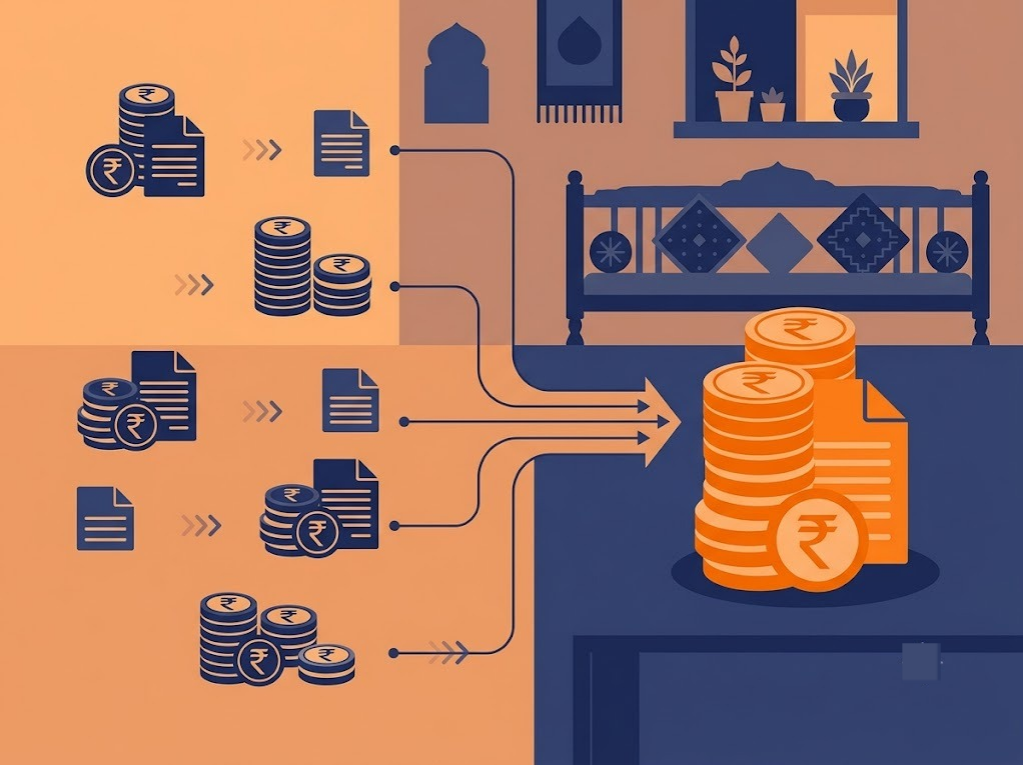
How FREED Helps If Multiple Small Loans Are Stretching Your EMIs
FREED's Debt Consolidation Program is built for exactly the path-one situation above, still paying, but stretched across too many small loans at once.
Here's the mechanism. FREED looks at your full financial profile across all the small loans you're currently carrying, then matches you to a lending partner from FREED's network. That partner disburses one new consolidated loan, and that loan pays off every one of your existing small loans immediately.
What's left afterward is one EMI, one lender, one due date, at a combined monthly payment lower than what you were paying across all those separate loans put together.
Because your existing loans close out properly instead of defaulting, consolidation may support your credit profile over time, depending on your repayment behaviour and overall credit history.
The fee is success-based. FREED only gets paid once consolidation actually completes, nothing if it doesn't.
One more thing worth knowing: if calls tied to any of your earlier small loans have crossed into the territory covered under the recovery-hours law above, off-hours contact, threats, contact with your family or employer, FREED Shield exists to help document and escalate that specifically. It's available to anyone dealing with this, not only people already enrolled with FREED.
Tips to Build Credit History the Safe Way
A few habits actually build a usable credit file faster than most people expect.
Start small and repay in full, on time. Even a loan of ten to fifteen thousand rupees, closed cleanly, is what opens your file in the first place. Size matters far less than consistency does.
Resist applying to four or five apps at once to see who approves fastest. Every application shows up as a hard enquiry, and a cluster of them in a short window reads as credit-hungry to a lender, which can work against your approval odds rather than for them.
If you get approved for anything revolving, like a credit card, keep your usage under 30% of the limit.
Don't rush to close your very first loan account the moment it's paid off, if there's no cost to keeping it open. A longer average account age generally helps your score more than a completely clean slate does.
Check your credit report again three to six months after your first loan, specifically to confirm the account is reporting correctly. Errors at this early stage are easy to miss and much harder to untangle once more accounts stack on top.
For a fuller walkthrough of building safely from here, how to avoid falling into a debt trap covers the habits that matter once you already have a loan or two running.
Freed Expert Tip
Re-check your credit report three to six months after your first loan, not just the score. Confirm the account is actually reporting and there's no unfamiliar enquiry sitting on file.
Check My CreditLegit Small-Loan Routes vs. Red-Flag Apps
Signal | Legit Lender | Red-Flag App |
Registration | RBI-regulated bank/NBFC, listed on RBI's DLA directory | Often unlisted, no clear registration |
Disclosure | Key Fact Statement given before acceptance | Rate buried or missing until after disbursal |
Repayment | Monthly EMI | Daily or weekly, hard to track |
Disbursal | Direct to your bank account | Sometimes routed through an agent/wallet |
Recovery contact | 8 AM–7 PM only, no harassment or privacy intrusion | Off-hours calls, contacts family or workplace |
Data access | KYC-only permissions | Contacts, gallery, and camera access are demanded |
FREED does not endorse or partner with any specific lending app. This table reflects general RBI-aligned signals only.

Mohit Juneja
Mohit Juneja writes educational content at FREED on debt management, credit scores, loan repayment, and borrowing best practices. His content is shaped by expert insights and industry knowledge, helping readers better understand their financial options and make informed decisions.
mohit.juneja@freed.care

FREED is India's trusted loan management platform. Founded in 2020 and headquartered in Gurugram, FREED has counselled 20 lakh+ people on personal loans, credit cards, and app loans. FREED charges fees only on successful settlement, not upfront. FREED does not handle secured loans (home loans, car loans, gold loans).
Media Mentions