Personal Loan for Salaried Applicants With a Low CIBIL Score
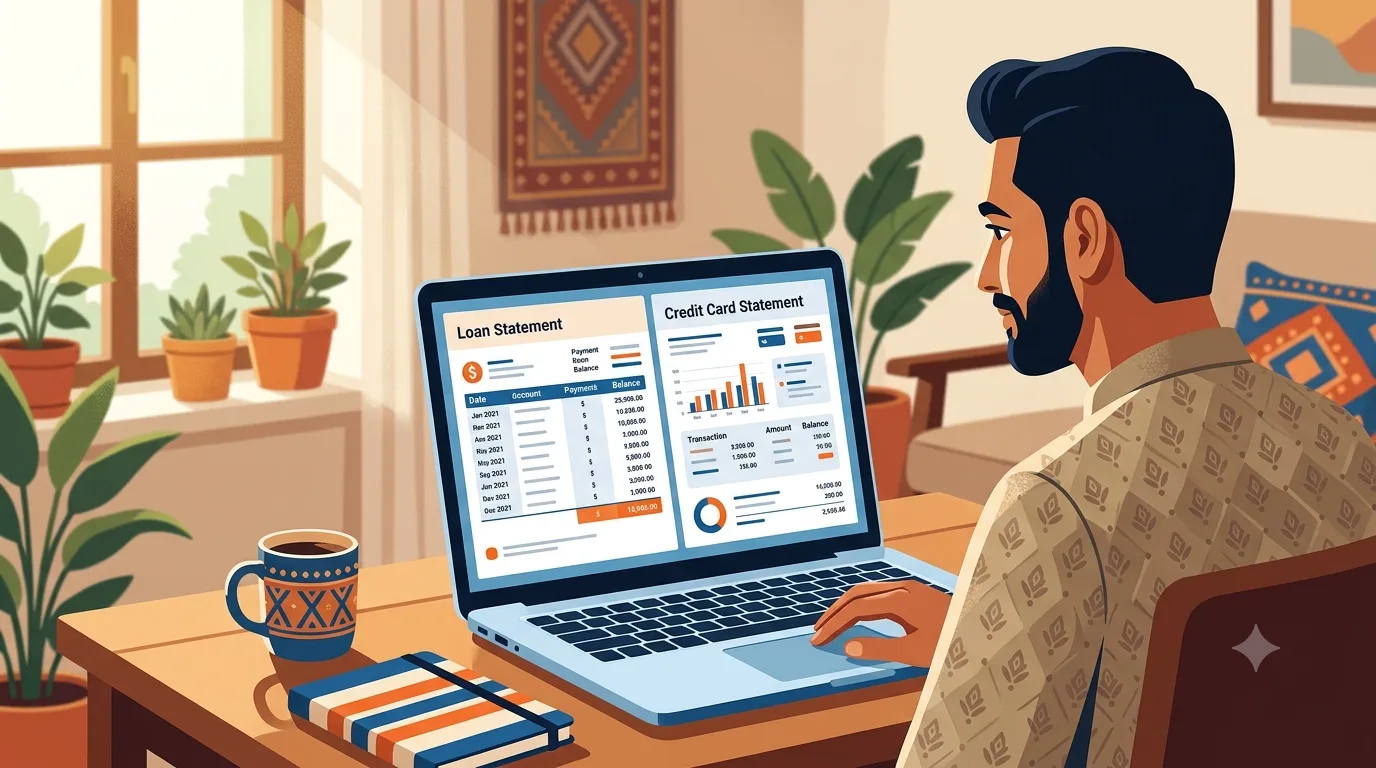
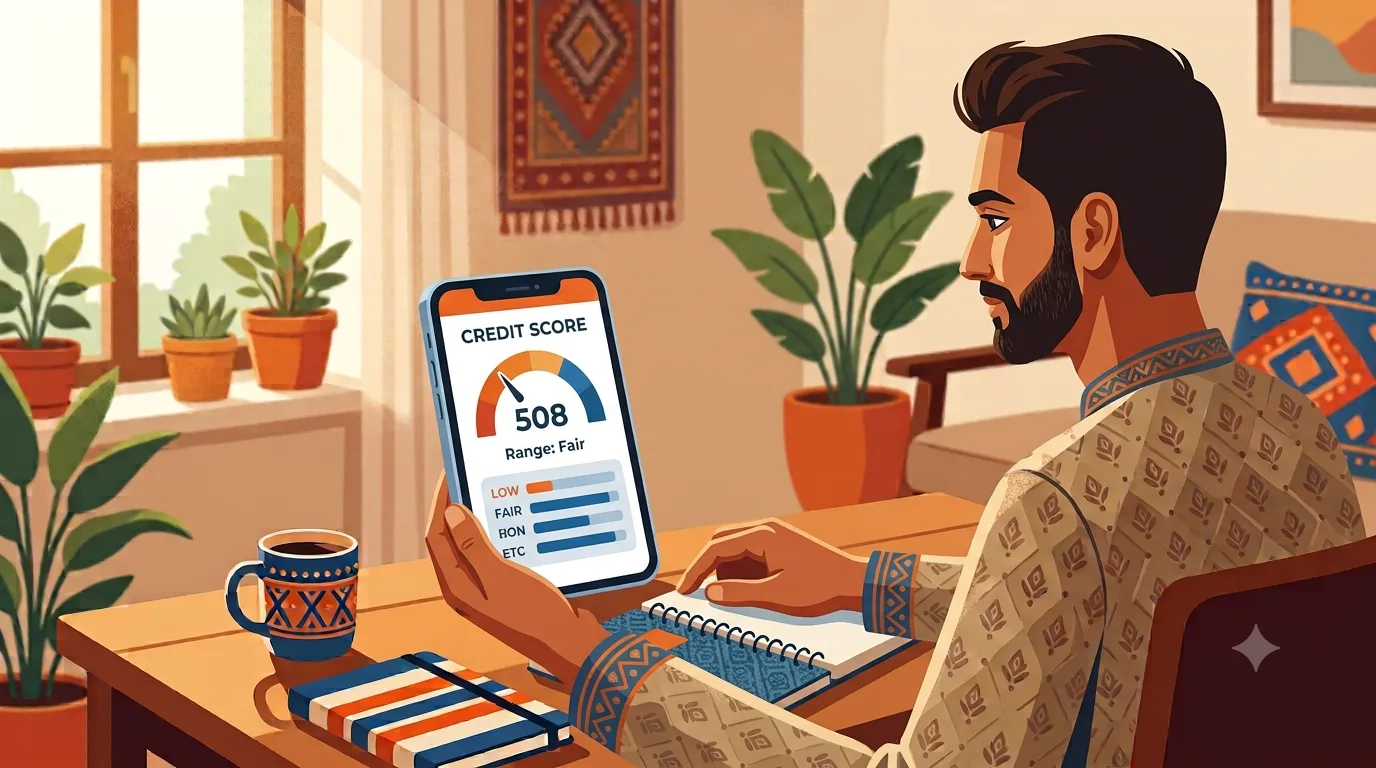
What is a personal loan for a salaried person with a low CIBIL score? A personal loan for a salaried person with a low CIBIL score is possible but depends on more than just the score. Salaried borrowers have a key advantage: a regular, provable monthly income. Banks and NBFCs (non-bank loan companies) weigh employer type, salary stability, and FOIR (how much of monthly income goes toward existing EMIs) alongside the credit score when deciding.
Mohit Juneja
Reviewed by FREED India, SEO Intern
 4.7/5
4.7/5 ₹3,200Cr+
 20,000+
 20,00,000+4.7/5₹3,200Cr+20,000+20,00,000+
Key summury

Salaried borrowers are considered lower risk than self-employed borrowers at the same CIBIL score, because income is regular and provable through salary slips and bank statement credits.
Government, PSU, MNC, and large listed company employees are often viewed more favourably by lenders, which can improve approval chances even at lower scores. Individual lenders decide their own employer categories and criteria.
NBFCs that lend at lower scores typically charge higher rates than banks. Exact rates depend on your profile, the lender, and prevailing market conditions. Verify current rates directly with the lender before applying.
Many lenders assess repayment capacity, including the proportion of income already committed to EMIs.
The salary account with an existing bank is often the easiest first step. That bank already sees the income and may extend a pre-approved offer even at a lower score.
Why Being Salaried Helps When the CIBIL Score Is Low
A personal loan is unsecured. The bank has no asset to recover if the borrower stops paying. So it relies on two signals: credit history (CIBIL score) and income predictability.
For salaried borrowers, income predictability is very high. There is a fixed monthly credit to the bank account, a verifiable employer, and salary slips that confirm the amount. This predictability partially compensates for a weak CIBIL score in the bank's risk calculation. A self-employed borrower at the same score has to work much harder to prove income is real and stable.
Salaried borrowers have two levers that no other borrower group has.
Lever 1 Employer category. Government, PSU, MNC, and large listed company employees are often assessed more favourably by lenders. Even at lower scores, a strong employer profile can improve approval chances and may result in better rates. Benefits vary across banks and products -- verify directly with the lender.
Lever 2 Salary account relationship. If your salary is credited into a specific bank every month, that bank already has live income data. They can see consistent credits without asking for a single document. They may offer a pre-approved loan or consider an application at a lower score than their public criteria. Salary account customers often receive preferential treatment on rates and processing fees, though the extent varies by bank and product.
A salaried personal loan at a lower score is generally easier to obtain than for someone with irregular income at the same score, though this depends on the lender's assessment criteria.

Salaried but Loan Getting Rejected?
Get a free assessment of your situation. No commitment, no pressure.
Get My Free AssessmentWhat Counts as a "Low CIBIL Score" for a Salaried Personal Loan?
For a salaried borrower, the effective score floor is lower than for a self-employed borrower. A government employee at 650 CIBIL can often get approved where a self-employed person at 680 cannot. Employer category and FOIR compensate for what the score alone does not show.
CIBIL Score | What Salaried Borrowers Can Expect |
750+ | Best rates from banks (9.99%–14% p.a.), fast approval, high amounts |
700–749 | Banks approve with slightly higher rates, NBFCs competitive |
650–699 | NBFCs approve readily. Category A employer can unlock bank options too |
600–649 | Select NBFCs only, higher rates (24%–36%), smaller amounts. Salary account bank worth trying first |
Below 600 | Very limited unsecured options. Gold loans and FD-backed loans are better alternatives |
Banks typically require CIBIL 700–750 for personal loan approval. NBFCs can approve from 650. (Source: Nest app / BuddyLoan 2026) Below 600, most unsecured personal loan options close, but gold loans and FD-backed loans remain accessible regardless of score.
Now, within the "low score" band, there are two very different situations this blog must address clearly.
Situation A: The score dipped because of a rough patch. A few EMIs slipped over the last few months or a credit card bill rolled for a while. Things have since stabilised. Income is back on track. This borrower may qualify for additional borrowing if their current financial situation and lender eligibility criteria support it. The old damage is still showing on the report. This borrower may genuinely benefit from a new loan.
Situation B: The score is low because existing loans are already hard to manage. Payments are being missed because there is not enough money to cover all EMIs. A new loan at 24%–36% on top of this does not help. It adds cost to an already stretched situation.
These two situations need completely different responses. A borrower in Situation B who takes a new high-interest loan is making things harder, not easier. A score of 730 with stable salaried employment and low FOIR often outperforms a 750 score with high existing EMI burden in bank assessments.
What Does a Personal Loan for a Salaried Borrower With Low CIBIL Actually Cost?
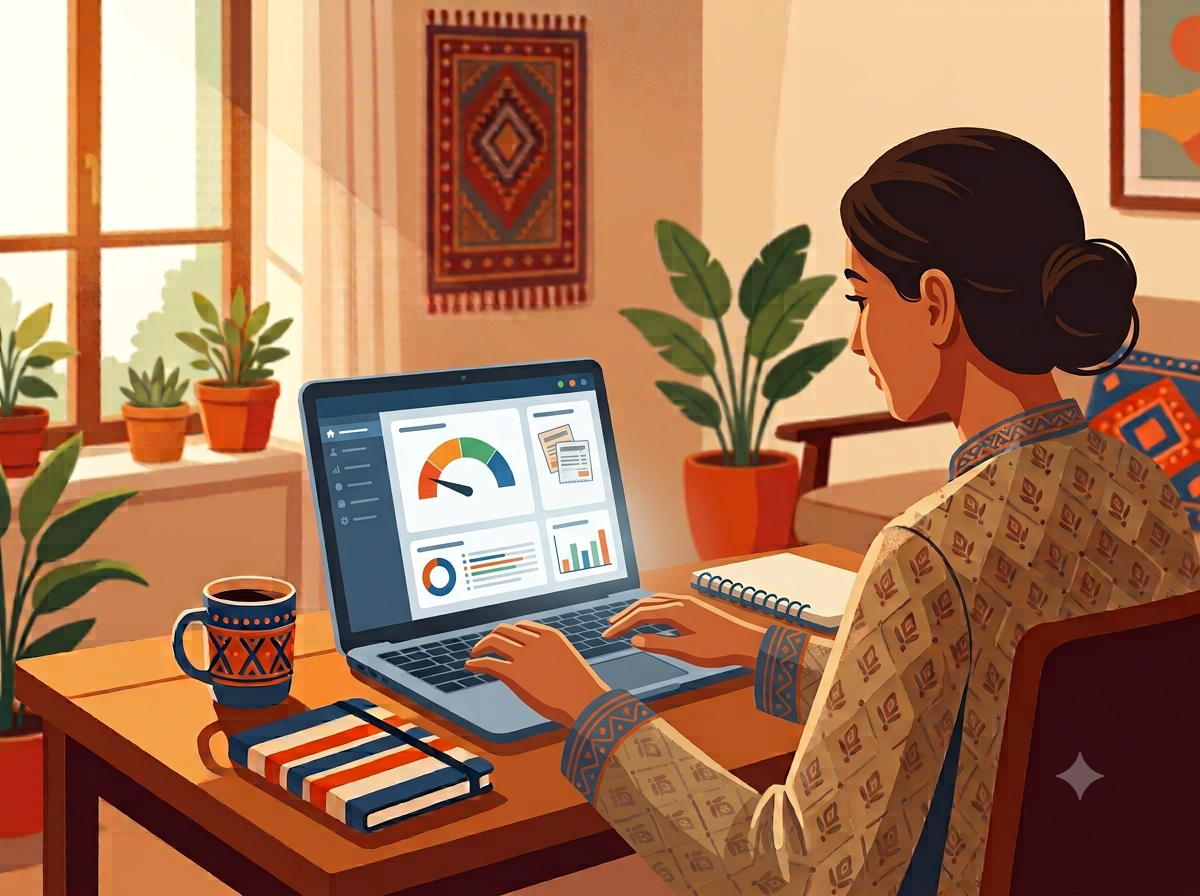
This is the section competitors skip. Here is the honest cost across employer type and score range, on the same ₹3 lakh loan over 3 years.
CIBIL and Employer Type | Typical Rate | Monthly EMI (approx.) | Total Interest (approx.) | Total Repayment |
Govt/MNC + 650–700 CIBIL | 14%–18% p.a. | ₹10,241–₹10,847 | ₹68,676–₹90,492 | ₹3,68,676–₹3,90,492 |
Private salaried + 650–700 CIBIL | 18%–24% p.a. | ₹10,847–₹11,762 | ₹90,492–₹1,23,432 | ₹3,90,492–₹4,23,432 |
Any salaried + below 650 CIBIL | 24%–36% p.a. | ₹11,762–₹13,650 | ₹1,23,432–₹1,91,400 | ₹4,23,432–₹4,91,400 |
Note: Figures are indicative, based on reducing balance calculation. Actual rates depend on the bank or NBFC's assessment. Processing fees (1%–3%) and GST (18% on fees) are additional. Verify all terms directly before signing.
Banks in the Category A employer segment offer 0.5%–2% lower rates. (Source: Gromo / EMI Saathi 2026) That gap compounds over 3 years. A government employee and a private SME employee at the same 660 CIBIL can pay ₹25,000–₹40,000 different amounts in total interest on the same ₹3 lakh loan.
One more number that often goes unmentioned: the processing fee. At 2% on ₹3 lakh, that is ₹6,000 plus 18% GST = ₹7,080 upfront, before a single EMI is paid.
Now the FOIR check: a borrower earning ₹40,000 per month with existing EMIs of ₹15,000 has a FOIR of 37.5%. A new EMI of ₹10,000 pushes FOIR to 62.5%. That may indicate that taking on additional debt could become difficult to manage.

FREED Expert Tip
Before applying anywhere, calculate your FOIR. Add up all existing EMIs, including personal loan, credit card minimum due, and any other account, then divide by take-home monthly salary. If the number is already above 40%, a new loan EMI will push it toward 50% or beyond. At that point, even an approved loan becomes risky to manage. Fix the existing EMI burden first, then apply.
Talk to FREED About Your EMI LoadEligibility for a Personal Loan for Salaried Borrowers With Low CIBIL: What Banks Check
What the bank or NBFC actually checks when a salaried borrower with a low score applies:
Age 21 to 60 years at loan maturity
Indian resident with valid Aadhaar and PAN
Net monthly salary of ₹20,000–₹25,000 minimum metro banks typically require ₹25,000, digital NBFCs approve from ₹15,000 (Source: EMI Saathi / GetExpressLoans 2026)
Minimum 6 months with the current employer 1 year or more preferred. Government employees often face lower scrutiny here
Total work experience of at least 1–2 years across all employers
Employer category government, PSU, MNC, or large listed company gets lower rates and easier approval. Private SME or startup gets higher scrutiny (Source: Gromo / Saarathi 2026)
FOIR below 50% of take-home salary. Existing EMIs must leave room for the new one
Last 6 months of bank statements showing consistent salary credits with no large unexplained withdrawals. (Source: EMI Saathi 2026) For low-CIBIL borrowers, this is effectively a second credit score
A salary account with the applying bank is an advantage. That bank already has live income data
No active NPA (loan marked as bad by the bank after 90 days of missed payments) on any existing loan
Minimum CIBIL score: requirements vary by lender and product. Many banks prefer stronger credit profiles while certain NBFCs consider applications at lower scores, typically with stricter income requirements. Lower scores may be considered when government employment and strong income are present. These are indicative lender tendencies, not universal eligibility rules.
Loan amount typically sanctioned: 10–15 times monthly in-hand salary for NBFCs. Up to 20x for strong profiles (Source: GetExpressLoans 2026)
Meeting all these conditions does not guarantee approval. Each bank or NBFC has its own internal policy. Every application creates a hard enquiry that may be considered by lenders when assessing future applications.

What the Law Says
Under RBI Digital Lending Directions (2025), every RBI-registered bank and NBFC must provide a Key Fact Statement (KFS), a document showing the Annual Percentage Rate, all fees, and repayment schedule, before any loan is sanctioned. Always ask for it before signing. If an NBFC does not provide a KFS, do not proceed.
Talk to FREEDWhat Loan Options Are Actually Available for Salaried Borrowers With Low CIBIL?
Ordered from lowest cost to highest. No specific bank or NBFC is recommended here. The framework below is what matters.
1. Salary account bank try this first
The bank where your salary credits each month already has live income data. They can see 6 months of consistent salary credits without asking for documents. They may offer a pre-approved personal loan at their discretion. Even at CIBIL 650, this bank may approve a smaller amount at a better rate than a new bank would. Check the bank's app under "pre-approved offers" before applying anywhere else. No hard enquiry until you formally apply.
2. Gold loan most accessible at any score
Not a personal loan, but the most accessible credit for a low-score borrower. No CIBIL check. Approval based on value of gold pledged. Banks lend a portion of the gold's market value based on RBI's loan-to-value guidelines -- verify the current applicable limit directly with your lender or at rbi.org.in. Rates vary by lender and gold value. Same-day disbursal is common. Caveat: if unable to repay, gold can be auctioned. Secured loan, outside FREED's settlement scope.
3. Loan against FD (fixed deposit)
Borrow up to 90% of an existing FD at the FD rate plus 1%–2%. No CIBIL check required. The cheapest credit option available in India at any score. Available only if an FD already exists.
4. NBFC personal loan, salaried-friendly
NBFCs assess income, bank statement cash flow, employer type, and salary stability. Salaried borrowers with consistent credits and Category A employers can get approved at 650 CIBIL. Rates for salaried at 650–700 CIBIL: typically 14%–24% p.a. depending on the employer category. Below 650: 24%–36% p.a. (Source: Nest app / Qredit 2026) Loan amounts: typically ₹50,000–₹5 lakh. Always ask for the KFS (Key Fact Statement, the document every RBI-registered NBFC must provide before signing, showing the full APR, all fees, and the repayment schedule). Processing fee: 1%–3% plus 18% GST.
5. Co-applicant route
Adding a family member with CIBIL 700 or above as a co-applicant can unlock better offers. The rate is tied to the co-applicant's profile. Caveat: if payments are missed, the co-applicant's CIBIL score is also affected. This must be clear to both parties before proceeding.
How to Apply for a Personal Loan With Low CIBIL: Step by Step for Salaried Borrowers
Check your salary account bank first. If they offer a pre-approved loan, or if gold or an FD is available, start there. These steps are for the NBFC unsecured route when none of those options apply.
1. Check your salary account bank first
Log in to the app or net banking of the bank where your salary credits. Look under "pre-approved offers" or "loans." This bank already sees your income and may extend a personal loan at a lower threshold than their public eligibility criteria. Takes 2 minutes. No hard enquiry until you formally apply.
2. Check your CIBIL report for errors
Download the free annual report at cibil.com. Look for: a closed loan still showing as "Active," a paid EMI marked "Overdue," or an account you don't recognise. Dispute errors directly on cibil.com. Free, takes up to 30 days to correct. Since January 2025, banks report to credit bureaus every 15 days, so a corrected entry can reflect in 2 weeks. (Source: Business Standard 2025) Correcting reporting errors helps ensure lenders assess accurate credit information.
3. Calculate your FOIR before applying
Add all existing monthly EMIs and divide by take-home salary. If the number is above 40%, a new loan EMI will push FOIR toward 50%. Already above 50%? Fix the EMI burden first. The new loan is risky to manage at this level even if it gets approved.
4. Identify 1–2 NBFCs that accept your employer type and score
Category A employer government, PSU, MNC, large listed company? Some banks approve CIBIL 650–680 for this segment. Research before applying. Multiple applications in a short period may affect how lenders assess future applications. Multiple applications in a short window compound the CIBIL drop. Apply to 1–2 only.
5. Prepare your documents cleanly
Have ready: last 3–6 months of salary slips, stamped and signed by HR; last 6 months of bank statements showing consistent monthly salary credits with no large unexplained withdrawals; PAN and Aadhaar; employer ID or appointment letter; employment proof showing how long you've been with the current employer. (Source: EMI Saathi 2026) For low-CIBIL borrowers, the bank statement is the real credit story.
6. Read the KFS before agreeing to anything
Every RBI-registered NBFC must provide a KFS (Key Fact Statement, a document showing the real APR, all fees, and repayment schedule) before the loan is sanctioned. Check the processing fee, bounce charge, and prepayment penalty. If no KFS is provided, do not proceed. FREED can help review loan terms and documents if needed.
When Should a Salaried Borrower Not Take a New Personal Loan?
Most blogs tell you how to get the loan. Almost none tell you when not to.
There are three situations where a new personal loan makes things worse, not better, even for a salaried borrower who gets approved.
When the score dropped because existing loans are already unmanageable. A low CIBIL from sustained missed EMIs means the current debt load is already beyond what the income can handle. Adding a new loan at 24%–36% on top makes repayment harder across all accounts, not just the new one.
When FOIR is already above 40% and the new EMI will push it past 50%. Even if the loan is approved, the total EMI burden at that level is risky. A missed payment on any one loan, at this FOIR, can increase the risk of repayment difficulties across multiple accounts.
When the plan is to use the new personal loan to pay off missed EMIs on existing loans. This pattern increases total outstanding rather than reducing it. It buys a few weeks of breathing room while the overall debt gets larger.
If any of these apply, the right question is not "how do I get a loan?" It is "what do I do with the debt I already have?" The next section covers that.
What Are Your Options If Existing Debt Is the Real Problem?
If the low CIBIL score came from existing unmanageable debt, a new personal loan is not the answer. Here is what to look at, in the correct order.
Talk to your bank about changing the repayment plan. Ask if they can lower the EMI or extend the repayment time. Banks do not advertise these options, but many will discuss them if approached before the account tips into NPA (loan marked as bad after 90 days of missed payments).
Convert credit card outstanding to a lower-rate EMI plan. Most major banks allow credit card balances to be converted to EMIs at a lower rate than the card's rollover rate. This reduces monthly outflow without a new loan.
Merge all loans into one lower EMI debt consolidation. Consolidation (combining all existing loans into one new loan at a lower EMI) is for borrowers still paying but stretched thin. One payment date, one amount, one account. When managed well, consolidation does not carry the negative CIBIL impact that settlement does, and consistent repayment on the new loan can support credit health over time. FREED's Loan Consolidation Plan can help if you are still current on payments but barely managing.
Balance transfer once the score stabilises to 670 or above. Moving high-interest debt to a lower-rate bank makes more sense after 6–12 months of consistent repayment.
If repayment has become genuinely impossible, loan settlement as a last resort. For unsecured loans only: personal loans, credit cards, BNPL, loan apps. Not for home loans, car loans, or gold loans. The next section covers this honestly.
How Loan Settlement Helps When Repayment Has Become Genuinely Impossible
Settlement is not something a borrower chooses out of preference. Banks and financial companies only consider it when you are in genuine financial difficulty and are truly unable to repay the full amount. It is a last resort, not a shortcut.
What settlement means: you pay a reduced lump sum, and the bank accepts it as the full and final payment. The loan is then marked "Settled" on your CIBIL report.
FREED helps borrowers settle their unpaid/overdue loans at up to 50% less*. The bank decides the final number based on your actual situation, not a fixed formula.
The "Settled" mark stays on your CIBIL report for up to 7 years. Getting new credit during that period is harder. This consequence is real and must be understood before deciding.
Settlement applies only to unsecured loans: personal loans, credit cards, BNPL products, loan apps. FREED does not handle secured loans.
FREED handles the back-and-forth with the bank, helps prepare the documents, and gets the settlement letter worded correctly. FREED charges a fee only when a settlement is successfully completed. If the bank refuses, no service fee is charged and the initial evaluation fee is refunded.
Are You in a Loan Trap? Quick Check
Move the slider to your total EMIs as a % of monthly salary. See your debt stress level instantly.
EMIs as % of Monthly Salary
How to Improve CIBIL Score as a Salaried Borrower: Fastest Steps
Salaried borrowers have a real advantage in score recovery: consistent salary credits build a clean bank statement every single month, and a salary can be used to set up auto-payment (NACH mandate auto-deduction permission given to the bank) so no EMI is accidentally missed.
Pay every EMI and credit card bill on time from this month forward. Payment history is a significant factor in your CIBIL score. Every on-time payment chips away at the old damage.
Set up a NACH mandate for all existing EMIs. Auto-deduction means no payment is missed because of a busy week or a forgotten due date. For a salaried borrower with a fixed monthly credit, this removes the risk of accidental slippage.
Maintain responsible credit utilisation. High credit utilisation (the percentage of your credit limit that you're using) is a hidden drag on the score. Even paying on time, a card at 80% of its limit pulls the score down.
Check the CIBIL report for errors and dispute them. Free at cibil.com, takes about 30 days to correct. Since January 2025, CIBIL updates data every 15 days. A corrected entry can start reflecting within 2 weeks. (Source: Business Standard 2025)
Do not apply for any new credit during the recovery period. Every application creates a hard enquiry. During recovery, consistency is the goal, not new credit.
A salaried borrower with stable employment can recover faster than most, because income stability is provable every month. A score of 650 can reach 700+ in 6–12 months of clean repayment. (Source: IDFC FIRST Bank / MyMudra 2026) There is no shortcut. But every clean month moves it in the right direction.
Salaried, Low CIBIL, and Existing Loans Getting Harder to Manage?
Talk to a FREED counsellor. Free, confidential, no judgement.
Book My Free Call

Mohit Juneja
Mohit Juneja writes educational content at FREED on debt management, credit scores, loan repayment, and borrowing best practices. His content is shaped by expert insights and industry knowledge, helping readers better understand their financial options and make informed decisions.
mohit.juneja@freed.care

FREED is India's trusted loan management platform. Founded in 2020 and headquartered in Gurugram, FREED has counselled 20 lakh+ people on personal loans, credit cards, and app loans. FREED charges fees only on successful settlement, not upfront. FREED does not handle secured loans (home loans, car loans, gold loans).
Media Mentions