Debt Lawyer Free Consultation: How to Get Free Legal Advice on Debt
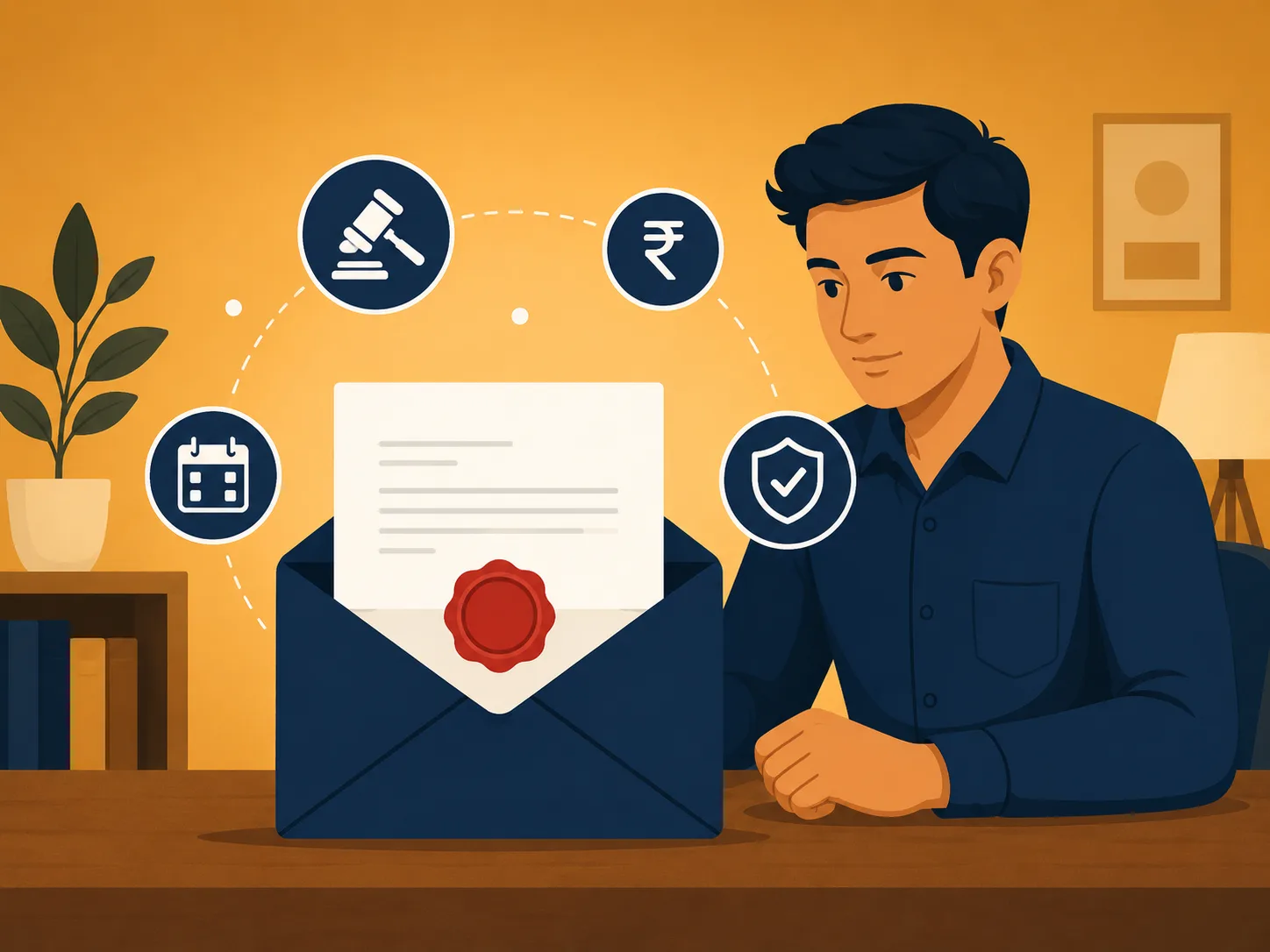
A debt lawyer free consultation is what most people search for when a loan default or recovery notice starts weighing on them. In most cases, what actually helps first is understanding your rights and options, and a free debt counselling consultation can cover that. A lawyer generally becomes necessary once your matter involves court proceedings or requires formal legal representation.

Mohit Juneja
Reviewed by FREED India, Debt Resolution Specialists
 4.7/5
4.7/5 ₹3,200Cr+
 20,000+
 20,00,000+4.7/5₹3,200Cr+20,000+20,00,000+
KEY TAKEAWAYS

Most people searching for "debt lawyer" are really after clarity on their rights and options, not courtroom representation.
FREED helps borrowers settle their unpaid/overdue loans at up to 50% less*.
A genuine lawyer becomes necessary once a civil suit is actually filed in court.
Free lawyer consultations do exist in India through legal aid services, though they're built for court representation, not loan-by-loan negotiation.
Getting clarity early, before a legal notice, keeps more options open.
What Are You Actually Looking For When You Search for a Debt Lawyer
Before anything else: FREED is not a law firm. It doesn't file cases, defend clients in court, or represent anyone before a judge. Worth saying upfront, because most people typing "debt lawyer free consultation" into Google aren't actually looking for a courtroom.
They're usually after one of three things. Some want to understand their rights while a bank is chasing them for a payment. Some have a notice in hand, maybe a recovery letter, maybe something that looks more serious, and just want someone to tell them what it actually means. And some are stuck deciding whether to fight the amount, settle it, or try to negotiate a lower EMI instead.
None of those three things actually require a lawyer. They need someone who knows how recovery works in India and can walk through your specific situation with you. That's what a free debt counselling call is built for. A lawyer's expertise sits elsewhere, in drafting court filings, arguing before a judge, defending you against criminal charges. This piece is here to draw that line clearly, so you know which kind of help fits what you're dealing with right now.

Freed Expert Tip
Before searching for a lawyer, get clarity on where you actually stand, reminder stage, notice stage, or already in court. This single step tells you whether free counselling is enough or a lawyer is genuinely needed.
Talk to FREED's team to find out where you stand
When You Genuinely Need a Lawyer for Debt
There are a few situations where counselling alone won't cut it, and it helps to know them plainly instead of guessing.
The clearest one: a civil suit has actually been filed against you. Once a bank moves from sending notices to filing in court, you need someone qualified to represent you there. Counselling can still help you understand what's happening, but it can't replace legal representation at that point.
Secured loans bring their own trigger. If your home or car loan is involved and the bank has moved toward SARFAESI proceedings, where a lender can take possession of the asset backing the loan after issuing a notice, without needing a court order first, this is squarely a lawyer's territory.
Cheque bounce cases are the third. If a cheque you issued has bounced and the other side is threatening action under Section 138 of the Negotiable Instruments Act, 1881, this can turn into a criminal matter. The law requires a written demand notice giving you 15 days to pay before a complaint can even be filed, and if it gets that far, you need a lawyer, not a counsellor.
Outside these three, most debt situations are still well within the reach of counselling and negotiation.
Where Free Legal Aid Actually Exists in India
Free lawyers do exist here, and it's worth knowing where, because pretending otherwise wouldn't be honest. India's District Legal Services Authority (DLSA) and State Legal Services Authority (SLSA), set up under the Legal Services Authorities Act, 1987, provide free legal representation to people who qualify.
Eligibility runs mostly on income, though several groups qualify regardless of what they earn: women, children, and members of Scheduled Castes or Scheduled Tribes, among others. For everyone else, the income ceiling is set by each state government and tends to sit somewhere the income ceiling is prescribed by each state and may vary for cases outside the Supreme Court, though the exact figure varies by state.
What matters most here is what this system is actually built for. DLSA and SLSA exist to get a lawyer assigned to represent you in an active case. They're not designed for the kind of ongoing back-and-forth a loan negotiation needs, reviewing your specific loans, weighing settlement against consolidation, working out a repayment plan with your bank. That's a different kind of help, and it's where a free debt counselling consultation tends to fit better.

What the Law Says
Under the Legal Services Authorities Act, 1987, free legal aid is available through DLSA and SLSA for those who meet income eligibility criteria, mainly for court representation.
Check your state's income eligibility for legal aidWhat a Free Debt Consultation With FREED Actually Covers
Here's what an honest answer looks like, since overselling this would just waste your time later.
A free call with FREED covers understanding your rights during recovery, what a bank can and can't do, what RBI's rules actually require of them, and where you stand if things start feeling like harassment. It also covers reviewing a recovery notice, where appropriate, not a court summons, but the written notices a bank sends before things escalate, and helping you put together a reply. If you're unsure whether consolidation or settlement fits your situation, that assessment happens here too, based on your actual income and what you're carrying in debt.
What it doesn't cover is anything that requires a law degree and a seat in a courtroom. FREED does not represent you in court, doesn't file or defend a civil suit on your behalf, and isn't a replacement for a lawyer once litigation is already underway. If your situation reaches that point, you'll need a qualified lawyer, whether privately engaged or through DLSA and SLSA if you're eligible.
The honest way to think about it: FREED's free consultation is built for everything that happens before and around a courtroom, understanding, deciding, negotiating. The courtroom itself needs a lawyer.

Already Received a Recovery Notice
Get help understanding it and drafting a reply.
Get My Reply Reviewed
How FREED's Free Consultation Works
It's fairly simple. You book a call, and a counsellor goes through your situation with you, including any notices you've already received. From there, they walk you through your rights and what's realistically available to you, given your income and what you owe.
If a lawyer is genuinely what your case needs, a good counsellor tells you that directly instead of trying to keep you on as a customer regardless. That's a fair test of whether the advice is honest: does it point you toward what actually helps, even when that's not FREED's own service.
Worth repeating plainly: this is a debt counselling and resolution service, not a law firm. The call is free either way, but what it can offer you depends on where your case actually stands.
Are You in a Loan Trap? Quick Check
Move the slider to your total EMIs as a % of monthly salary. See your debt stress level instantly.
EMIs as % of Monthly Salary
What Are Your Options After Understanding Your Rights
Once you know where you stand, a few paths open up, depending on your capacity to repay.
FREED's Debt Consolidation Program may combine eligible unsecured debts into a single repayment, depending on the approved loan amount, tenure, and lender terms. No fee to you here, any processing or foreclosure cost involved sits with the lending partner.
Settlement isn't something a borrower chooses out of preference. It's for a genuine financial difficulty, when repaying in full has stopped being possible. FREED helps borrowers settle their unpaid/overdue loans at up to 50% less*.
If your case is already in court, this is where you'll need to bring an actual lawyer in, alongside whatever support you're already getting from FREED. The two aren't mutually exclusive. A lawyer handles the courtroom, while FREED can continue helping with the parts around it, understanding notices, working through settlement math, keeping the bigger picture in view.
Get Clarity on Your Situation, Free
Talk to a FREED counsellor about your rights and real options.
Book My Free CallWhat Are Your Options After Understanding Your Rights
Once you know where you stand, a few paths open up, depending on your capacity to repay.
FREED's Debt Consolidation Program may combine eligible unsecured debts into a single repayment, depending on the approved loan amount, tenure, and lender terms. No fee to you here, any processing or foreclosure cost involved sits with the lending partner.
Settlement isn't something a borrower chooses out of preference. It's for a genuine financial difficulty, when repaying in full has stopped being possible. FREED helps borrowers settle their unpaid/overdue loans at up to 50% less*.
If your case is already in court, this is where you'll need to bring an actual lawyer in, alongside whatever support you're already getting from FREED. The two aren't mutually exclusive. A lawyer handles the courtroom, while FREED can continue helping with the parts around it, understanding notices, working through settlement math, keeping the bigger picture in view.
What Helps Before You Decide Who to Call
A few things make the first conversation, whoever you have it with, much more useful. Work out exactly what stage you're at: reminder calls, a formal notice, or something already in court. Gather any notices you've received, with their dates and reference numbers, before you call anyone.
Write down your questions ahead of time. It's easy to forget half of them once you're actually on the call. And be upfront about what you can genuinely repay each month. Advice built on an inflated number won't hold up, and it wastes everyone's time, including yours.
Getting the Right Kind of Free Help for Your Debt Situation
- 1
Identify Your Actual Stage
Reminder calls, a formal notice, or already in court, each needs a different kind of help, so this comes first.
- 2
Gather Any Notices You've Received
Have the dates, amounts, and reference numbers ready. It makes the whole conversation faster and more accurate.
- 3
Book a Free Consultation With FREED
Get your rights and options explained clearly, based on your specific situation rather than a general script.
- 4
Ask Directly if a Lawyer Is Needed
A good counsellor tells you plainly if your case genuinely needs court representation, rather than talking around it.
- 5
. Explore DLSA/SLSA if You Need Actual Court Representation
Check your state's eligibility for free legal aid if litigation has already started and you qualify.
What Covers What
Situation | Right Kind of Help |
Understanding your recovery rights | FREED's free counselling consultation |
Reviewing and replying to a recovery notice | FREED's in-house team support |
Deciding between consolidation and settlement | FREED's free counselling consultation |
Civil suit already filed in court | A qualified lawyer, or DLSA/SLSA if eligible |
SARFAESI action on a secured loan | A qualified lawyer |
FREED disclaimer: FREED is a debt counselling and resolution platform, not a law firm, and does not provide courtroom legal representation.
Most of what people worry about, understanding a notice, deciding between options, figuring out what a bank can legally do, sits on the counselling side of this table. Only once things move into an actual courtroom, or into SARFAESI territory for a secured loan, does the right answer shift to a lawyer.
Sources
Claim | Source |
DLSA/SLSA provide free legal aid under the Legal Services Authorities Act, 1987, generally income-based | National Legal Services Authority (NALSA) — https://nalsa.gov.in/faqs/ |
SARFAESI Act allows banks to act on secured assets after a 60-day notice, without a court order | Reserve Bank of India / statutory reference — reviewing team to confirm current RBI-linked page before publish |
Section 138 NI Act requires a 15-day payment window after a written demand notice for cheque bounce | Statutory reference (Negotiable Instruments Act, 1881) — no single rbi.org.in page hosts this; reviewing team to cite indiacode.nic.in text of the Act directly if a link is required |

Mohit Juneja
Mohit Juneja writes educational content at FREED on debt management, credit scores, loan repayment, and borrowing best practices. His content is shaped by expert insights and industry knowledge, helping readers better understand their financial options and make informed decisions.
mohit.juneja@freed.care

FREED is India's trusted loan management platform. Founded in 2020 and headquartered in Gurugram, FREED has counselled 20 lakh+ people on personal loans, credit cards, and app loans. FREED charges fees only on successful settlement, not upfront. FREED does not handle secured loans (home loans, car loans, gold loans).
Media Mentions